George E. Atwood – författare
Visar alla böcker från författaren George E. Atwood. Handla med fri frakt och snabb leverans.
30 produkter
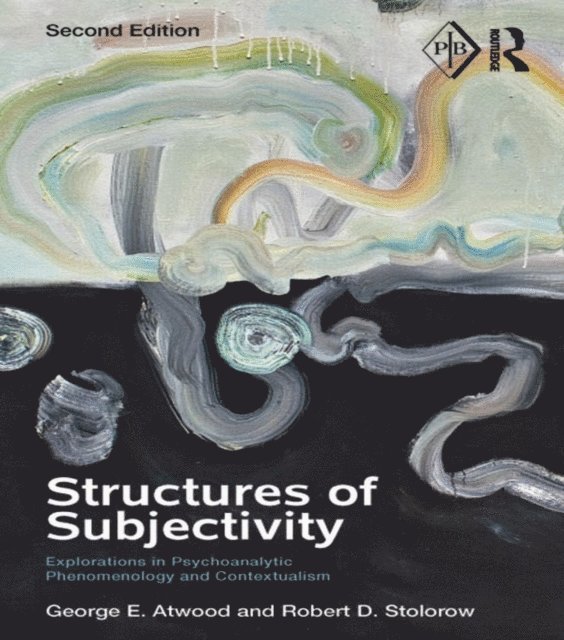
Structures of Subjectivity
Explorations in Psychoanalytic Phenomenology and Contextualism
Av George E. Atwood, Robert D. Stolorow
Häftad, 2014
691 kr
Lägg i varukorg
Structures of Subjectivity: Explorations in Psychoanalytic Phenomenology and Contextualism, is a revised and expanded second edition of a work first published in 1984, which was the first systematic presentation of the intersubjective viewpoint – what George Atwood and Robert Stolorow called …
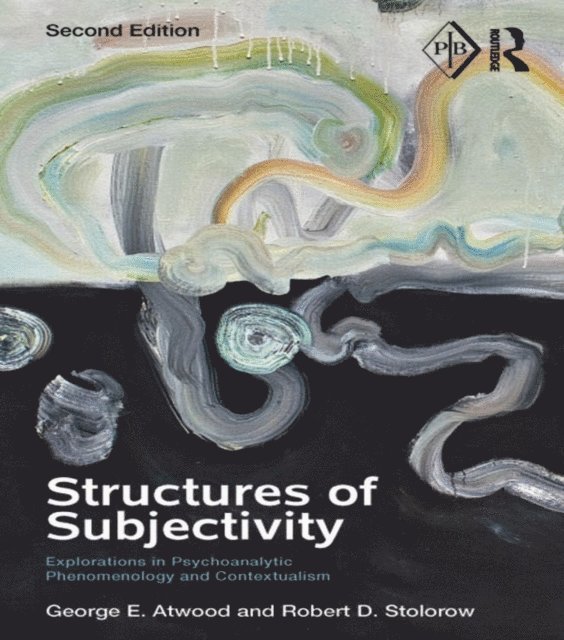
Structures of Subjectivity
Explorations in Psychoanalytic Phenomenology and Contextualism
Av George E. Atwood, Robert D. Stolorow
Inbunden, 2014
2744 kr
Lägg i varukorg
Structures of Subjectivity: Explorations in Psychoanalytic Phenomenology and Contextualism, is a revised and expanded second edition of a work first published in 1984, which was the first systematic presentation of the intersubjective viewpoint – what George Atwood and Robert Stolorow called …
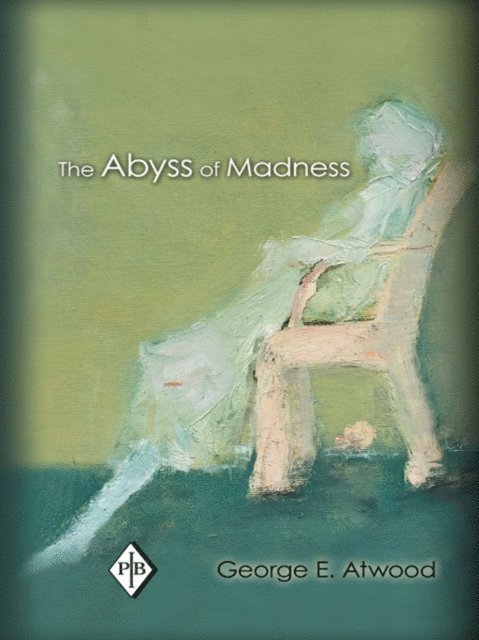
Abyss of Madness
Häftad, 2011
619 kr
Lägg i varukorg
Despite the many ways in which the so-called psychoses can become manifest, they are ultimately human events arising out of human contexts. As such, they can be understood in an intersubjective manner, removing the stigmatizing boundary between madness and sanity. Utilizing the post-Cartesian …
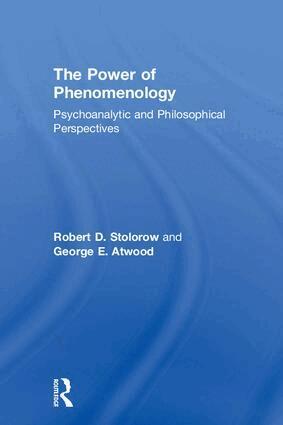
Power of Phenomenology
Psychoanalytic and Philosophical Perspectives
Av George E. Atwood, Robert D. Stolorow
E-bok, 2018
727 kr
Lägg i varukorg
The Power of Phenomenology took form when the two authors realized that a single theme has run through the course of their almost half-century-long collaboration like a red thread—namely, the power of phenomenological inquiry and understanding in a wide range of contexts. This book demonstrates how …
Power of Phenomenology
Psychoanalytic and Philosophical Perspectives
Av George E. Atwood, Robert D. Stolorow
E-bok, 2018
727 kr
Lägg i varukorg
The Power of Phenomenology took form when the two authors realized that a single theme has run through the course of their almost half-century-long collaboration like a red thread—namely, the power of phenomenological inquiry and understanding in a wide range of contexts. This book demonstrates how …
Worlds Of Experience
Interweaving Philosophical And Clinical Dimensions In Psychoanalysis
Av Donna Orange, George E. Atwood m. fl.
Inbunden, 2002
549 kr
Lägg i varukorg
The intersubjective perspective regards all psychological processes as emanating from personal interrelatedness. First presented by Robert D. Stolorow in his classic work Faces in a Cloud (1978), it is one of the most powerful concepts to be introduced into the post-Freudian era. In Worlds of …
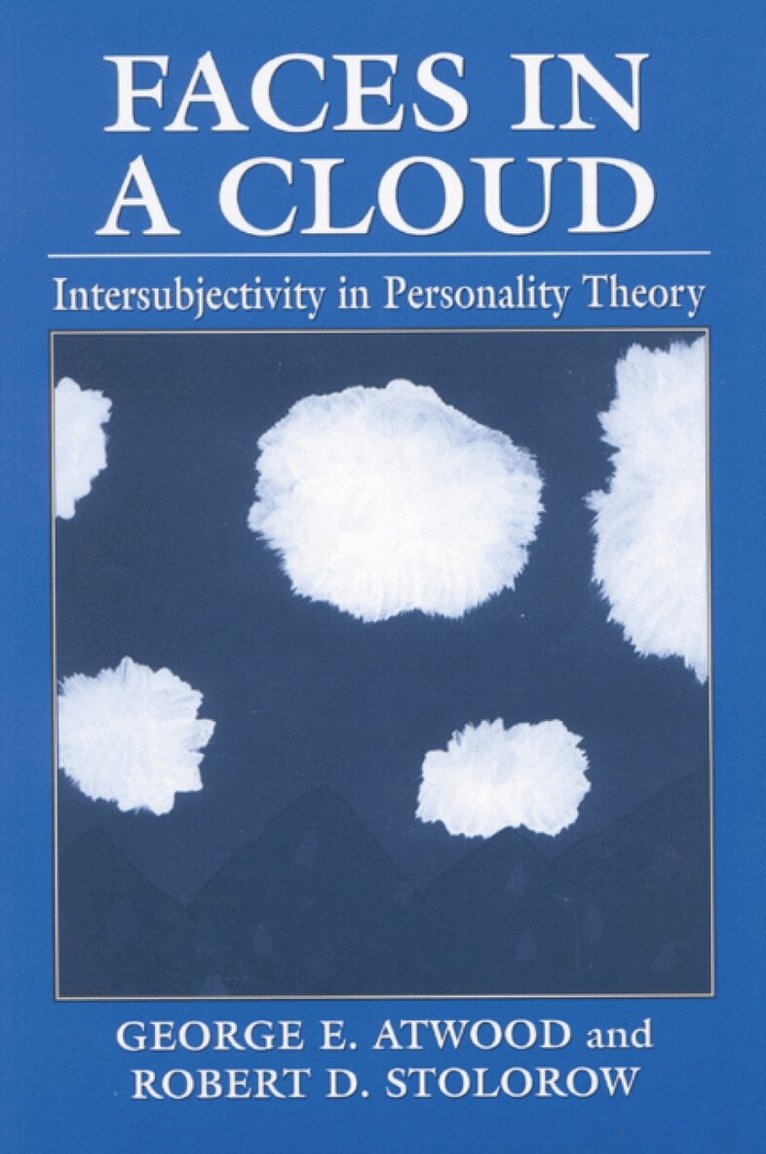
Faces in a Cloud
Intersubjectivity in Personality Theory
Av George E. Atwood, Robert D. Stolorow
Häftad, 2001
907 kr
Lägg i varukorg
To find more information about Rowman & Littlefield titles please visit us at www.rowmanlittlefield.com.
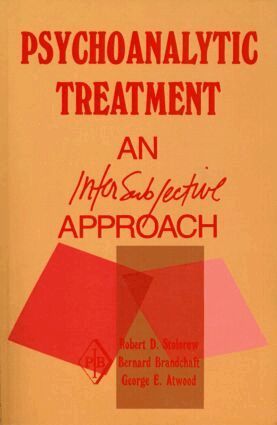
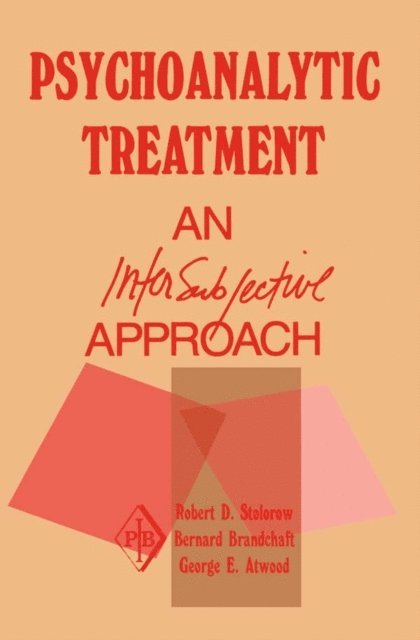
Psychoanalytic Treatment
An Intersubjective Approach
Av Robert D. Stolorow, Bernard Brandchaft m. fl.
Häftad, 2000
601 kr
Lägg i varukorg
Psychoanalytic Treatment: An Intersubjective Approach fleshes out the implications for psychoanalytic understanding and treatment of adopting a consistently intersubjective perspective. In the course of the study, the intersubjective viewpoint is demonstrated to illuminate a wide array of clinical …
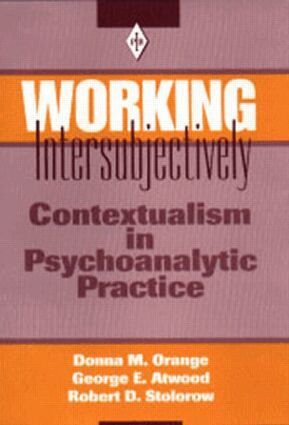
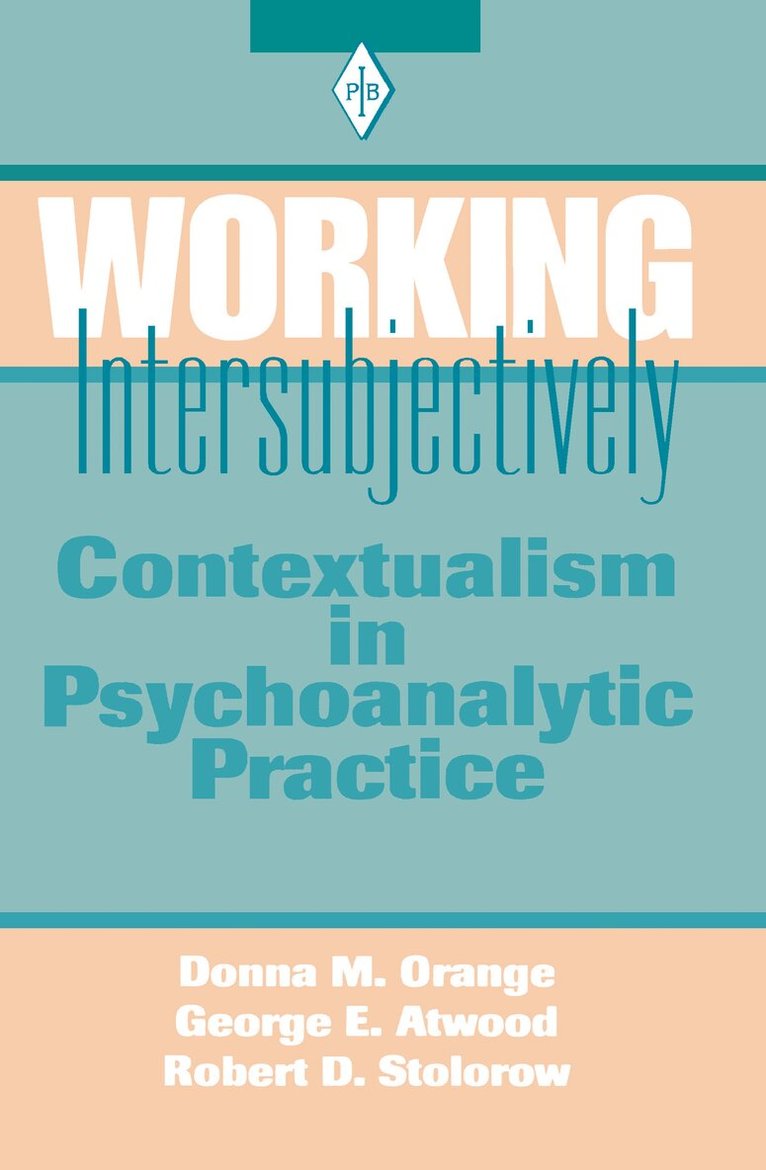
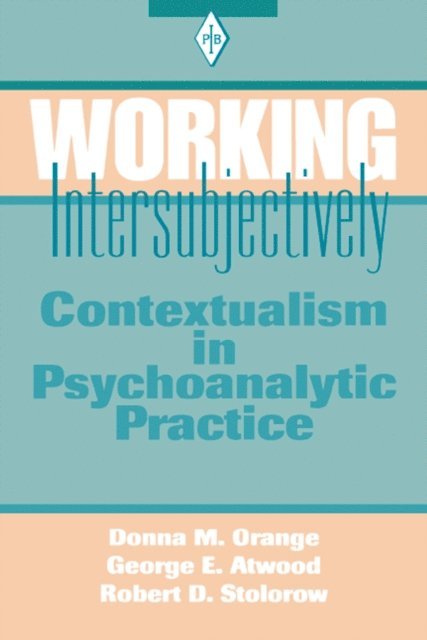
Working Intersubjectively
Contextualism in Psychoanalytic Practice
Av Donna M. Orange, George E. Atwood m. fl.
Häftad, 2001
573 kr
Lägg i varukorg
From an overview of the basic principles of intersubjectivity theory, Orange, Atwood, and Stolorow proceed to contextualist critiques of the concept of psychoanalytic technique and of the myth of analytic neutrality. They then examine the intersubjective contexts of extreme states of psychological …
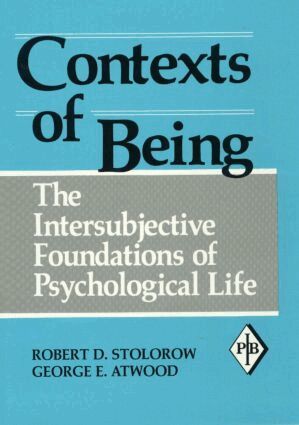
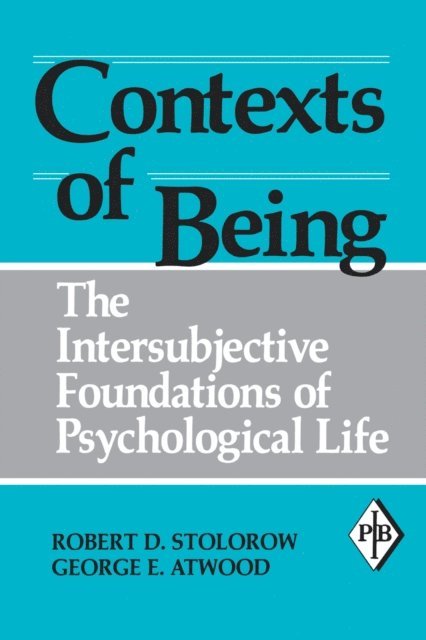
Contexts of Being
The Intersubjective Foundations of Psychological Life
Av Robert D. Stolorow, George E. Atwood
Häftad, 2002
559 kr
Lägg i varukorg
In this volume, the authors complete the circle begun with Faces in a Cloud (1979) and continued with Structures of Subjectivity (1984) and Psychoanalytic Treatment: An Intersubjective Approach (1987- with Brandchaft). They now extend intersubjectivity theory to a rethinking of the foundational …
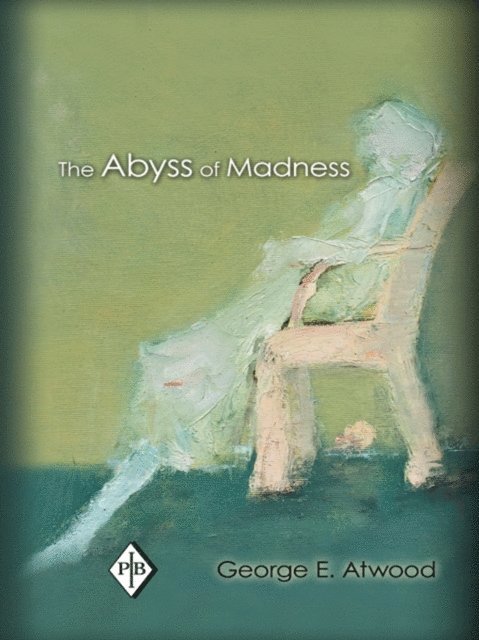
Abyss of Madness
E-bok, 2012
727 kr
Lägg i varukorg
Despite the many ways in which the so-called psychoses can become manifest, they are ultimately human events arising out of human contexts. As such, they can be understood in an intersubjective manner, removing the stigmatizing boundary between madness and sanity. Utilizing the post-Cartesian …
Abyss of Madness
E-bok, 2012
727 kr
Lägg i varukorg
Despite the many ways in which the so-called psychoses can become manifest, they are ultimately human events arising out of human contexts. As such, they can be understood in an intersubjective manner, removing the stigmatizing boundary between madness and sanity. Utilizing the post-Cartesian …
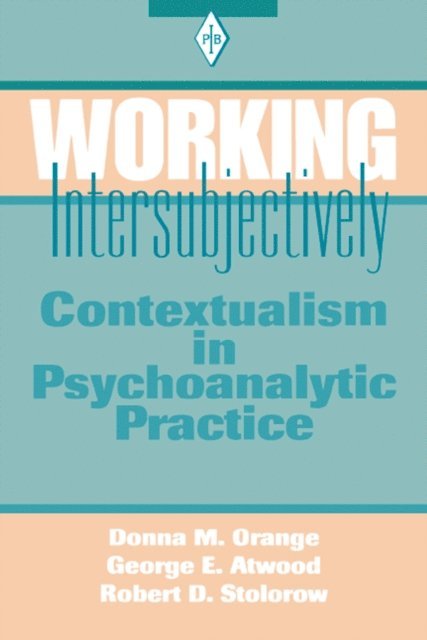
Working Intersubjectively
Contextualism in Psychoanalytic Practice
Av Donna M. Orange, George E. Atwood m. fl.
Inbunden, 2016
2073 kr
Lägg i varukorg
From an overview of the basic principles of intersubjectivity theory, Orange, Atwood, and Stolorow proceed to contextualist critiques of the concept of psychoanalytic technique and of the myth of analytic neutrality. They then examine the intersubjective contexts of extreme states of psychological …
Power of Phenomenology
Psychoanalytic and Philosophical Perspectives
Av Robert D. Stolorow, George E. Atwood
Inbunden, 2018
2512 kr
Lägg i varukorg
The Power of Phenomenology took form when the two authors realized that a single theme has run through the course of their almost half-century-long collaboration like a red thread—namely, the power of phenomenological inquiry and understanding in a wide range of contexts. This book demonstrates how …
Power of Phenomenology
Psychoanalytic and Philosophical Perspectives
Av Robert D. Stolorow, George E. Atwood
Häftad, 2018
619 kr
Lägg i varukorg
The Power of Phenomenology took form when the two authors realized that a single theme has run through the course of their almost half-century-long collaboration like a red thread—namely, the power of phenomenological inquiry and understanding in a wide range of contexts. This book demonstrates how …
Structures of Subjectivity
Explorations in Psychoanalytic Phenomenology and Contextualism
Av Robert D. Stolorow, George E. Atwood
E-bok, 2014
796 kr
Lägg i varukorg
Structures of Subjectivity: Explorations in Psychoanalytic Phenomenology and Contextualism , is a revised and expanded second edition of a work first published in 1984, which was the first systematic presentation of the intersubjective viewpoint – what George Atwood and Robert Stolorow called …
Structures of Subjectivity
Explorations in Psychoanalytic Phenomenology and Contextualism
Av Robert D. Stolorow, George E. Atwood
E-bok, 2014
796 kr
Lägg i varukorg
Structures of Subjectivity: Explorations in Psychoanalytic Phenomenology and Contextualism , is a revised and expanded second edition of a work first published in 1984, which was the first systematic presentation of the intersubjective viewpoint – what George Atwood and Robert Stolorow called …
Working Intersubjectively
Contextualism in Psychoanalytic Practice
Av Robert D. Stolorow, George E. Atwood m. fl.
E-bok, 2015
698 kr
Lägg i varukorg
From an overview of the basic principles of intersubjectivity theory, Orange, Atwood, and Stolorow proceed to contextualist critiques of the concept of psychoanalytic technique and of the myth of analytic neutrality. They then examine the intersubjective contexts of extreme states of psychological …
Working Intersubjectively
Contextualism in Psychoanalytic Practice
Av Robert D. Stolorow, George E. Atwood m. fl.
E-bok, 2015
714 kr
Lägg i varukorg
From an overview of the basic principles of intersubjectivity theory, Orange, Atwood, and Stolorow proceed to contextualist critiques of the concept of psychoanalytic technique and of the myth of analytic neutrality. They then examine the intersubjective contexts of extreme states of psychological …
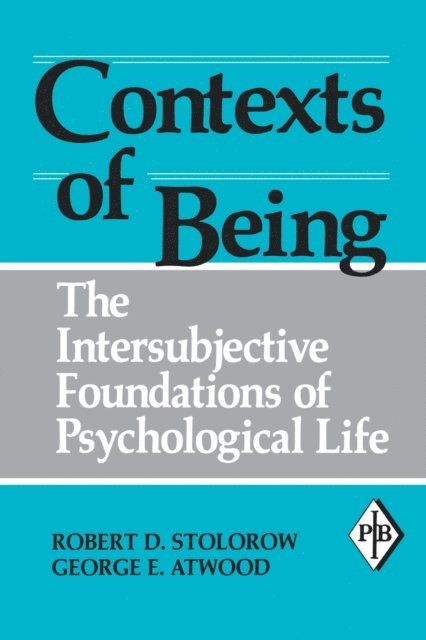
Contexts of Being
The Intersubjective Foundations of Psychological Life
Av George E. Atwood, Robert D. Stolorow
E-bok, 2014
696 kr
Lägg i varukorg
In this volume, the authors complete the circle begun with Faces in a Cloud (1979) and continued with Structures of Subjectivity (1984) and Psychoanalytic Treatment: An Intersubjective Approach (1987- with Brandchaft). They now extend intersubjectivity theory to a rethinking of the foundational …
Contexts of Being
The Intersubjective Foundations of Psychological Life
Av George E. Atwood, Robert D. Stolorow
E-bok, 2014
681 kr
Lägg i varukorg
In this volume, the authors complete the circle begun with Faces in a Cloud (1979) and continued with Structures of Subjectivity (1984) and Psychoanalytic Treatment: An Intersubjective Approach (1987- with Brandchaft). They now extend intersubjectivity theory to a rethinking of the foundational …
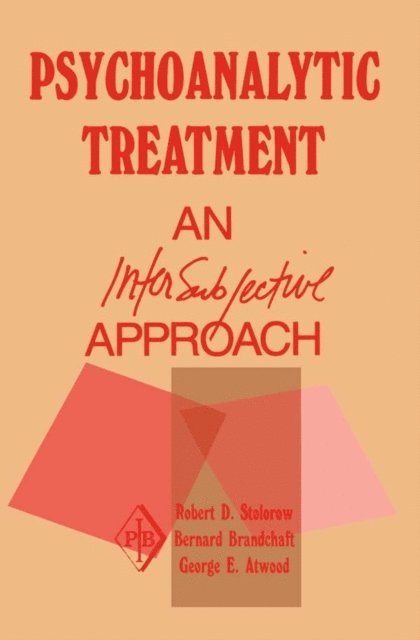
Psychoanalytic Treatment
An Intersubjective Approach
Av George E. Atwood, Bernard Brandchaft m. fl.
E-bok, 2014
749 kr
Lägg i varukorg
Psychoanalytic Treatment: An Intersubjective Approach fleshes out the implications for psychoanalytic understanding and treatment of adopting a consistently intersubjective perspective. In the course of the study, the intersubjective viewpoint is demonstrated to illuminate a wide array of clinical …
Psychoanalytic Treatment
An Intersubjective Approach
Av George E. Atwood, Bernard Brandchaft m. fl.
E-bok, 2014
733 kr
Lägg i varukorg
Psychoanalytic Treatment: An Intersubjective Approach fleshes out the implications for psychoanalytic understanding and treatment of adopting a consistently intersubjective perspective. In the course of the study, the intersubjective viewpoint is demonstrated to illuminate a wide array of clinical …
Faces in a Cloud
Intersubjectivity in Personality Theory
Av George E. Atwood, Robert D. Stolorow
Inbunden, 1993
1286 kr
Lägg i varukorg
To find more information about Rowman & Littlefield titles please visit us at www.rowmanlittlefield.com.
Intersubjective Perspective
Av Robert D. Stolorow, George E. Atwood
Häftad, 1994
956 kr
Lägg i varukorg
This remarkable book is required reading for all mental professionals because it is the most comprehensive and articulate presentation about the recent changes in psychoanalytic theory concerning the inclusion of relational and interactional concepts. The authors' conception of a system of …
Intersubjektivität in der Psychoanalyse
Av Donna M Orange, George E Atwood m. fl.
Häftad, 2015
229 kr
Lägg i varukorg
Abyss of Madness
Inbunden, 2011
1418 kr
Tillfälligt slut
Despite the many ways in which the so-called psychoses can become manifest, they are ultimately human events arising out of human contexts. As such, they can be understood in an intersubjective manner, removing the stigmatizing boundary between madness and sanity. Utilizing the post-Cartesian …
Faces in a Cloud
Subjectivity in Personality Theory (Faces in a Cloud CL)
Av Robert D. Stolorow, George E. Atwood
Inbunden, 1977
510 kr
Tillfälligt slut
To find more information about Rowman and Littlefield titles, please visit www.rowmanlittlefield.com.