George E. Buker – författare
Visar alla böcker från författaren George E. Buker. Handla med fri frakt och snabb leverans.
4 produkter
4 produkter
E-bok
Engelska, 2009471 kr
Läs direkt efter köp
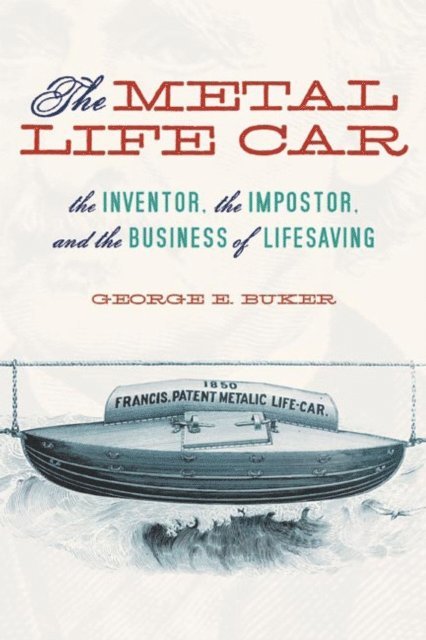
For centuries sailing vessels crept along the coastline, ready to flee ashore in case of danger or trouble; this worked well until weather or poor sailing drove these ships against an unforgiving coast. Saviors and salvors (often the same people) struggled to rescue both humans and cargo, often with results as tragic for them as for the sailors and passengers. Joseph Francis (b. Boston, Massachusetts, 1801) was an inventor who also had the ability to organize a business to produce his inventions and the salesmanship to sell his products. His metal lifeboats, first used in survey expeditions in Asia Minor and Central America, came into demand among the world’s merchant marine, the U.S. Navy, and the U.S. Revenue Service. His corrugated “life car” was the keystone to development of the U.S. Life-Saving Service. Francis’s metal bateaux and lifeboats played an important role in the Third Seminole War in Florida. His metal pontoon army wagons served in the trans-Mississippi campaigns against the Indians. In Europe, he was acclaimed as a genius and sold patent rights to shipyards in Liverpool and the Woolwich Arsenal in England, Le Havre seaport in France, in the free city of Hamburg, and in the Russian Empire. But while Francis was busy in Europe, Captain Douglass Ottinger, U.S. Revenue Marine Service, claimed to be the inventor of Francis’s life car and obtained support in the U.S. Congress and the Patent Office for his claim. Francis had to battle for decades to prove his rights, and Americans remained generally unfamiliar with his devices, thereby condemning Civil War armies to inferior copies while Europe was using, and acclaiming, his inventions.
E-bok
Engelska, 2015548 kr
Läs direkt efter köp
Chronicles the role of the East Gulf Blockading Squadron as an important Federal contingent in Florida
Häftad, Engelska, 2015
220 kr
Skickas inom 5-8 vardagar
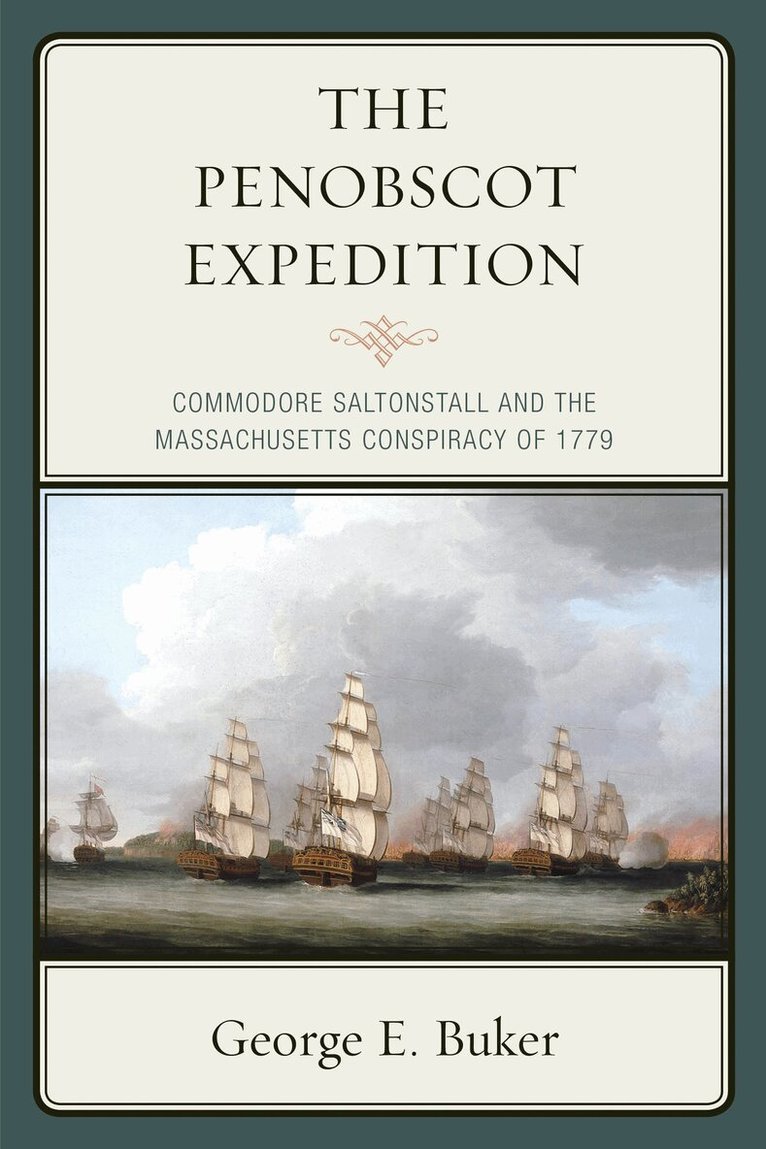
In 1779 the fledgling U.S. naval fleet suffered a catastrophic defeat against the British in the waters of the Penobscot Bay, losing forty ships in a battle that was expected to be a sure victory for the Americans. Commodore Dudley Saltonstall was blamed for the debacle and ultimately court-martialed for his ineptitude. In this groundbreaking book George E. Buker defends Saltonstall providing compelling evidence that he was not to blame for the loss and that in fact the court-martial was rigged against him. Buker’s conclusions foster a reassessment of Saltonstall’s naval strategies and shed new light on the political maneuvers of the time.
Häftad, Engelska, 2017
193 kr
Skickas inom 10-15 vardagar
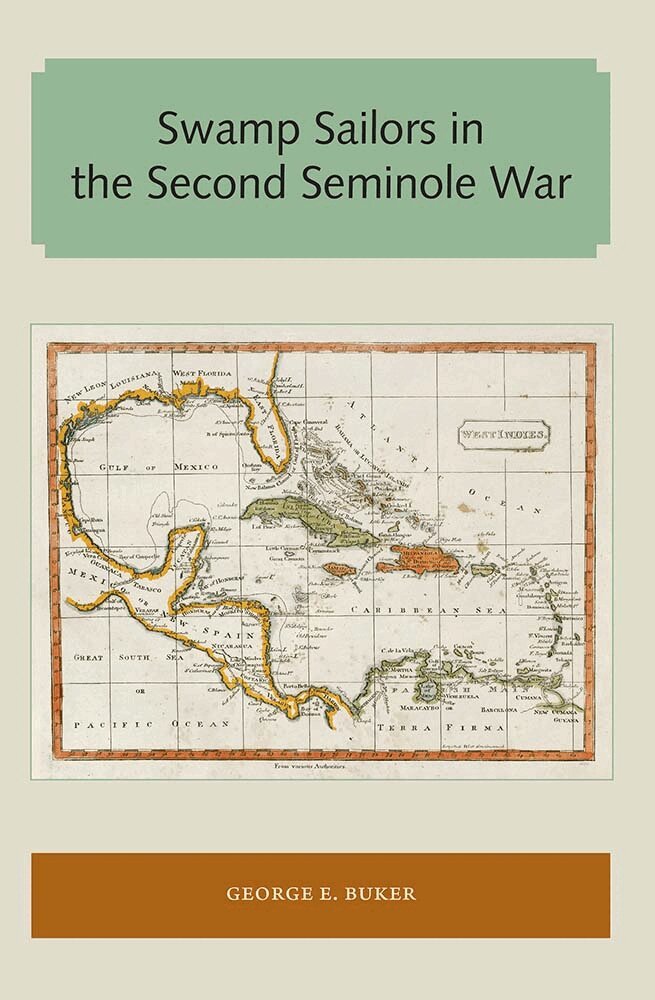
The books in the Florida and the Caribbean Open Books Series demonstrate the University Press of Florida’s long history of publishing Latin American and Caribbean studies titles that connect in and through Florida, highlighting the connections between the Sunshine State and its neighboring islands. Books in this series show how early explorers found and settled Florida and the Caribbean. They tell the tales of early pioneers, both foreign and domestic. They examine topics critical to the area such as travel, migration, economic opportunity, and tourism. They look at the growth of Florida and the Caribbean and the attendant pressures on the environment, culture, urban development, and the movement of peoples, both forced and voluntary. The Florida and the Caribbean Open Books Series gathers the rich data available in these architectural, archaeological, cultural, and historical works, as well as the travelogues and naturalists’ sketches of the area in prior to the twentieth century, making it accessible for scholars and the general public alike. The Florida and the Caribbean Open Books Series is made possible through a grant from the National Endowment for the Humanities and the Andrew W. Mellon Foundation, under the Humanities Open Books program.