George Giannakidis - Böcker
Visar alla böcker från författaren George Giannakidis. Handla med fri frakt och snabb leverans.
6 produkter
6 produkter
Del 64 - Lecture Notes in Energy
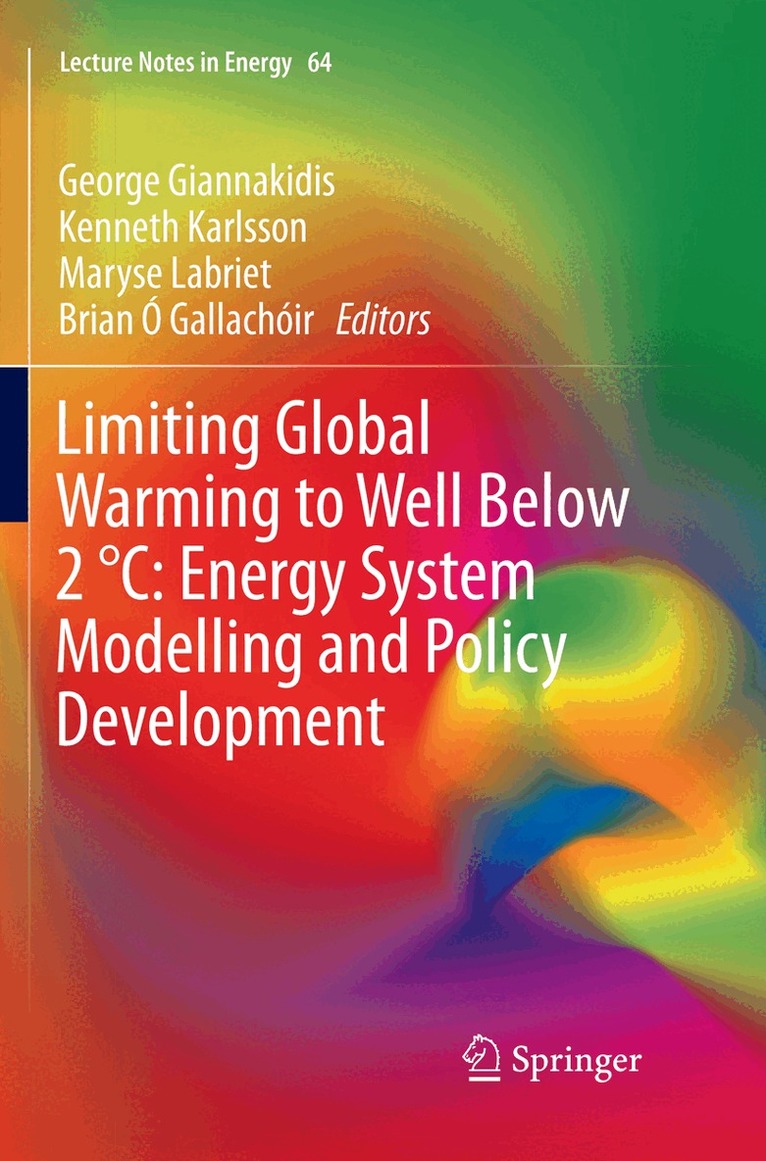
Limiting Global Warming to Well Below 2 °C: Energy System Modelling and Policy Development
Häftad, Engelska, 2018
1 064 kr
Skickas inom 10-15 vardagar
This book presents the energy system roadmaps necessary to limit global temperature increase to below 2°C, in order to avoid the catastrophic impacts of climate change. It provides a unique perspective on and critical understanding of the feasibility of a well-below-2°C world by exploring energy system pathways, technology innovations, behaviour change and the macro-economic impacts of achieving carbon neutrality by mid-century. The transformative changes in the energy transition are explored using energy systems models and scenario analyses that are applied to various cities, countries and at a global scale to offer scientific evidence to underpin complex policy decisions relating to climate change mitigation and interrelated issues like energy security and the energy–water nexus. It includes several chapters directly related to the Nationally Determined Contributions proposed in the context of the recent Paris Agreement on Climate Change. In summary, the book collates a range of concrete analyses at different scales from around the globe, revisiting the roles of countries, cities and local communities in pathways to significantly reduce greenhouse gas emissions and make a well-below-2°C world a reality. A valuable source of information for energy modellers in both the industry and public sectors, it provides a critical understanding of both the feasibility of roadmaps to achieve a well-below-2°C world, and the diversity and wide applications of energy systems models. Encompassing behaviour changes; technology innovations; macro-economic impacts; and other environmental challenges, such as water, it is also of interest to energy economists and engineers, as well as economic modellers working in the field of climate change mitigation.
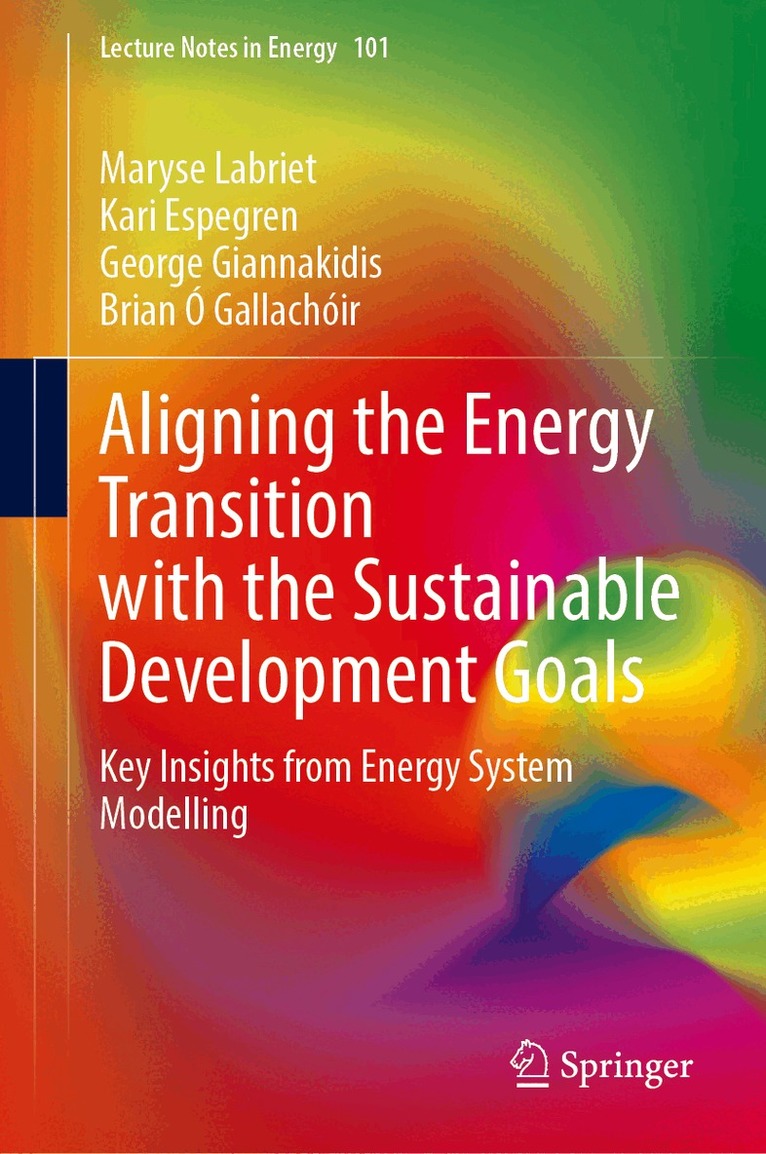
Aligning the Energy Transition with the Sustainable Development Goals
Key Insights from Energy System Modelling
Inbunden, Engelska, 2024
536 kr
Skickas inom 10-15 vardagar
This open access book brings together concrete analyses from around the world, spanning various scales, that shed light on strategies for implementing essential energy and climate transitions within the broader context of UN Sustainable Development Goal (SDG) imperatives. Specifically, the book exemplifies the advancement, adaptation, and utilization of energy systems models to address intricate policy issues around pathways to achieve net-zero emissions, enhance energy security, optimize investments, and understand their societal implications. It explores the intricate connections between the SDGs concerning energy, climate action, and other developmental priorities such as employment and economic growth, industrial innovation, urban development, responsible consumption and production, and collaborative partnerships. Organized into four sections, the book illustrates the necessary adjustments of energy system models to guide SDGs, evaluates the role of modeling to advance both renewable energy and energy security, and showcases how energy systems are harnessed to engage with international, national, and local policymakers.This book is available open access under a Creative Commons Attribution 4.0 International License via link.springer.com.
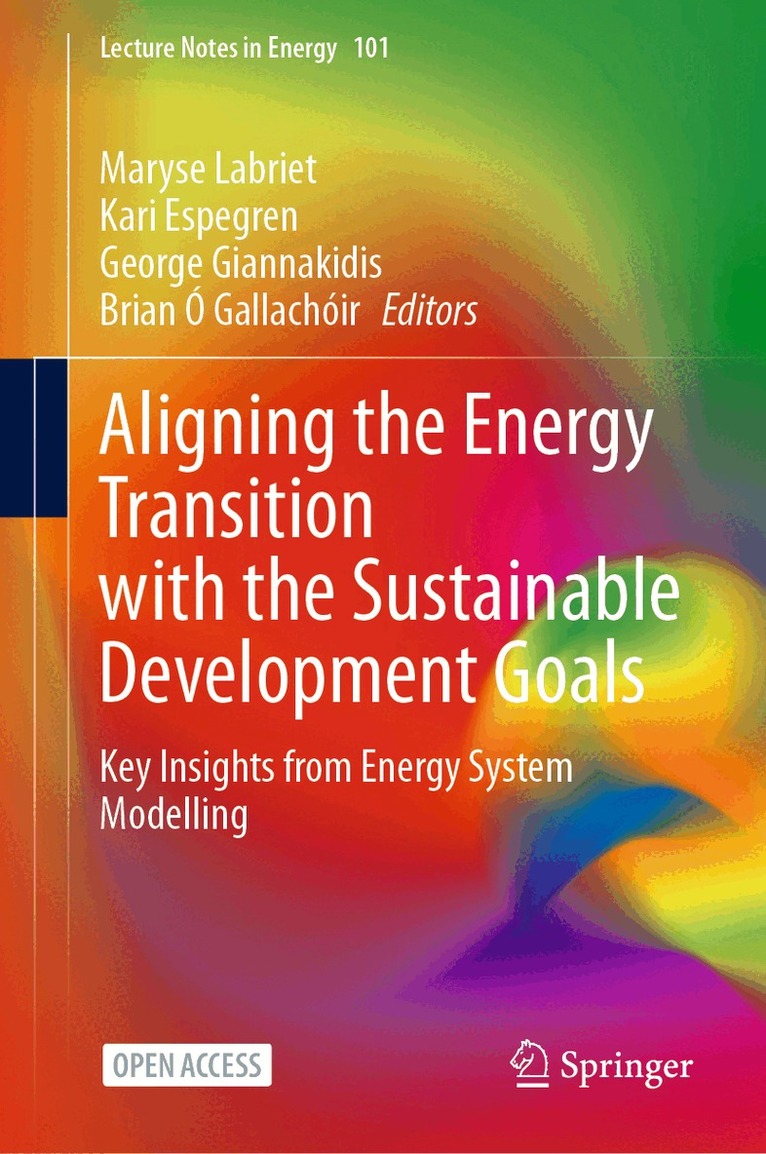
Aligning the Energy Transition with the Sustainable Development Goals
Key Insights from Energy System Modelling
Häftad, Engelska, 2025
430 kr
Skickas inom 10-15 vardagar
This open access book brings together concrete analyses from around the world, spanning various scales, that shed light on strategies for implementing essential energy and climate transitions within the broader context of UN Sustainable Development Goal (SDG) imperatives. Specifically, the book exemplifies the advancement, adaptation, and utilization of energy systems models to address intricate policy issues around pathways to achieve net-zero emissions, enhance energy security, optimize investments, and understand their societal implications. It explores the intricate connections between the SDGs concerning energy, climate action, and other developmental priorities such as employment and economic growth, industrial innovation, urban development, responsible consumption and production, and collaborative partnerships. Organized into four sections, the book illustrates the necessary adjustments of energy system models to guide SDGs, evaluates the role of modeling to advance both renewable energy and energy security, and showcases how energy systems are harnessed to engage with international, national, and local policymakers.This book is available open access under a Creative Commons Attribution 4.0 International License via link.springer.com.
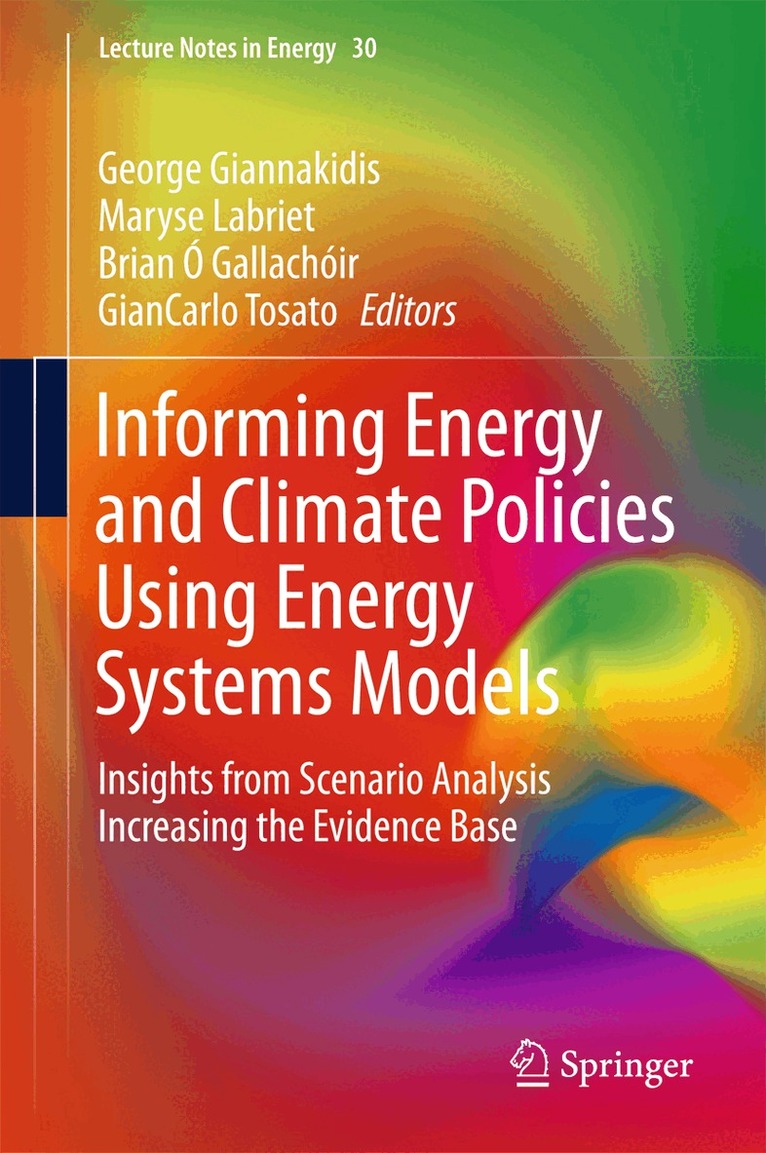
Informing Energy and Climate Policies Using Energy Systems Models
Insights from Scenario Analysis Increasing the Evidence Base
Inbunden, Engelska, 2015
1 578 kr
Skickas inom 10-15 vardagar
This book highlights how energy-system models are used to underpin and support energy and climate mitigation policy decisions at national, multi-country and global levels. It brings together, for the first time in one volume, a range of methodological approaches and case studies of good modeling practice on a national and international scale from the IEA-ETSAP energy technology initiative. It provides insights for the reader into the rich and varied applications of energy-system models and the underlying methodologies and policy questions they can address. The book demonstrates how these models are used to answer complex policy questions, including those relating to energy security, climate change mitigation and the optimal allocation of energy resources. It will appeal to energy engineers and technology specialists looking for a rationale for innovation in the field of energy technologies and insights into their evolving costs and benefits. Energy economists will gain an understanding of the key future role of energy technologies and policy makers will learn how energy-system modeling teams can provide unique perspectives on national energy and environment challenges. The book is carefully structured into three parts which focus on i) policy decisions that have been underpinned by energy-system models, ii) specific aspects of supply and end-use sector modeling, including technology learning and behavior and iii) how additional insights can be gained from linking energy-system models with other models. The chapters elucidate key methodological features backed up with concrete applications. The book demonstrates the high degree of flexibility of the modeling tools used to represent extremely different energy systems, from national to global levels.
Informing Energy and Climate Policies Using Energy Systems Models
Insights from Scenario Analysis Increasing the Evidence Base
Häftad, Engelska, 2016
1 578 kr
Skickas inom 10-15 vardagar
This book highlights how energy-system models are used to underpin and support energy and climate mitigation policy decisions at national, multi-country and global levels. It brings together, for the first time in one volume, a range of methodological approaches and case studies of good modeling practice on a national and international scale from the IEA-ETSAP energy technology initiative. It provides insights for the reader into the rich and varied applications of energy-system models and the underlying methodologies and policy questions they can address. The book demonstrates how these models are used to answer complex policy questions, including those relating to energy security, climate change mitigation and the optimal allocation of energy resources. It will appeal to energy engineers and technology specialists looking for a rationale for innovation in the field of energy technologies and insights into their evolving costs and benefits. Energy economists will gain an understanding of the key future role of energy technologies and policy makers will learn how energy-system modeling teams can provide unique perspectives on national energy and environment challenges. The book is carefully structured into three parts which focus on i) policy decisions that have been underpinned by energy-system models, ii) specific aspects of supply and end-use sector modeling, including technology learning and behavior and iii) how additional insights can be gained from linking energy-system models with other models. The chapters elucidate key methodological features backed up with concrete applications. The book demonstrates the high degree of flexibility of the modeling tools used to represent extremely different energy systems, from national to global levels.
Del 64 - Lecture Notes in Energy
Limiting Global Warming to Well Below 2 °C: Energy System Modelling and Policy Development
Inbunden, Engelska, 2018
1 473 kr
Skickas inom 10-15 vardagar
This book presents the energy system roadmaps necessary to limit global temperature increase to below 2°C, in order to avoid the catastrophic impacts of climate change. It provides a unique perspective on and critical understanding of the feasibility of a well-below-2°C world by exploring energy system pathways, technology innovations, behaviour change and the macro-economic impacts of achieving carbon neutrality by mid-century. The transformative changes in the energy transition are explored using energy systems models and scenario analyses that are applied to various cities, countries and at a global scale to offer scientific evidence to underpin complex policy decisions relating to climate change mitigation and interrelated issues like energy security and the energy–water nexus. It includes several chapters directly related to the Nationally Determined Contributions proposed in the context of the recent Paris Agreement on Climate Change. In summary, the book collates a range of concrete analyses at different scales from around the globe, revisiting the roles of countries, cities and local communities in pathways to significantly reduce greenhouse gas emissions and make a well-below-2°C world a reality. A valuable source of information for energy modellers in both the industry and public sectors, it provides a critical understanding of both the feasibility of roadmaps to achieve a well-below-2°C world, and the diversity and wide applications of energy systems models. Encompassing behaviour changes; technology innovations; macro-economic impacts; and other environmental challenges, such as water, it is also of interest to energy economists and engineers, as well as economic modellers working in the field of climate change mitigation.