George Kassimeris – författare
Visar alla böcker från författaren George Kassimeris. Handla med fri frakt och snabb leverans.
12 produkter
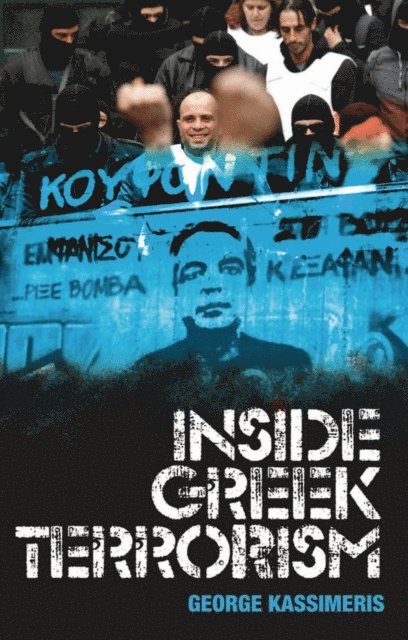
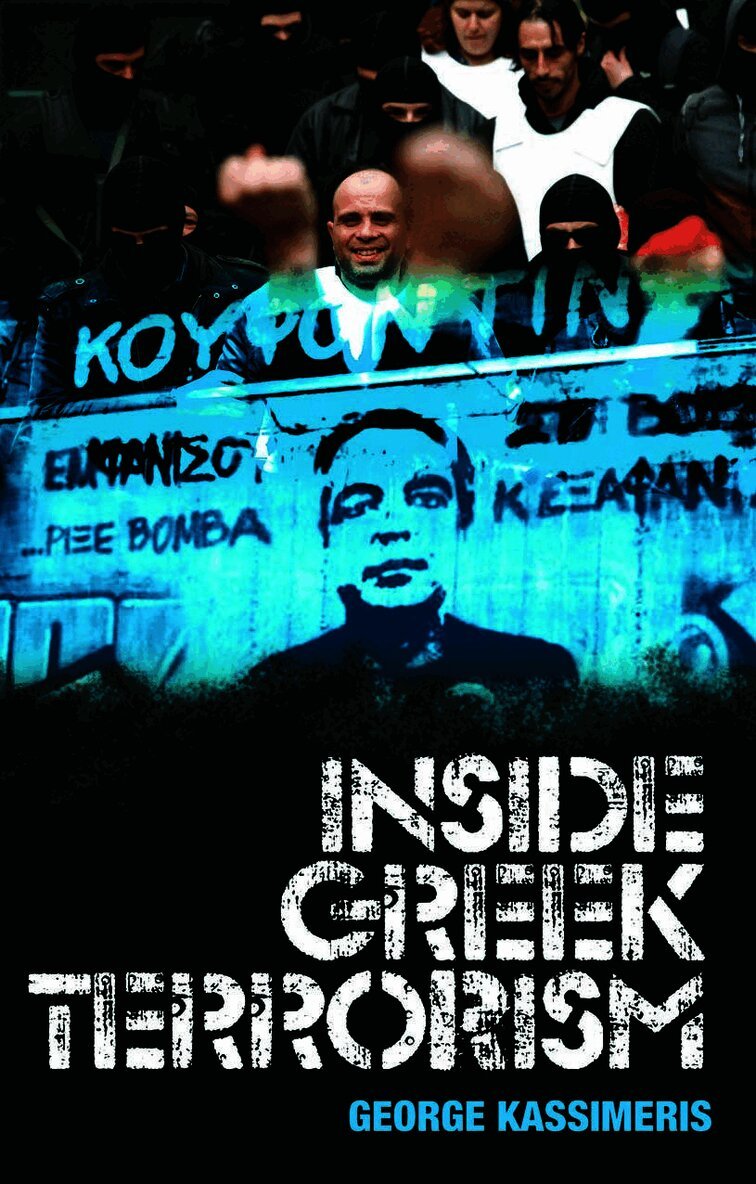
Inside Greek Terrorism
E-bok, 2013
229 kr
Lägg i varukorg
The long story of Greek terrorism was meant to have ended in the summer of 2002 with the collapse of the country''s premier terrorist organisation and one of Europe''s longest-running gangs, the notorious 17 November group (17N). However, rather than demoralising and emasculating the country''s …
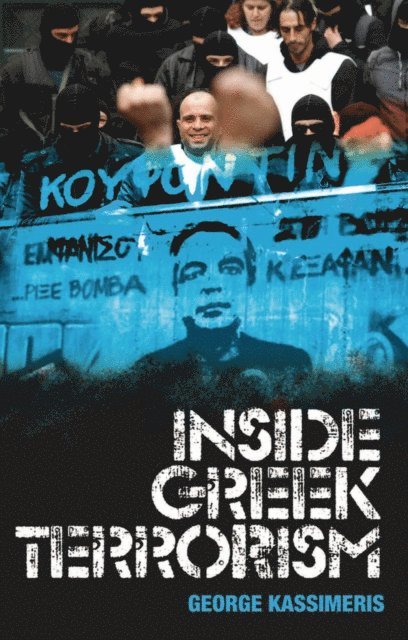
Inside Greek Terrorism
E-bok, 2013
224 kr
Lägg i varukorg
The long story of Greek terrorism was meant to have ended in the summer of 2002 with the collapse of the country''s premier terrorist organisation and one of Europe''s longest-running gangs, the notorious 17 November group (17N). However, rather than demoralising and emasculating the country''s …
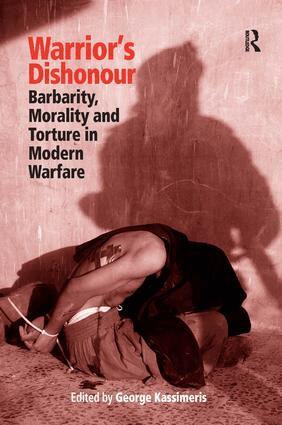
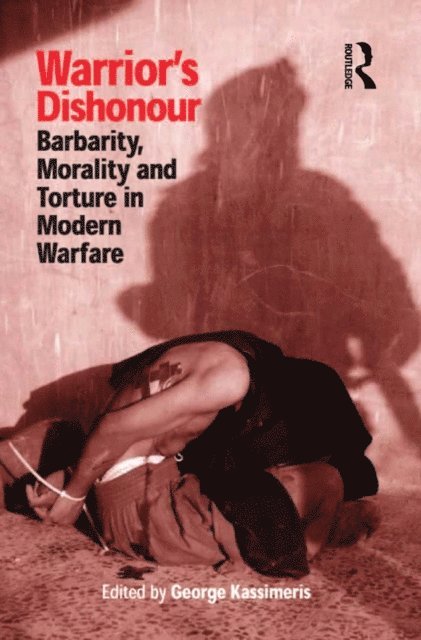
Warrior's Dishonour
Barbarity, Morality and Torture in Modern Warfare
Inbunden, 2006
1400 kr
Lägg i varukorg
The characteristic act of men at war is not killing. It is killing by committing shocking and unspeakable atrocities, when circumstances permit. What drives ordinary people into hatred, genocide, inhumanity and evil? What turns friends and neighbours against each other with such savagery? Where …
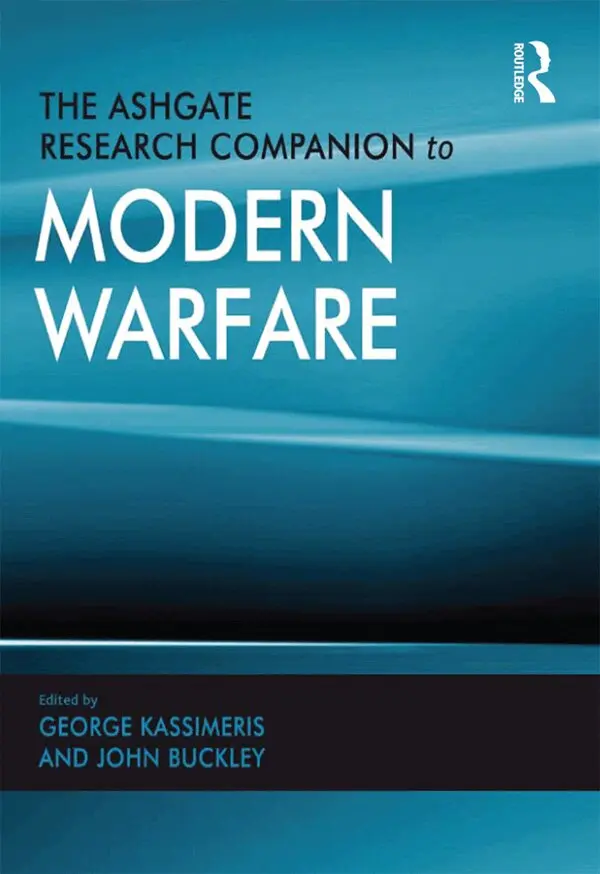
Ashgate Research Companion to Modern Warfare
Av John Buckley, George Kassimeris
Inbunden, 2010
3487 kr
Lägg i varukorg
This research collection provides a comprehensive study of important strategic, cultural, ethical and philosophical aspects of modern warfare. It offers a refreshing analysis of key issues in modern warfare, not only in terms of the conduct of war and the wider complexities and ramifications of …
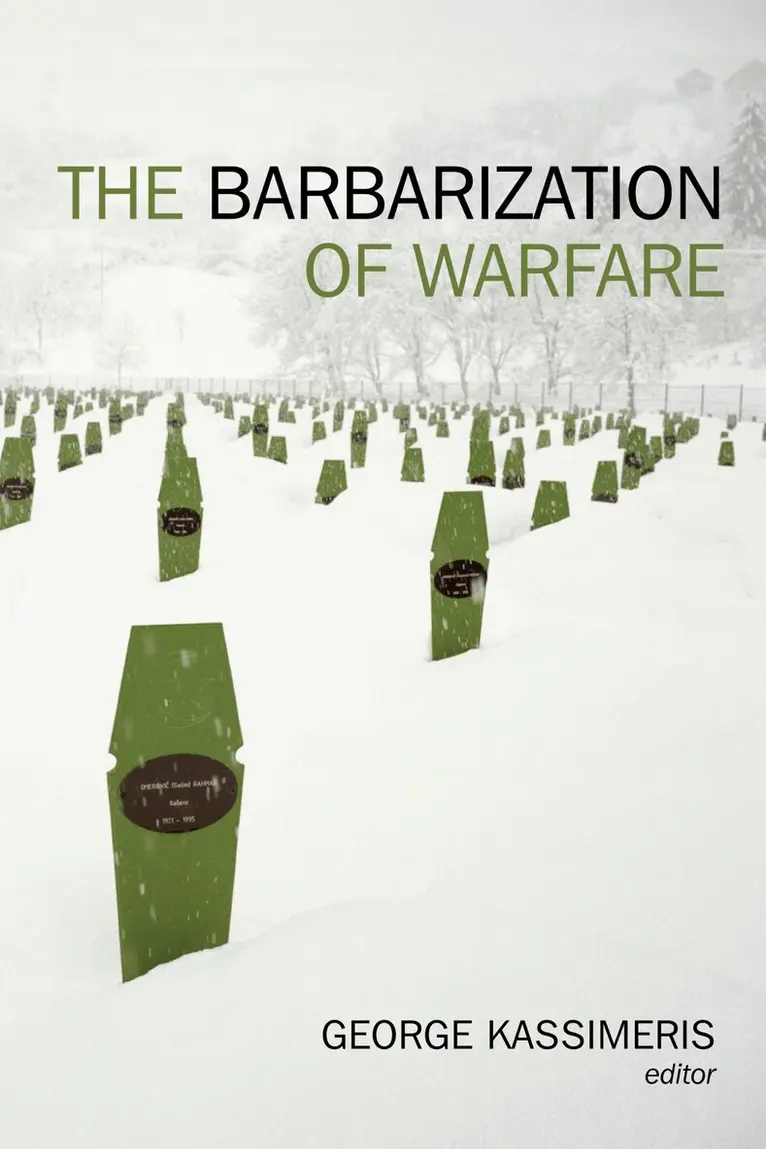
Barbarization of Warfare
Inbunden, 2006
996 kr
Lägg i varukorg
The images from Abu Ghraib prison in Baghdad have been a grim reminder of warfare's undiminished capacity for brutality and indiscriminate excess. What happened in Abu Ghraib has happened before: the World War II, and more recent wars and insurgencies in Algeria, Congo, Angola, Vietnam, Bosnia, …
Barbarization of Warfare
Häftad, 2006
383 kr
Lägg i varukorg
The images from Abu Ghraib prison in Baghdad have been a grim reminder of warfare's undiminished capacity for brutality and indiscriminate excess. What happened in Abu Ghraib has happened before: the World War II, and more recent wars and insurgencies in Algeria, Congo, Angola, Vietnam, Bosnia, …
Warrior's Dishonour
Barbarity, Morality and Torture in Modern Warfare
E-bok, 2016
1030 kr
Lägg i varukorg
The characteristic act of men at war is not killing. It is killing by committing shocking and unspeakable atrocities, when circumstances permit. What drives ordinary people into hatred, genocide, inhumanity and evil? What turns friends and neighbours against each other with such savagery? Where …
Warrior's Dishonour
Barbarity, Morality and Torture in Modern Warfare
E-bok, 2016
1052 kr
Lägg i varukorg
The characteristic act of men at war is not killing. It is killing by committing shocking and unspeakable atrocities, when circumstances permit. What drives ordinary people into hatred, genocide, inhumanity and evil? What turns friends and neighbours against each other with such savagery? Where …
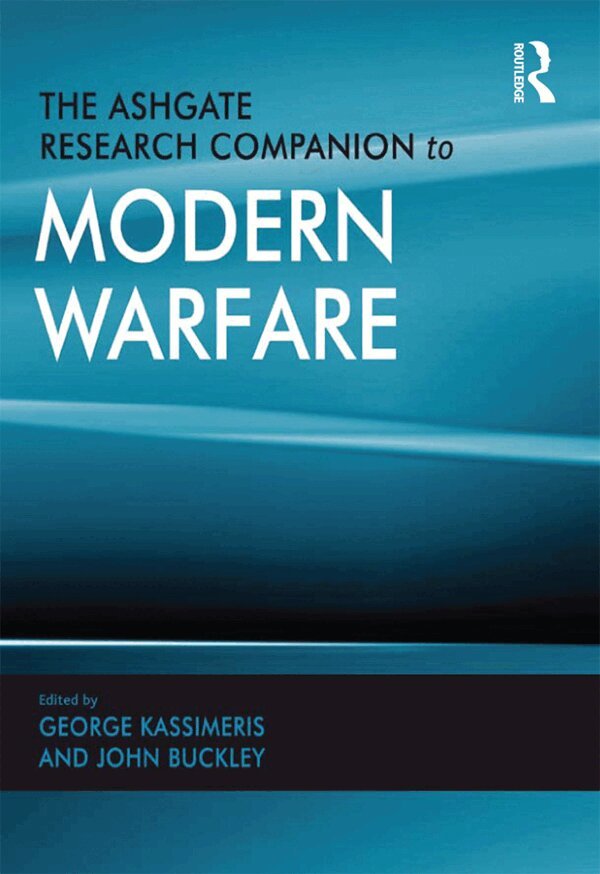
Ashgate Research Companion to Modern Warfare
Av John Buckley, George Kassimeris
E-bok, 2016
981 kr
Lägg i varukorg
This research collection provides a comprehensive study of important strategic, cultural, ethical and philosophical aspects of modern warfare. It offers a refreshing analysis of key issues in modern warfare, not only in terms of the conduct of war and the wider complexities and ramifications of …
Ashgate Research Companion to Modern Warfare
Av John Buckley, George Kassimeris
E-bok, 2016
981 kr
Lägg i varukorg
This research collection provides a comprehensive study of important strategic, cultural, ethical and philosophical aspects of modern warfare. It offers a refreshing analysis of key issues in modern warfare, not only in terms of the conduct of war and the wider complexities and ramifications of …
Inside Greek Terrorism
Häftad, 2013
348 kr
Lägg i varukorg
The long story of Greek terrorism was meant to have ended in the summer of 2002 with the collapse of the country's premier terrorist organisation and one of Europe's longest-running gangs, the notorious 17 November group (17N). However, rather than demoralising and emasculating the country's armed …
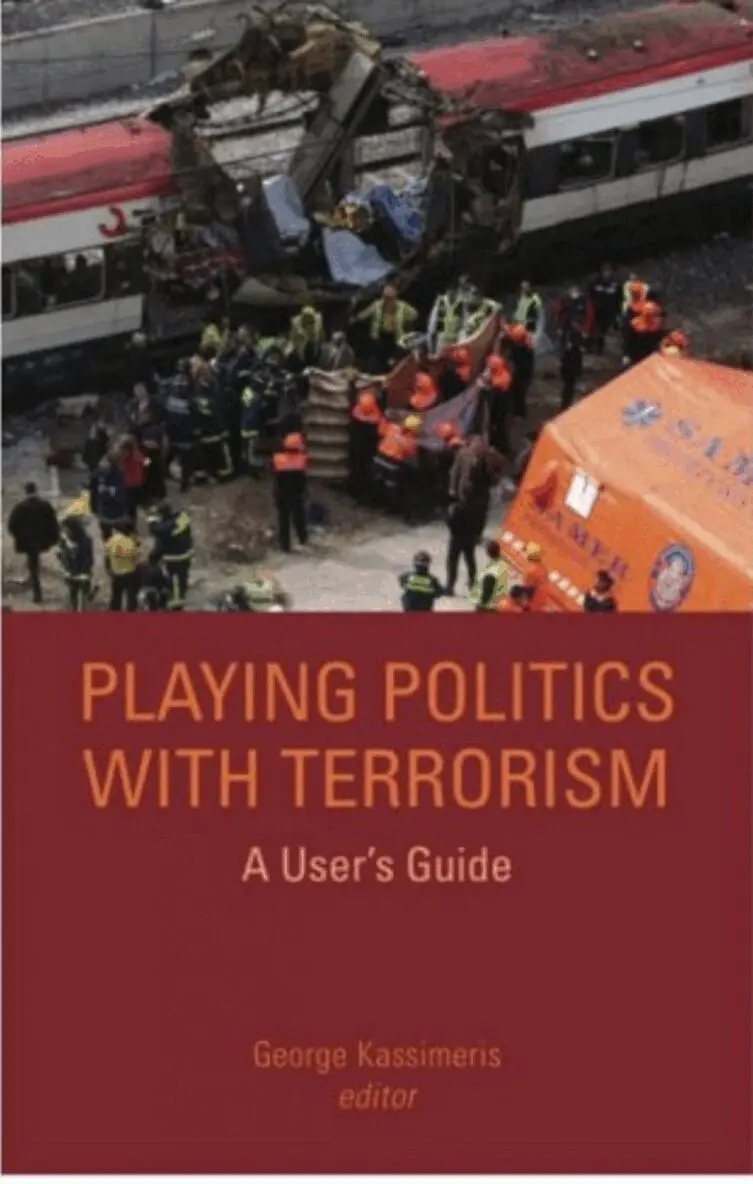
Playing Politics with Terrorism
A User's Guide
Av George Kassimeris, George Kassimeris
Häftad, 2007
245 kr
Lägg i varukorg
While governments are obliged to protect society and bring terrorists to justice, their effectiveness in tackling terrorism without undermining the support of the population for law and order or jeopardising basic liberties is paramount. In dealing with extremism, governments have found it …