George Lane - Böcker
Visar alla böcker från författaren George Lane. Handla med fri frakt och snabb leverans.
7 produkter
7 produkter
716 kr
Skickas inom 10-15 vardagar
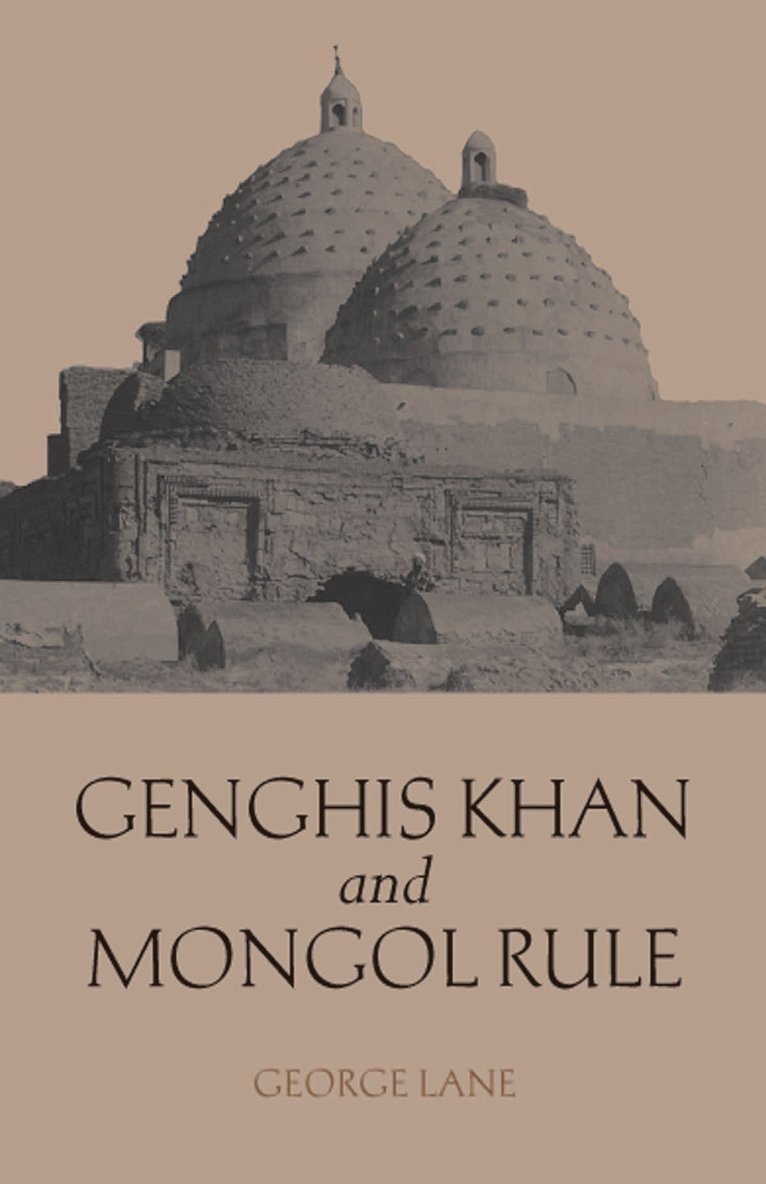
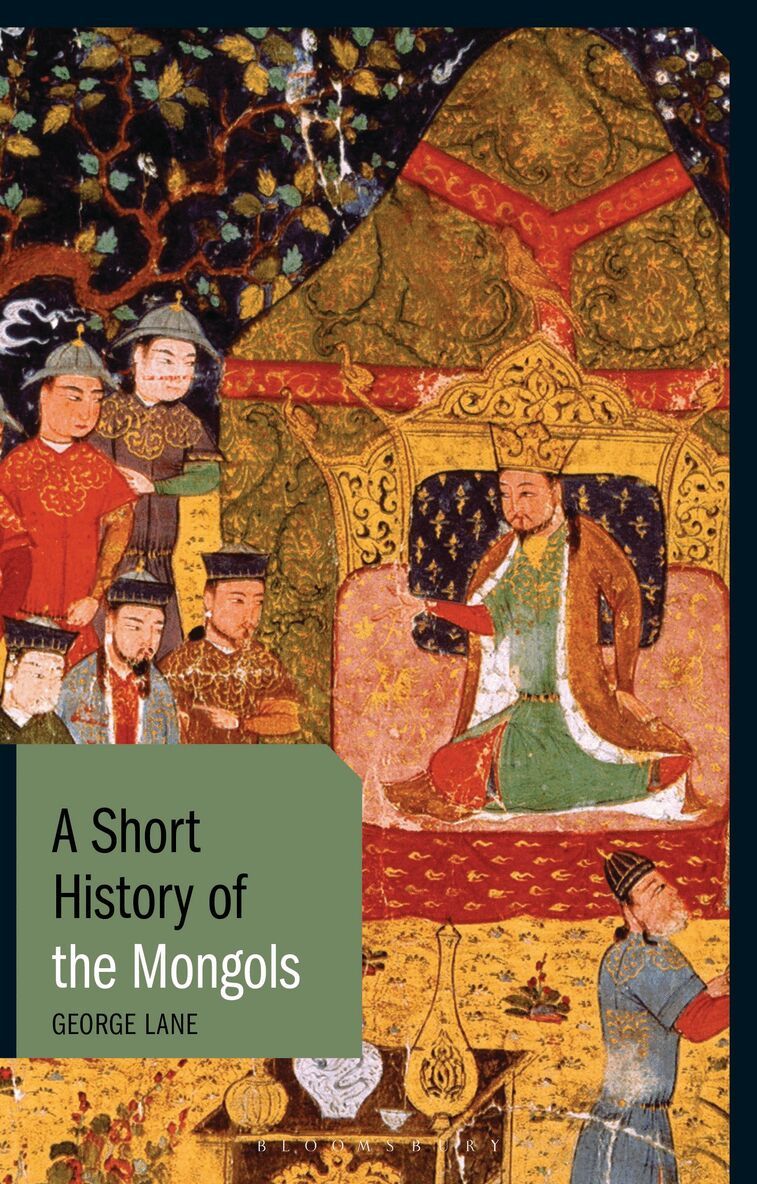
The Mongols are often associated with the arts of warfare and annals of horror, but a more realistic association would be their contribution to international trade and cultural exchange during the medieval age. Thematic chapters, biographical sketches, a glossary, maps, illustrations, and selected primary documents provide fresh insight on a regretfully underexamined period.The legacy of the Mongols has often been associated with their contributions to the arts of warfare and annals of horror. A more realistic association would be their contribution to international trade and cultural exchange. Spawning an empire ranging from Persia to China, Genghis Khan united a nomadic warrior culture that had lived with their agrarian neighbors through controlled and limited extortion. It was a society whose leaders waged successful war and increased the tribe's prosperity. But the Mongols also understood it would serve their purposes to maintain commerce and agriculture, and to cultivate the arts in order that the luxuries they coveted would be all the more readily available. It was to this end that, after the first decades of destruction and rampage, the Mongols' policy changed to one of cooption and governance. The Mongols became effective cultural brokers as they forced, urged, bribed and coerced the movement of artists and artisans, scientists and scholars around their empire.Thematic chapters provide an accessible overview of the Steppe people from which Genghis Khan emerged, and chronicle his ascent as the Great Khan, as he subdued enemies and then conquered lands to the east and west. Following are excellent overviews of the founding and cementing of Mongol rule in China—the Yuan Dynasty—and Persia, centered in Iran. A concluding chapter provides a fresh perspective of the Mongol empire and makes clear the relevance of this vast and influential period to the contemporary world. Useful endmatter for students and researchers includes sixteen biographical sketches of figures ranging from Yuan Dynasty founder Qubilai Khan to famed Italian merchant and traveler Marco Polo. A score of annotated primary documents provide immediate access to the issues of the period through the eyes of the people living through them. Five maps, an annotated timeline, a glossary and annotated bibliography and several illustrations round out this engaging and valuable resource.
833 kr
Skickas inom 10-15 vardagar
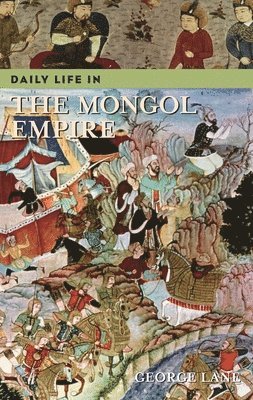
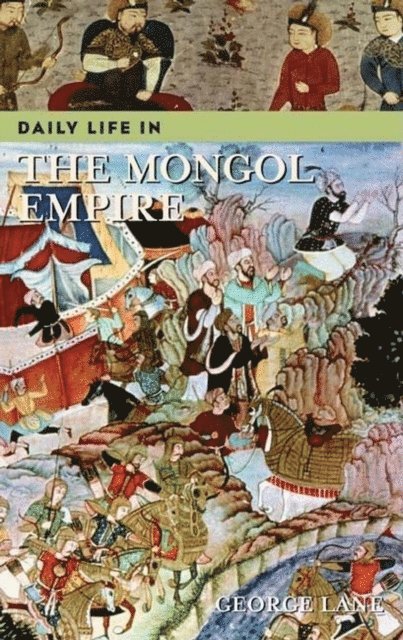
The Mongol Empire comes to life in this vivid account of the lives of ordinary people who lived under the rule of Ghengis Khan. The book allows the reader to enjoy traditional Mongol folktales and experience life in a yurt, the tent in which the nomadic Mongols lived. It explains why the Mongols had a reputation for being savage barbarians by describing their fur-lined clothes and their heavy, meat- and alcohol-based diet. It supplies first-hand accounts of fighting in Ghengis Khan's decimalized army, and explores the various tasks that were left up to the women, such as loading and unloading the wagons when traveling. High school students and undergraduates can compare and contrast religious beliefs and various laws of the Mongols with those of other cultures they are studying. From traditional medicinal treatments to the Great Yasa law system, readers young and old can enjoy this comprehensive, in-depth study of everyday living during the Mongol Empire.The Mongol Empire comes to life in this vivid account of the lives of ordinary people who lived under the rule of Ghengis Khan. The book allows the reader to enjoy traditional Mongol folktales and experience life in a yurt, the tent in which the nomadic Mongols lived. It explains why the Mongols had a reputation for being savage barbarians by describing their fur-lined clothes and their heavy, meat- and alcohol-based diet. It supplies first-hand accounts about fighting in Ghengis Khan's army and explores the various tasks that were left up to the women, such as loading and unloading the wagons when traveling. High school students and undergraduates can compare and contrast religious beliefs and various laws of the Mongols with those of other cultures they are studying. From traditional medicinal treatments to the Great Yasa law system, readers young and old can enjoy this comprehensive, in-depth study of everyday living during the Mongol Empire.In addition to general questions, Lane delves into specific situations of everyday living during the Mongol Empire. Questions such as How did the judicial system of the Mongol Empire work? and What spices were generally used in Mongol cooking? are answered in this extensive study. Subjects include: the structure of steppe society; clothes and hairstyles; the evolution of the nomadic life to one more permanent; the decimalization of the Mongol army; and the shaman's methods of healing sick patients. Other topics are: the Mongols' insatiable thirst for airag, an alcoholic beverage; Hu Szu-hui's royal cookbook; the liberal religious beliefs held by the Mongols; Ghengis Khan's strict law system; and the status of Mongol women. Passages from ancient texts and authors enhance this reference work, one that is essential to all school and public libraries.
358 kr
Skickas inom 10-15 vardagar
The polymath, Qutb al-Dīn Shīrāzī, operated at the heart of the Ilkhanate state (1258–1335) from its inception under Hulegu. He worked alongside the scientist and political adviser, Nasir al-Dīn Ṭūsī, who had the ear of the Ilkhans and all their chief ministers. The Mongols in Iran provides an annotated, paraphrased translation of a thirteenth-century historical chronicle penned, though not necessarily authored, by Quṭb al-Dīn Shīrāzī. This chronicle, a patchwork of anecdotes, detailed accounts, diary entries and observations, comprises the notes and drafts of a larger, unknown, and probably lost historical work. It is specific, factual, and devoid of the rhetorical hyperbole and verbal arabesques so beloved of other writers of the period. It outlines the early years of the Chinggisid empire, recounts the rule of Hulegu Khan and his son Abaqa, and finally, details the travails and ultimate demise and death of Abaqa’s brother and would be successor, Ahmad Tegudar. Shirazi paints the Mongol khans in a positive light and opens his chronicle with a portrait of Chinggis Khan in almost hallowed terms. Throwing new light on well-known personalities and events from the early Ilkhanate, this book will appeal to anyone studying the Mongol Empire, Medieaval History, and Persian Literature.
228 kr
Skickas inom 11-20 vardagar
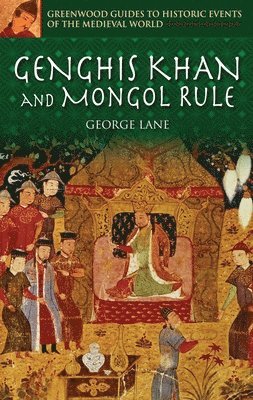
Spawning an empire ranging from Persia to China, Genghis Khan united a nomadic warrior culture that had lived with their agrarian neighbors through controlled and limited extortion. This accessible book provides an introduction to the history and culture of the Steppe people from which Genghis Khan emerged, and chronicles the events that led to his being named the Great Khan. Also included are sixteen biographical sketches, a wealth of annotated primary documents, five maps, an annotated timeline, a glossary, an annotated bibliography and several illustrations.
845 kr
Skickas inom 10-15 vardagar
The polymath, Qutb al-Dīn Shīrāzī, operated at the heart of the Ilkhanate state (1258–1335) from its inception under Hulegu. He worked alongside the scientist and political adviser, Nasir al-Dīn Ṭūsī, who had the ear of the Ilkhans and all their chief ministers. The Mongols in Iran provides an annotated, paraphrased translation of a thirteenth-century historical chronicle penned, though not necessarily authored, by Quṭb al-Dīn Shīrāzī. This chronicle, a patchwork of anecdotes, detailed accounts, diary entries and observations, comprises the notes and drafts of a larger, unknown, and probably lost historical work. It is specific, factual, and devoid of the rhetorical hyperbole and verbal arabesques so beloved of other writers of the period. It outlines the early years of the Chinggisid empire, recounts the rule of Hulegu Khan and his son Abaqa, and finally, details the travails and ultimate demise and death of Abaqa’s brother and would be successor, Ahmad Tegudar. Shirazi paints the Mongol khans in a positive light and opens his chronicle with a portrait of Chinggis Khan in almost hallowed terms. Throwing new light on well-known personalities and events from the early Ilkhanate, this book will appeal to anyone studying the Mongol Empire, Medieaval History, and Persian Literature.
221 kr
Skickas inom 10-15 vardagar
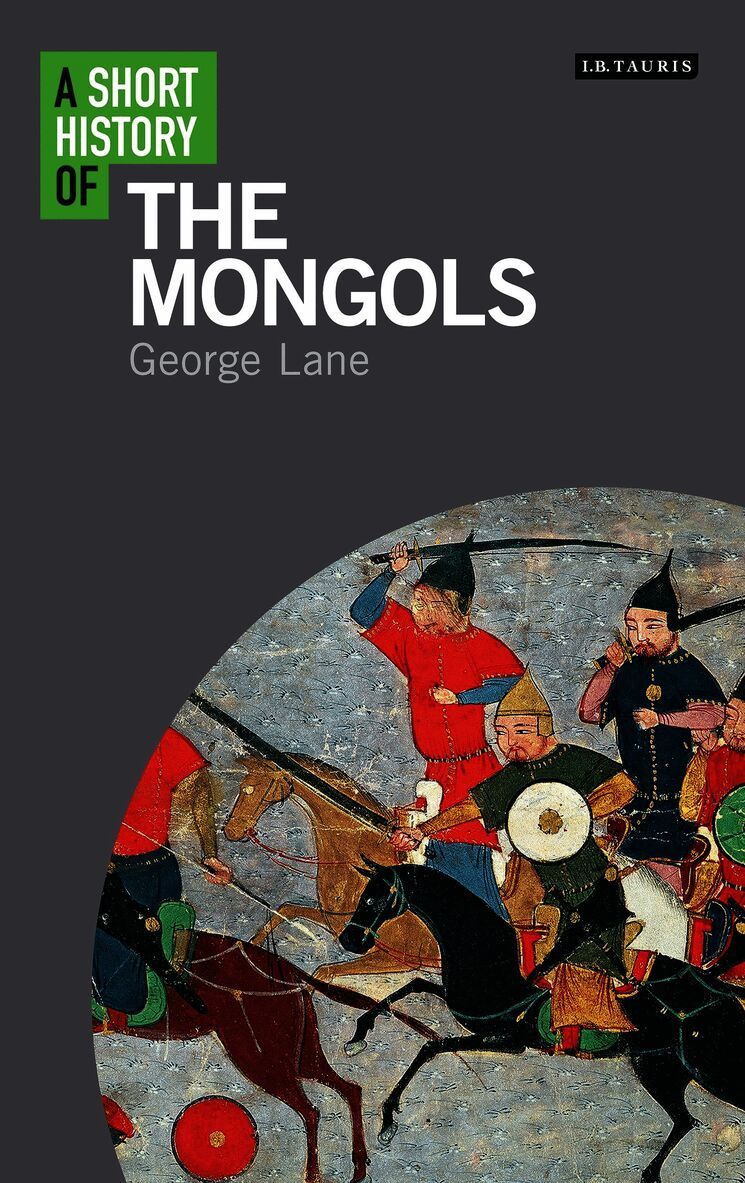
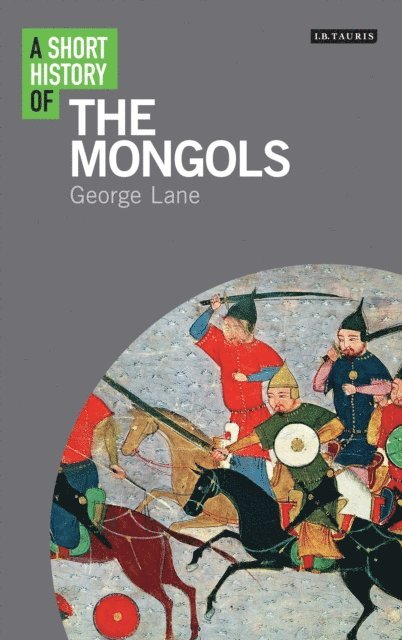
The Mongol Empire was the mightiest land empire the world has ever seen. At its height it was twice the size of its Roman equivalent. For a remarkable century and a half it commanded a population of 100 million people, while the rule of Chinggis (Genghis) Khan marched undefeated from the Pacific Ocean to the Caspian Sea. George Lane argues that the Mongols were not only subjugators who swept all before them but one of the great organising forces of world history. His book traces the rise of the Great Khan in 1206 to the dissolution of the empire in 1368 by the Ming Dynasty. He discusses the unification of the Turko-Mongol tribes under Chinggis' leadership; the establishment of a vigorous imperium whose Pax Mongolica held mastery over the Central Asian steppes; imaginative policies of religious pluralism; and the rich legacy of the Toluid Empire of Yuan China and Ilkhanate Iran. Offering a bold and sympathetic understanding of Mongol history, the author shows that commercial expansion, cultural assimilation and dynamic political growth were as crucial to Mongol success as desire for conquest.
1 343 kr
Skickas inom 10-15 vardagar
The Mongol Empire was the mightiest land empire the world has ever seen. At its height it was twice the size of its Roman equivalent. For a remarkable century and a half it commanded a population of 100 million people, while the rule of Chinggis (Genghis) Khan marched undefeated from the Pacific Ocean to the Caspian Sea. George Lane argues that the Mongols were not only subjugators who swept all before them but one of the great organising forces of world history. His book traces the rise of the Great Khan in 1206 to the dissolution of the empire in 1368 by the Ming Dynasty. He discusses the unification of the Turko-Mongol tribes under Chinggis' leadership; the establishment of a vigorous imperium whose Pax Mongolica held mastery over the Central Asian steppes; imaginative policies of religious pluralism; and the rich legacy of the Toluid Empire of Yuan China and Ilkhanate Iran. Offering a bold and sympathetic understanding of Mongol history, the author shows that commercial expansion, cultural assimilation and dynamic political growth were as crucial to Mongol success as desire for conquest.