George M. Thomas - Böcker
Visar alla böcker från författaren George M. Thomas. Handla med fri frakt och snabb leverans.
3 produkter
3 produkter
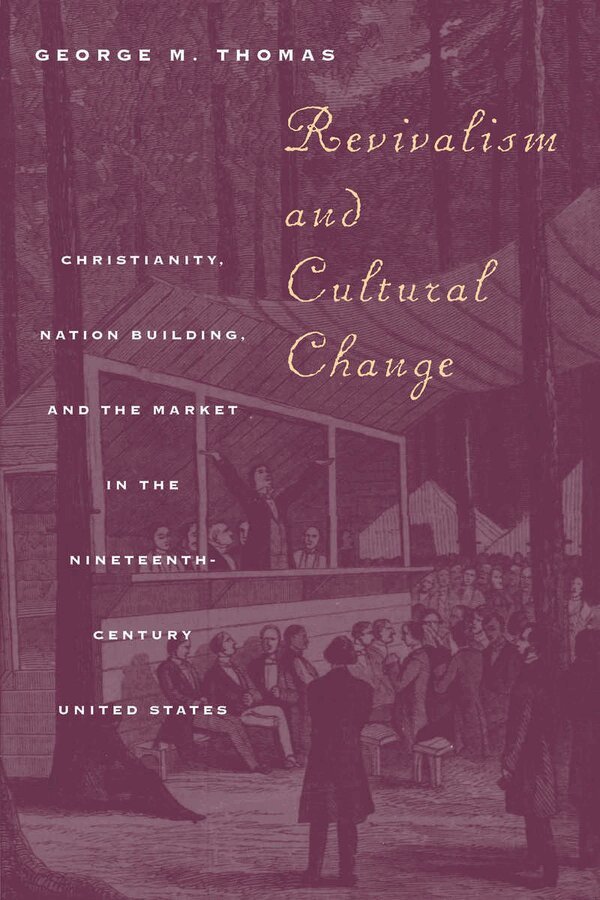
Revivalism and Cultural Change
Christianity, Nation Building, and the Market in the Nineteenth-Century United States
Inbunden, Engelska, 1989
786 kr
Skickas inom 7-10 vardagar
The history of Christianity in America has been marked by recurring periods of religious revivals or awakenings. In this book, George M. Thomas addresses the economic and political context of evangelical revivalism and its historical linkages with economic expansion and Republicanism in the nineteenth century. Thomas argues that large-scale change results in social movements that articulate new organizations and definitions of individual, society, authority, and cosmos. Drawing on religious newspapers, party policies and agendas, and quantitative analyses of voting patterns and census data, he claims that revivalism in this period framed the rules and identities of the expanding market economy and the national policy. "Subtle and complex...Fascinating."--Randolph Roth, Pennsylvania History "[Revivalism and Cultural Change] should be read with interest by those interested in religious movements as well as the connections among religion, economics, and politics."--Charles L. Harper, Contemporary Sociology "Readers old and new stand to gain much from Thomas's sophisticated study of the macrosociology of religion in the United States during the nineteenth century...He has given the sociology of religion its best quantitative study of revivalism since the close of the 1970s."--Journal for the Scientific Study of Religion
Revivalism and Cultural Change
Christianity, Nation Building, and the Market in the Nineteenth-Century United States
Häftad, Engelska, 1998
353 kr
Skickas inom 7-10 vardagar
The history of Christianity in America has been marked by recurring periods of religious revivals or awakenings. In this book, the author addresses the economic and political context of evangelical revivalism and its historical linkages with economic expansion and Republicanism in the 19th century. He argues that large-scale change results in social movements that articulate new organizations and definitions of individual, society, authority, and cosmos. Drawing on religious newspapers, party policies and agendas, and quantitative analyses of voting patterns and census data, Thomas claims that revivalism in this period framed the rules and identities of the expanding market economy and the national policy.
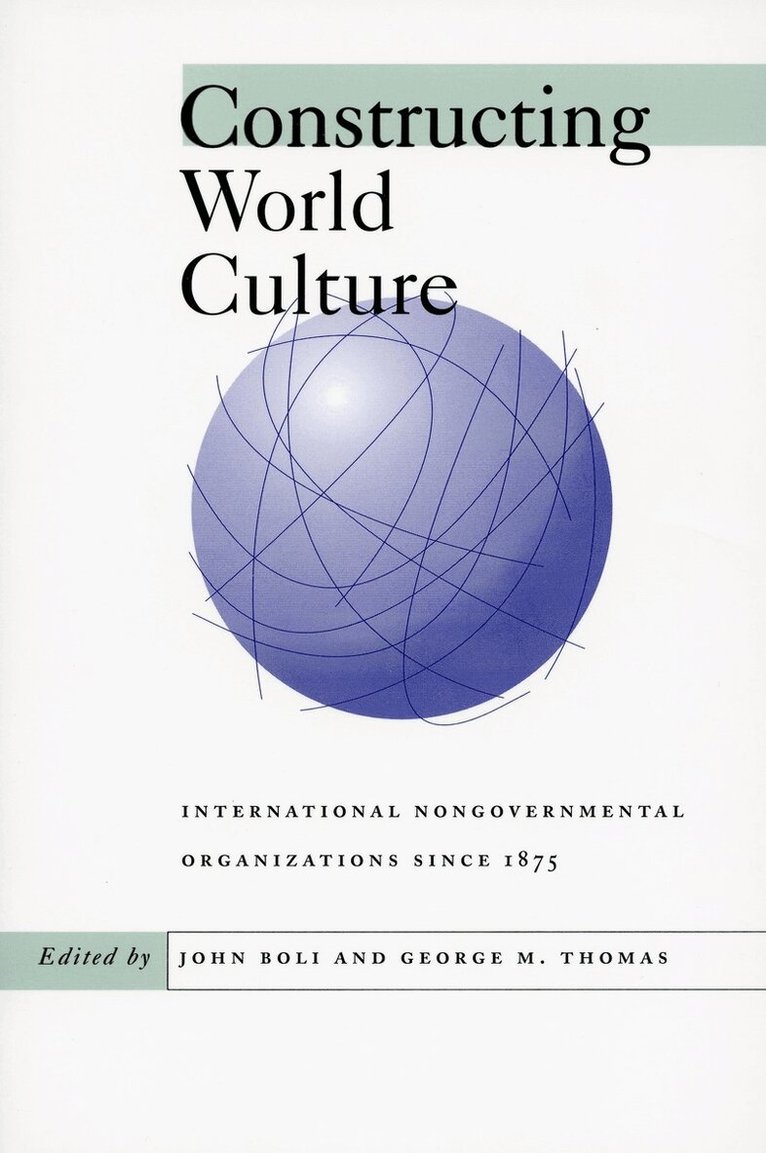
Constructing World Culture
International Nongovernmental Organizations Since 1875
Häftad, Engelska, 1999
467 kr
Skickas inom 7-10 vardagar
This book illuminates the central role played by international nongovernmental organizations (INGOs) in the emergence and development of a comprehensive world polity. The contributors argue that the enormous proliferation of INGOs since 1875—including international environmental organizations, human rights groups, bodies formed to regulate technical standards, and economic development organizations, among others—both reflects and contributes to the spread of global institutions and cultural principles based on models of rationality, individualism, progress, and universalism. The contributors contrast this world-polity perspective to other approaches to understanding globalization, including realist and neo-realist analyses in the field of international relations, and world-system theory and interstate competition theory in sociology.The volume considers transnational organizing as a historical process of the creation of global rules and norms, changing over time, that have identifiable effects on social organization at the national and local levels. The chapters provide empirical support for this approach, identifying specific mechanisms that translate global cultural assumptions and prescriptions into local social activity, such as the creation of state agencies, the formulation of government policies, and the emergence of social movements. The first part of the book deals with social movement INGOs, including environmental groups, women's rights organizations, the Esperanto movement, and the International Red Cross. The second part treats technical and economic bodies, including the International Organization for Standardization, population policy groups, development organizations, and international professional science associations.