George Melnyk - Böcker
Visar alla böcker från författaren George Melnyk. Handla med fri frakt och snabb leverans.
15 produkter
15 produkter
510 kr
Skickas inom 7-10 vardagar
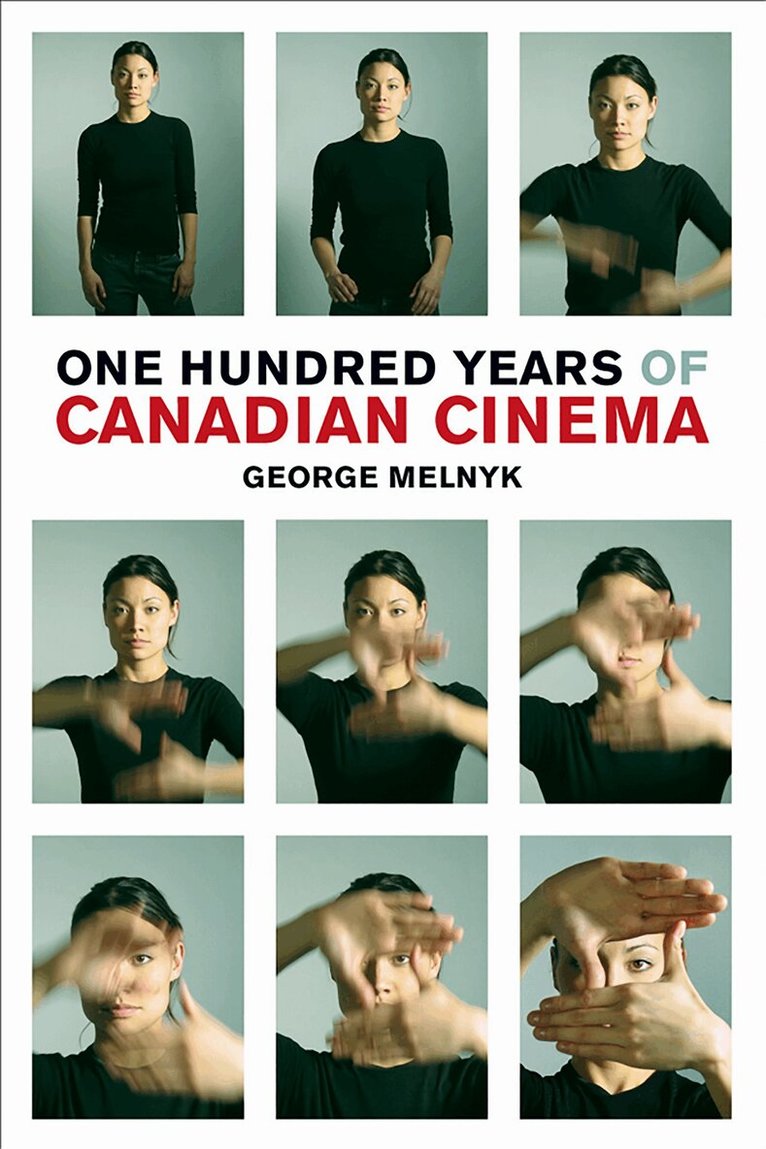
With its beginnings rooted in the languages and cultures of the French and English, Canadian cinema has, over time, become more representative, reflecting the interests and aspirations of Canada's many diverse communities and identities. In One Hundred Years of Canadian Cinema, George Melnyk offers a twenty-first-century perspective on a fascinating film tradition, the distinctness of which has attracted the attention of the global cinematic community.Melnyk's historical survey is comprehensive in its cinematic scope. He examines the achievement of dramatic, documentary, and experimental filmmaking from the earliest days until the present, giving due attention to the cinemas of Quebec and to the cultural, political, and theoretical trends that have shaped contemporary film in Canada. Following an interpretive approach, Melnyk explores the beginnings of a national cinema in the silent era at the end of the nineteenth century; the dynamics of the industry in the 1920s, which provide a model for the industry's overall development; the rise of the NFB; the birth of a successful feature-film industry in Quebec in the forties; the tax-shelter era of the seventies; Canada's achievements in animation; and the important contributions of key feature films and their directors in articulating insights into the cultural grammars found in Canadian society throughout the past century.Drawing on the insights of scholars, critics, and filmmakers to provide a coherent appraisal of the state of the film industry and Canada's cinematic art as it enters its second century, Melnyk weaves the history of English and French Canada together in an attempt to understand the achievements and, ultimately, the failures of a 'national cinema'. From Neighbours to Crash, Pour la suite du monde to Atanarjuat, and Goin' Down the Road to Maelström, Melnyk argues passionately that Canadian cinema has never been a singular entity, but has continued to speak in the languages and in the voices of Canada's diverse population. It is only through an ongoing and deepening exploration of diversity in Canadian film that its survival and evolution can be ensured.
326 kr
Skickas inom 11-20 vardagar
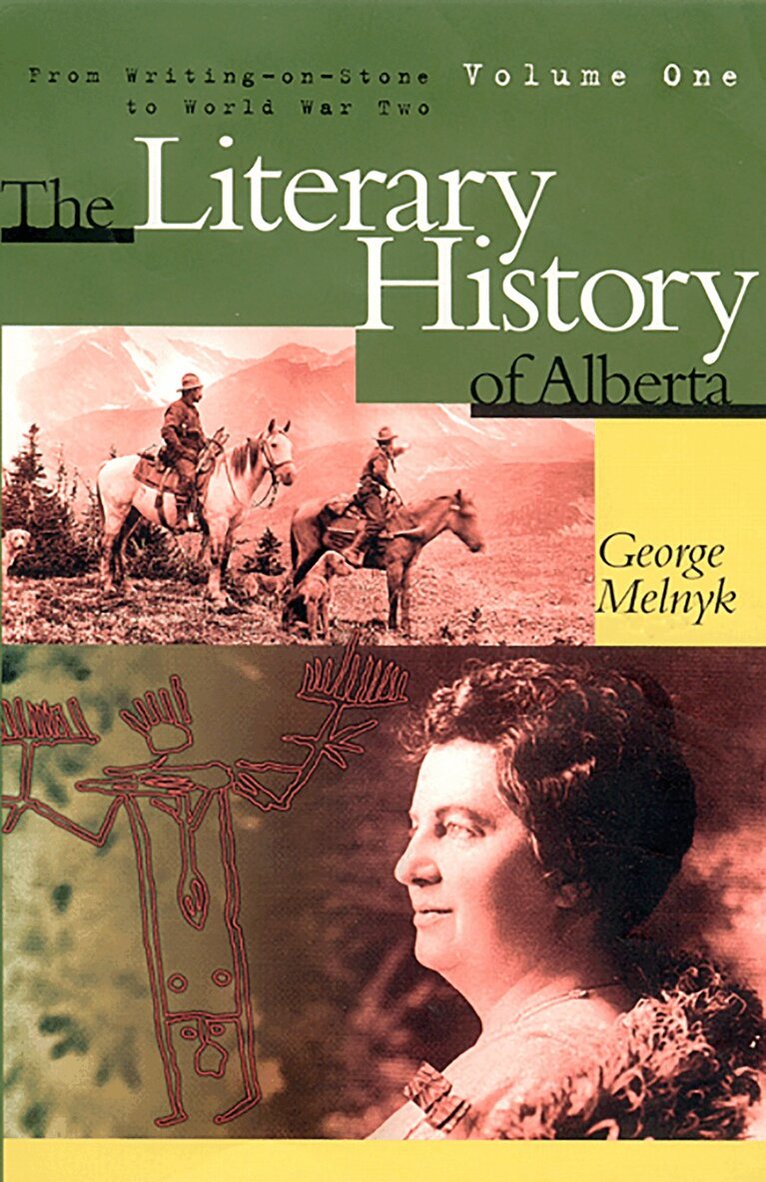
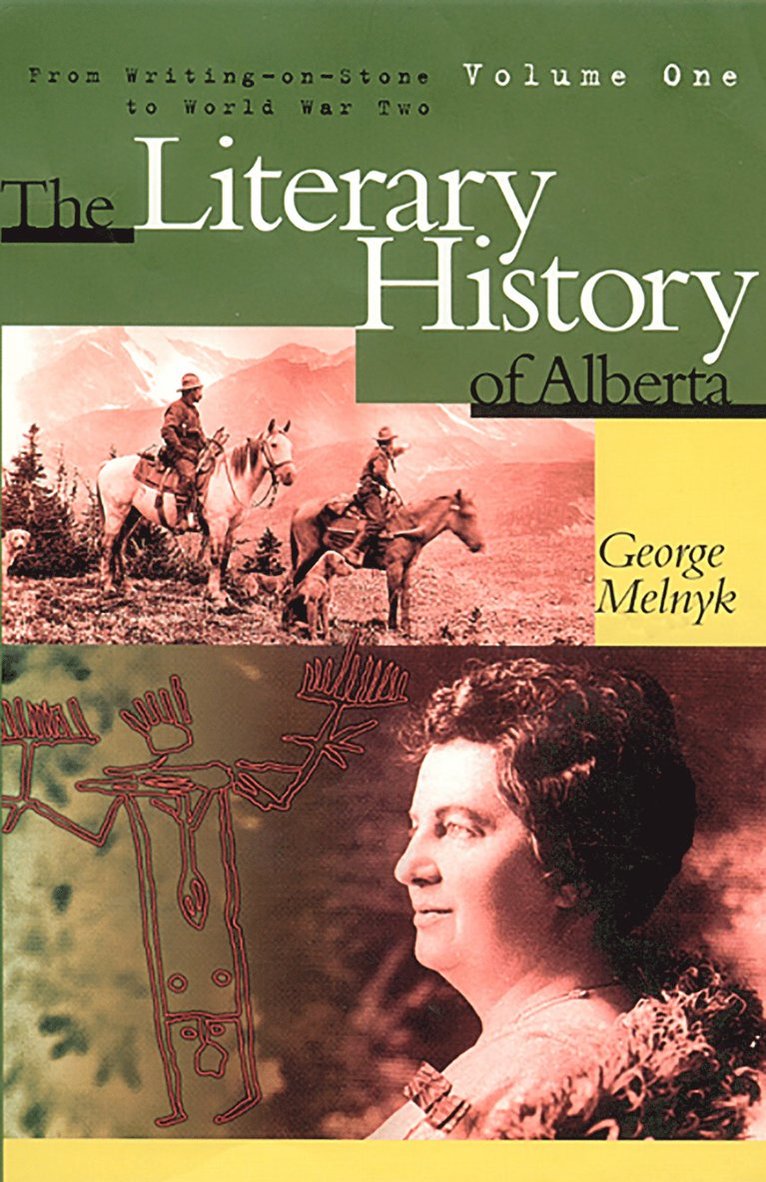
This long-awaited, landmark volume chronicles Alberta writing: the writers, their works, and their vigorous and changing landscape. A must for anyone interested in the cultural history of western Canada.
500 kr
Skickas inom 11-20 vardagar
Alberta's contradictory landscape has fired the imaginative energies of writers for centuries. The sweep of the plains, the thrust of the Rockies, and the long roll of the woodlands have left vivid impressions on all of Alberta's writers--both those who passed through Alberta in search of other horizons and those who made it their home. The Literary History of Alberta surveys writing in and about Alberta from prehistory to the middle of the twentieth century. It includes profiles of dozens of writers (from the earnestly intended to the truly gifted) and their texts (from the commercial to the arcane). It reminds us of long-forgotten names and faces, figures who quietly--or not so quietly--wrote the books that underpin Alberta's thriving literary culture today. Melnyk also discusses the institutions that have shaped Alberta's literary culture. The Literary History of Alberta is an essential text for any reader interested in the cultural history of western Canada, and a landmark achievement in Alberta's continuing literary history.
Literary History of Alberta Volume Two
From the End of the War to the End of the Century
Häftad, Engelska, 1999
355 kr
Skickas inom 11-20 vardagar
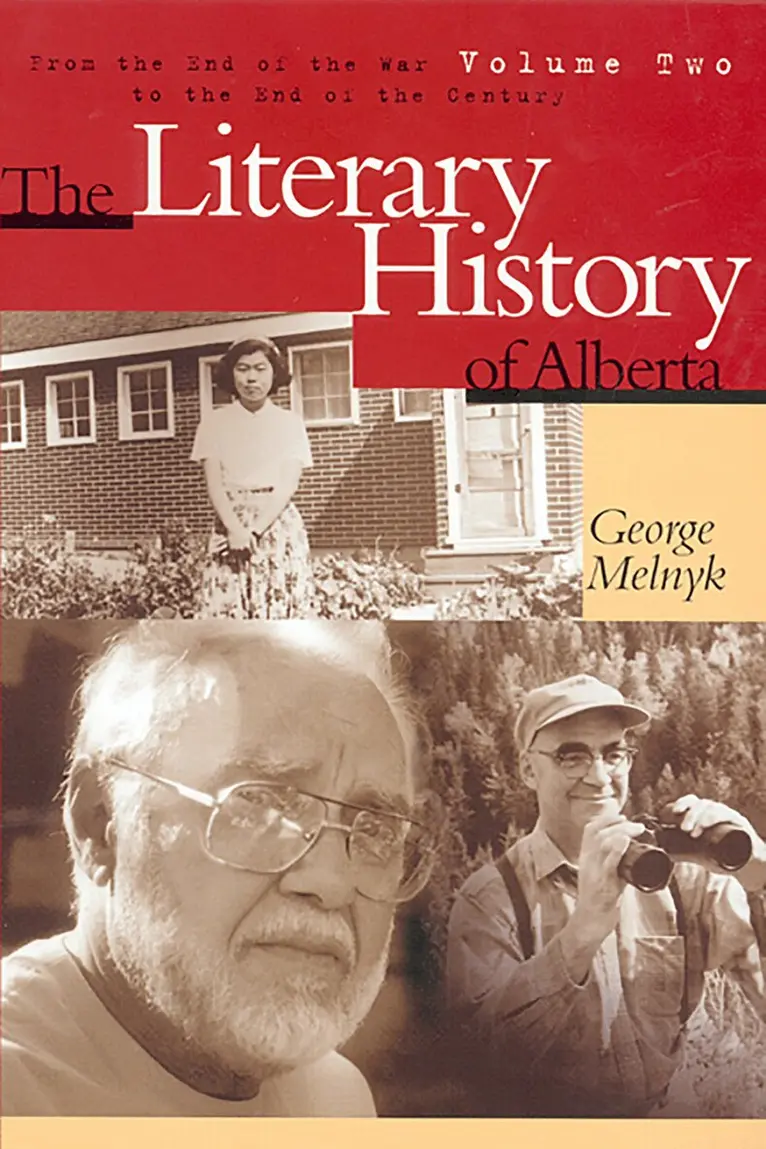
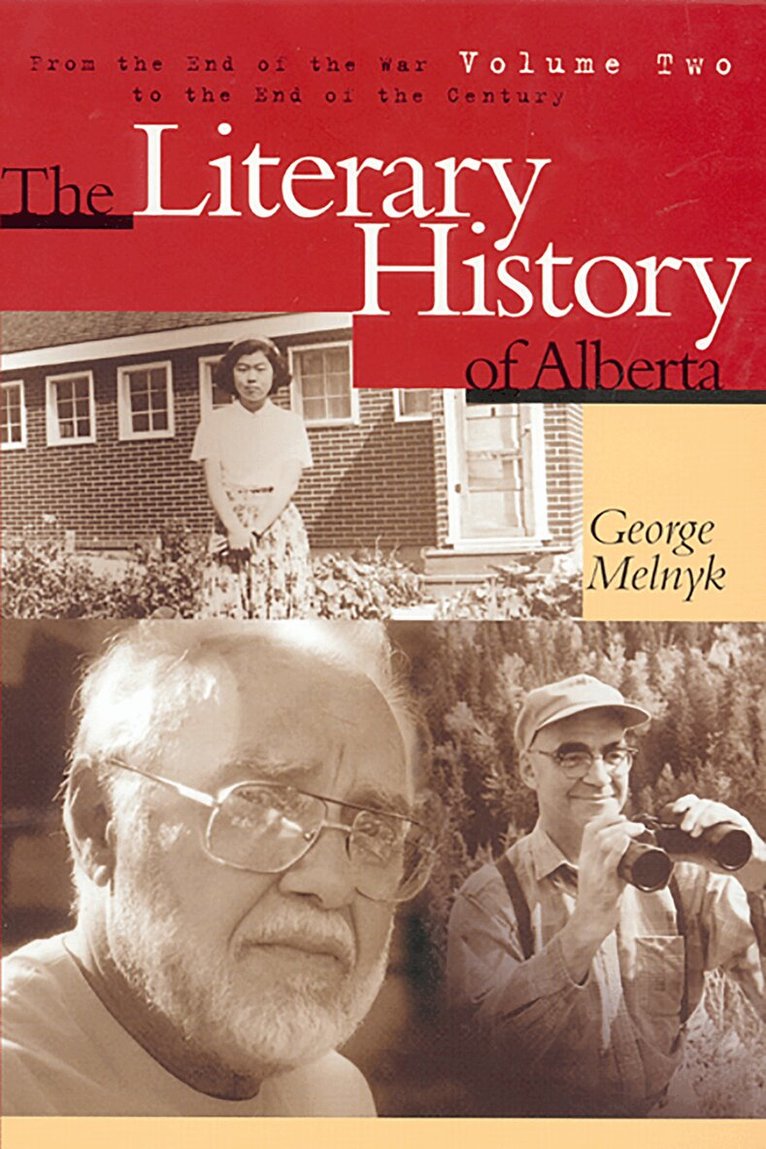
In this, the companion to the landmark volume The Literary History of Alberta, Volume One: From Writing-on-Stone to World War Two, George Melnyk examines Alberta literature in the second half of the twentieth century. At last, Melnyk argues, Alberta writers have found their voice--and their accomplishments have been remarkable. The contradictory landscape, the stereotypes of the Indian, the Mountie, and the Cowboy, and the language of the Other, speaking from the margins--these elements all left their impressions on the consciousness of early Alberta. But writers in the last few decades have turned this inheritance to their advantage, to create compelling stories about this place and its people. Today, Melnyk discovers, Alberta writers can appreciate not only this achievement, but also its essential source: the symbolic communication of Writing-on-Stone. The Literary History of Alberta, Volume Two extends the study of Alberta's cultural history to the present day. It is a vital text for anyone interested in Alberta's vibrant literary culture.
Literary History of Alberta Volume Two
From the End of the War to the End of the Century
Häftad, Engelska, 1999
500 kr
Skickas inom 11-20 vardagar
In this, the companion to the landmark volume The Literary History of Alberta, Volume One: From Writing-on-Stone to WorldWar Two, George Melnyk examines Alberta literature in the second half of the twentieth century. At last, Melnyk argues, Alberta writers have found their voice--and their accomplishments have been remarkable. The contradictory landscape, the stereotypes of the Indian, the Mountie, and the Cowboy, and the language of the Other, speaking from the margins--these elements all left their impressions on the consciousness of early Alberta. But writers in the last few decades have turned this inheritance to their advantage, to create compelling stories about this place and its people. Today, Melnyk discovers, Alberta writers can appreciate not only this achievement, but also its essential source: the symbolic communication of Writing-on-Stone. The Literary History of Alberta, Volume Two extends the study of Alberta's cultural history to the present day. It is a vital text for anyone interested in Alberta's vibrant literary culture.
408 kr
Skickas inom 11-20 vardagar
Great Canadian Film Directors is the first major study that reflects the cultural and linguistic diversity of Canada's most dynamic film directors. The 19 essays in this collection focus on each filmmaker's ability to create a vision that both reveals and redefines our national cultures. Together, these essays, by established and emerging scholars, highlight the diversity, imaginative power, and talent of Canadian filmmakers. This collection's value is in its contemporary analysis of major figures as well as critical discussions of the work of women directors and young filmmakers. Filmographies and selected bibliographies for each director provide film students and the movie-going public with an unrivalled study of a cinema that now garners world attention.
127 kr
Tillfälligt slut
433 kr
Skickas inom 10-15 vardagar
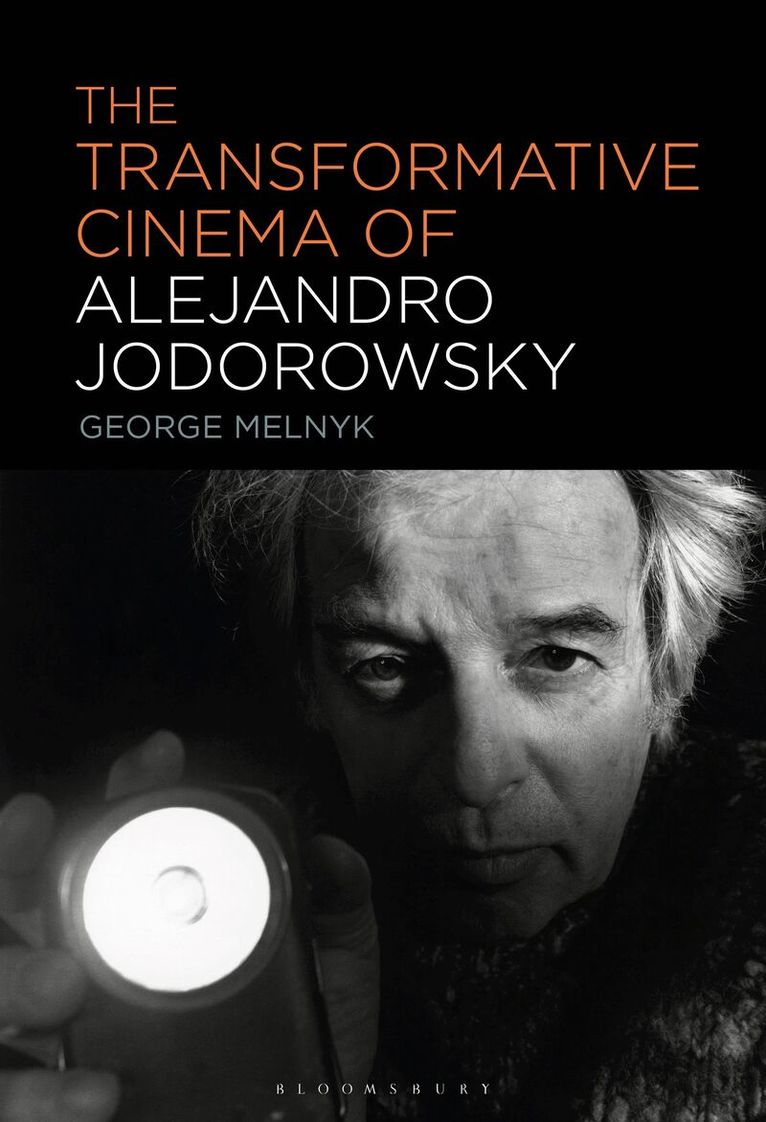
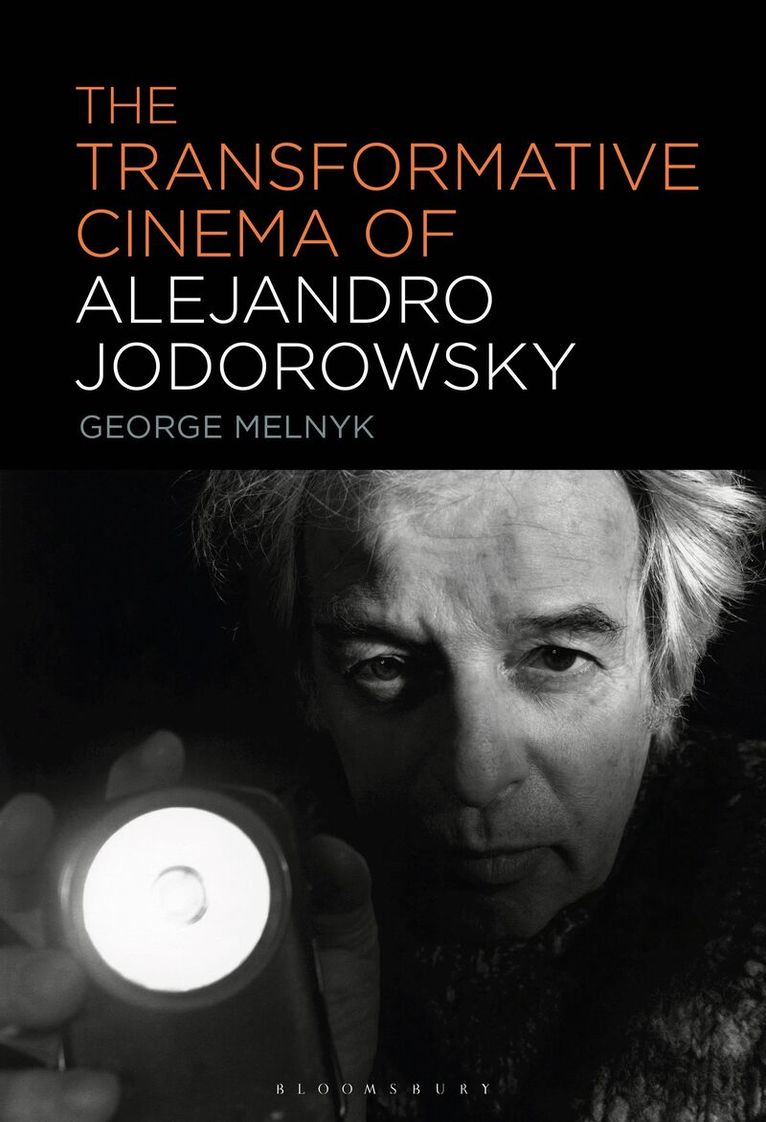
Alejandro Jodorowsky is a theatre director, writer of graphic novels and comics, novelist, poet, and an expert in the Tarot. He is also an auteur filmmaker who garnered attention with his breakthrough film El Topo in 1970. He has been called a “cult” filmmaker, whose films are surreal, hallucinatory, and provocative.The Transformative Cinema of Alejandro Jodorowsky explores the ways in which Jodorowsky's films are transformative in a psychologically therapeutic way. It also examines his signature style, which includes the symbolic meaning of various colors in which he clothes his actors, the use of his own family members in the films, and his casting of himself in leading roles. This total involvement of himself and his family in his auteur films led to his psycho-therapeutic theories and practices: metagenealogy and psychomagic. This book is the only the second book in the English language in print that deals with all of Jodorowsky’s films, beginning with his earliest mime film in 1957 and ending with his 2019 film on psychomagic. It also connects his work as a writer and therapist to his films, which themselves attempt to obliterate the line between fantasy and reality.
1 355 kr
Skickas inom 10-15 vardagar
Alejandro Jodorowsky is a theatre director, writer of graphic novels and comics, novelist, poet, and an expert in the Tarot. He is also an auteur filmmaker who garnered attention with his breakthrough film El Topo in 1970. He has been called a “cult” filmmaker, whose films are surreal, hallucinatory, and provocative.The Transformative Cinema of Alejandro Jodorowsky explores the ways in which Jodorowsky's films are transformative in a psychologically therapeutic way. It also examines his signature style, which includes the symbolic meaning of various colors in which he clothes his actors, the use of his own family members in the films, and his casting of himself in leading roles. This total involvement of himself and his family in his auteur films led to his psycho-therapeutic theories and practices: metagenealogy and psychomagic. This book is the only the second book in the English language in print that deals with all of Jodorowsky’s films, beginning with his earliest mime film in 1957 and ending with his 2019 film on psychomagic. It also connects his work as a writer and therapist to his films, which themselves attempt to obliterate the line between fantasy and reality.
422 kr
Skickas inom 10-15 vardagar
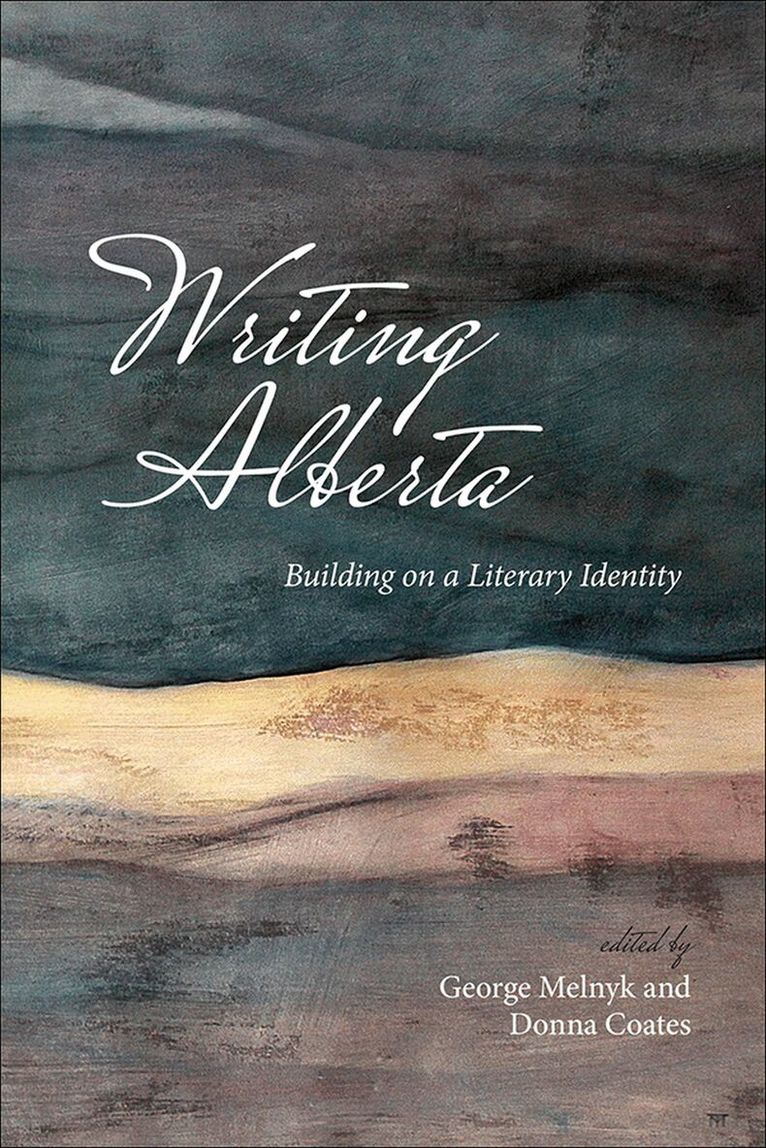
Alberta writing has a long tradition. Beginning with the pictographs of Writing-on-Stone, followed by Euro-Canadian exploration texts, the post-treaty writing of the agrarian colonization period, and into the present era, Alberta writing has come to be seen as a distinct literature. In this volume Melnyk and Coates continue the project of scholarly analysis of Alberta literature that they began with Wild Words: Essays on Alberta Literature (2009). They argue that the essays in their new book confirm that Alberta's literary identity is historically contingent with a diverse, changing content, that makes its definition a work-in-progress.The essays in this volume provide contemporary perspectives on major figures in poetry and fiction, such as Robert Kroetsch, Sheila Watson, Alice Major, and Fred Stenson. Other essays bring to light relatively unknown figures such as the Serbian Canadian writer David Albahari and the pioneer clergyman Nestor Dmytrow.Writing Alberta offers a detailed discussion of contemporary Indigenous writers, an overview of Alberta historiography of the past century, and the fascinating autobiographical reflections of the novelist Katherine Govier on her literary career and its Alberta influences. This Collection demonstrates that Alberta writers, especially in the contemporary period, are not afraid to uncover, re-think, and re-imagine parts of Alberta history, thereby exposing what had been lain to rest as an unfinished business needing serious re-consideration.
300 kr
Skickas inom 11-20 vardagar
The Young, the Restless, and the Dead captures the spirit of Canadian filmmakers through interviews with the most accomplished and dynamic of yesterday's, today's, and tomorrow's film greats. Funny, provocative, and enlightening, the filmmakers reflect on their careers and explore with the interviewers the issues that challenge them. This book features an interview with a late director (Jean-Claude Lauzon) whose work is recognized in the canon as outstanding; interviews with filmmakers who are accomplished in their fields and have to their credit a sizeable body of work (Blake Corbet, Andrew Currie, Brent Carlson, Guy Maddin, Lynne Stopkewich, Anne Wheeler, Gary Burns, and Mina Shum); and an interview with a young director new to the field (Michael Dowse). Together these players in the Canadian film scene capture the energy, success, and tribulations of a fascinating cultural industry. The Young, the Restless, and the Dead is the first volume in a series of interviews with key cultural creators in the field of cinema. It seeks to bring to a wide audience the insights and emotions, the trials and achievements of significant figures in Canadian film. George Melnyk talks about The Young, the Restless, and the Dead with Eric Volmers of the Calgary Herald. Read the interview online.
432 kr
Skickas inom 10-15 vardagar
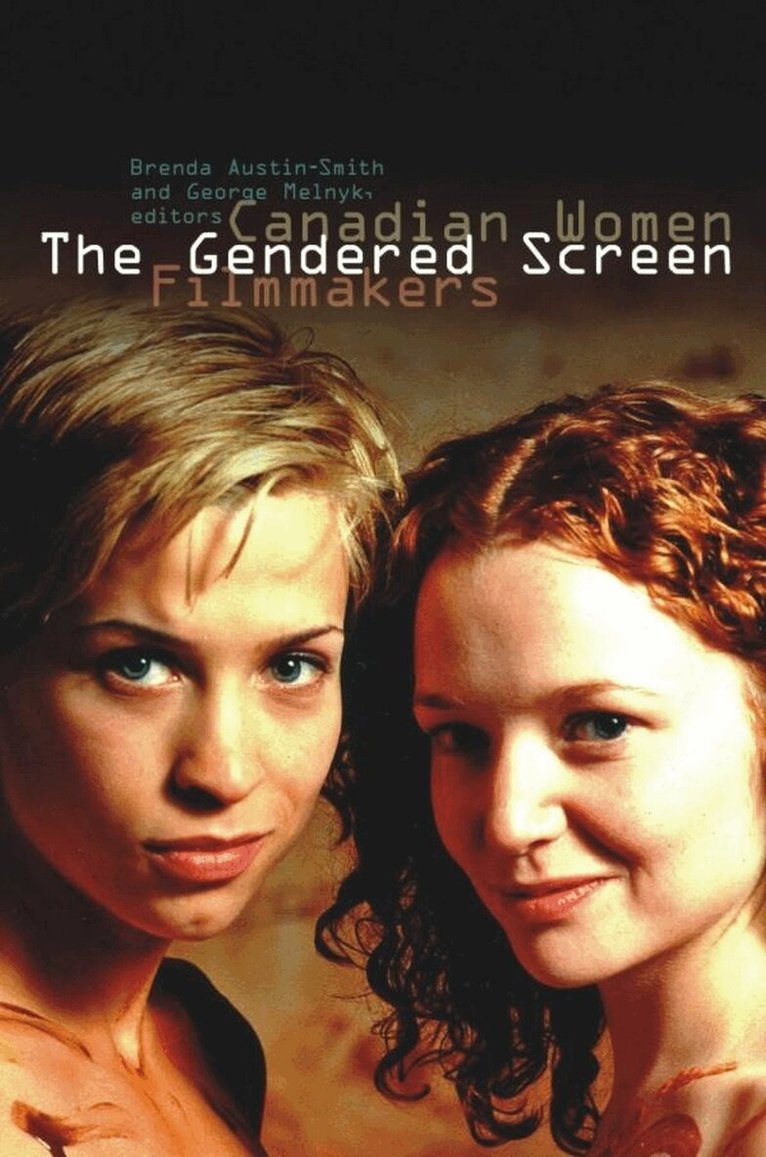
This book is the first major study of Canadian women filmmakers since the groundbreaking Gendering the Nation (1999). The Gendered Screen updates the subject with discussions of important filmmakers such as Deepa Mehta, Anne Wheeler, Mina Shum, Lynne Stopkewich, Léa Pool, and Patricia Rozema, whose careers have produced major bodies of work. It also introduces critical studies of newer filmmakers such as Andrea Dorfman and Sylvia Hamilton and new media video artists. Feminist scholars are re-examining the ways in which authorship, nationality, and gender interconnect. Contributors to this volume emphasize a diverse feminist study of film that is open, inclusive, and self-critical. Issues of hybridity and transnationality as well as race and sexual orientation challenge older forms of discourse on national cinema. Essays address the transnational filmmaker, the queer filmmaker, the feminist filmmaker, the documentarist, and the video artist - just some of the diverse identities of Canadian women filmmakers working in both commercial and art cinema today.
323 kr
Skickas inom 7-10 vardagar
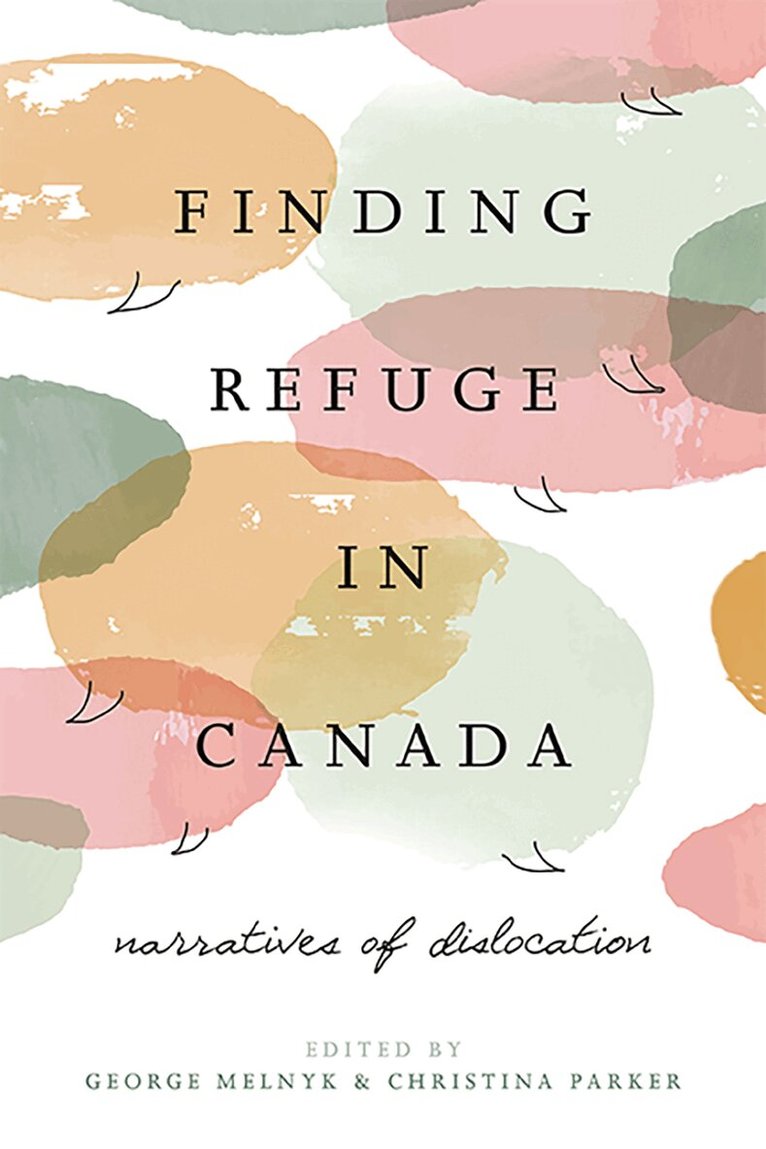
Millions of people are displaced each year by war, persecution, and famine and the global refugee population continues to grow. Canada has often been regarded as a benevolent country, welcoming refugees from around the globe. However, refugees have encountered varying kinds of reception in Canada. Finding Refuge in Canada: Narratives of Dislocation is a collection of personal narratives about the refugee experience in Canada. It includes critical perspectives from authors from diverse backgrounds, including refugees, advocates, front-line workers, private sponsors, and civil servants. The narratives collected here confront dominant public discourse about refugee identities and histories and provide deep insight into the social, political, and cultural challenges and opportunities that refugees experience in Canada. Contributors consider Canada's response to various groups of refugees and how Canadian perspectives on war, conflict, and peace are constructed through the refugee support experience. These individual stories humanize the global refugee crisis and challenge readers to reflect on the transformative potential of more equitable policies and processes. Contributions by Howard Adelman, Irene Boisier Policzer, Shelley Campagnola, Matida Daffeh, Eusebio Garcia, Julia Holland, Bill Janzen, Katharine Lake Berz, Michael Molloy, Adam Policzer, Pablo Policzer, Victor Porter, Boban Stojanović, Cyrus Sundar Singh, and Flora Terah.
447 kr
Skickas inom 7-10 vardagar
As the first collection of literary criticism focusing on Albertawriters, Wild Words establishes a basis for identifyingAlberta fiction, poetry, drama, and nonfiction as valid subjects ofstudy in their own right. By critically situating and assessingspecific Alberta authors according to genre, this volume continues thework begun with Melnyk's Literary History of Alberta.
336 kr
Skickas inom 7-10 vardagar
For many years, Canadian cinema was dominated by the documentarytradition of the National Film Board, which tended to promote what filmscholar Jim Leach has called the "nationalist-realistproject"—films that privileged Canada's naturallandscape and sought to conjure a unified sense of Canadian identityfrom images of empty, untrammelled wilderness and bucolic farmlands.Over the past several decades, however, the hegemony of thisfundamentally colonial, Anglo-centric vision has been challenged byfrancophone and First Nations perspectives and by the growth of cities,where most Canadians now reside, as economic and technological centres.In opposition to the mythic "Canada" shaped through thelens of rural nostalgia, Canadian urban identity asserts itself aspolyphonic, diverse, constructed through multiple discourses andmediums, as an ongoing negotiation rather than a monolithicorientation. Taking the urban as setting and subject, filmmakers areideally poised to capture this multiplicity, creating their own,idiosyncratic portraits of the Canadian urban landscape and of thepeople who inhabit it.Examining fourteen Canadian films produced from the late 1980sonward, including Denys Arcand's Jésus de Montréal(1989), Mina Shum's Double Happiness (1994), and GuyMaddin's My Winnipeg (2007), Film and the Cityis the first comprehensive study of Canadian film and"urbanity"—the totality of urban culture and life asrefracted through the filmmaker's prism. Drawing on insights fromboth film and urban studies and building upon issues of identityformation long debated in Canadian studies, Melnyk considers howfilmmakers interpret and employ the spatiality, visuality, and oralityof urban space and how audiences read the films that result. In thisway, Film and the City argues that Canadian narrative film ofthe postmodern period has contributed to the articulation of a new,multifaceted understanding of national identity.