
Häftad, Engelska, 2009
249 kr
Skickas inom 5-8 vardagar
249 kr
Skickas inom 5-8 vardagar
225 kr
Skickas inom 5-8 vardagar
208 kr
Skickas inom 5-8 vardagar
319 kr
Skickas inom 5-8 vardagar
214 kr
Skickas inom 5-8 vardagar
307 kr
Skickas inom 5-8 vardagar
91 kr
Läs direkt efter köp
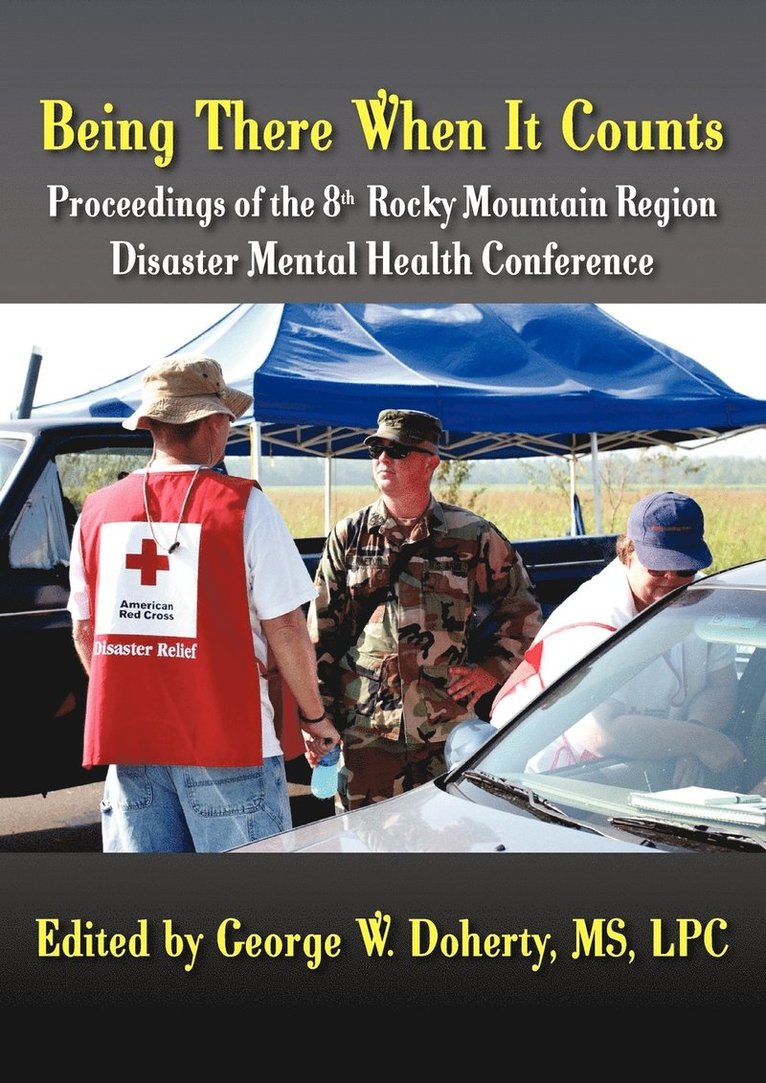
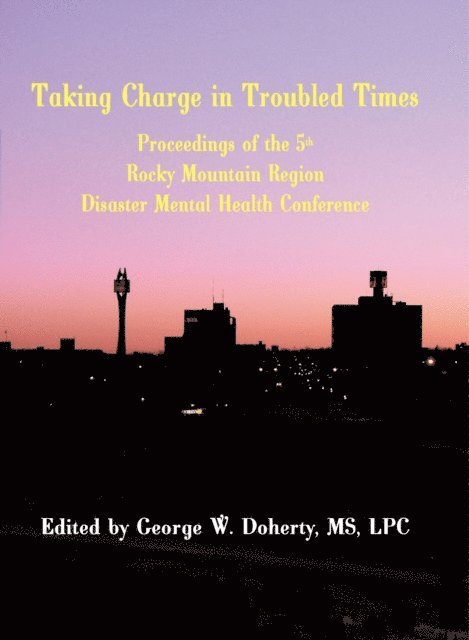
Recent years have seen an extraordinary number of major disasters, critical incidents and other events that have had major impacts on our world. The 2004 tsunami, hurricanes Rita and Katrina, and the wars in Iraq and Afghanistan affect millions of lives daily. Potential events such as Avian Flu pandemic, global warming and the increasing threats of spreading unrest in the Middle East are concerns that weigh heavily on us all. November 8-11, 2006, the Rocky Mountain Region Disaster Mental Health Institute held their Annual four-day Disaster Mental Health Conference. The theme of the conference was "TAKING CHARGE IN TROUBLED TIMES: Response, Resilience, Recovery and Follow-up." This edition contains the major papers presented at the conference and summaries of additional presentations. They address some of the major crisis events confronting our societies in recent years, namely, large disasters such as hurricanes Katrina and Rita; case studies such as Abu Ghraib, and traumatic events such as a night club suicide bombing, the role of cultural sensitivity and ethics in disaster settings, resilience, and the importance of planning, education and taking care of our first responders and mental health professionals. An additional concern with information includes information about preparation of communities and families for deployment and return of military personnel. The importance of planning for how mental health personnel can respond in the event of an Avian Flu Pandemic is also discussed. Presenters are drawn from researchers and responders from Wyoming, the United States, and the United Kingdom. Contributors include John Durkin, Alan L. Hensley, Thom Curtis, Patricia Justice, Richard J. Conroy, Debra Russell, Joshua Faudem, Kenneth Glass, and Tasha Graves. The Rocky Mountain Region Disaster Mental Health Institute is a 501(c)3 Non-profit Organization
125 kr
Läs direkt efter köp
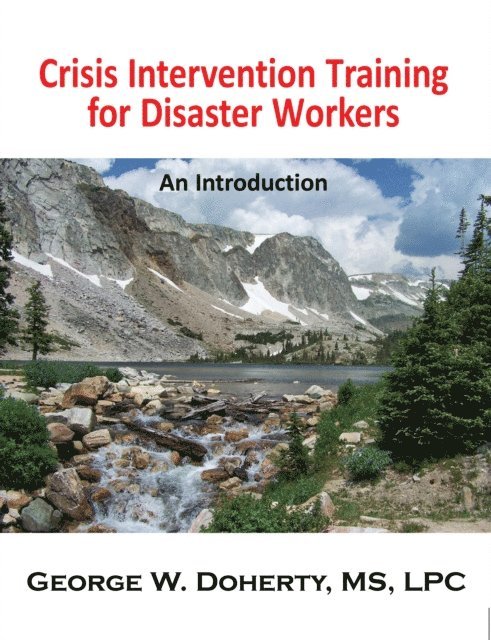
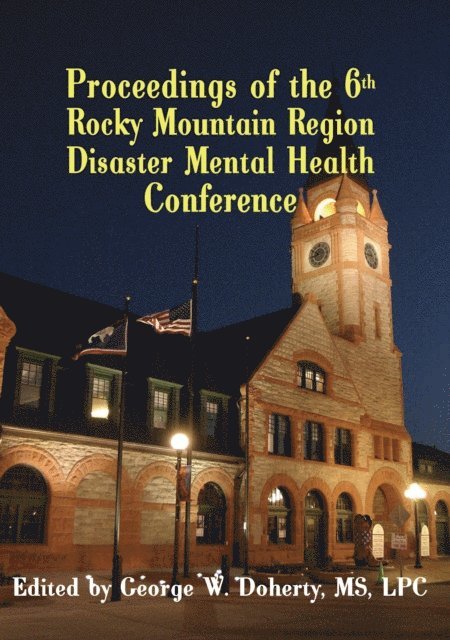
This book provides information about training for mental health professionals and first responders who work with victims of disaster related stress and trauma. It helps prepare them to relate with disaster victims and co-workers. Warning signs and symptoms are explored together with stages, strategies and interventions for recovery. The book will introduce you to disasters, the community response, the roles of first responders, Disaster Mental Health Services and Critical Incident Stress Management (CISM) responders and teams. It provides a brief overview of these and their roles in responding to the needs of both victims and disaster workers. The role of CISM is presented and discussed both for disasters and other critical incidents. This includes discussion about war, terrorism and follow-up responses by mental health professionals. The book is designed to help readers identify appropriate methods for activating Disaster Mental Health Crisis Intervention Teams for disaster mental health services for victims, co-workers, and self. The content includes general theory and models of Disaster Mental Health, CISM, crisis intervention techniques commonly used in these situations, supportive research, and practice of approaches used in responding to the victims, workers and communities affected by disasters, critical incidents and terrorism threats and events. What People are Saying About Crisis Intervention Training for Disaster Workers "Provides a breadth and depth of knowledge as well as practical tools for beginner to expert. Should be required reading for all disaster responders, and, especially, mental health professionals considering disaster work." -Bruce L. Andrews, MS, LPC (ARC Disaster Mental Provider/Instructor) "This text serves as a wonderful adjunct and lead into the discipline of CISM. It provides a brief survey of disaster mental health and disaster mental health services." -Thomas Mitchell, LPC Rocky Mountain Disaster Mental Health Institute Press "Learning from the past and planning for the future" PSY018000 Psychology : Mental Illness EDU045000 Education : Counseling - Crisis Management SOC040000 Social Science : Disasters & Disaster Relief
91 kr
Läs direkt efter köp
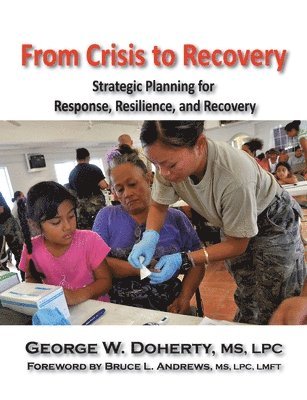
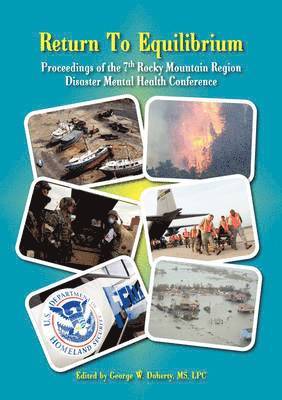
Events around the world continue to present challenges for first responders and mental health professionals. Natural and man-made disasters continue. Evidence mounts concerning potential events such as global warming and the effects this may have worldwide. Avian Flu remains a concern as do forms of biological terrorism and natural hazards such as tsunamis, floods, hurricanes and earthquakes. The 2004 tsunami in Sri Lanka and Thailand continues to have a significant impact on that area of the world. Wars in Afghanistan and Iraq continue to impact those countries, the Middle East and the United States. Preparing our communities and families not only for deployments and support of those deployed and their families, but also for the aftermath and return of our military and National Guard personnel into our communities is important for all.
What can we expect from all of these? How do communities and first responders handle these? What role does mental health play? How do first responders and mental health professionals plan together for responding to future events and learning from past ones. Using a strategic planning approach, how do we identity potential threats and identify target populations and groups? What resources are available for which identified threats? How do we do such planning, how often, and how do we exercise such plans prior to events? What can we learn from such events and how do we incorporate what we learn into future planning?
It is crucial that response, resilience, recovery and follow-up be included in our planning. Additional variables important in responding include cultural knowledge and sensitivity. We need to prepare to respond appropriately within a culture not our own, whether locally, nationally, or internationally.
November 8-10, 2007, the Rocky Mountain Region Disaster Mental Health Institute held their Annual Disaster Mental Health Conference in Cheyenne, Wyoming. The theme of this conference was: From Crisis To Recovery: Resilience and Strategic Planning for the Future. RM DMH Institute Press "Learning from the past and planning for the future"
228 kr
Skickas inom 5-8 vardagar
194 kr
Skickas inom 5-8 vardagar
213 kr
Skickas inom 5-8 vardagar
249 kr
Skickas inom 5-8 vardagar
225 kr
Skickas inom 5-8 vardagar
208 kr
Skickas inom 5-8 vardagar
319 kr
Skickas inom 5-8 vardagar
214 kr
Skickas inom 5-8 vardagar
307 kr
Skickas inom 5-8 vardagar
91 kr
Läs direkt efter köp
Recent years have seen an extraordinary number of major disasters, critical incidents and other events that have had major impacts on our world. The 2004 tsunami, hurricanes Rita and Katrina, and the wars in Iraq and Afghanistan affect millions of lives daily. Potential events such as Avian Flu pandemic, global warming and the increasing threats of spreading unrest in the Middle East are concerns that weigh heavily on us all. November 8-11, 2006, the Rocky Mountain Region Disaster Mental Health Institute held their Annual four-day Disaster Mental Health Conference. The theme of the conference was "TAKING CHARGE IN TROUBLED TIMES: Response, Resilience, Recovery and Follow-up." This edition contains the major papers presented at the conference and summaries of additional presentations. They address some of the major crisis events confronting our societies in recent years, namely, large disasters such as hurricanes Katrina and Rita; case studies such as Abu Ghraib, and traumatic events such as a night club suicide bombing, the role of cultural sensitivity and ethics in disaster settings, resilience, and the importance of planning, education and taking care of our first responders and mental health professionals. An additional concern with information includes information about preparation of communities and families for deployment and return of military personnel. The importance of planning for how mental health personnel can respond in the event of an Avian Flu Pandemic is also discussed. Presenters are drawn from researchers and responders from Wyoming, the United States, and the United Kingdom. Contributors include John Durkin, Alan L. Hensley, Thom Curtis, Patricia Justice, Richard J. Conroy, Debra Russell, Joshua Faudem, Kenneth Glass, and Tasha Graves. The Rocky Mountain Region Disaster Mental Health Institute is a 501(c)3 Non-profit Organization
125 kr
Läs direkt efter köp
This book provides information about training for mental health professionals and first responders who work with victims of disaster related stress and trauma. It helps prepare them to relate with disaster victims and co-workers. Warning signs and symptoms are explored together with stages, strategies and interventions for recovery. The book will introduce you to disasters, the community response, the roles of first responders, Disaster Mental Health Services and Critical Incident Stress Management (CISM) responders and teams. It provides a brief overview of these and their roles in responding to the needs of both victims and disaster workers. The role of CISM is presented and discussed both for disasters and other critical incidents. This includes discussion about war, terrorism and follow-up responses by mental health professionals. The book is designed to help readers identify appropriate methods for activating Disaster Mental Health Crisis Intervention Teams for disaster mental health services for victims, co-workers, and self. The content includes general theory and models of Disaster Mental Health, CISM, crisis intervention techniques commonly used in these situations, supportive research, and practice of approaches used in responding to the victims, workers and communities affected by disasters, critical incidents and terrorism threats and events. What People are Saying About Crisis Intervention Training for Disaster Workers "Provides a breadth and depth of knowledge as well as practical tools for beginner to expert. Should be required reading for all disaster responders, and, especially, mental health professionals considering disaster work." -Bruce L. Andrews, MS, LPC (ARC Disaster Mental Provider/Instructor) "This text serves as a wonderful adjunct and lead into the discipline of CISM. It provides a brief survey of disaster mental health and disaster mental health services." -Thomas Mitchell, LPC Rocky Mountain Disaster Mental Health Institute Press "Learning from the past and planning for the future" PSY018000 Psychology : Mental Illness EDU045000 Education : Counseling - Crisis Management SOC040000 Social Science : Disasters & Disaster Relief
91 kr
Läs direkt efter köp
Events around the world continue to present challenges for first responders and mental health professionals. Natural and man-made disasters continue. Evidence mounts concerning potential events such as global warming and the effects this may have worldwide. Avian Flu remains a concern as do forms of biological terrorism and natural hazards such as tsunamis, floods, hurricanes and earthquakes. The 2004 tsunami in Sri Lanka and Thailand continues to have a significant impact on that area of the world. Wars in Afghanistan and Iraq continue to impact those countries, the Middle East and the United States. Preparing our communities and families not only for deployments and support of those deployed and their families, but also for the aftermath and return of our military and National Guard personnel into our communities is important for all.
What can we expect from all of these? How do communities and first responders handle these? What role does mental health play? How do first responders and mental health professionals plan together for responding to future events and learning from past ones. Using a strategic planning approach, how do we identity potential threats and identify target populations and groups? What resources are available for which identified threats? How do we do such planning, how often, and how do we exercise such plans prior to events? What can we learn from such events and how do we incorporate what we learn into future planning?
It is crucial that response, resilience, recovery and follow-up be included in our planning. Additional variables important in responding include cultural knowledge and sensitivity. We need to prepare to respond appropriately within a culture not our own, whether locally, nationally, or internationally.
November 8-10, 2007, the Rocky Mountain Region Disaster Mental Health Institute held their Annual Disaster Mental Health Conference in Cheyenne, Wyoming. The theme of this conference was: From Crisis To Recovery: Resilience and Strategic Planning for the Future. RM DMH Institute Press "Learning from the past and planning for the future"
228 kr
Skickas inom 5-8 vardagar
194 kr
Skickas inom 5-8 vardagar
213 kr
Skickas inom 5-8 vardagar