Georgiana D Hedesan – författare
Visar alla böcker från författaren Georgiana D Hedesan. Handla med fri frakt och snabb leverans.
9 produkter
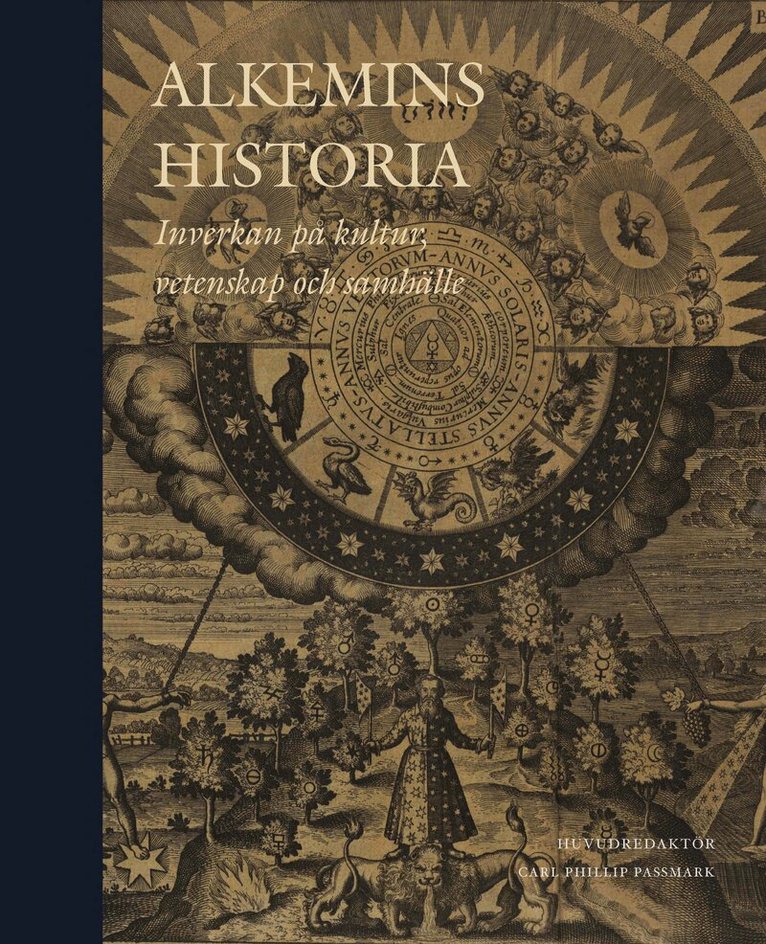
Alkemins historia : inverkan på kultur, vetenskap och samhälle
Av Dagmar Wujastyk, Andreas Winkler m. fl.
Inbunden, 2025
5,0 utav 5 stjärnor. Totalt antal röster: (2)
338 kr
Lägg i varukorg
Alkemins etymologiska rötter återfinns både i de arabiska och grekiska språken, och syftar på den process av transmutation som leder till en fullständig återförening med den gudomliga ursprungsformen. Dock sträcker sig det esoteriska utövandet av alkemi ända till Indien och Kina och har …
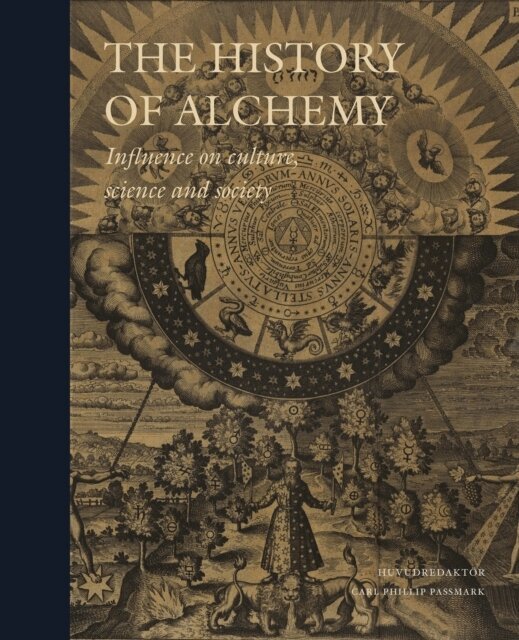
The History of Alchemy : Influences on Culture, Science and Society
Influences on Culture, Science and Society
Av Dagmar Wujastyk, Andreas Winkler m. fl.
Inbunden, 2025
386 kr
Lägg i varukorg
Alkemins etymologiska rötter återfinns både i de arabiska och grekiska språken, och syftar på den process av transmutation som leder till en fullständig återförening med den gudomliga ursprungsformen. Dock sträcker sig det esoteriska utövandet av alkemi ända till Indien och Kina och har …
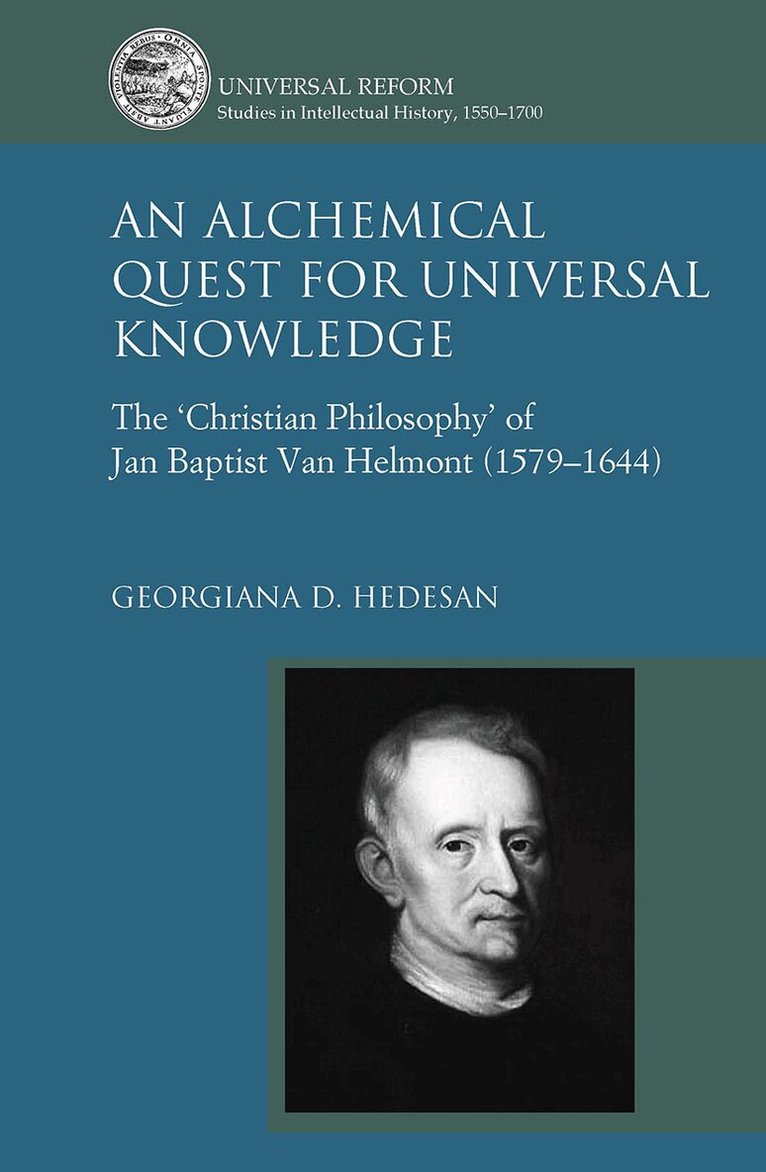
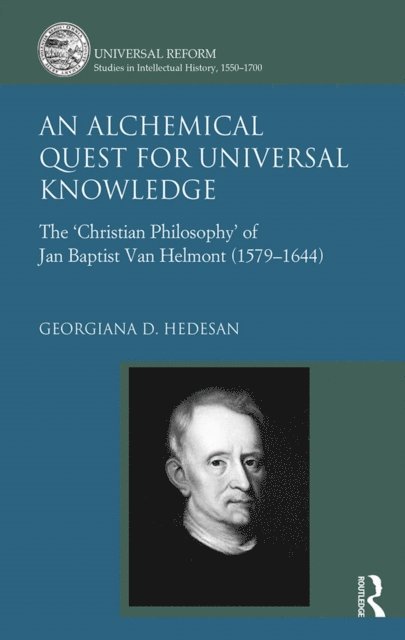
Alchemical Quest for Universal Knowledge
The ‘Christian Philosophy’ of Jan Baptist Van Helmont (1579-1644)
Häftad, 2022
725 kr
Lägg i varukorg
History of science credits the Flemish physician, alchemist and philosopher Jan Baptist Van Helmont (1579-1644) for his contributions to the development of chemistry and medicine. Yet, as this book makes clear, focussing on Van Helmont's impact on modern science does not do justice to the …
Alchemical Quest for Universal Knowledge
The ‘Christian Philosophy’ of Jan Baptist Van Helmont (1579-1644)
E-bok, 2016
831 kr
Lägg i varukorg
History of science credits the Flemish physician, alchemist and philosopher Jan Baptist Van Helmont (1579-1644) for his contributions to the development of chemistry and medicine. Yet, as this book makes clear, focussing on Van Helmont''s impact on modern science does not do justice to the …
Alchemical Quest for Universal Knowledge
The ‘Christian Philosophy’ of Jan Baptist Van Helmont (1579-1644)
E-bok, 2016
813 kr
Lägg i varukorg
History of science credits the Flemish physician, alchemist and philosopher Jan Baptist Van Helmont (1579-1644) for his contributions to the development of chemistry and medicine. Yet, as this book makes clear, focussing on Van Helmont''s impact on modern science does not do justice to the …
Alchemical Quest for Universal Knowledge
The ‘Christian Philosophy’ of Jan Baptist Van Helmont (1579-1644)
Inbunden, 2016
2504 kr
Lägg i varukorg
History of science credits the Flemish physician, alchemist and philosopher Jan Baptist Van Helmont (1579-1644) for his contributions to the development of chemistry and medicine. Yet, as this book makes clear, focussing on Van Helmont's impact on modern science does not do justice to the …
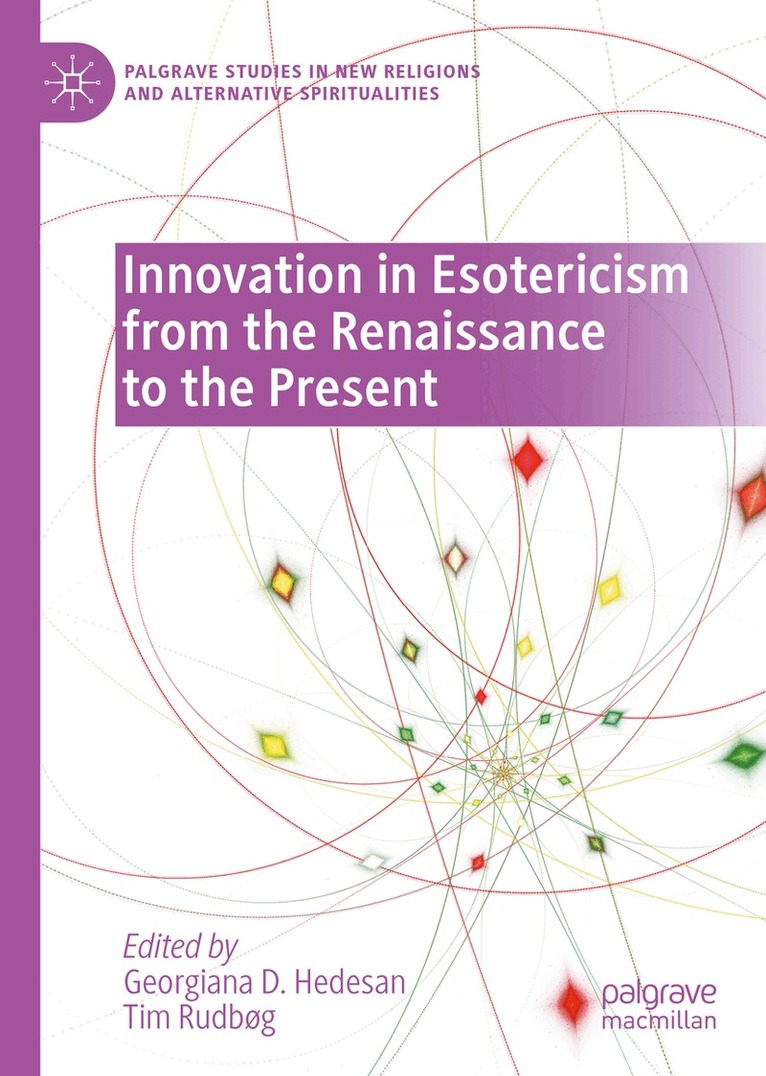
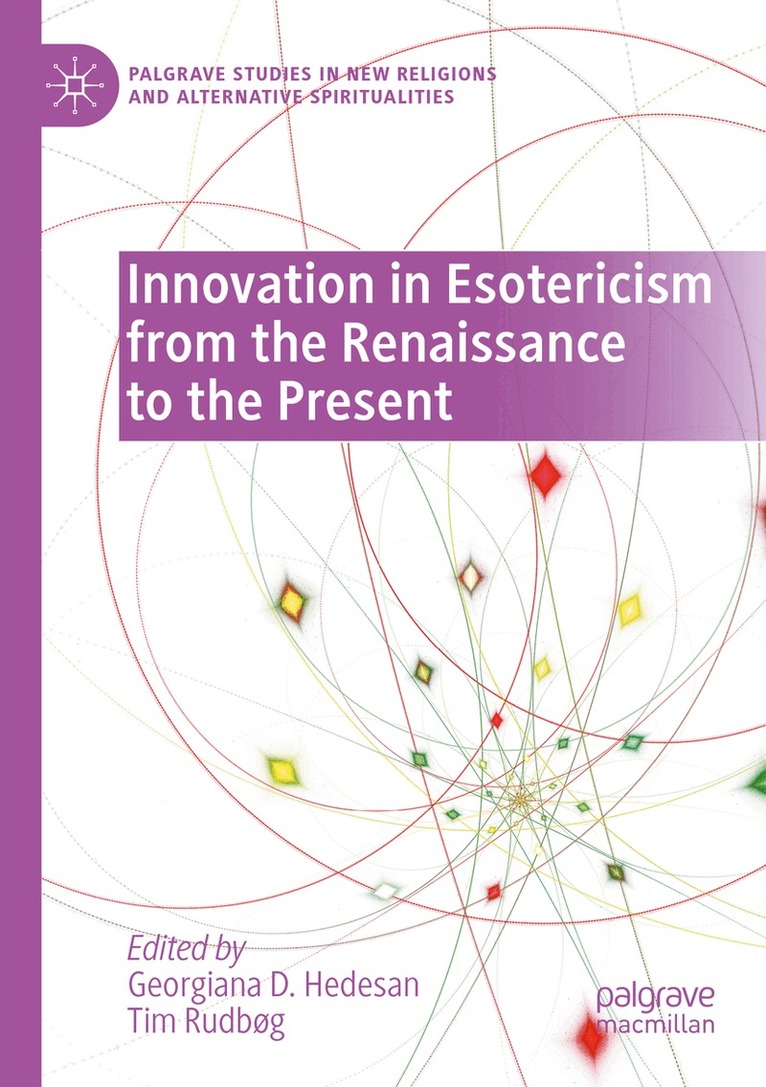
Innovation in Esotericism from the Renaissance to the Present
Av Georgiana D. Hedesan, Tim Rudbøg
Inbunden, 2021
1861 kr
Lägg i varukorg
This collection explores the role of innovation in understanding the history of esotericism. It illustrates how innovation is a mechanism of negotiation whereby an idea is either produced against, or adapted from, an older set of concepts in order to respond to a present context. Featuring …
Innovation in Esotericism from the Renaissance to the Present
Av Tim Rudbog, Georgiana D. Hedesan
E-bok, 2021
2437 kr
Lägg i varukorg
This collection explores the role of innovation in understanding the history of esotericism. It illustrates how innovation is a mechanism of negotiation whereby an idea is either produced against, or adapted from, an older set of concepts in order to respond to a present context. Featuring …
Innovation in Esotericism from the Renaissance to the Present
Av Georgiana D. Hedesan, Tim Rudbøg
Häftad, 2022
1861 kr
Lägg i varukorg
This collection explores the role of innovation in understanding the history of esotericism. It illustrates how innovation is a mechanism of negotiation whereby an idea is either produced against, or adapted from, an older set of concepts in order to respond to a present context. Featuring …