Geraint Rees – författare
Visar alla böcker från författaren Geraint Rees. Handla med fri frakt och snabb leverans.
5 produkter
5 produkter
E-bok
Engelska, 20052 294 kr
Läs direkt efter köp
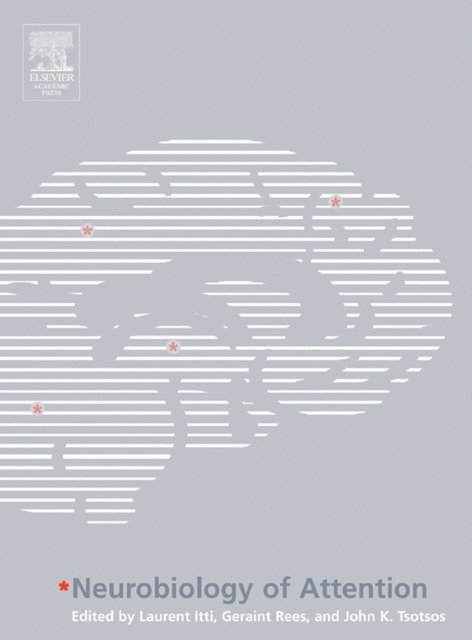
A key property of neural processing in higher mammals is the ability to focus resources by selectively directing attention to relevant perceptions, thoughts or actions. Research into attention has grown rapidly over the past two decades, as new techniques have become available to study higher brain function in humans, non-human primates, and other mammals. Neurobiology of Attention is the first encyclopedic volume to summarize the latest developments in attention research.An authoritative collection of over 100 chapters organized into thematic sections provides both broad coverage and access to focused, up-to-date research findings. This book presents a state-of-the-art multidisciplinary perspective on psychological, physiological and computational approaches to understanding the neurobiology of attention. Ideal for students, as a reference handbook or for rapid browsing, the book has a wide appeal to anybody interested in attention research.* Contains numerous quick-reference articles covering the breadth of investigation into the subject of attention* Provides extensive introductory commentary to orient and guide the reader* Includes the most recent research results in this field of study
Inbunden, Engelska, 2005
2 189 kr
Skickas inom 10-15 vardagar
A key property of neural processing in higher mammals is the ability to focus resources by selectively directing attention to relevant perceptions, thoughts or actions. Research into attention has grown rapidly over the past two decades, as new techniques have become available to study higher brain function in humans, non-human primates, and other mammals. Neurobiology of Attention is the first encyclopedic volume to summarize the latest developments in attention research.An authoritative collection of over 100 chapters organized into thematic sections provides both broad coverage and access to focused, up-to-date research findings. This book presents a state-of-the-art multidisciplinary perspective on psychological, physiological and computational approaches to understanding the neurobiology of attention. Ideal for students, as a reference handbook or for rapid browsing, the book has a wide appeal to anybody interested in attention research.* Contains numerous quick-reference articles covering the breadth of investigation into the subject of attention* Provides extensive introductory commentary to orient and guide the reader* Includes the most recent research results in this field of study
E-bok
PDF, Engelska, 20121 245 kr
Läs direkt efter köp
Since the 1980s, MRI scanners have told us much about brain function and played an important role in the clinical diagnosis of a number of conditions - both in the brain and the rest of the body. Their routine use has made the diagnosis of brain tumours and brain damage both quicker and more accurate. However, some neuroscientific advances, in particular those that relate specifically to the mind have provoked excitement and discussion in a number of disciplines.One of the most thought provoking developments in recent neuroscience has been the progress made with ''mind-reading''. There seems nothing more private than one''s thoughts, some of which we might choose to share with others, and some not. Yet, until now, little has been published on the particular issueof privacy in relation to ''brain'' or ''mind'' reading.I know what you''re thinking provides a fascinating, interdisciplinary account of the neuroscientific evidence on ''mind reading'', as well as a thorough analysis of both legal and moral accounts of privacy. It brings together leading academics from the fields of psychology, neuroscience, philosophy, and law. The book considers such issues as the use of imaging to detect awareness in those considered to be in a vegetative state. It looks at issues of mental imaging and national security,the neurobiology of violence, and issues regarding diminished responsibility in criminals, and thus reduced punishment. It also considers how the use of neuroimaging can and should be regulated.Providing a ground breaking exploration of how brain imaging technologies can throw light on our mental capacities, states, and acts, this is an important new book for psychologists, neuroscientists, bioethicists, philosophers, and lawyers.
E-bok
Engelska, 20121 245 kr
Läs direkt efter köp
Since the 1980s, MRI scanners have told us much about brain function and played an important role in the clinical diagnosis of a number of conditions - both in the brain and the rest of the body. Their routine use has made the diagnosis of brain tumours and brain damage both quicker and more accurate. However, some neuroscientific advances, in particular those that relate specifically to the mind have provoked excitement and discussion in a number of disciplines.One of the most thought provoking developments in recent neuroscience has been the progress made with ''mind-reading''. There seems nothing more private than one''s thoughts, some of which we might choose to share with others, and some not. Yet, until now, little has been published on the particular issueof privacy in relation to ''brain'' or ''mind'' reading.I know what you''re thinking provides a fascinating, interdisciplinary account of the neuroscientific evidence on ''mind reading'', as well as a thorough analysis of both legal and moral accounts of privacy. It brings together leading academics from the fields of psychology, neuroscience, philosophy, and law. The book considers such issues as the use of imaging to detect awareness in those considered to be in a vegetative state. It looks at issues of mental imaging and national security,the neurobiology of violence, and issues regarding diminished responsibility in criminals, and thus reduced punishment. It also considers how the use of neuroimaging can and should be regulated.Providing a ground breaking exploration of how brain imaging technologies can throw light on our mental capacities, states, and acts, this is an important new book for psychologists, neuroscientists, bioethicists, philosophers, and lawyers.
Inbunden, Engelska, 2012
1 599 kr
Skickas inom 7-10 vardagar
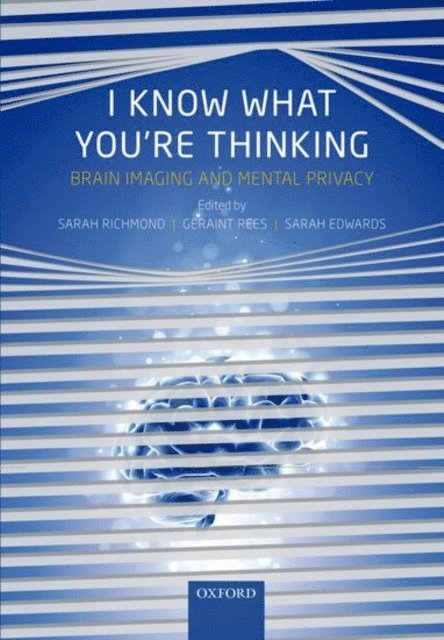
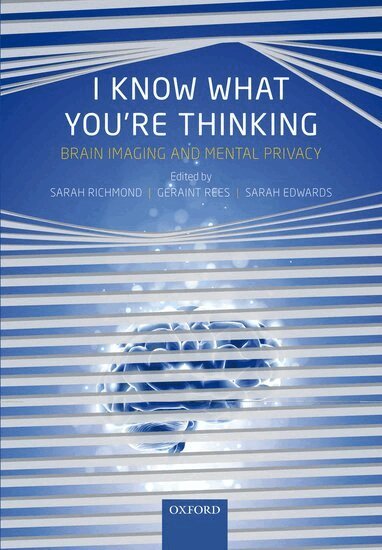
Since the 1980s, MRI scanners have told us much about brain function and played an important role in the clinical diagnosis of a number of conditions - both in the brain and the rest of the body. Their routine use has made the diagnosis of brain tumours and brain damage both quicker and more accurate. However, some neuroscientific advances, in particular those that relate specifically to the mind have provoked excitement and discussion in a number of disciplines. One of the most thought provoking developments in recent neuroscience has been the progress made with 'mind-reading'. There seems nothing more private than one's thoughts, some of which we might choose to share with others, and some not. Yet, until now, little has been published on the particular issue of privacy in relation to 'brain' or 'mind' reading. I know what you're thinking provides a fascinating, interdisciplinary account of the neuroscientific evidence on 'mind reading', as well as a thorough analysis of both legal and moral accounts of privacy. It brings together leading academics from the fields of psychology, neuroscience, philosophy, and law. The book considers such issues as the use of imaging to detect awareness in those considered to be in a vegetative state. It looks at issues of mental imaging and national security, the neurobiology of violence, and issues regarding diminished responsibility in criminals, and thus reduced punishment. It also considers how the use of neuroimaging can and should be regulated. Providing a ground breaking exploration of how brain imaging technologies can throw light on our mental capacities, states, and acts, this is an important new book for psychologists, neuroscientists, bioethicists, philosophers, and lawyers.