Gerald E. McDonnell – författare
1 645 kr
Läs direkt efter köp
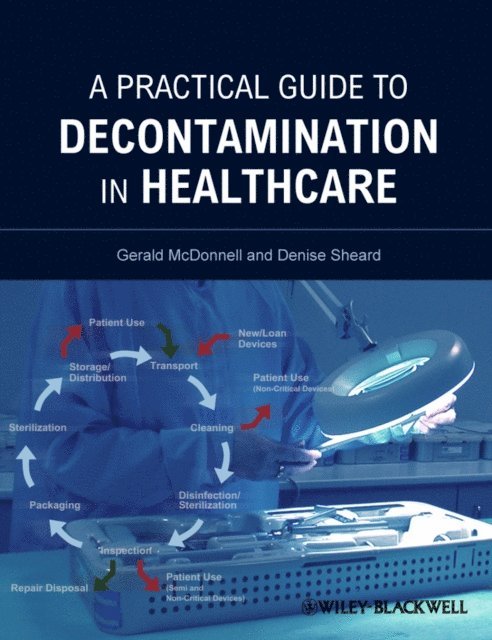
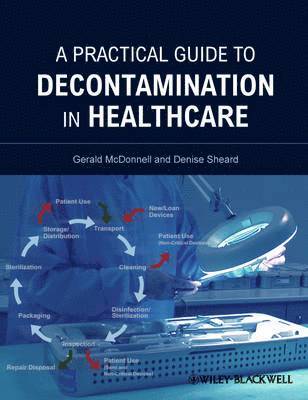
Written by highly experienced professionals, A Practical Guide to Decontaminationin Healthcare comprises a systematic review of decontamination methods, with uses and advantages outlined for each. Up-to-date regulations, standards and guidelines are incorporated throughout, to better equip healthcare professionals with the information they need to meet the technical and operational challenges of medical decontamination.
A Practical Guide to Decontaminationin Healthcare is an important new volume on state-of-the-art decontamination processes and a key reference source for all healthcare professionals working in infectious diseases, infection control/prevention and decontamination services.
1 602 kr
Läs direkt efter köp
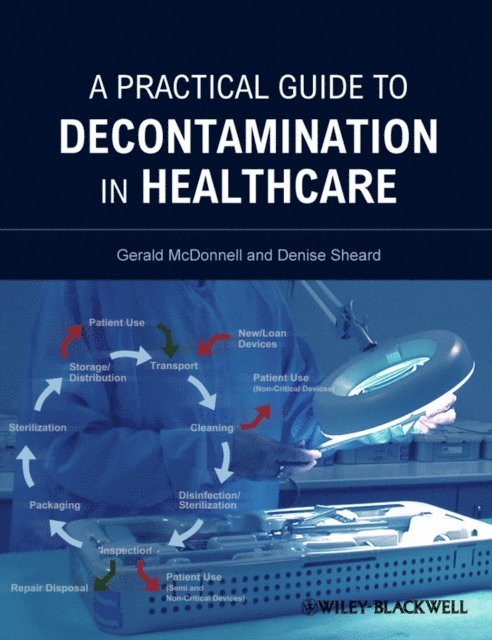
Written by highly experienced professionals, A Practical Guide to Decontaminationin Healthcare comprises a systematic review of decontamination methods, with uses and advantages outlined for each. Up-to-date regulations, standards and guidelines are incorporated throughout, to better equip healthcare professionals with the information they need to meet the technical and operational challenges of medical decontamination.
A Practical Guide to Decontaminationin Healthcare is an important new volume on state-of-the-art decontamination processes and a key reference source for all healthcare professionals working in infectious diseases, infection control/prevention and decontamination services.
1 177 kr
Skickas
1 383 kr
Läs direkt efter köp
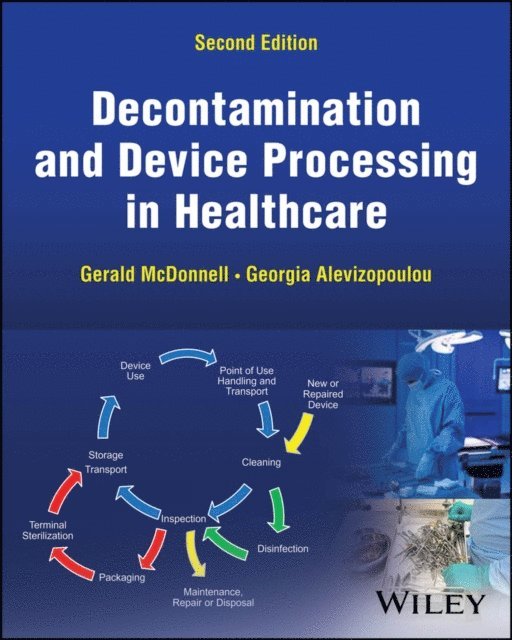
Prevent infections within healthcare spaces with safe and effective device decontamination and processing
Prevention is the first line of defense against infection, particularly in a world where microbial resistance to anti-infectives like antibiotics is a growing threat. Few aspects of managing a healthcare facility are more immediately important to patient care than the safe use of equipment and devices. Although some devices are designed for single use, many more are designed to be reused and there have been increasing reports of infections and other adverse patient reactions due to these devices, in particular when regarding surgical and endoscopic procedures. The decontamination or processing of various surfaces, spaces, and devices associated with patient care is a life-saving discipline demanding dedicated resources and education.
Decontamination and Device Processing in Healthcare, Second Edition meets this demand as a comprehensive training and reference manual for the decontamination and processing of equipment and devices used in patient care environments. This book is ideal for medical staff involved in the management of devices within healthcare facilities, including those purchasing, using, and processing devices on patients, and those responsible for their safety. Now fully updated to reflect the latest international regulations, standards, and best practices, this text is an invaluable tool for meeting the challenges of the modern medical facility.
Readers of the second edition of Decontamination and Device Processing in Healthcare will also find within the text
Up-to-date information based off the current guidelines, standards, and regulations of Regulatory organizations include the US-FDA, EU-MDR, NMPA and other similar international organizations. Standard organizations including ISO, CEN, AAMI, BSI, DIN and international professional organizations in device processing (WFHSS, HPSA, CAMDR etc), nursing (AORN, EORNA, ESGENA), infection prevention (WHO, CDC, ECDC) and moreDetailed discussion of topics including surgical suite management, infection prevention and control, essentials of anatomy and microbiology, safety, endoscopy and outpatient areas, quality management, and many moreDescription of the steps in device processing ranging from equipment to surgical devices, including cleaning, disinfection, and sterilizationInformation written to be of value to healthcare educators and administrators as well as clinical professionalsWritten by experienced professionals with a systematic grasp of key methods and their advantages, Decontamination in Healthcare offers a wealth of information for every member of a clinical team.
1 383 kr
Läs direkt efter köp
Prevent infections within healthcare spaces with safe and effective device decontamination and processing
Prevention is the first line of defense against infection, particularly in a world where microbial resistance to anti-infectives like antibiotics is a growing threat. Few aspects of managing a healthcare facility are more immediately important to patient care than the safe use of equipment and devices. Although some devices are designed for single use, many more are designed to be reused and there have been increasing reports of infections and other adverse patient reactions due to these devices, in particular when regarding surgical and endoscopic procedures. The decontamination or processing of various surfaces, spaces, and devices associated with patient care is a life-saving discipline demanding dedicated resources and education.
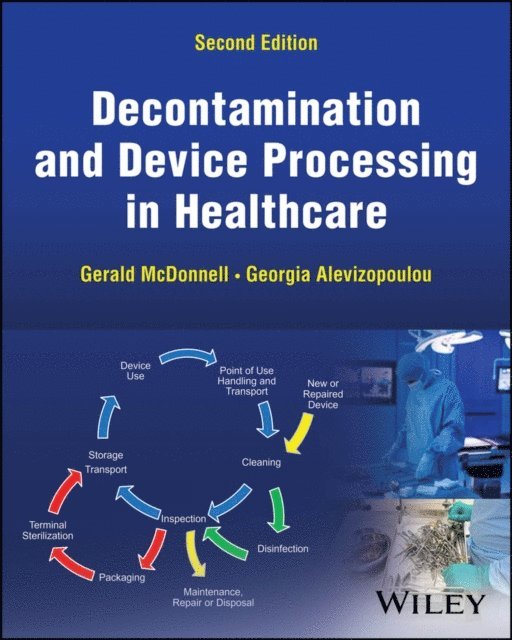
Decontamination and Device Processing in Healthcare, Second Edition meets this demand as a comprehensive training and reference manual for the decontamination and processing of equipment and devices used in patient care environments. This book is ideal for medical staff involved in the management of devices within healthcare facilities, including those purchasing, using, and processing devices on patients, and those responsible for their safety. Now fully updated to reflect the latest international regulations, standards, and best practices, this text is an invaluable tool for meeting the challenges of the modern medical facility.
Readers of the second edition of Decontamination and Device Processing in Healthcare will also find within the text
Up-to-date information based off the current guidelines, standards, and regulations of Regulatory organizations include the US-FDA, EU-MDR, NMPA and other similar international organizations. Standard organizations including ISO, CEN, AAMI, BSI, DIN and international professional organizations in device processing (WFHSS, HPSA, CAMDR etc), nursing (AORN, EORNA, ESGENA), infection prevention (WHO, CDC, ECDC) and moreDetailed discussion of topics including surgical suite management, infection prevention and control, essentials of anatomy and microbiology, safety, endoscopy and outpatient areas, quality management, and many moreDescription of the steps in device processing ranging from equipment to surgical devices, including cleaning, disinfection, and sterilizationInformation written to be of value to healthcare educators and administrators as well as clinical professionalsWritten by experienced professionals with a systematic grasp of key methods and their advantages, Decontamination in Healthcare offers a wealth of information for every member of a clinical team.
1 605 kr
Skickas inom 5-8 vardagar
1 886 kr
Läs direkt efter köp
Antisepsis, Disinfection, and Sterilization: Types, Action, and Resistance, by Gerald E. McDonnell, is a detailed and accessible presentation of the current methods of microbial control. Each major category, such as physical disinfection methods, is given a chapter, in which theory, spectrum of activity, advantages, disadvantages, and modes of action of the methods are thoroughly and clearly presented. Sufficient background on the life cycles and general anatomy of microorganisms is provided so that the reader who is new to microbiology will better appreciate how physical and chemical biocides work their magic on microbes. Other topics in the book include:
Evaluating the efficacy of chemical antiseptics and disinfectants, and of physical methods of microbial control and sterilization. Understanding how to choose the proper biocidal product and process for specific applications. Classic physical and chemical disinfection methods, such as heat, cold, non-ionizing radiation, acids, oxidizing agents, and metals. Newer chemical disinfectants, including, isothiazolones, micro-and nano-particles, and bacteriophages as control agents. Antisepsis of skin and wounds and the biocides that can be used as antiseptics. Classic methods of physical sterilization, such as, moist heat and dry heat sterilization, ionizing radiation, and filtration, along with newer methods, including, the use of plasma or pulsed light. Chemical sterilization methods that use ethylene oxide, formaldehyde, or a variety of other oxidizing agents. A detailed look at the modes of action of biocides in controlling microbial growth and disrupting microbial physiology. Mechanisms that microorganisms use to resist the effects of biocides.The second edition of Antisepsis, Disinfection, and Sterilization: Types, Action, and Resistance is well suited as a textbook and is outstanding as a reference book for facilities managers and application engineers in manufacturing plants, hospitals, and food production facilities. It is also essential for public health officials, healthcare professionals, and infection control practitioners.
1 886 kr
Läs direkt efter köp
Antisepsis, Disinfection, and Sterilization: Types, Action, and Resistance, by Gerald E. McDonnell, is a detailed and accessible presentation of the current methods of microbial control. Each major category, such as physical disinfection methods, is given a chapter, in which theory, spectrum of activity, advantages, disadvantages, and modes of action of the methods are thoroughly and clearly presented. Sufficient background on the life cycles and general anatomy of microorganisms is provided so that the reader who is new to microbiology will better appreciate how physical and chemical biocides work their magic on microbes. Other topics in the book include:
Evaluating the efficacy of chemical antiseptics and disinfectants, and of physical methods of microbial control and sterilization. Understanding how to choose the proper biocidal product and process for specific applications. Classic physical and chemical disinfection methods, such as heat, cold, non-ionizing radiation, acids, oxidizing agents, and metals. Newer chemical disinfectants, including, isothiazolones, micro-and nano-particles, and bacteriophages as control agents. Antisepsis of skin and wounds and the biocides that can be used as antiseptics. Classic methods of physical sterilization, such as, moist heat and dry heat sterilization, ionizing radiation, and filtration, along with newer methods, including, the use of plasma or pulsed light. Chemical sterilization methods that use ethylene oxide, formaldehyde, or a variety of other oxidizing agents. A detailed look at the modes of action of biocides in controlling microbial growth and disrupting microbial physiology. Mechanisms that microorganisms use to resist the effects of biocides.The second edition of Antisepsis, Disinfection, and Sterilization: Types, Action, and Resistance is well suited as a textbook and is outstanding as a reference book for facilities managers and application engineers in manufacturing plants, hospitals, and food production facilities. It is also essential for public health officials, healthcare professionals, and infection control practitioners.
1 073 kr
Tillfälligt slut