Gerard Prunier – författare
Visar alla böcker från författaren Gerard Prunier. Handla med fri frakt och snabb leverans.
12 produkter
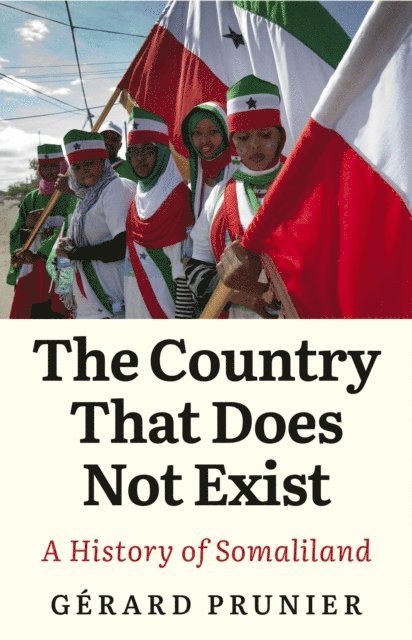
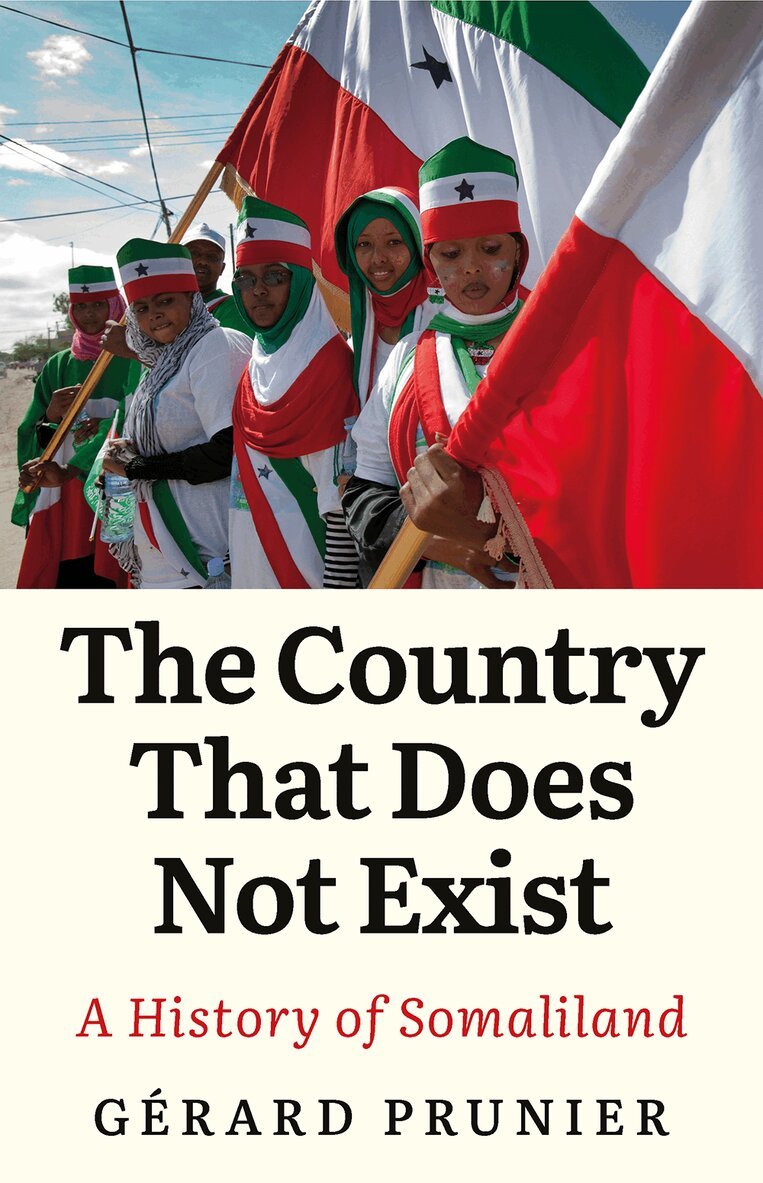
Country That Does Not Exist
A History of Somaliland
E-bok, 2021
850 kr
Lägg i varukorg
The Somali people are fiercely nationalistic. Colonialism split them into five segments divided between four different powers. Thus decolonization and pan-Somalism became synonymous. In 1960 a partial reunification took place between British Somaliland and Somalia Italiana. Africa Confidential …
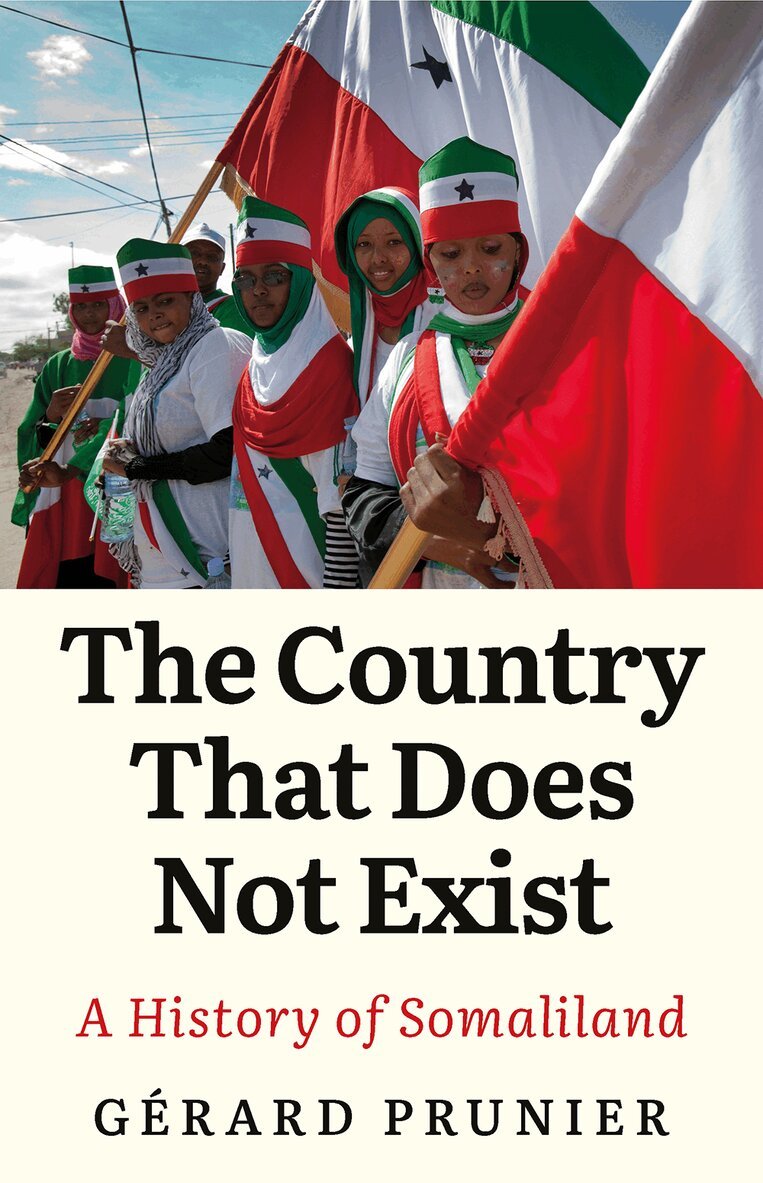
Country That Does Not Exist
A History of Somaliland
Häftad, 2026
280 kr
Lägg i varukorg
The Somali people are fiercely nationalistic. Colonialism split them into five segments divided between four different powers. Thus decolonisation and pan-Somalism became synonymous.In 1960 a partial reunification took place between British Somaliland and Somalia Italiana. 'Africa Confidential' …
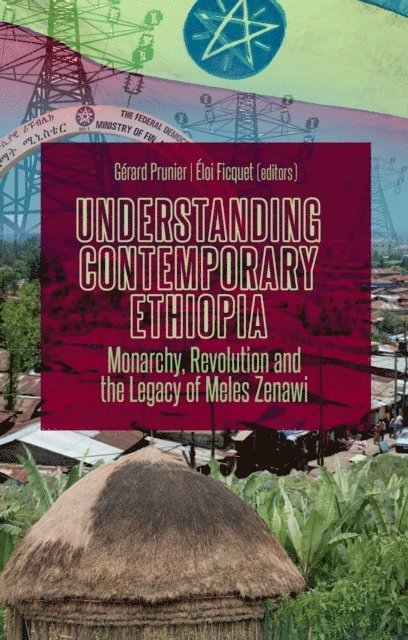
Understanding Contemporary Ethiopia
Monarchy, Revolution and the Legacy of Meles Zenawi
Av Gérard Prunier, Éloi Ficquet m. fl.
Häftad, 2015
348 kr
Lägg i varukorg
When we think of Ethiopia we tend to think in cliches: Solomon and the Queen of Sheba, the Falasha Jews, the epic reign of Emperor Haile Selassie, the Communist Revolution, famine and civil war. Among the countries of Africa it has a high profile yet is poorly known. How- ever all cliches contain …
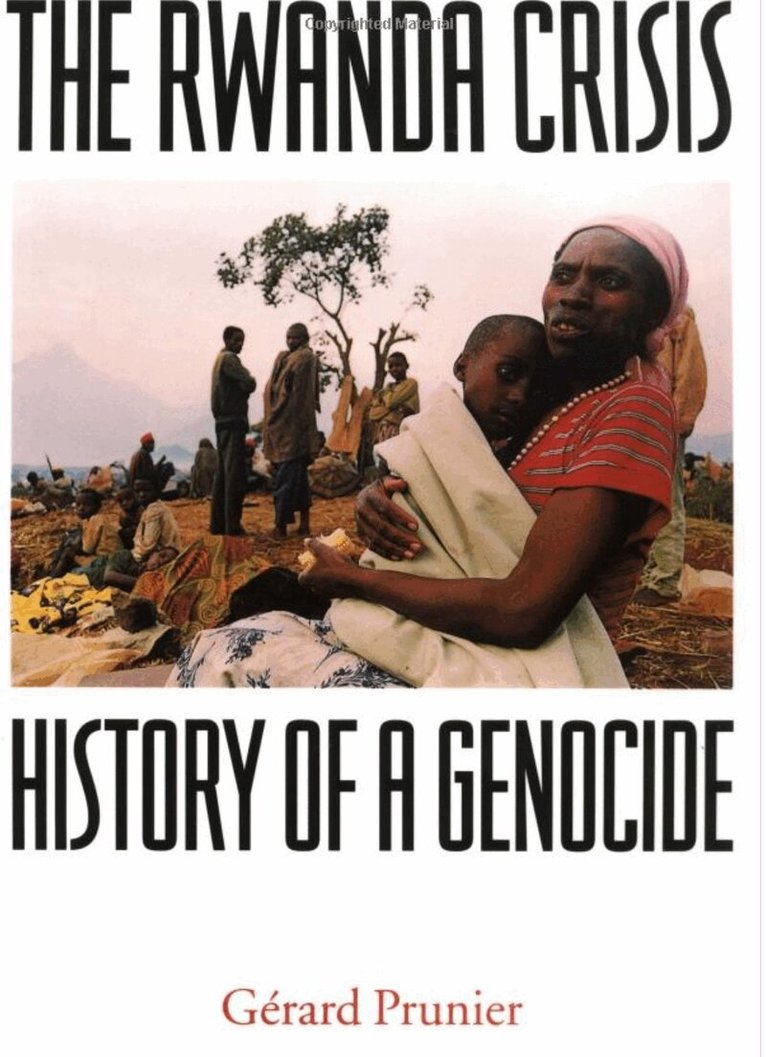
The Rwanda Crisis
History of a Genocide
Häftad, 1997
651 kr
Lägg i varukorg
In the spring of 1994 the tiny African nation of Rwanda exploded onto the international media stage, as internal strife reached genocidal proportions. But the horror that unfolded before our eyes had been building steadily for years before it captured the attention of the world. In The Rwanda …
Country That Does Not Exist
A History of Somaliland
Inbunden, 2021
621 kr
Lägg i varukorg
The Somali people are fiercely nationalistic. Colonialism split them into five segments divided between four different powers. Thus decolonisation and pan-Somalism became synonymous.In 1960 a partial reunification took place between British Somaliland and Somalia Italiana. 'Africa Confidential' …
Country That Does Not Exist
A History of Somaliland
E-bok, 2021
831 kr
Lägg i varukorg
The Somali people are fiercely nationalistic. Colonialism split them into five segments divided between four different powers. Thus decolonization and pan-Somalism became synonymous. In 1960 a partial reunification took place between British Somaliland and Somalia Italiana. Africa Confidential …
Understanding Contemporary Ethiopia
Monarchy, Revolution and the Legacy of Meles Zenawi
Av Eloi Ficquet, Gerard Prunier
E-bok, 2015
388 kr
Lägg i varukorg
When we think of Ethiopia we tend to think in cliches: Solomon and the Queen of Sheba, the Falasha Jews, the epic reign of Emperor Haile Selassie, the Communist Revolution, famine and civil war. Among the countries of Africa it has a high profile yet is poorly known. How- ever all cliches contain …
Understanding Contemporary Ethiopia
Monarchy, Revolution and the Legacy of Meles Zenawi
Av Eloi Ficquet, Gerard Prunier
E-bok, 2015
397 kr
Lägg i varukorg
When we think of Ethiopia we tend to think in cliches: Solomon and the Queen of Sheba, the Falasha Jews, the epic reign of Emperor Haile Selassie, the Communist Revolution, famine and civil war. Among the countries of Africa it has a high profile yet is poorly known. How- ever all cliches contain …
Rwanda Crisis
History of a Genocide
Häftad, 1998
280 kr
Lägg i varukorg
Offering an up-to-date historical perspective which should enable readers to fathom how the brutal massacres of 800,000 Rwandese came to pass in 1994, this volume includes a new chapter that brings the analysis up to the end of 1996. Gerard Prunier probes into how the genocidal events in Rwanda …
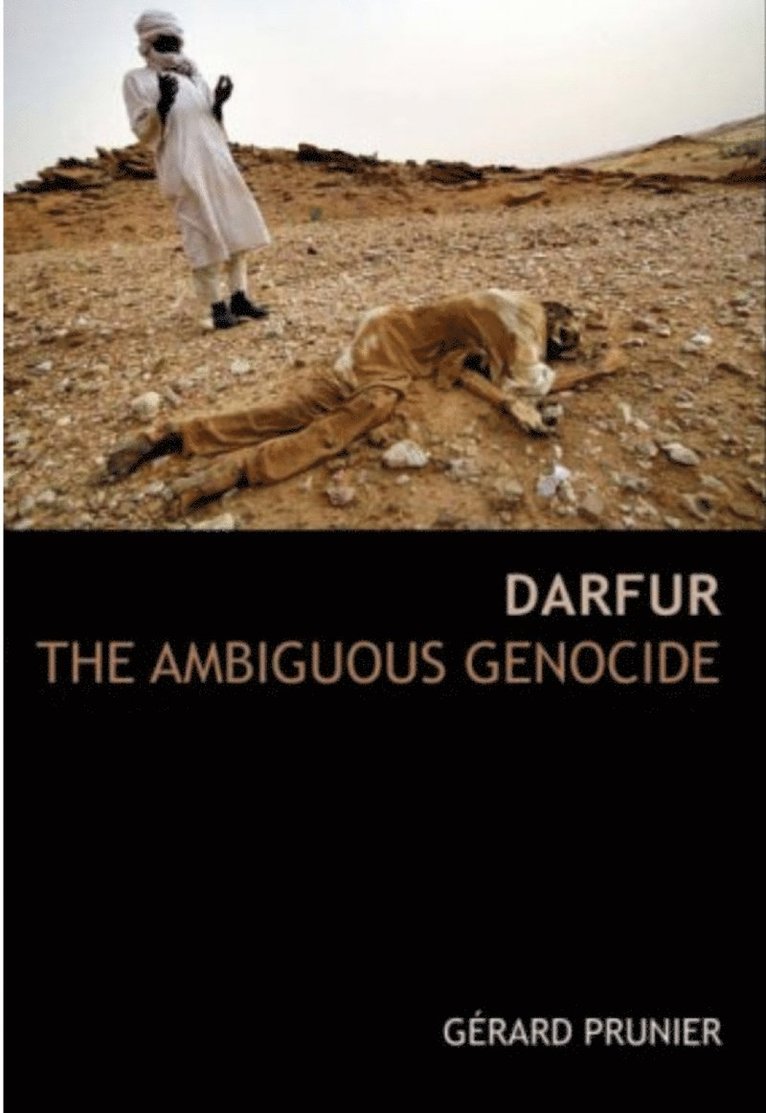
Darfur
The Ambiguous Genocide
Inbunden, 2005
485 kr
Lägg i varukorg
In mid-2004 the Darfur crisis in Western Sudan forced itself on to the centre stage of world affairs. A formerly obscure 'tribal conflict' in the heart of Africa has escalated into what could be the first genocide of the twenty-first century. Its characteristics - Arabism, Islamism, African …
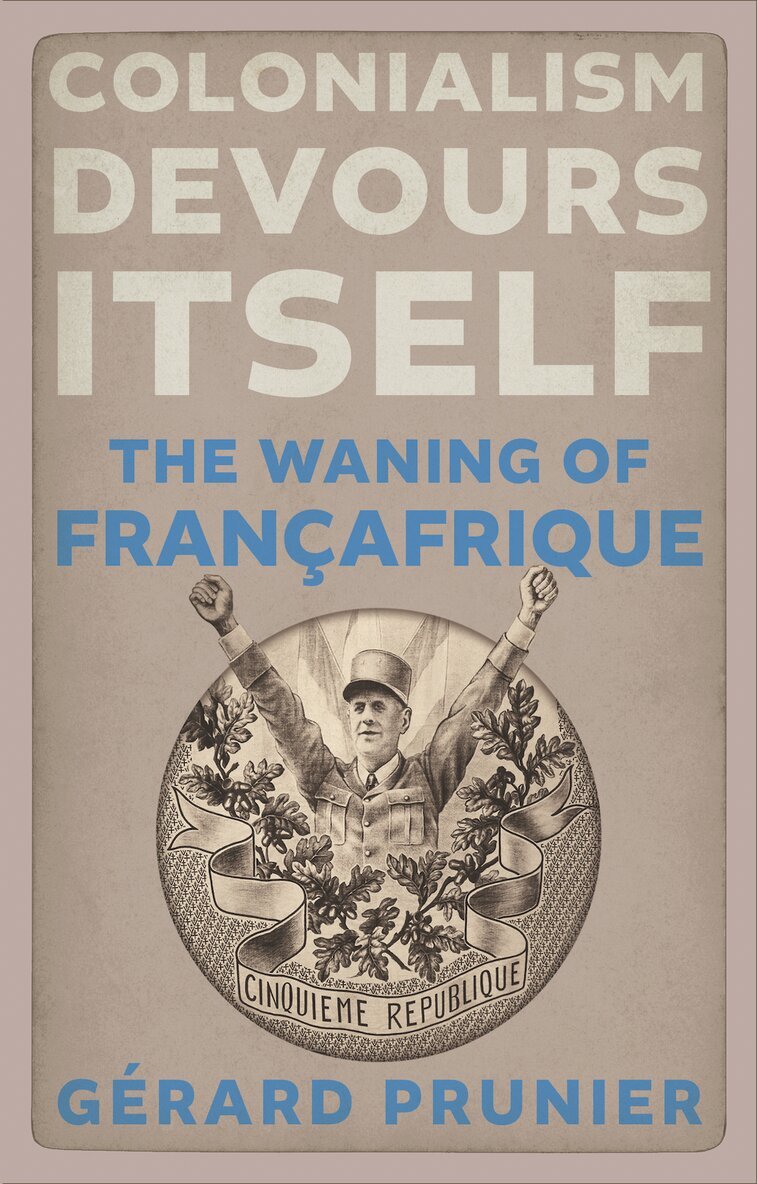
Colonialism Devours Itself
The Waning of Françafrique
Inbunden, 2025
301 kr
Lägg i varukorg
France is the only country that never decolonised its colonies, emotionally, financially or strategically. In the aftermath of losing the Second World War, notwithstanding de Gaulle's attempts to convince his people otherwise, the French knew the game was up. (The Resistance fighters were heroes; …
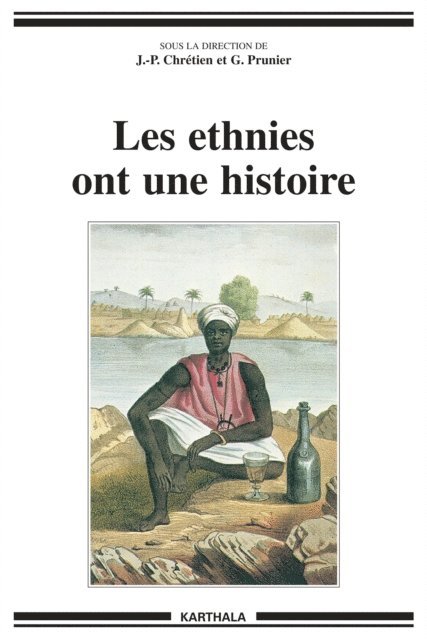
Ethnies ont une histoire (Les)
Av Jean-Pierre Chretien, Gerard Prunier
E-bok, 1989
482 kr
Lägg i varukorg
Dans l’Afrique « précoloniale », les regroupements socioculturels débordaient les cadres restreints de la parenté ou du voisinage, sans forcément se calquer sur les frontières d’une construction étatique ; elles se fondaient sur des solidarités élargies de type religieux, culturel, économique, …