Gerd Nonneman – författare
Visar alla böcker från författaren Gerd Nonneman. Handla med fri frakt och snabb leverans.
5 produkter
5 produkter
2 204 kr
Skickas inom 10-15 vardagar
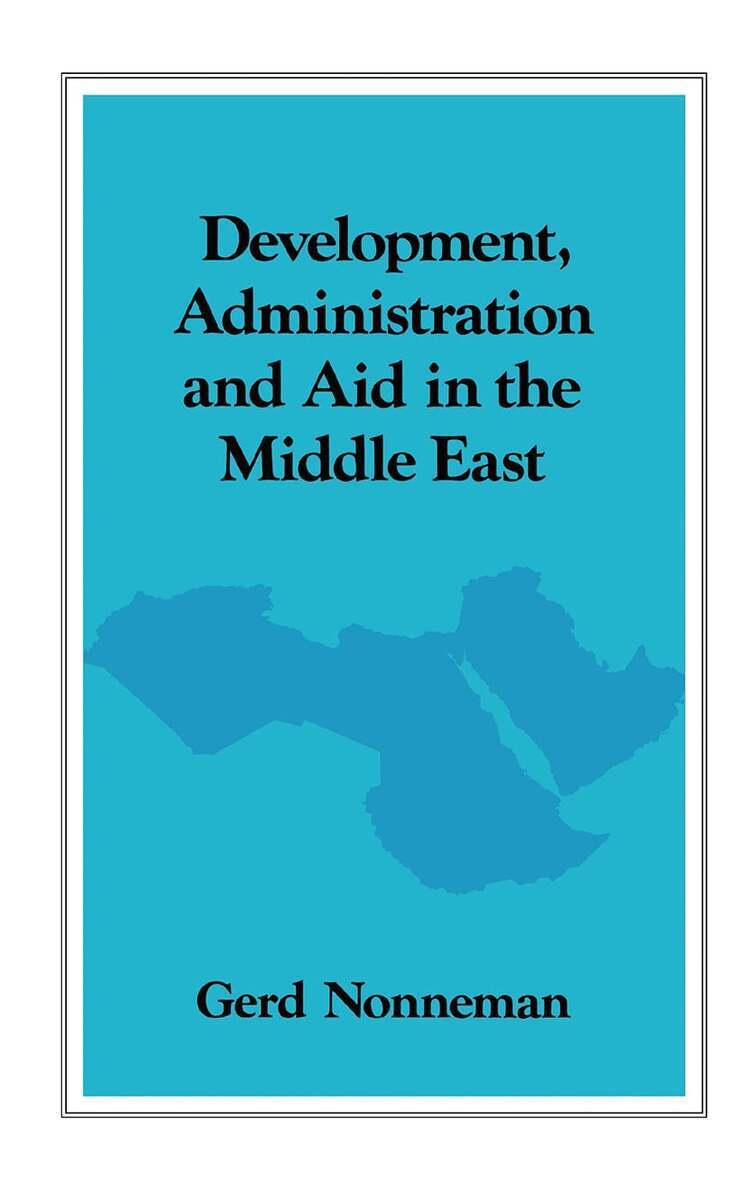
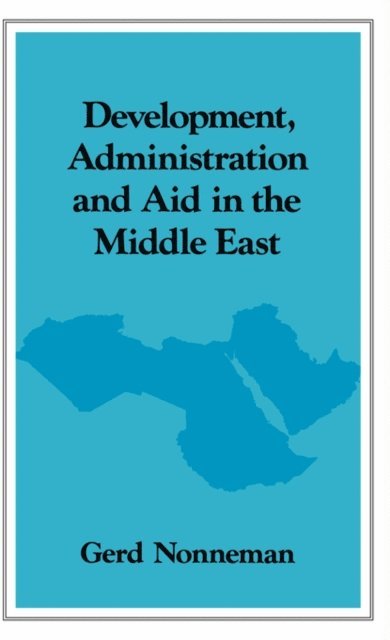
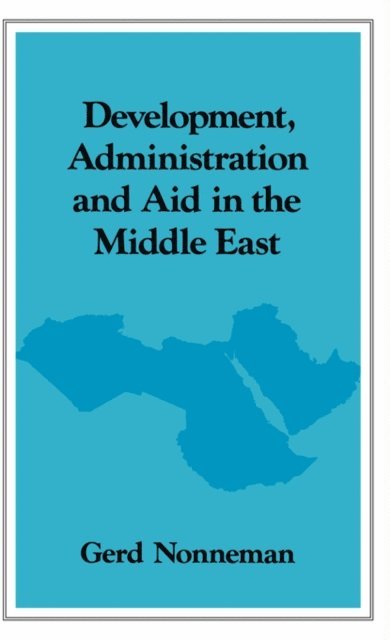
Successful development in the Middle East remains elusive, although considerable aid is poured into the region and extensive bureaucracies for managing development have been established. This book is a concise political economy of Middle Eastern development and its administration. A major focus is the nature and role of State and bureaucracy. Special attention is also paid to the relation between aid and development. In addition to providing an analytical framework, this book brings together a wealth of up-to-date information in an easily accessible format about the region's economic development and the structure of the countries' development 'machinery'. Extensive original research in the area, combined with a balanced use of Western and Arabic sources allow the author to present the most comprehensive overview of the subject available yet. The book encompasses most of the Arab countries plus Ethiopia. The Arab donors are also examined in detail.Especially valuable and not elsewhere available are the numerous organisational charts depicting the individual countries' development administrations and the Arab donors' aid administrations.This book will be of interest to all students of Middle East politics, economics and administration as well as to students of development.
1 998 kr
Skickas inom 10-15 vardagar
In the post-9/11 climate, the role of Middle Eastern and North African (MENA) states in Europe’s regional security environment and international politics has become more than ever a focus for attention, but remains ill-understood. This book provides a framework for the analysis of Middle Eastern foreign policies in general, and for understanding these states’ relations with Europe in particular. The book fills a gap in the literature on Euro-Middle Eastern relations by adopting a south-to-north perspective, using the tools of Foreign Policy Analysis to examine the determinants of the foreign policies of the MENA states themselves: only thus can one hope to arrive at a genuine understanding of what underlies these states’ evolving policy orientations and behaviour towards Europe. The volume starts by laying out a conceptual framework for analysis, and examining the domestic, regional, and international environments that condition MENA foreign policies. Actual policy output is then systematically investigated through a wide range of country case studies ranging from the Maghreb and the Mashreq to the Gulf and Turkey. Europe is treated throughout both as a target of those foreign policies, and as part of the environment that shapes them. The result of a two-year project sponsored by the European University Institute’s Mediterranean Programme, the book helps bridge the divide between Middle East expertise and the discipline of International Relations. The systematic comparative analysis of MENA states’ foreign policy with special reference to Europe throws new light on questions about ‘Third World’ foreign policy.
652 kr
Skickas inom 10-15 vardagar
In the post-9/11 climate, the role of Middle Eastern and North African (MENA) states in Europe’s regional security environment and international politics has become more than ever a focus for attention, but remains ill-understood. This book provides a framework for the analysis of Middle Eastern foreign policies in general, and for understanding these states’ relations with Europe in particular. The book fills a gap in the literature on Euro-Middle Eastern relations by adopting a south-to-north perspective, using the tools of Foreign Policy Analysis to examine the determinants of the foreign policies of the MENA states themselves: only thus can one hope to arrive at a genuine understanding of what underlies these states’ evolving policy orientations and behaviour towards Europe. The volume starts by laying out a conceptual framework for analysis, and examining the domestic, regional, and international environments that condition MENA foreign policies. Actual policy output is then systematically investigated through a wide range of country case studies ranging from the Maghreb and the Mashreq to the Gulf and Turkey. Europe is treated throughout both as a target of those foreign policies, and as part of the environment that shapes them. The result of a two-year project sponsored by the European University Institute’s Mediterranean Programme, the book helps bridge the divide between Middle East expertise and the discipline of International Relations. The systematic comparative analysis of MENA states’ foreign policy with special reference to Europe throws new light on questions about ‘Third World’ foreign policy.
1 401 kr
Skickas inom 5-8 vardagar
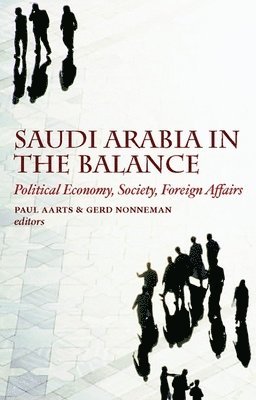
Saudi Arabia in the Balance brings together today's leading scholars in the field to investigate the domestic, regional, and international affairs of a Kingdom whose policies have so far eluded the outside world. With the passing of King Fahd and the installation of King Abdullah, a contemporary understanding of Saudi Arabia is essential as the Kingdom enters a new era of leadership and particularly when many Saudis themselves are increasingly debating, and actively shaping, the future direction of domestic and foreign affairs. Each of the essays, framed in the aftermath of 9/11 and the 2003 invasion of Iraq, offers a systematic perspective into the country's political and economic realities as well as the tension between its regional and global roles. Important topics covered include U.S. and Saudi relations; Saudi oil policy; the Islamist threat to the monarchy regime; educational opportunities; the domestic rise of liberal opposition; economic reform; the role of the royal family; and the country's foreign relations in a changing international world.Contributors: Paul Aarts, Madawi Al-Rasheed, Rachel Bronson, Iris Glosemeyer, Steffen Hertog, Yossi Kostiner, Stephane Lacroix, Giacomo Luciani, Monica Malik, Roel Meijer, Tim Niblock, Gerd Nonneman, Michaela Prokop, Abdulaziz Sager, Guido Steinberg
465 kr
Skickas inom 5-8 vardagar
Saudi Arabia in the Balance brings together today's leading scholars in the field to investigate the domestic, regional, and international affairs of a Kingdom whose policies have so far eluded the outside world. With the passing of King Fahd and the installation of King Abdullah, a contemporary understanding of Saudi Arabia is essential as the Kingdom enters a new era of leadership and particularly when many Saudis themselves are increasingly debating, and actively shaping, the future direction of domestic and foreign affairs. Each of the essays, framed in the aftermath of 9/11 and the 2003 invasion of Iraq, offers a systematic perspective into the country's political and economic realities as well as the tension between its regional and global roles. Important topics covered include U.S. and Saudi relations; Saudi oil policy; the Islamist threat to the monarchy regime; educational opportunities; the domestic rise of liberal opposition; economic reform; the role of the royal family; and the country's foreign relations in a changing international world.Contributors: Paul Aarts, Madawi Al-Rasheed, Rachel Bronson, Iris Glosemeyer, Steffen Hertog, Yossi Kostiner, Stephane Lacroix, Giacomo Luciani, Monica Malik, Roel Meijer, Tim Niblock, Gerd Nonneman, Michaela Prokop, Abdulaziz Sager, Guido Steinberg