Gerhard Kreysa – författare
Visar alla böcker från författaren Gerhard Kreysa. Handla med fri frakt och snabb leverans.
5 produkter
5 produkter
Inbunden, Engelska, 2014
5 918 kr
Skickas inom 10-15 vardagar
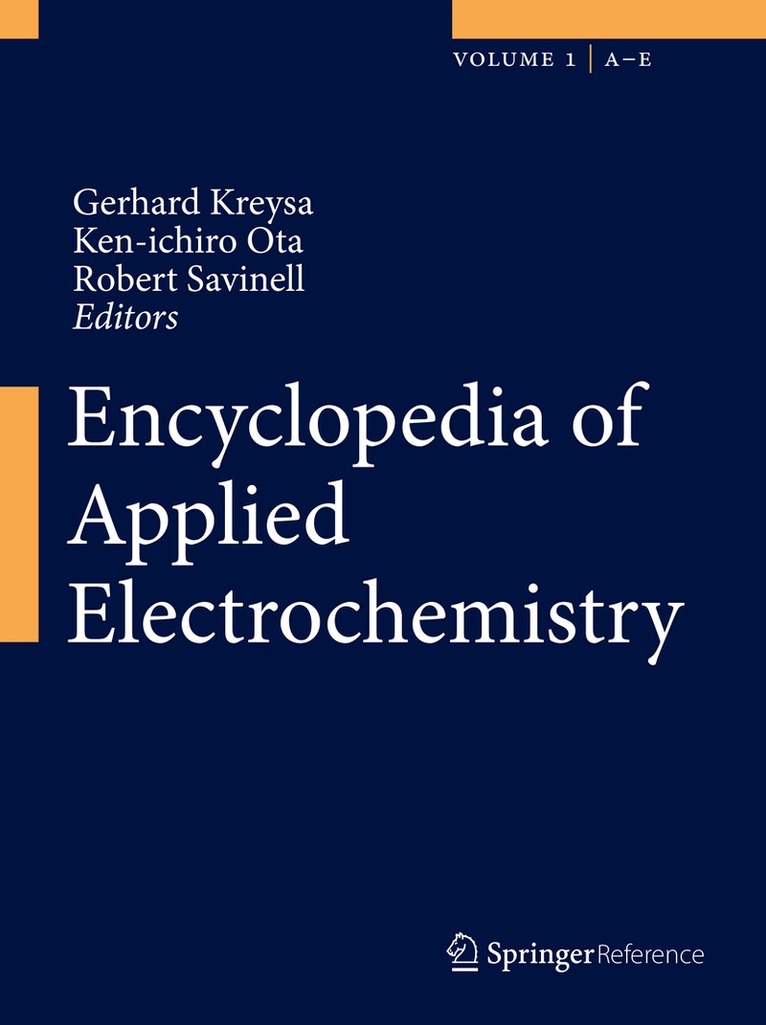
While electrochemistry deals with the interrelation of electrical and chemical phenomena, applied electrochemistry is the interface between fundamental science and practical applications. It is vitally important for our industrial society of today and even more so for its future. A successful response to global challenges such as securing energy supply, developing energy-efficient and sustainable processes and materials, environmentally friendly technologies, or monitoring physiological processes for health care requires electrochemical research and engineering. The Encyclopedia of Applied Electrochemistry provides an authoritative compilation of entries dealing with all applied aspects of electrochemistry, including basic theoretical concepts, and instrumentation. As a unique, one-stop resource for sound and digested knowledge in this field, the Encyclopedia of Applied Electrochemistry comprises the first applications-oriented interdisciplinary work on the critical technologies underlying key advances such as energy efficiency (e.g. batteries for electric cars, etc.), green and sustainable chemical industries, new materials (corrosion resistant and low-friction), and biomedical sensors.
E-bok
Engelska, 20147 366 kr
Läs direkt efter köp
While electrochemistry deals with the interrelation of electrical and chemical phenomena, applied electrochemistry is the interface between fundamental science and practical applications. It is vitally important for our industrial society of today and even more so for its future. A successful response to global challenges such as securing energy supply, developing energy-efficient and sustainable processes and materials, environmentally friendly technologies, or monitoring physiological processes for health care requires electrochemical research and engineering. The Encyclopedia of Applied Electrochemistry provides an authoritative compilation of entries dealing with all applied aspects of electrochemistry, including basic theoretical concepts, and instrumentation. As a unique, one-stop resource for sound and digested knowledge in this field, the Encyclopedia of Applied Electrochemistry comprises the first applications-oriented interdisciplinary work on the critical technologies underlying key advances such as energy efficiency (e.g. batteries for electric cars, etc.), green and sustainable chemical industries, new materials (corrosion resistant and low-friction), and biomedical sensors.
Inbunden, Engelska, 1999
2 694 kr
Skickas inom 10-15 vardagar
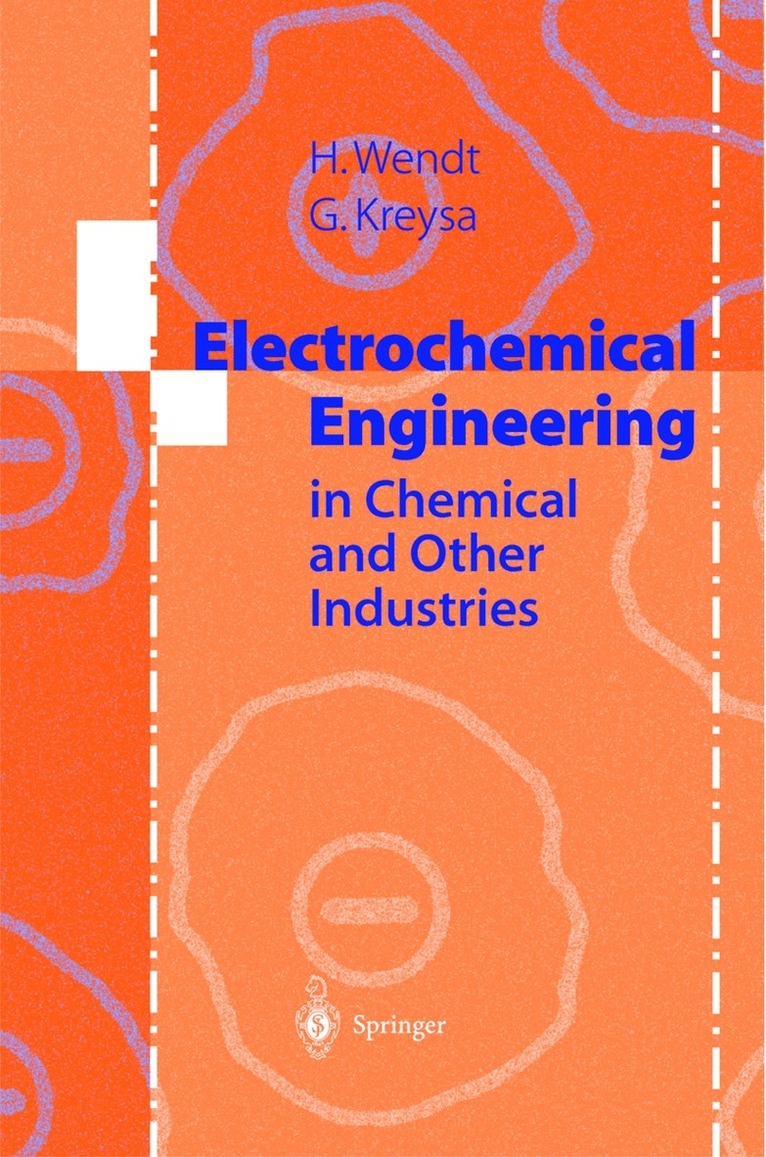
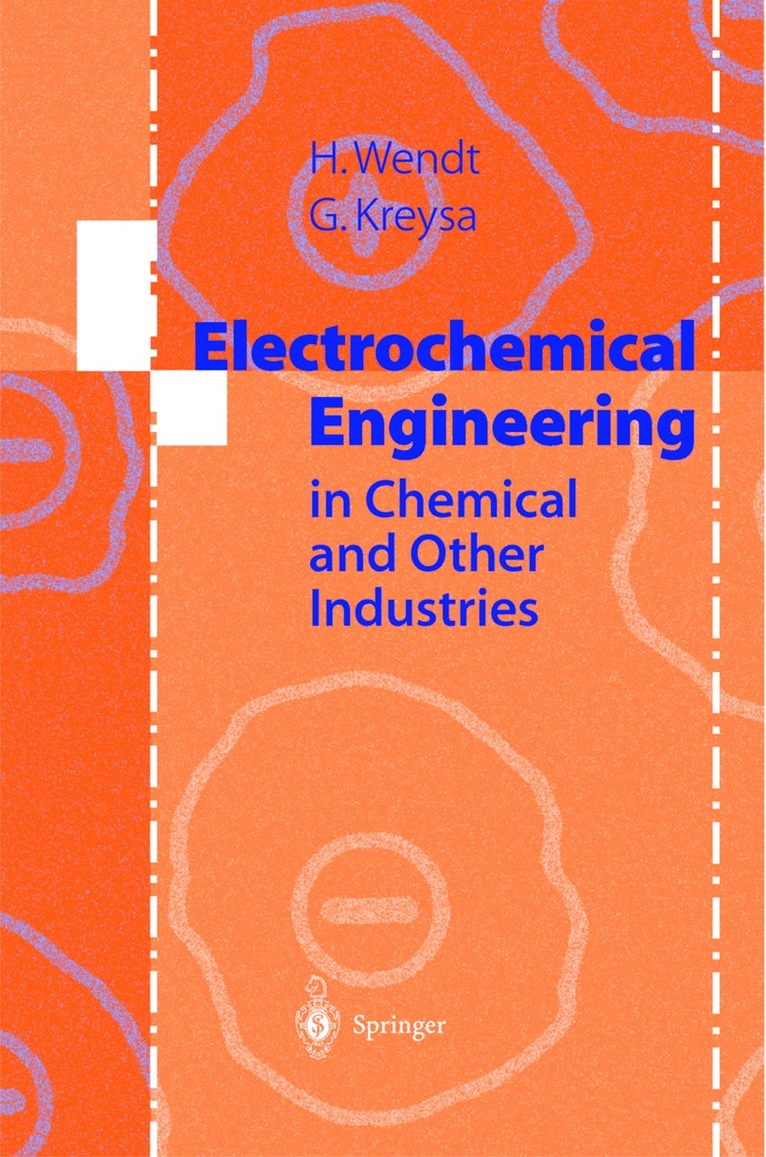
Electrochemical Engineering sounds very much like chemical engineering, but the chemists, electro chemists, material scientists and whoever else comes into touch with technical electrochemical systems very soon gets the feeling, that chemical engineering wisdom will not get them very far in enhancing their un derstanding and helping them to solve their problems with technical electro chemical devices. Indeed not only the appearance of but also the physics and physical chemistry in electrochemical reactors - electrolyzers, batteries or fuel cells and others - are quite different from that of normal chemical reactors. Next to interfacial charge transfer and current density distributions is the relatively high importance of mass transfer and its hindrance in liquid electrolytes which distinguishes electrolyzers from chemical reactors. Therefore electrochemical engineering science became a science branch which at first developed with little reference to chemical engineering treating the relevant topics on a high mathe maticallevel. This has led to a certain perfection, which today - in principl- allows us to model almost any desired electrolyzer or cell configuration with nu merical methods to a degree and precision which satisfies the highest demands. This is classical chemical engineering stuff, which, however, neglects the chem ical side of electrochemical technology.
Häftad, Engelska, 2010
1 941 kr
Skickas inom 10-15 vardagar
Electrochemical Engineering sounds very much like chemical engineering, but the chemists, electro chemists, material scientists and whoever else comes into touch with technical electrochemical systems very soon gets the feeling, that chemical engineering wisdom will not get them very far in enhancing their un derstanding and helping them to solve their problems with technical electro chemical devices. Indeed not only the appearance of but also the physics and physical chemistry in electrochemical reactors - electrolyzers, batteries or fuel cells and others - are quite different from that of normal chemical reactors. Next to interfacial charge transfer and current density distributions is the relatively high importance of mass transfer and its hindrance in liquid electrolytes which distinguishes electrolyzers from chemical reactors. Therefore electrochemical engineering science became a science branch which at first developed with little reference to chemical engineering treating the relevant topics on a high mathe maticallevel. This has led to a certain perfection, which today - in principl- allows us to model almost any desired electrolyzer or cell configuration with nu merical methods to a degree and precision which satisfies the highest demands. This is classical chemical engineering stuff, which, however, neglects the chem ical side of electrochemical technology.
E-bok
PDF, Engelska, 20132 471 kr
Läs direkt efter köp
Electrochemical Engineering sounds very much like chemical engineering, but the chemists, electro chemists, material scientists and whoever else comes into touch with technical electrochemical systems very soon gets the feeling, that chemical engineering wisdom will not get them very far in enhancing their un derstanding and helping them to solve their problems with technical electro chemical devices. Indeed not only the appearance of but also the physics and physical chemistry in electrochemical reactors - electrolyzers, batteries or fuel cells and others - are quite different from that of normal chemical reactors. Next to interfacial charge transfer and current density distributions is the relatively high importance of mass transfer and its hindrance in liquid electrolytes which distinguishes electrolyzers from chemical reactors. Therefore electrochemical engineering science became a science branch which at first developed with little reference to chemical engineering treating the relevant topics on a high mathe maticallevel. This has led to a certain perfection, which today - in principl- allows us to model almost any desired electrolyzer or cell configuration with nu merical methods to a degree and precision which satisfies the highest demands. This is classical chemical engineering stuff, which, however, neglects the chem ical side of electrochemical technology.