Gerhard L. Weinberg – författare
Visar alla böcker från författaren Gerhard L. Weinberg. Handla med fri frakt och snabb leverans.
12 produkter
World War II
A Very Short Introduction
E-bok, 2014
95 kr
Lägg i varukorg
The enormous loss of life and physical destruction caused by the First World War led people to hope that there would never be another such catastrophe. How then did it come about that there was a Second World War causing twice the 30 million deaths and many times more destruction as had been caused …
World War II
A Very Short Introduction
E-bok, 2014
95 kr
Lägg i varukorg
The enormous loss of life and physical destruction caused by the First World War led people to hope that there would never be another such catastrophe. How then did it come about that there was a Second World War causing twice the 30 million deaths and many times more destruction as had been caused …
World War II
A Very Short Introduction
Häftad, 2014
116 kr
Lägg i varukorg
The enormous loss of life and physical destruction caused by the First World War led people to hope that there would never be another such catastrophe. How then did it come about that there was a Second World War causing twice the 30 million deaths and many times more destruction as had been caused …
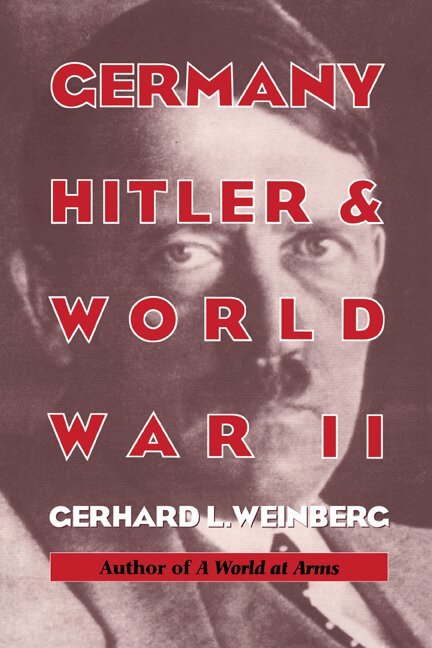
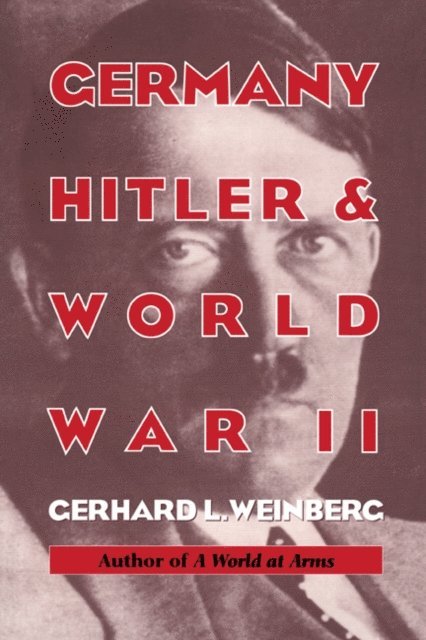
Germany, Hitler, and World War II
Essays in Modern German and World History
Inbunden, 1995
1828 kr
Lägg i varukorg
Reflecting on the greatest war in human history, one cannot help but think about the terrible conflict as a whole, its leaders, its peoples, and the puzzles still open about its conduct. Leaders on both sides realised that at stake from the very beginning was a complete restructuring of the world …
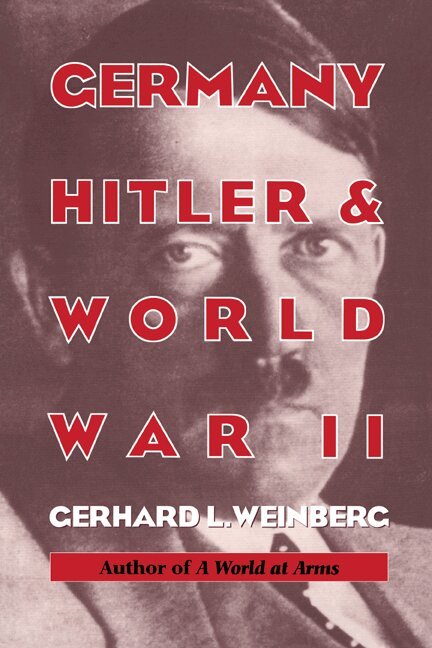
Germany, Hitler, and World War II
Essays in Modern German and World History
Häftad, 1996
687 kr
Lägg i varukorg
Reflecting on the greatest war in human history, one cannot help but think about the terrible conflict as a whole, its leaders, its peoples, and the puzzles still open about its conduct. Leaders on both sides realised that at stake from the very beginning was a complete restructuring of the world …
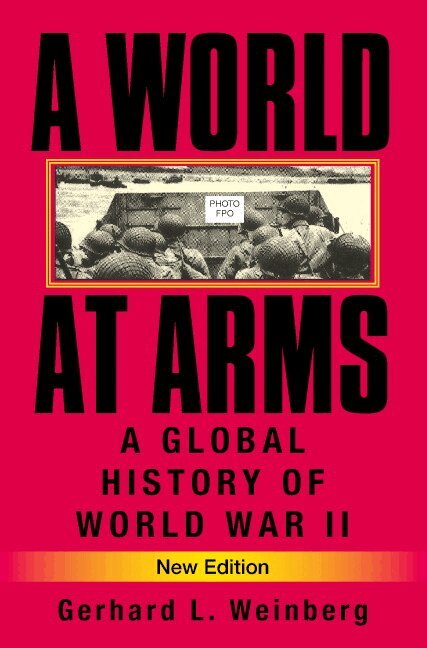
A World at Arms
A Global History of World War II
Häftad, 2005
512 kr
Lägg i varukorg
Widely hailed as a masterpiece, this is the first history of World War II to provide a truly global account of the war that encompassed six continents. Starting with the changes that restructured Europe and her colonies following the First World War, Gerhard Weinberg sheds new light on every aspect …
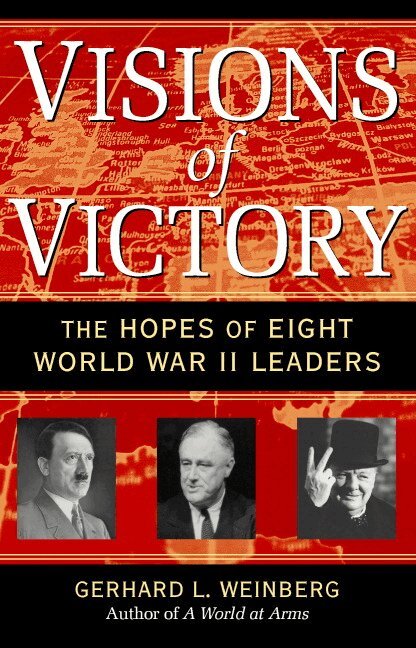
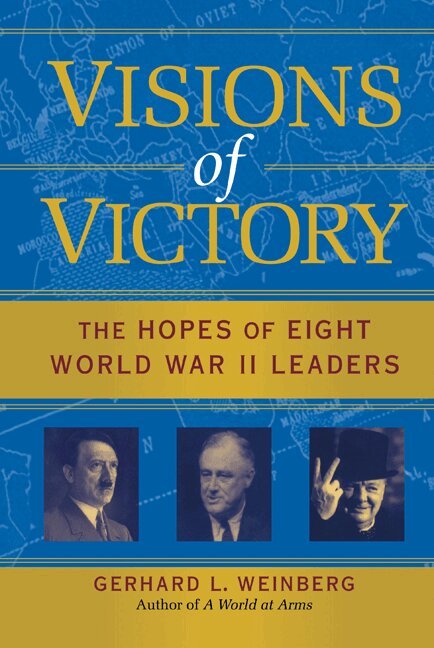
Visions of Victory
The Hopes of Eight World War II Leaders
Häftad, 2007
452 kr
Lägg i varukorg
Visions of Victory, first published in 2005, explores the views of eight leaders of the major powers of World War II - Hitler, Mussolini, Tojo, Chiang Kai-shek, Stalin, Churchill, de Gaulle, and Roosevelt. He compares their visions of the future in the event of victory. While the leaders primarily …
Visions of Victory
The Hopes of Eight World War II Leaders
Inbunden, 2005
586 kr
Lägg i varukorg
Visions of Victory, first published in 2005, explores the views of eight leaders of the major powers of World War II - Hitler, Mussolini, Tojo, Chiang Kai-shek, Stalin, Churchill, de Gaulle, and Roosevelt. He compares their visions of the future in the event of victory. While the leaders primarily …
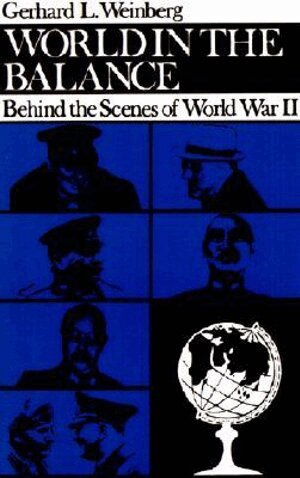
World in the Balance
Häftad, 1981
398 kr
Lägg i varukorg
The purpose of Weinberg's text is to suggest a way in which the dramatic events of World War II may be seen. Weinberg argues that the war must be seen as a whole, and that the presentation of it in discrete segments covering the European and Pacific portions separately distorts reality and obscures …
Germany, Hitler, and World War II
Essays in Modern German and World History
E-bok, 1995
657 kr
Lägg i varukorg
Reflecting on the greatest war in human history, one cannot help but think about the terrible conflict as a whole, its leaders, its peoples, and the puzzles still open about its conduct. Leaders on both sides realised that at stake from the very beginning was a complete restructuring of the world …
Außenpolitische Standortbestimmung Nach Der Reichstagswahl Juni - Juli 1928
Av Gerhard L Weinberg, Christian Hartmann m. fl.
Inbunden, 1995
1844 kr
Lägg i varukorg
![Gerhard L Weinberg - Guide to Captured German Documents [World War II Bibliography], Häftad. Tillgänglighet: Lägg i varukorg](https://image.bokus.com/images2/9781608880676_766)