Gerhard Plenert – författare
626 kr
Skickas inom 3-6 vardagar
Publisher's Note: Products purchased from Third Party sellers are not guaranteed by the publisher for quality, authenticity, or access to any online entitlements included with the product.
Proven methods for achieving continuous process improvement
Resolve "quality chaos" by creating a link between quality problems and their optimal solutions. With a focus on building an integrated quality environment, Strategic Continuous Process Improvement: Which Quality Tools to Use and When to Use Them begins by discussing the different types of continuous process improvement (CPI) systems available.
This practical guide explains how to implement a strategic performance model and select and integrate appropriate metrics to achieve desired results. Tested techniques for executing an improvement process are included along with real-world examples. The book concludes with a plan to help you sustain an ongoing culture of continuous quality improvement in your organization.
Find out how to:
Identify CPI opportunitiesEvaluate various CPI options using comparative benchmarksUnderstand the characteristics of each quality optionMap CPI characteristics against quality problemsSelect the appropriate tool to fit a specific quality problemRecognize the role of governance and performance reviewsCascade and communicate CPI throughout your organizationMove the needle toward successful process optimization786 kr
Läs direkt efter köp
738 kr
Skickas inom 10-15 vardagar
Most books on Supply Chain Management simply focus on how to move materials and key resources throughout an industrial enterprise. Reinventing Lean shows how SCM can be made "Lean,� leading to much more reliable, cost-effective and competitive Supply Chain Management� (SCM). In this book, the reader will find a collection of management tools that will help to implement Lean principles, and to understand the components of an integrated Supply Chain Management system. Moreover, the book will show that to make Lean SCM effective, both the functional management tools as well as an enterprise-wide cultural readiness are needed in order to lay the groundwork for a World Class Lean Supply Chain.
Reinventing Lean will carefully lead engineers and manufacturing managers on how to adopt a cutting-edge Lean Supply Chain strategy. The book will lay out various proven approaches to incorporating Lean and SCM practices, by focusing on the ways in which SCM relates to materials, money, and information movement within the manufacturing environment. And because Reinventing Lean recognizes that a successful Lean SCM system cannot be achieved unless an organization supports team integration and the willingness to adapt to change, it provides not only the technical tools but also methods for changing company cultural factors that can make it all come together for a successful operation.
Industrial engineers and plant managers, with strong backgrounds in SCM, will learn how lean management principles can be utilized to make their organizations leaner, more efficient, and more competitive Readers will find out how to lay out various approaches to incorporating Lean and SCM practices Readers can learn how to customize a cutting-edge Lean Supply Chain strategy which will give a distinct advantage over the competition657 kr
Skickas inom 10-15 vardagar
785 kr
Läs direkt efter köp
This book presents a big-picture overview of the entire Shingo improvement process. It fully discusses the needs and benefits of the Shingo process, and what is required if you seek to execute the Shingo Model in your enterprise and focuses on creating an enduring organization-wide continuous improvement process. It gives the reader a discussion of the entire Shingo experience while most existing books on the model are course-specific.
There are numerous discussions, conference talks, and webinars of why the Shingo process is beneficial, and what types of improvements can be achieved, but the crucial material has not been assembled in one concise book, giving the executive, manager, or supervisor an overview and understanding of what the Shingo experience entails. The main purpose of this book. It is for the executives who want to understand their role in supporting and leading middle management with its implementation. Many executives from developing countries all over the world are seeking a concise definition of what the Shingo model is, and this book functions as the perfect primer. Even those who have attended and implemented the lessons from the Shingo Institute''s courses would find this book a benefit as it serves perfectly as backup and reference material. In addition, this book helps anyone who has started their journey with the Shingo model and may be confused about what to do and expect -- It gives them a vision of what the continuing journey will look like. The Shingo process is being taught at numerous universities and this book could indeed serve as the appropriate textbook or supplemental reading.
Essentially, this book teaches an innovative and extremely successful approach to continuous improvement, referred to as the Shingo process. It is based on a set of universally accepted principles that are endorsed by improvement leaders such as Covey and companies such as Toyota. This book is not a detailed review or a replacement of the Shingo workshops. It is an overview of the entire Shingo process, starting with a discussion of the challenges that many of todays enterprises are experiencing.
The author, in his role as a PhD in economics, has studied industries and has worked closely with many of them attempting to understand their weaknesses. This book builds upon an understanding of these weaknesses. The book discusses how the over-all Shingo methodology fits into these organizations and highlights the benefits. The next step is then to discuss what requirements are necessary for an organization to get ready for a Shingo transformation. What are the steps that the organization needs to go through, and when will it know that it is ready to begin? The book briefly reviews the Shingo Insights and Principles and explains how the Shingo courses should be best utilized to facilitate the desired transformation. It suggests some alternative plans for over-all implementation based on the current state of the enterprise. It explains why there is no “one way” for successful implementation and how the implementation sequence needs to be customized. It also discusses the length of time needed for success and how this differs depending on the current enterprise environment.
Lastly the book explains how the implementation and Shingo training is never finished. It is an on-going process and success is defined by internal improvements, not by some arbitrary external benchmark. The book is intended to be educational, thought provoking, entertaining in its stories and examples, and a guideline towards the development of a plan for continuous improvement. This book is filled with stories and examples, showing successful and not so successful implementations. The stories are used to highlight many of the pitfalls that have arisen and may arise for you and which can be avoided if the reader is aware of them and knows how to watch for them.
785 kr
Läs direkt efter köp
This book presents a big-picture overview of the entire Shingo improvement process. It fully discusses the needs and benefits of the Shingo process, and what is required if you seek to execute the Shingo Model in your enterprise and focuses on creating an enduring organization-wide continuous improvement process. It gives the reader a discussion of the entire Shingo experience while most existing books on the model are course-specific.
There are numerous discussions, conference talks, and webinars of why the Shingo process is beneficial, and what types of improvements can be achieved, but the crucial material has not been assembled in one concise book, giving the executive, manager, or supervisor an overview and understanding of what the Shingo experience entails. The main purpose of this book. It is for the executives who want to understand their role in supporting and leading middle management with its implementation. Many executives from developing countries all over the world are seeking a concise definition of what the Shingo model is, and this book functions as the perfect primer. Even those who have attended and implemented the lessons from the Shingo Institute''s courses would find this book a benefit as it serves perfectly as backup and reference material. In addition, this book helps anyone who has started their journey with the Shingo model and may be confused about what to do and expect -- It gives them a vision of what the continuing journey will look like. The Shingo process is being taught at numerous universities and this book could indeed serve as the appropriate textbook or supplemental reading.
Essentially, this book teaches an innovative and extremely successful approach to continuous improvement, referred to as the Shingo process. It is based on a set of universally accepted principles that are endorsed by improvement leaders such as Covey and companies such as Toyota. This book is not a detailed review or a replacement of the Shingo workshops. It is an overview of the entire Shingo process, starting with a discussion of the challenges that many of todays enterprises are experiencing.
The author, in his role as a PhD in economics, has studied industries and has worked closely with many of them attempting to understand their weaknesses. This book builds upon an understanding of these weaknesses. The book discusses how the over-all Shingo methodology fits into these organizations and highlights the benefits. The next step is then to discuss what requirements are necessary for an organization to get ready for a Shingo transformation. What are the steps that the organization needs to go through, and when will it know that it is ready to begin? The book briefly reviews the Shingo Insights and Principles and explains how the Shingo courses should be best utilized to facilitate the desired transformation. It suggests some alternative plans for over-all implementation based on the current state of the enterprise. It explains why there is no “one way” for successful implementation and how the implementation sequence needs to be customized. It also discusses the length of time needed for success and how this differs depending on the current enterprise environment.
Lastly the book explains how the implementation and Shingo training is never finished. It is an on-going process and success is defined by internal improvements, not by some arbitrary external benchmark. The book is intended to be educational, thought provoking, entertaining in its stories and examples, and a guideline towards the development of a plan for continuous improvement. This book is filled with stories and examples, showing successful and not so successful implementations. The stories are used to highlight many of the pitfalls that have arisen and may arise for you and which can be avoided if the reader is aware of them and knows how to watch for them.
618 kr
Läs direkt efter köp
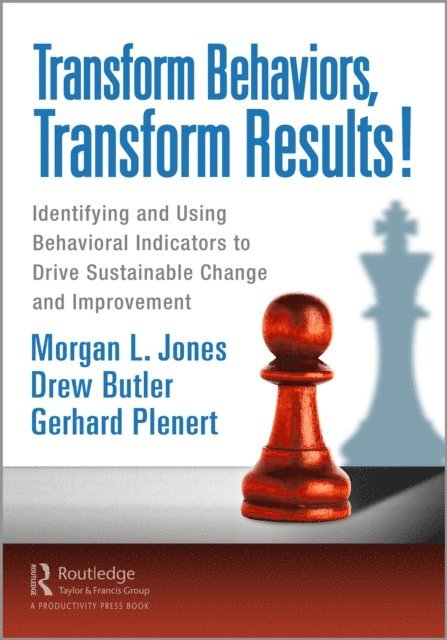
When trying to embed changes or new mindsets and behaviors, organizations tend to focus on following a particular methodology rather than clearly defining the underlying behaviors that will deliver the sustainable behavioral change and align the thought processes that drive the behaviors—whether their intent is to continuously improve safety or overall risk management or achieve a sustainable growth and improvement trajectory.
The key role of leadership teams is not to deliver results. It is to inspire and own the organizational culture that delivers the expected results. If culture is owned by HR, it is doomed to be another thing leaders have to do on top of their day job. Business leadership teams must oversee defining and managing organizational culture and have HR coach the capability of leaders to cast the right leadership shadow by role modeling the right behaviors, rewarding the right behaviors in their teams, and providing clarity on expectations around behaviors for all leaders and employees.
The most challenging part of any performance-improvement implementation is the identification of key behavioral indicators (KBIs). The purpose of this book is to assist with that challenge and make “behaviors” easier to understand and identify.
The book defines and describes the importance of focusing on the behaviors necessary for sustainable change rather than focusing on the tools and methodology behind change management. It discusses multiple lenses of change including Lean, Six Sigma, Agile, Risk, and Customer Experience and also addresses the weaknesses of complying solely with the methodology and tools. It proposes a behavioral framework to suit each particular lens.
This book begins with reasons most continuous improvement programs fail to deliver the expected results. More importantly, it discusses embedding the newly described mindsets and capabilities into the business. The book concludes by providing leaders a roadmap and a coaching framework for how to align and embed their new behavioral framework at all levels, starting from the front-line worker up to the CEO.
Essentially, this book leads the reader through the process of understanding the concept of defining behaviors and the difference between them and tools/methodology. It introduces KBIs for leaders to define and drive the desired behaviors at all levels. This will increase the probability of sustainability for the improvement initiative by focusing on and maturing the behaviors these initiatives are trying to drive.
618 kr
Läs direkt efter köp
When trying to embed changes or new mindsets and behaviors, organizations tend to focus on following a particular methodology rather than clearly defining the underlying behaviors that will deliver the sustainable behavioral change and align the thought processes that drive the behaviors—whether their intent is to continuously improve safety or overall risk management or achieve a sustainable growth and improvement trajectory.
The key role of leadership teams is not to deliver results. It is to inspire and own the organizational culture that delivers the expected results. If culture is owned by HR, it is doomed to be another thing leaders have to do on top of their day job. Business leadership teams must oversee defining and managing organizational culture and have HR coach the capability of leaders to cast the right leadership shadow by role modeling the right behaviors, rewarding the right behaviors in their teams, and providing clarity on expectations around behaviors for all leaders and employees.
The most challenging part of any performance-improvement implementation is the identification of key behavioral indicators (KBIs). The purpose of this book is to assist with that challenge and make “behaviors” easier to understand and identify.
The book defines and describes the importance of focusing on the behaviors necessary for sustainable change rather than focusing on the tools and methodology behind change management. It discusses multiple lenses of change including Lean, Six Sigma, Agile, Risk, and Customer Experience and also addresses the weaknesses of complying solely with the methodology and tools. It proposes a behavioral framework to suit each particular lens.
This book begins with reasons most continuous improvement programs fail to deliver the expected results. More importantly, it discusses embedding the newly described mindsets and capabilities into the business. The book concludes by providing leaders a roadmap and a coaching framework for how to align and embed their new behavioral framework at all levels, starting from the front-line worker up to the CEO.
Essentially, this book leads the reader through the process of understanding the concept of defining behaviors and the difference between them and tools/methodology. It introduces KBIs for leaders to define and drive the desired behaviors at all levels. This will increase the probability of sustainability for the improvement initiative by focusing on and maturing the behaviors these initiatives are trying to drive.
73 kr
Läs direkt efter köp
531 kr
Skickas inom 10-15 vardagar
1 989 kr
Skickas inom 10-15 vardagar
520 kr
Skickas inom 10-15 vardagar
768 kr
Skickas inom 10-15 vardagar
927 kr
Läs direkt efter köp
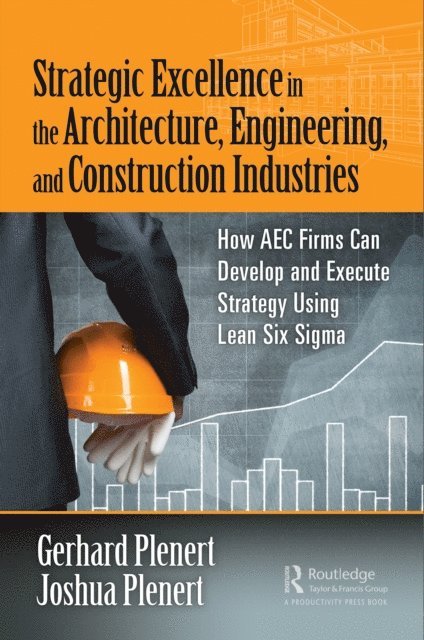
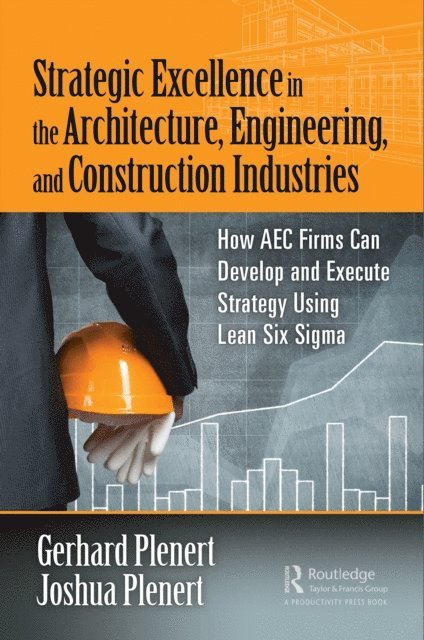
Strategic Excellence in the Architecture, Engineering, and Construction Industries is a process of applied strategic thinking designed to develop a strategy empowered with the agility to adapt to changing circumstances and to drive a high performing culture of ideal behaviors. It is infused with the insight and the thought leadership of the Shingo Model and the scientific thinking of Lean Six Sigma. The book goes beyond the classic approach to strategic planning by driving effective execution of the strategy through the embedment of collective ownership and organization-wide alignment into the entire process.
Significant advances in strategic planning and management have been developed over decades of learning and practice. Many of those advances, however, have been developed in the manufacturing industry and have not been translated into terms easily applicable to the A/E/C (Architectural / Engineering / Construction) industry. This book incorporates current best practices from cutting edge organizations around the globe and presents those in a way that they can easily be applied to A/E/C organizations through an efficient and effective process.
919 kr
Läs direkt efter köp
Strategic Excellence in the Architecture, Engineering, and Construction Industries is a process of applied strategic thinking designed to develop a strategy empowered with the agility to adapt to changing circumstances and to drive a high performing culture of ideal behaviors. It is infused with the insight and the thought leadership of the Shingo Model and the scientific thinking of Lean Six Sigma. The book goes beyond the classic approach to strategic planning by driving effective execution of the strategy through the embedment of collective ownership and organization-wide alignment into the entire process.
Significant advances in strategic planning and management have been developed over decades of learning and practice. Many of those advances, however, have been developed in the manufacturing industry and have not been translated into terms easily applicable to the A/E/C (Architectural / Engineering / Construction) industry. This book incorporates current best practices from cutting edge organizations around the globe and presents those in a way that they can easily be applied to A/E/C organizations through an efficient and effective process.
584 kr
Läs direkt efter köp
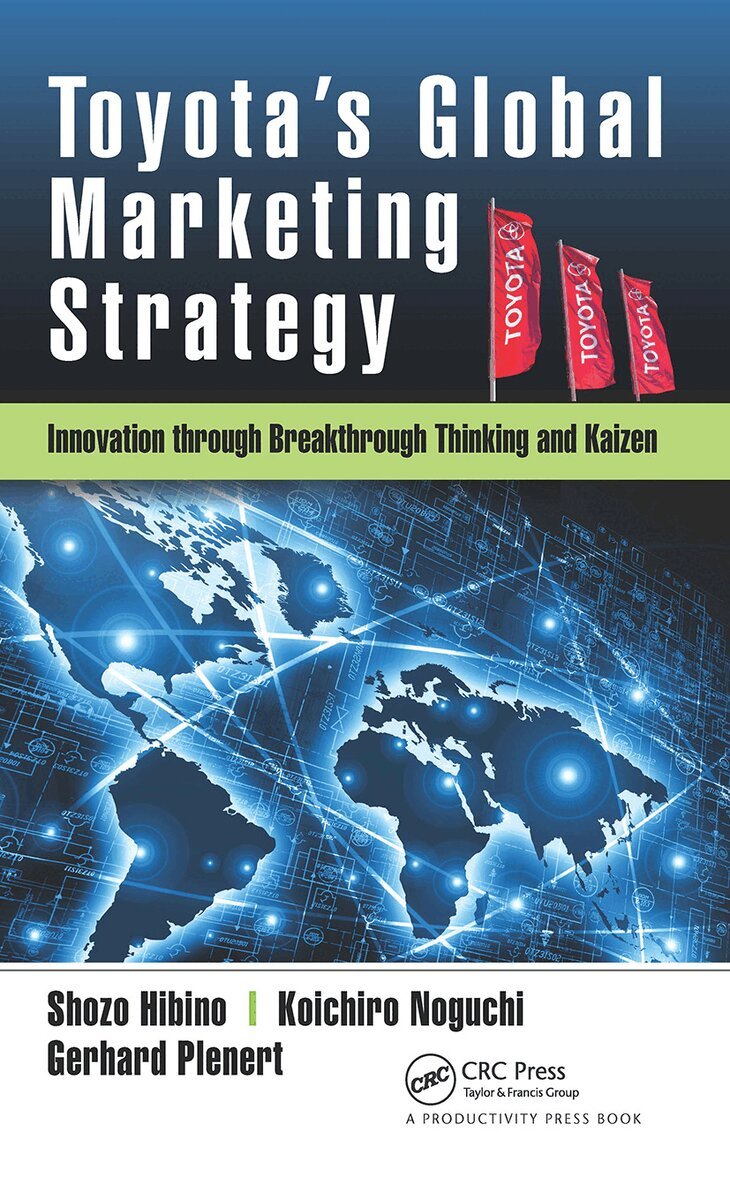
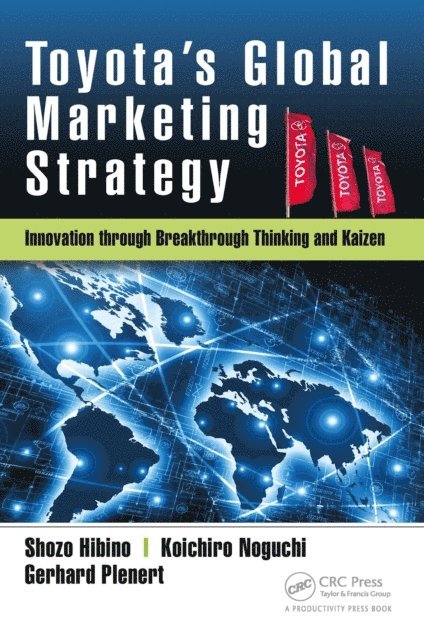
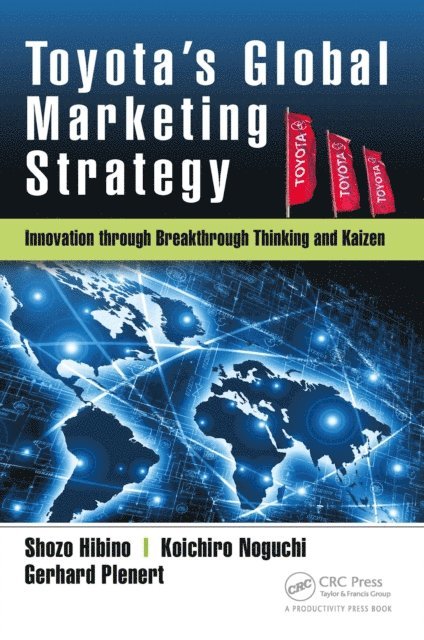
There are many books on the market that discuss the Toyota Production System but few that insightfully analyze its marketing strategy. Authored by former Toyota marketing executives, this is the first book of its kind to detail how Toyota’s thinking habits go beyond the shop floor and influence and guide Toyota’s marketing function.
Toyota has expanded from a venture enterprise to one of the biggest global enterprises because of its innovative mindset (Toyota thinking habits) using Breakthrough Thinking, which supports a new philosophical approach to problem solving, turning 180 degrees away from conventional thinking.
Written by Toyota’s former executive managing director and founder of Breakthrough Thinking, Toyota’s Global Marketing Strategy: Innovation through Breakthrough Thinking and Kaizen:
Explores Toyota’s "Breakthrough Thinking"
Examines how Toyota conducts information gathering.
Illustrates how Toyota builds and maintains its unique business culture
Shows how Toyota "goes to the customer" and comprehensively studies how customers use their products
Reveals Toyota’s cars have become some of the biggest selling models in the USA
The authors of this book explore Toyota thinking habits as well as Toyota’s global marketing strategy, which, since the 1980sa, has been expanding exponentially. The reader will understand the importance of thinking habits in the workplace and will know how to apply them using Toyota as the prime case study.
584 kr
Läs direkt efter köp
There are many books on the market that discuss the Toyota Production System but few that insightfully analyze its marketing strategy. Authored by former Toyota marketing executives, this is the first book of its kind to detail how Toyota’s thinking habits go beyond the shop floor and influence and guide Toyota’s marketing function.
Toyota has expanded from a venture enterprise to one of the biggest global enterprises because of its innovative mindset (Toyota thinking habits) using Breakthrough Thinking, which supports a new philosophical approach to problem solving, turning 180 degrees away from conventional thinking.
Written by Toyota’s former executive managing director and founder of Breakthrough Thinking, Toyota’s Global Marketing Strategy: Innovation through Breakthrough Thinking and Kaizen:
Explores Toyota’s "Breakthrough Thinking"
Examines how Toyota conducts information gathering.
Illustrates how Toyota builds and maintains its unique business culture
Shows how Toyota "goes to the customer" and comprehensively studies how customers use their products
Reveals Toyota’s cars have become some of the biggest selling models in the USA
The authors of this book explore Toyota thinking habits as well as Toyota’s global marketing strategy, which, since the 1980sa, has been expanding exponentially. The reader will understand the importance of thinking habits in the workplace and will know how to apply them using Toyota as the prime case study.
976 kr
Skickas inom 10-15 vardagar
1 103 kr
Läs direkt efter köp
1 103 kr
Läs direkt efter köp
313 kr
Skickas inom 3-6 vardagar
Siege of the Small World
The History of the Small World
243 kr
Skickas inom 5-8 vardagar
Siege of the Small World
198 kr
Skickas inom 5-8 vardagar
Saving the Small World
223 kr
Skickas inom 5-8 vardagar
Montana Bleeds
238 kr
Skickas inom 5-8 vardagar
Montana Terror
Volume III of the Montana Rising Series
276 kr
Skickas inom 3-6 vardagar
250 kr
Skickas inom 5-8 vardagar
250 kr
Skickas inom 5-8 vardagar
250 kr
Skickas inom 5-8 vardagar
236 kr
Skickas inom 5-8 vardagar