Germaine R. Halegoua - Böcker
Visar alla böcker från författaren Germaine R. Halegoua. Handla med fri frakt och snabb leverans.
6 produkter
6 produkter
3 315 kr
Skickas inom 10-15 vardagar
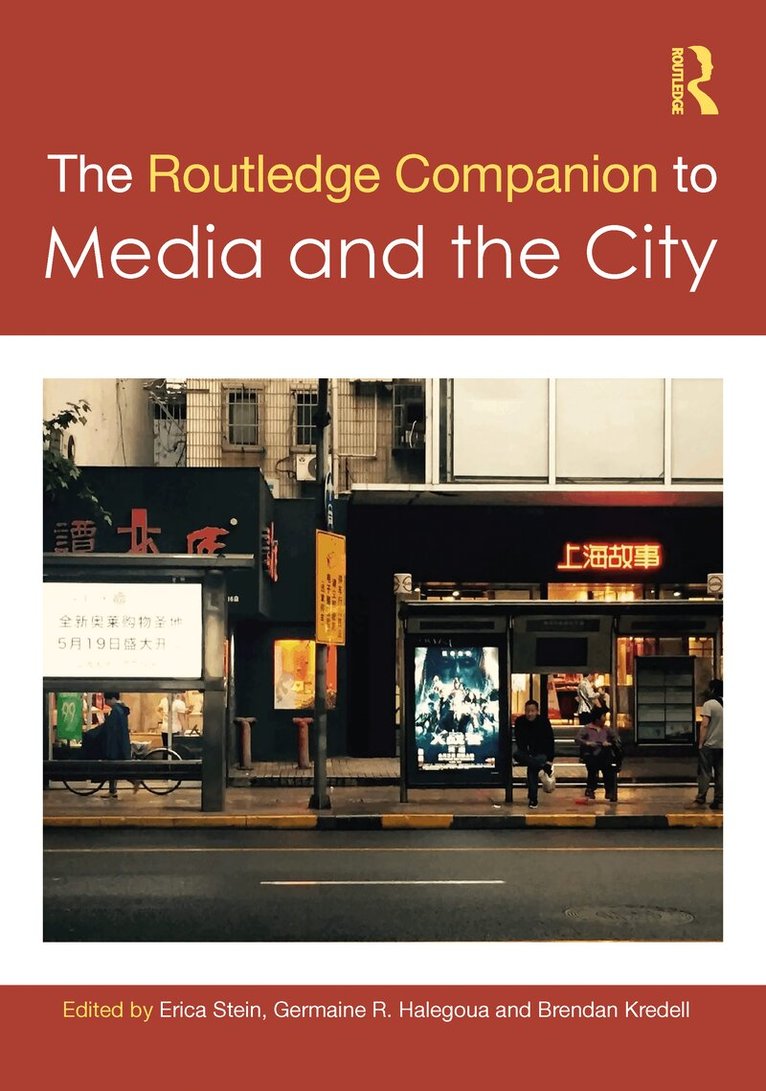
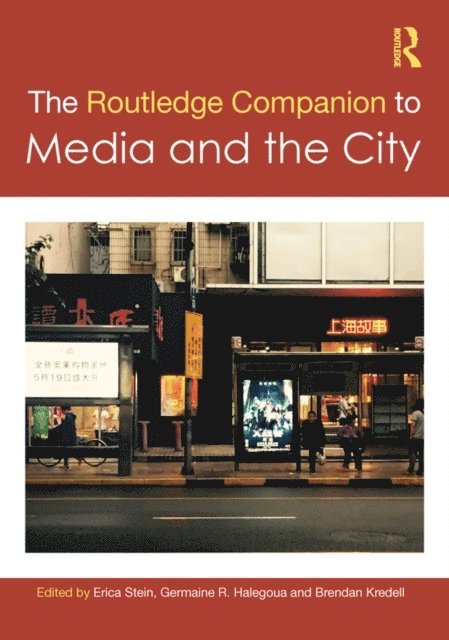
Bringing together leading scholars from around the world and across scholarly disciplines, this collection of 32 original chapters provides a comprehensive exploration of the relationships between cities and media. The volume showcases diverse methods for studying media and the city and posits "media urbanism" as an approach to the co-construction and interactions among media texts and technologies, media users, media industries, media histories, and urban space. Chapters serve as a guide to humanities-based ways of studying urban imaginaries, infrastructures and architectures, development and redevelopment, and strategies and tactics as well as a provocation toward new lines of inquiry that further explore the dense interconnectedness of media and cities. Structured thematically, the chapters are organized into four distinct sections, introduced with editorial commentary that places the chapters into conversation with each other and frames them in relation to an overarching question, problem, or method. Part I: Imaginaries and cityscapes focuses on screen representations and mediated experiences of urban space produced and consumed by various actors; Part II: Architectures and infrastructures highlights the different ways in which built environments and socio-technical substrates that sustain differential mobilities, urban rhythms, and systems of circulation and exchange are intertwined with various forms of media and mediation; Part III: Development and redevelopment examines efforts by urban planners and designers, municipal governments, and community organizers to utilize media forms to imagine and shape the construction of the space and meaning of the city; finally, Part IV: Strategies and tactics uses categories for practices of control and resistance to investigate media and struggles for power within urban environments from surveillance and place-branding to activist media and the right to the city.The Routledge Companion to Media and the City provides a definitive reference for both scholars and students of urban cultures and media within the humanities.
2 235 kr
Skickas inom 10-15 vardagar
Locating Emerging Media focuses on the tensions between the local and global in the design, distribution, and use of emerging media forms, building on scholarship on the cultural geography of new media networks and products and the relationships between the "global" and the "local." Authors consider new media practices, texts, services, software, policies, infrastructures, and design discourses that enrich existing relationships between creative industries and cultures of production, reception, and engagement. This consideration highlights the relationships between global and local perspectives and new media technologies and practices emerging within (and through) the geography and culture of particular places. Areas examined include East Asia, Latin America, Africa, Europe, South Asia, the Pacific Islands, and the Middle East. Through all is the recognition that what is new or emergent around the globe is unique in each locality.
722 kr
Skickas inom 10-15 vardagar
Locating Emerging Media focuses on the tensions between the local and global in the design, distribution, and use of emerging media forms, building on scholarship on the cultural geography of new media networks and products and the relationships between the "global" and the "local." Authors consider new media practices, texts, services, software, policies, infrastructures, and design discourses that enrich existing relationships between creative industries and cultures of production, reception, and engagement. This consideration highlights the relationships between global and local perspectives and new media technologies and practices emerging within (and through) the geography and culture of particular places. Areas examined include East Asia, Latin America, Africa, Europe, South Asia, the Pacific Islands, and the Middle East. Through all is the recognition that what is new or emergent around the globe is unique in each locality.
641 kr
Skickas inom 10-15 vardagar
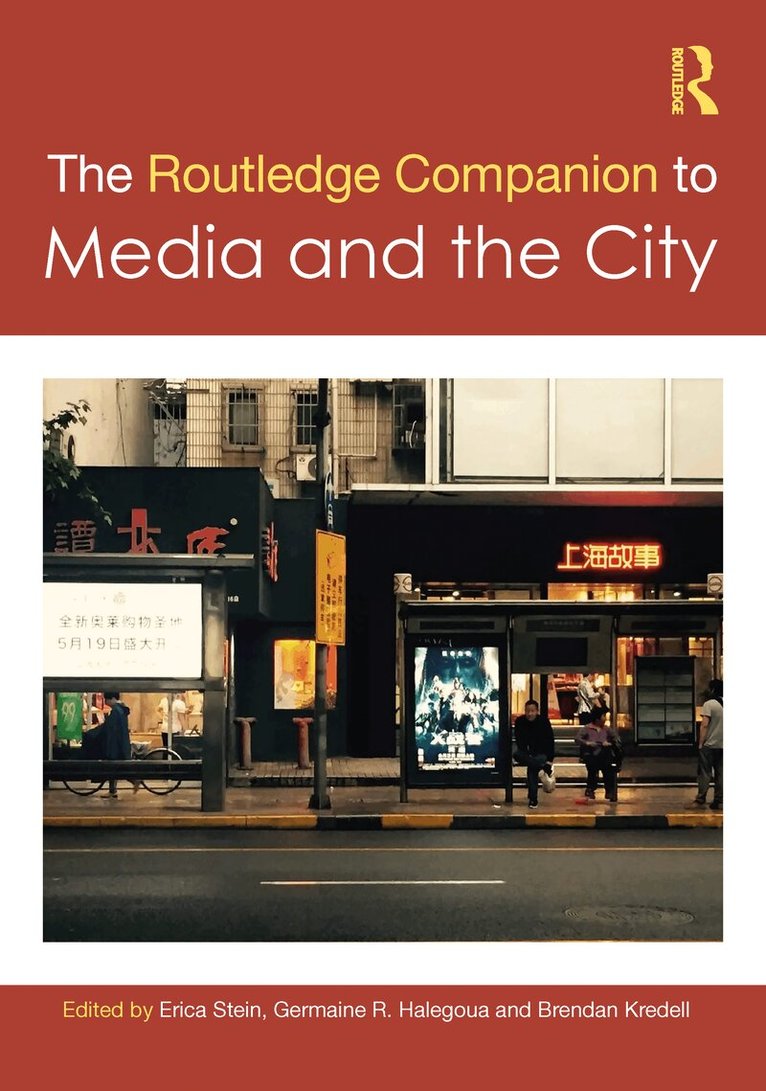
Bringing together leading scholars from around the world and across scholarly disciplines, this collection of 32 original chapters provides a comprehensive exploration of the relationships between cities and media. The volume showcases diverse methods for studying media and the city and posits "media urbanism" as an approach to the co-construction and interactions among media texts and technologies, media users, media industries, media histories, and urban space. Chapters serve as a guide to humanities-based ways of studying urban imaginaries, infrastructures and architectures, development and redevelopment, and strategies and tactics as well as a provocation toward new lines of inquiry that further explore the dense interconnectedness of media and cities. Structured thematically, the chapters are organized into four distinct sections, introduced with editorial commentary that places the chapters into conversation with each other and frames them in relation to an overarching question, problem, or method. Part I: Imaginaries and cityscapes focuses on screen representations and mediated experiences of urban space produced and consumed by various actors; Part II: Architectures and infrastructures highlights the different ways in which built environments and socio-technical substrates that sustain differential mobilities, urban rhythms, and systems of circulation and exchange are intertwined with various forms of media and mediation; Part III: Development and redevelopment examines efforts by urban planners and designers, municipal governments, and community organizers to utilize media forms to imagine and shape the construction of the space and meaning of the city; finally, Part IV: Strategies and tactics uses categories for practices of control and resistance to investigate media and struggles for power within urban environments from surveillance and place-branding to activist media and the right to the city.The Routledge Companion to Media and the City provides a definitive reference for both scholars and students of urban cultures and media within the humanities.
950 kr
Skickas inom 10-15 vardagar
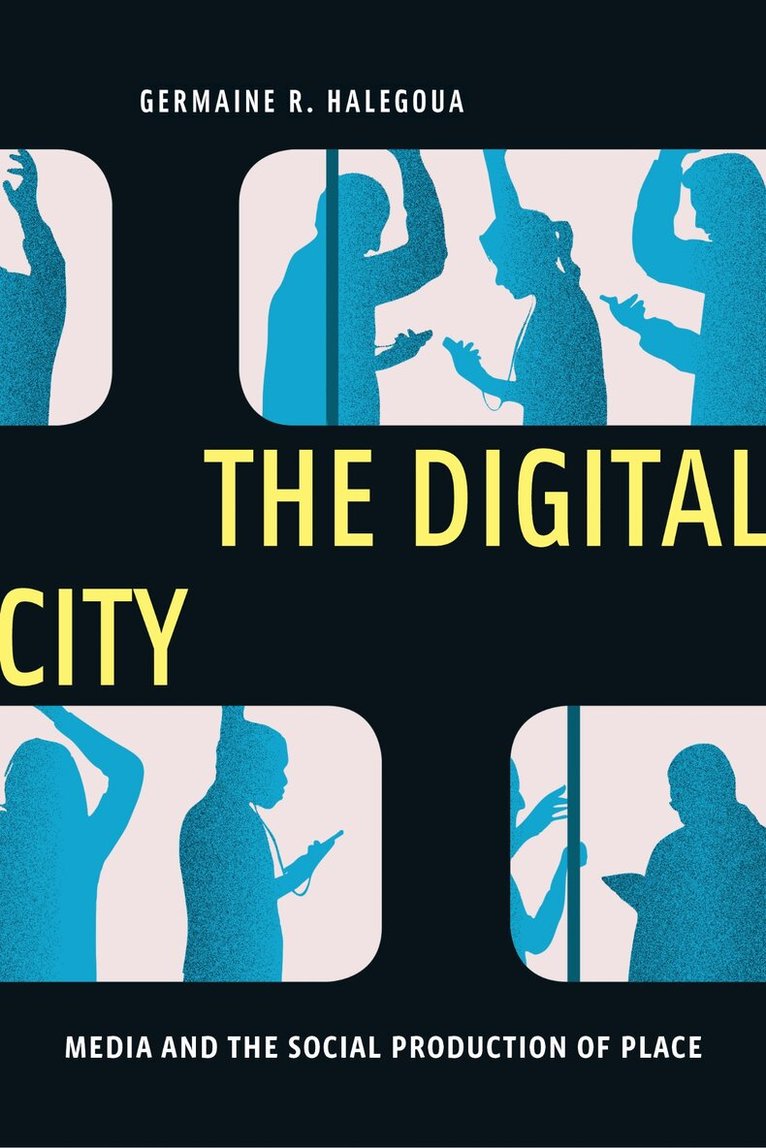
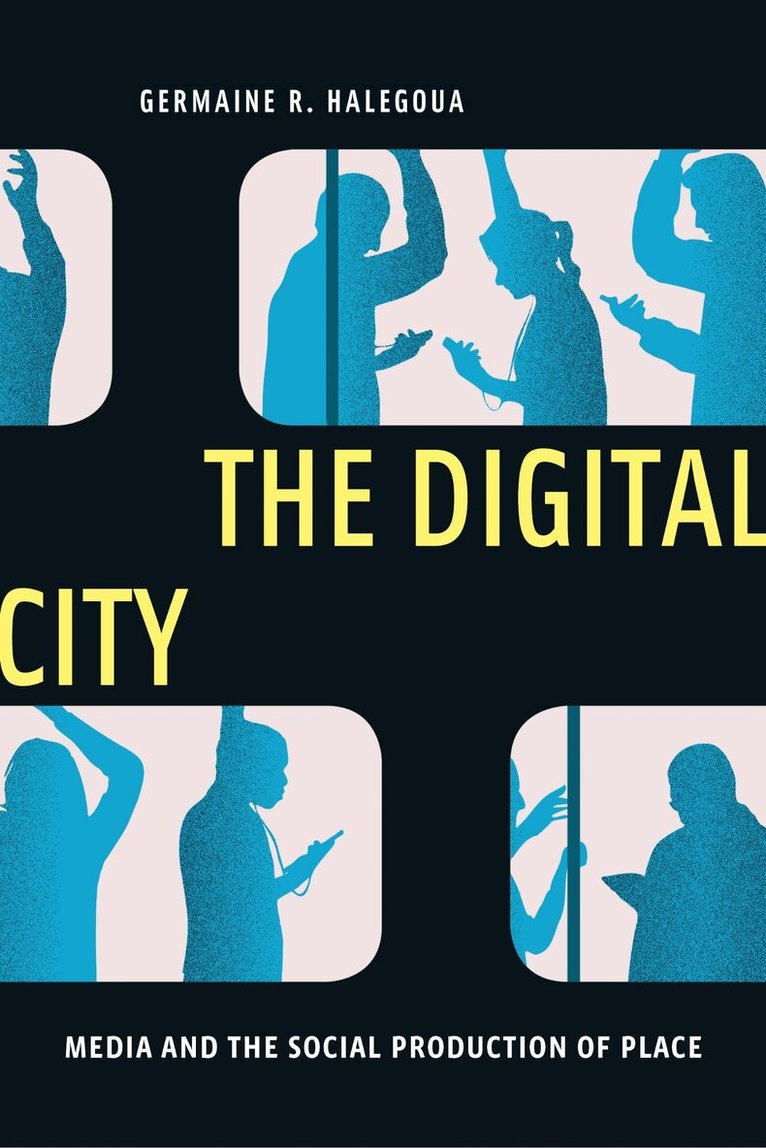
Shows how digital media connects people to their lived environments Every day, millions of people turn to small handheld screens to search for their destinations and to seek recommendations for places to visit. They may share texts or images of themselves and these places en route or after their journey is complete. We don't consciously reflect on these activities and probably don't associate these practices with constructing a sense of place. Critics have argued that digital media alienates users from space and place, but this book argues that the exact opposite is true: that we habitually use digital technologies to re-embed ourselves within urban environments. The Digital City advocates for the need to rethink our everyday interactions with digital infrastructures, navigation technologies, and social media as we move through the world. Drawing on five case studies from global and mid-sized cities to illustrate the concept of "re-placeing," Germaine R. Halegoua shows how different populations employ urban broadband networks, social and locative media platforms, digital navigation, smart cities, and creative placemaking initiatives to turn urban spaces into places with deep meanings and emotional attachments. Through timely narratives of everyday urban life, Halegoua argues that people use digital media to create a unique sense of place within rapidly changing urban environments and that a sense of place is integral to understanding contemporary relationships with digital media.
347 kr
Skickas inom 7-10 vardagar
Shows how digital media connects people to their lived environments Every day, millions of people turn to small handheld screens to search for their destinations and to seek recommendations for places to visit. They may share texts or images of themselves and these places en route or after their journey is complete. We don't consciously reflect on these activities and probably don't associate these practices with constructing a sense of place. Critics have argued that digital media alienates users from space and place, but this book argues that the exact opposite is true: that we habitually use digital technologies to re-embed ourselves within urban environments. The Digital City advocates for the need to rethink our everyday interactions with digital infrastructures, navigation technologies, and social media as we move through the world. Drawing on five case studies from global and mid-sized cities to illustrate the concept of "re-placeing," Germaine R. Halegoua shows how different populations employ urban broadband networks, social and locative media platforms, digital navigation, smart cities, and creative placemaking initiatives to turn urban spaces into places with deep meanings and emotional attachments. Through timely narratives of everyday urban life, Halegoua argues that people use digital media to create a unique sense of place within rapidly changing urban environments and that a sense of place is integral to understanding contemporary relationships with digital media.