Gerold Krozewski – författare
Visar alla böcker från författaren Gerold Krozewski. Handla med fri frakt och snabb leverans.
8 produkter
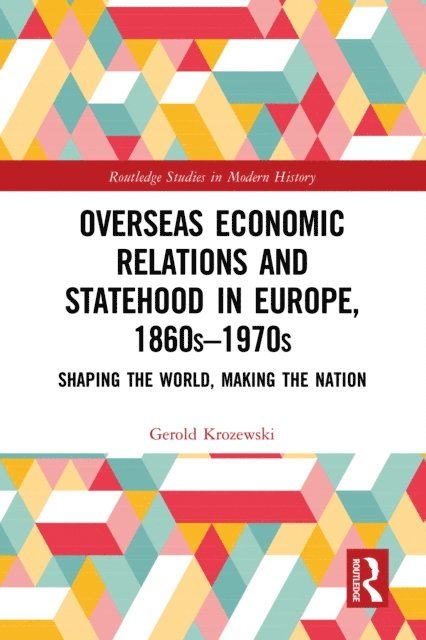
Overseas Economic Relations and Statehood in Europe, 1860s-1970s
Shaping the World, Making the Nation
E-bok, 2023
767 kr
Lägg i varukorg
Drawing on official, archival, and published sources, this book explores how the formative history of the European nation-state was embedded within economic globalization and associated with conceptions of the world overseas. With a particular focus on France, Germany, Italy, and Britain, this …
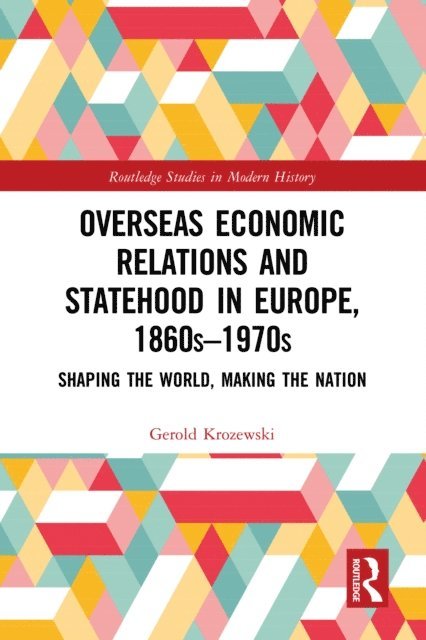
Overseas Economic Relations and Statehood in Europe, 1860s-1970s
Shaping the World, Making the Nation
E-bok, 2023
750 kr
Lägg i varukorg
Drawing on official, archival, and published sources, this book explores how the formative history of the European nation-state was embedded within economic globalization and associated with conceptions of the world overseas. With a particular focus on France, Germany, Italy, and Britain, this …
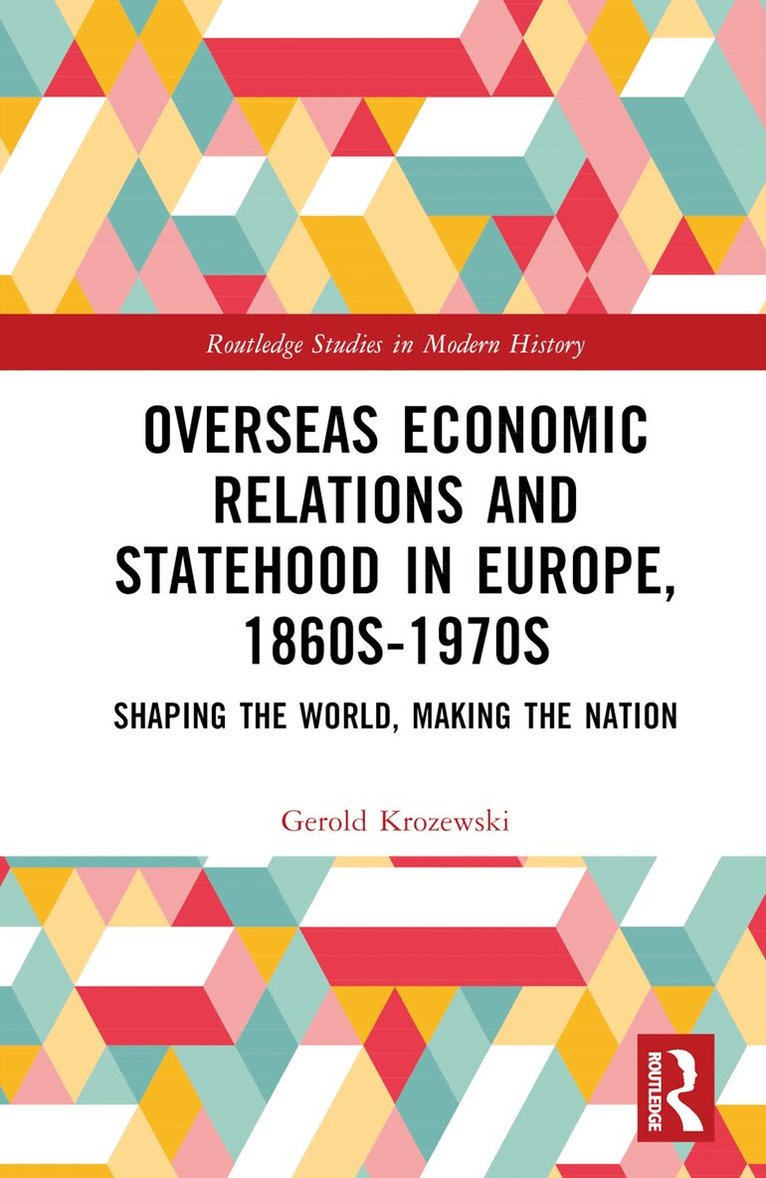
Overseas Economic Relations and Statehood in Europe, 1860s–1970s
Shaping the World, Making the Nation
Inbunden, 2023
2198 kr
Lägg i varukorg
Drawing on official, archival, and published sources, this book explores how the formative history of the European nation-state was embedded within economic globalization and associated with conceptions of the world overseas.With a particular focus on France, Germany, Italy, and Britain, this …
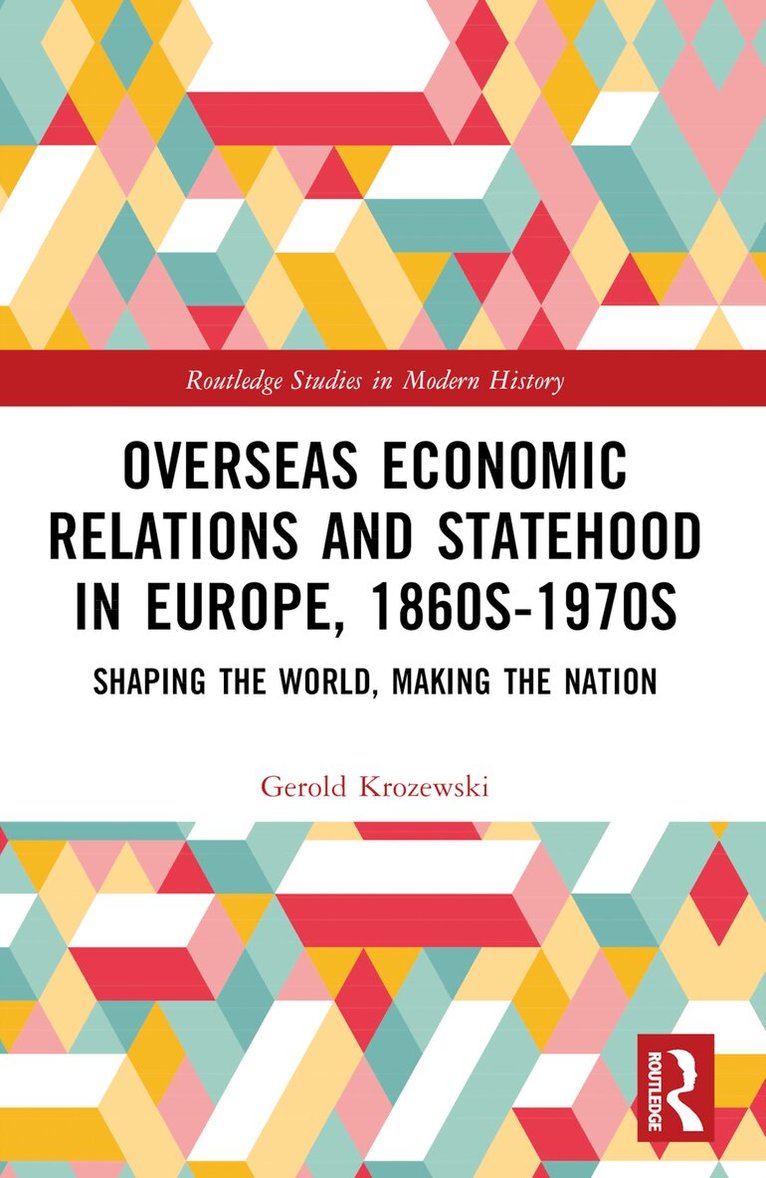
Overseas Economic Relations and Statehood in Europe, 1860s–1970s
Shaping the World, Making the Nation
Häftad, 2024
652 kr
Lägg i varukorg
Drawing on official, archival, and published sources, this book explores how the formative history of the European nation-state was embedded within economic globalization and associated with conceptions of the world overseas.With a particular focus on France, Germany, Italy, and Britain, this …
Transformation of the International Order of Asia
Decolonization, the Cold War, and the Colombo Plan
Av Shigeru Akita, Gerold Krozewski m. fl.
Inbunden, 2014
2588 kr
Lägg i varukorg
In Asia the 1950s were dominated by political decolonization and the emergence of the Cold War system, and newly independent countries were able to utilize the transformed balance of power for their own economic development through economic and strategic aid programmes. This book examines the …
Transformation of the International Order of Asia
Decolonization, the Cold War, and the Colombo Plan
Av Shigeru Akita, Gerold Krozewski m. fl.
Häftad, 2017
772 kr
Lägg i varukorg
In Asia the 1950s were dominated by political decolonization and the emergence of the Cold War system, and newly independent countries were able to utilize the transformed balance of power for their own economic development through economic and strategic aid programmes. This book examines the …
Transformation of the International Order of Asia
Decolonization, the Cold War, and the Colombo Plan
Av Shoichi Watanabe, Gerold Krozewski m. fl.
E-bok, 2014
864 kr
Lägg i varukorg
In Asia the 1950s were dominated by political decolonization and the emergence of the Cold War system, and newly independent countries were able to utilize the transformed balance of power for their own economic development through economic and strategic aid programmes. This book examines the …
Transformation of the International Order of Asia
Decolonization, the Cold War, and the Colombo Plan
Av Shoichi Watanabe, Gerold Krozewski m. fl.
E-bok, 2014
883 kr
Lägg i varukorg
In Asia the 1950s were dominated by political decolonization and the emergence of the Cold War system, and newly independent countries were able to utilize the transformed balance of power for their own economic development through economic and strategic aid programmes. This book examines the …