Gerwin Strobl - Böcker
Visar alla böcker från författaren Gerwin Strobl. Handla med fri frakt och snabb leverans.
4 produkter
4 produkter
441 kr
Skickas inom 7-10 vardagar
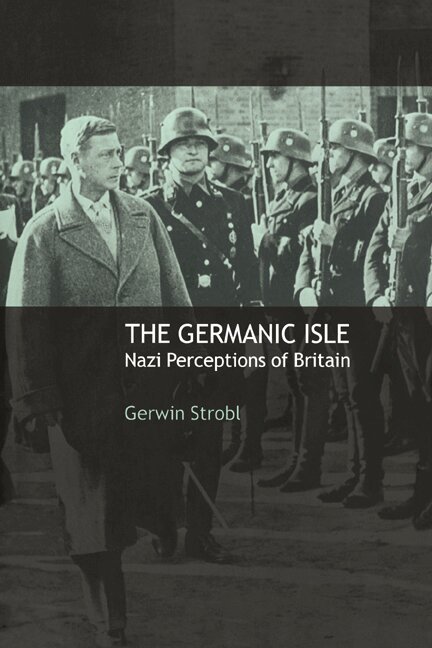
This book explains Hitler's view of Britain as both Nordic ally and role model. Gerwin Strobl shows that there was a surprising level of affection for Britain and British culture among ordinary Germans, from the discourses of the 1920s to the vigorous anti-British propaganda of the war years. Despite Hitler's tactical duplicity at Munich, there is overwhelming evidence that one of the Nazis' fundamental objectives was to forge an alliance with Britain and to emulate the 'ruthlessness' of the British Empire in dealing with eastern Europe. For the German public, admiration of Britain and enjoyment of its culture were enduring factors, even during Goebbels' frequent attacks; but both the Reich leadership and ordinary Germans otherwise lacked first-hand knowledge of Britain, while independent sources were suppressed. The book includes a number of unusual and striking illustrations, most of which will be unfamiliar to modern readers.
523 kr
Skickas inom 7-10 vardagar
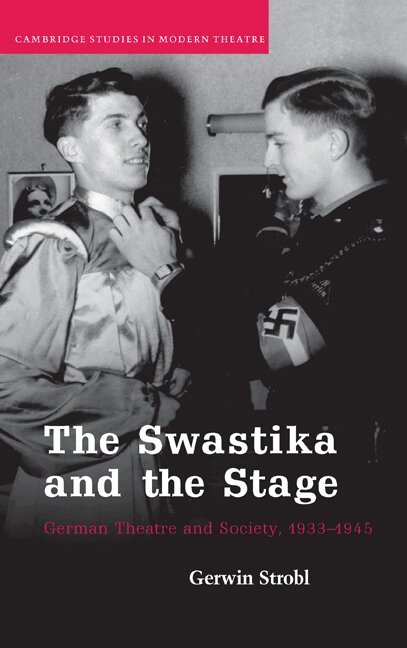
Based on extensive archival research, this is a comprehensive study of theatre in the Third Reich. It explores the contending pressures and ambitions within the regime and the Nazi party, within the German theatre profession itself and the theatre-going public. Together, these shaped theatrical practice in the Nazi years. By tracing the origins of the Nazi stage back to the right-wing theatre reform movement of the late nineteenth century, Strobl suggests that theatre was widely regarded as a central pillar of German national identity. The role played by the stage in the evolving collective German identity after 1933 is examined through chapters on theatre and Nazi racial policy, anti-religious campaigns and the uses of history. The book traces the evolving fortunes of theatre in the Third Reich, to the years of 'total war', and the resulting physical destruction of most German playhouses.
1 228 kr
Skickas inom 7-10 vardagar
This book explains Hitler's view of Britain as both Nordic ally and role model. Gerwin Strobl shows that there was a surprising level of affection for Britain and British culture among ordinary Germans, from the discourses of the 1920s to the vigorous anti-British propaganda of the war years. Despite Hitler's tactical duplicity at Munich, there is overwhelming evidence that one of the Nazis' fundamental objectives was to forge an alliance with Britain and to emulate the 'ruthlessness' of the British Empire in dealing with eastern Europe. For the German public, admiration of Britain and enjoyment of its culture were enduring factors, even during Goebbels' frequent attacks; but both the Reich leadership and ordinary Germans otherwise lacked first-hand knowledge of Britain, while independent sources were suppressed. The book includes a number of unusual and striking illustrations, most of which will be unfamiliar to modern readers.
1 485 kr
Skickas inom 7-10 vardagar
Based on extensive archival research, this is a comprehensive study of theatre in the Third Reich. It explores the contending pressures and ambitions within the regime and the Nazi party, within the German theatre profession itself and the theatre-going public. Together, these shaped theatrical practice in the Nazi years. By tracing the origins of the Nazi stage back to the right-wing theatre reform movement of the late nineteenth century, Strobl suggests that theatre was widely regarded as a central pillar of German national identity. The role played by the stage in the evolving collective German identity after 1933 is examined through chapters on theatre and Nazi racial policy, anti-religious campaigns and the uses of history. The book traces the evolving fortunes of theatre in the Third Reich, to the years of 'total war', and the resulting physical destruction of most German playhouses.