Gevork Hartoonian - Böcker
Visar alla böcker från författaren Gevork Hartoonian. Handla med fri frakt och snabb leverans.
20 produkter
20 produkter
634 kr
Skickas inom 10-15 vardagar
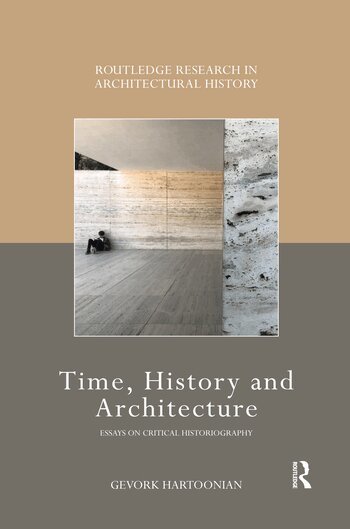
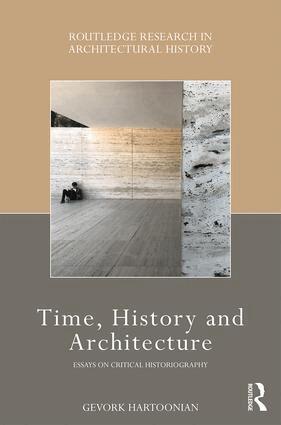
Time, History and Architecture presents a series of essays on critical historiography, each addressing a different topic, to elucidate the importance of two influential figures Walter Benjamin and Gottfried Semper for architectural history. In a work exploring themes such as time, autonomy and periodization, author Gevork Hartoonian unpacks the formation of architectural history; the problem of autonomy in criticism and the historiographic narrative. Considering the scope of criticism informing the contemporaneity of architecture, the book explores the concept of nonsimultaneity, and introduces retrospective criticism the agent of critical historiography. An engaging thematic dialogue for academics and upper-level graduate students interested in architectural history and theory, this book aims to deconstruct the certainties of historicism and to raise new questions and interpretations from established critical canons.
2 228 kr
Skickas inom 10-15 vardagar
The essays compiled in this book explore aspects of Walter Benjamin’s discourse that have contributed to the formation of contemporary architectural theories. Issues such as technology and history have been considered central to the very modernity of architecture, but Benjamin’s reflection on these subjects has elevated the discussion to a critical level. The contributors in this book consider Walter Benjamin's ideas in the context of digitalization of architecture where it is the very technique itself that determines the processes of design and the final form. This book was published as a special issue of Architectural Theory Review.
826 kr
Skickas inom 10-15 vardagar
The essays compiled in this book explore aspects of Walter Benjamin’s discourse that have contributed to the formation of contemporary architectural theories. Issues such as technology and history have been considered central to the very modernity of architecture, but Benjamin’s reflection on these subjects has elevated the discussion to a critical level. The contributors in this book consider Walter Benjamin's ideas in the context of digitalization of architecture where it is the very technique itself that determines the processes of design and the final form. This book was published as a special issue of Architectural Theory Review.
Ontology of Construction
On Nihilism of Technology and Theories of Modern Architecture
Häftad, Engelska, 1997
280 kr
Skickas inom 7-10 vardagar
Ontology of Construction, first published in 1994, explores theories of construction in modern architecture, with a particular focus on the relationship between nihilism of technology and architecture. Providing an historical context to the concept of making, the essays collected in this volume articulate the implications of technology in works by such architects as Le Corbusier, Frank Lloyd Wright, Adolf Loos and Mies van der Rohe. Also provided is an interpretation of Gottfried Semper's discourse on the Tectonic and the relationship between architecture and other crafts. Emphasising 'fabrication' as a critical theme for contemporary architectural theory and practice, Ontology of Construction is a provocative contribution to the current debate in these areas.
2 167 kr
Skickas inom 10-15 vardagar
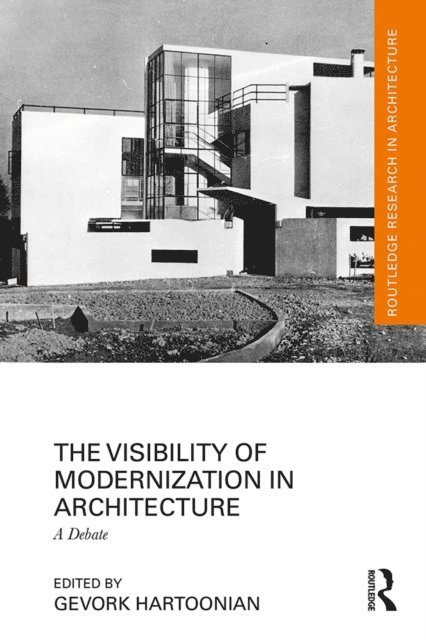
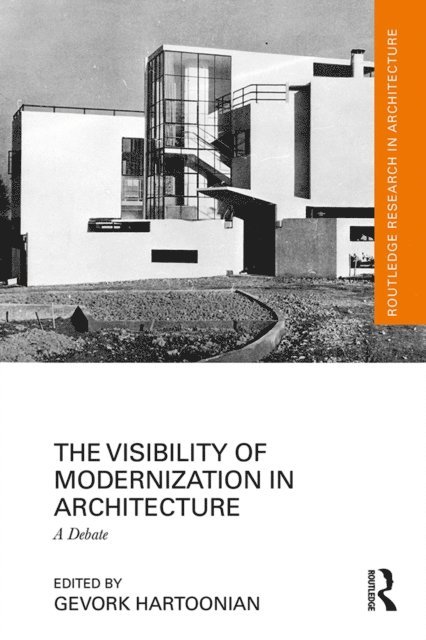
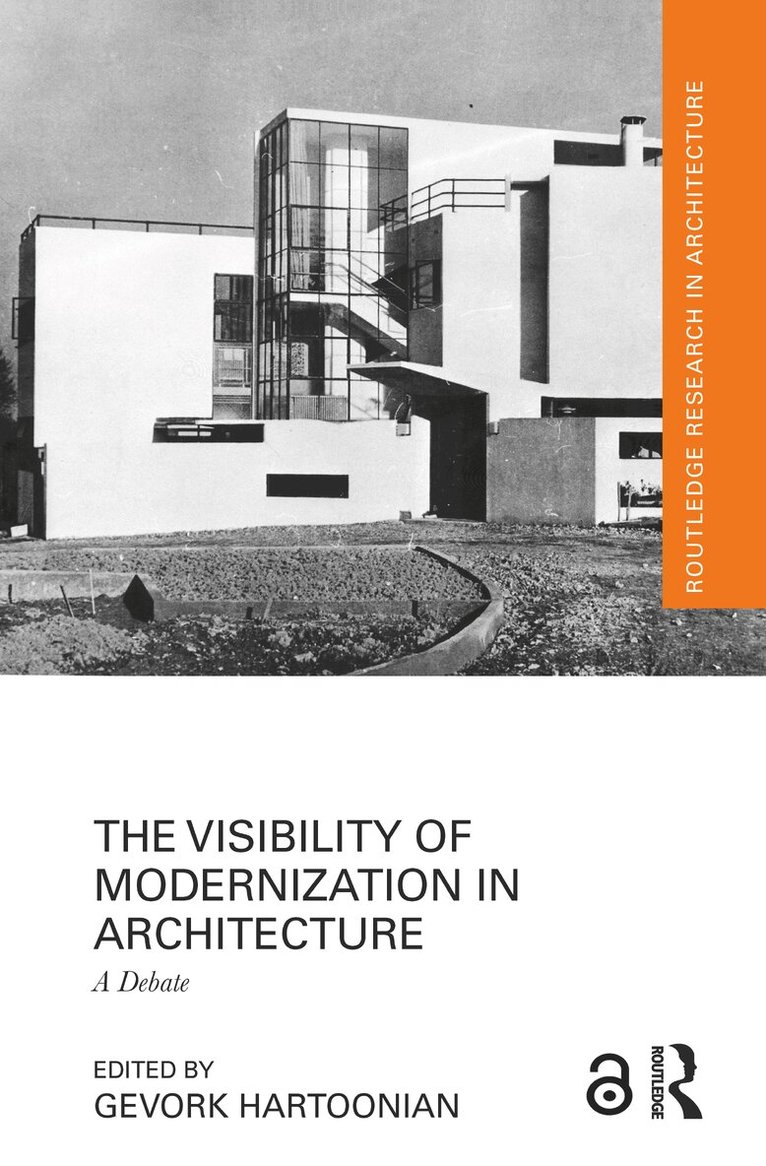
This edited collection explores the visibility of modernization in architecture produced in different capitalist regions across the world and provides readers with a historico-theoretical and historico-geographical discussion.Focusing on a particular building type, an influential architect’s work, as well as relevant texts and documents, each chapter addresses the many facets of "delay" which are central to the problematization of capitalism’s progressive dissemination of technological and aesthetic regimes of modernism. This collection underlines the centrality of temporality for a critical understanding of colonialism, modernism, and capitalism. The book is primarily concerned with the historical timeline, the tangential point when a nation enters modernization processes. In exploring modernism in diverse regions such as East Asia, Pacific, Eastern Europe, and Iran, each chapter addresses the historiographic and architectonic unfolding of modernization beyond the western hemisphere.The exploration of these diverse case-studies will be of interest to students of architecture and researchers working on the collision of temporalities and the subject's critical importance for different country’s built-environments.Chapter 13 of this book is freely available as a downloadable Open Access PDF at http://www.taylorfrancis.com under a Creative Commons Attribution-Non Commercial-No Derivatives (CC BY-NC-ND) 4.0 license.
592 kr
Skickas inom 10-15 vardagar
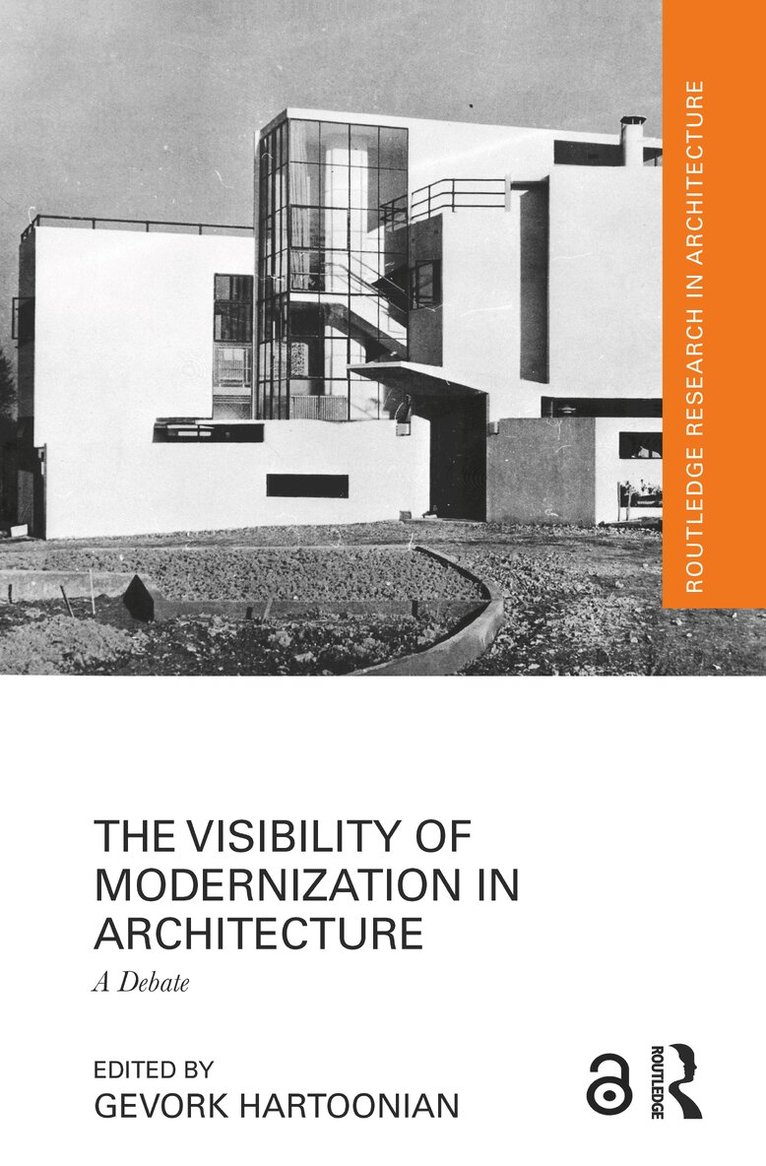
This edited collection explores the visibility of modernization in architecture produced in different capitalist regions across the world and provides readers with a historico-theoretical and historico-geographical discussion.Focusing on a particular building type, an influential architect’s work, as well as relevant texts and documents, each chapter addresses the many facets of "delay" which are central to the problematization of capitalism’s progressive dissemination of technological and aesthetic regimes of modernism. This collection underlines the centrality of temporality for a critical understanding of colonialism, modernism, and capitalism. The book is primarily concerned with the historical timeline, the tangential point when a nation enters modernization processes. In exploring modernism in diverse regions such as East Asia, Pacific, Eastern Europe, and Iran, each chapter addresses the historiographic and architectonic unfolding of modernization beyond the western hemisphere.The exploration of these diverse case-studies will be of interest to students of architecture and researchers working on the collision of temporalities and the subject's critical importance for different country’s built-environments.Chapter 13 of this book is freely available as a downloadable Open Access PDF at http://www.taylorfrancis.com under a Creative Commons Attribution-Non Commercial-No Derivatives (CC BY-NC-ND) 4.0 license.
593 kr
Skickas
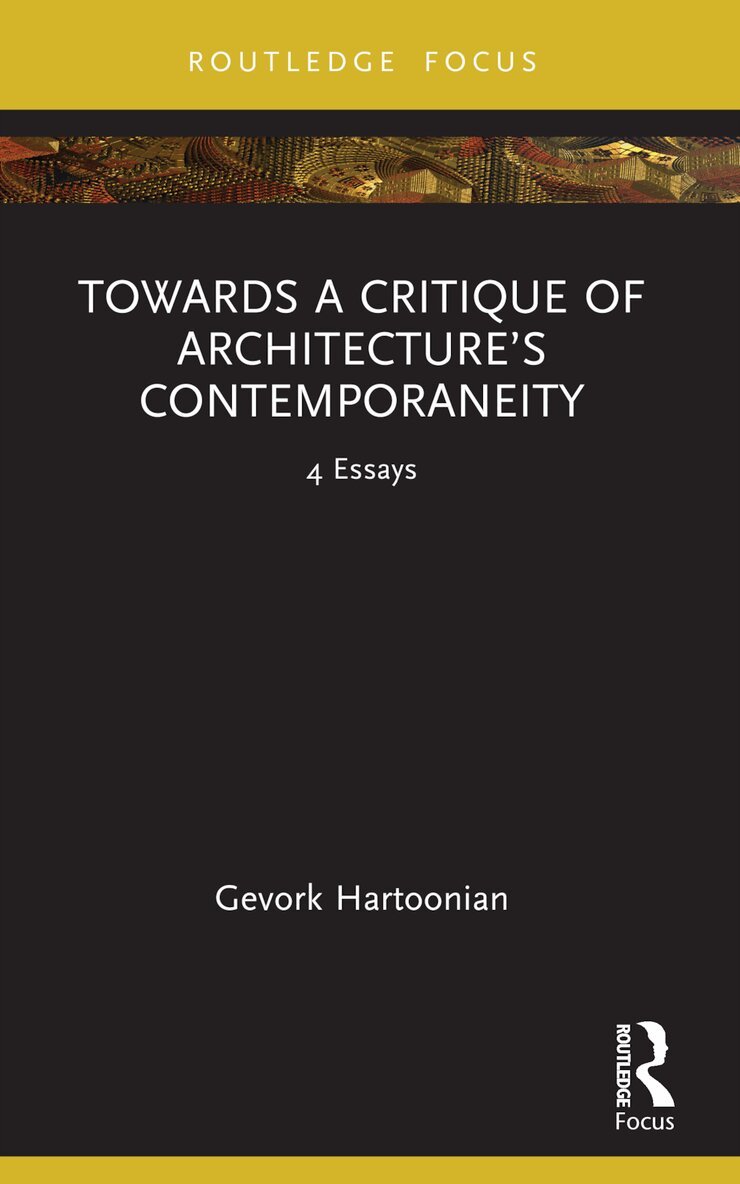
Pursuing historical analogies between nineteenth-century theories and the current practices captivated by digital reproducibility, this book offers a critical take on architecture’s contemporaneity through four essays: tectonics, materiality, cladding, and labor.Fundamental to this proposition is the historicity of Gottfried Semper’s theorization of architecture amidst the outpouring of new materials and construction techniques during the 1850s. Starting with Semper’s differentiation between theatricalization and the tectonic of theatricality, this book examines thematic essential to architecture’s self-representation. Even though the title of this book recalls the Semperian Four Elements of Architecture, its argument encapsulates a unique historico-theoretical project probing the tectonic of theatricality beyond Semper. The invisible tie between technique and labor is the cord running through the four subjects covered in this book. In exploring these subjects from the theoretical standpoint of Marxian dialectics, this book’s contribution is focused on, but not limited to, the topicality of labor today when its relationship with capital has been further obscured by the prevailing digitalization of commodity exchange value, starting roughly in the 1990s. Each essay examines Semper’s theorization of architecture in contradistinction to the ways in which technology’s mediation has dominated architecture’s representation.Burrowing through the invisible tie between technique and work, asymptomatic of architecture’s predicament in global capitalism, Towards a Critique of Architecture’s Contemporaneity advances the scope of architectural criticism beyond the exhausted formalism and architecture’s turn to philosophy circa the 1980s and the present tendencies for presentism. It will therefore be of interest to researchers and students of architectural history and theory.
300 kr
Skickas inom 10-15 vardagar
Pursuing historical analogies between nineteenth-century theories and the current practices captivated by digital reproducibility, this book offers a critical take on architecture’s contemporaneity through four essays: tectonics, materiality, cladding, and labor.Fundamental to this proposition is the historicity of Gottfried Semper’s theorization of architecture amidst the outpouring of new materials and construction techniques during the 1850s. Starting with Semper’s differentiation between theatricalization and the tectonic of theatricality, this book examines thematic essential to architecture’s self-representation. Even though the title of this book recalls the Semperian Four Elements of Architecture, its argument encapsulates a unique historico-theoretical project probing the tectonic of theatricality beyond Semper. The invisible tie between technique and labor is the cord running through the four subjects covered in this book. In exploring these subjects from the theoretical standpoint of Marxian dialectics, this book’s contribution is focused on, but not limited to, the topicality of labor today when its relationship with capital has been further obscured by the prevailing digitalization of commodity exchange value, starting roughly in the 1990s. Each essay examines Semper’s theorization of architecture in contradistinction to the ways in which technology’s mediation has dominated architecture’s representation.Burrowing through the invisible tie between technique and work, asymptomatic of architecture’s predicament in global capitalism, Towards a Critique of Architecture’s Contemporaneity advances the scope of architectural criticism beyond the exhausted formalism and architecture’s turn to philosophy circa the 1980s and the present tendencies for presentism. It will therefore be of interest to researchers and students of architectural history and theory.
2 028 kr
Skickas inom 10-15 vardagar
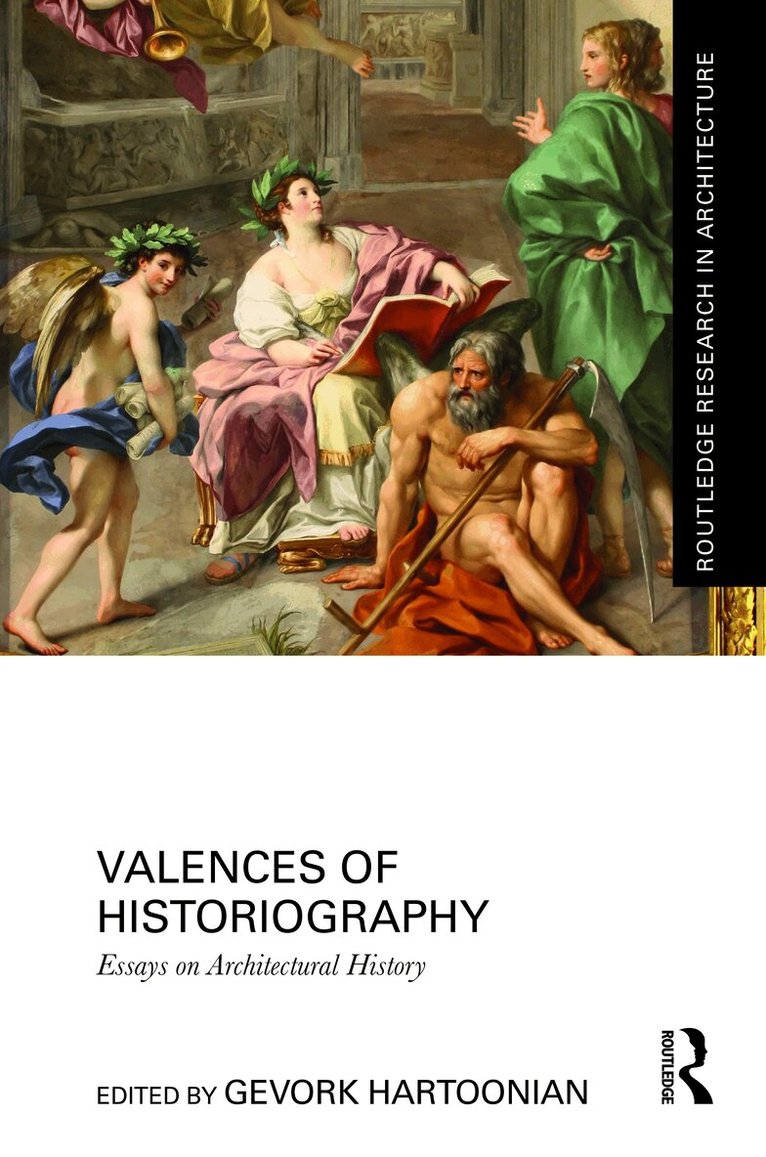
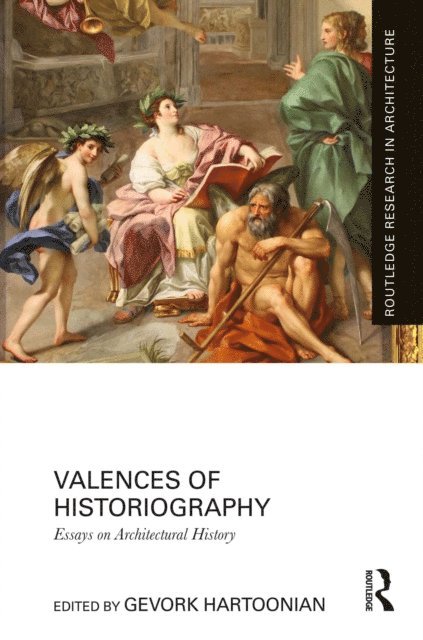
The compiled essays offer various themes and ways of approaching historiography. Each chapter probes the state of contemporary theorization of architecture histories, working toward the theme of critically re-writing history. Essential to each author's contribution are specific traditions created by the mole of history burrowing through the past. This book concerns the historian's conjectures towards capturing the past and present zeitgeist.Temporality is the theme running through the narrative of this volume. It raises the question of whether the ever-growing body of work on architectural history should be considered as history. More specifically, what is the intersection between history and architectural history? Furthermore, can every text focused on architecture's past be considered categorically historiographic? In what capacity does architectural history index history beyond contingencies and without reducing the text to empirical realities and the historian's interest in a specific subject, including those collected through archival research, itself an emblem of textuality? This book upholds the conviction that the past should be recalled accurately and that there is no history but historical criticism, the scope of which exceeds the historicity of Humanism. Dialectically, the timeline experienced across contemporary techno-economic and cultural domains (aesthetics) offers an opportunity to explore architecture produced outside the Euro-American continents.Valences of Historiography offers a fresh take on architectural history that is useful for academics, researchers and architecture students.
2 237 kr
Skickas inom 10-15 vardagar
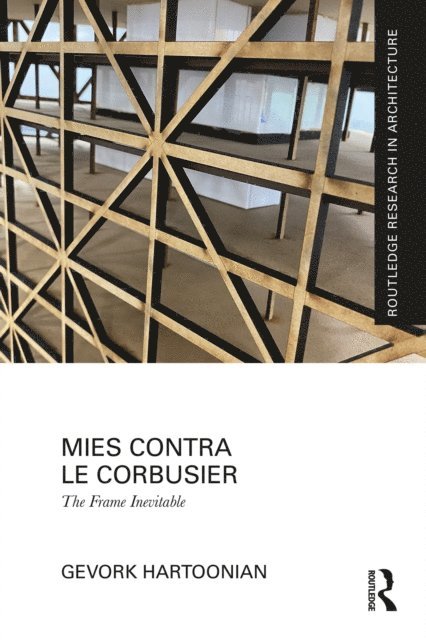
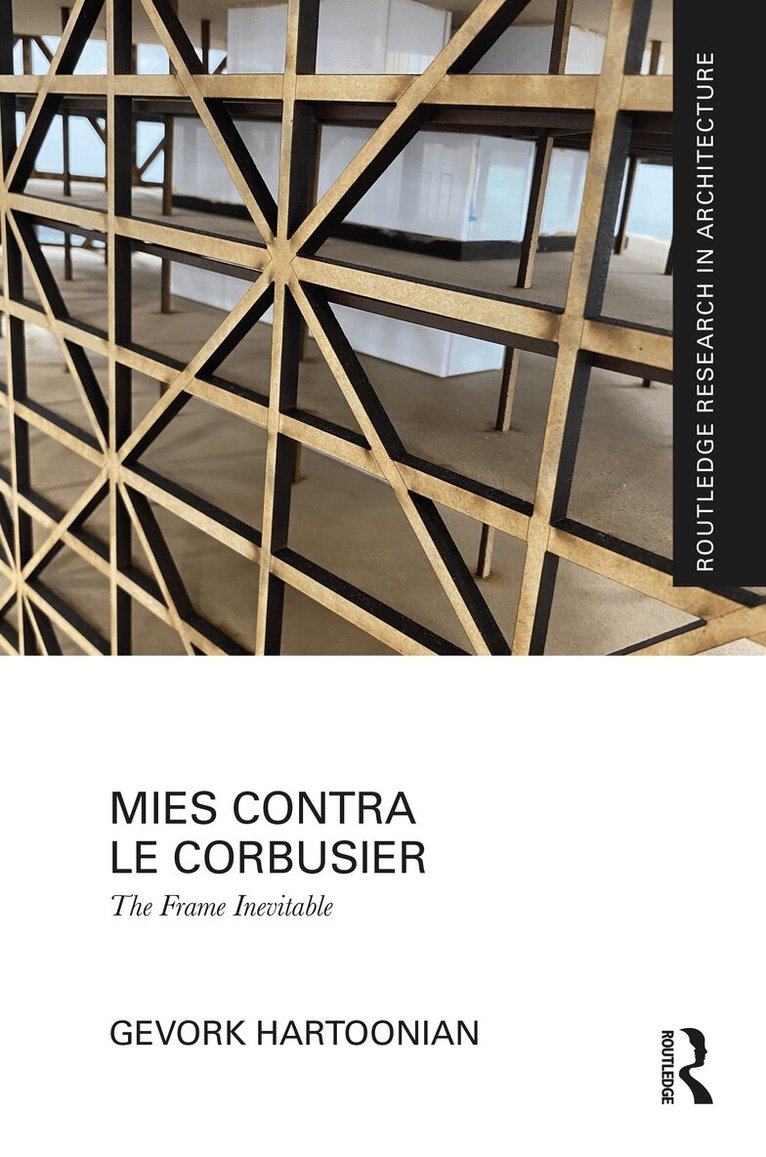
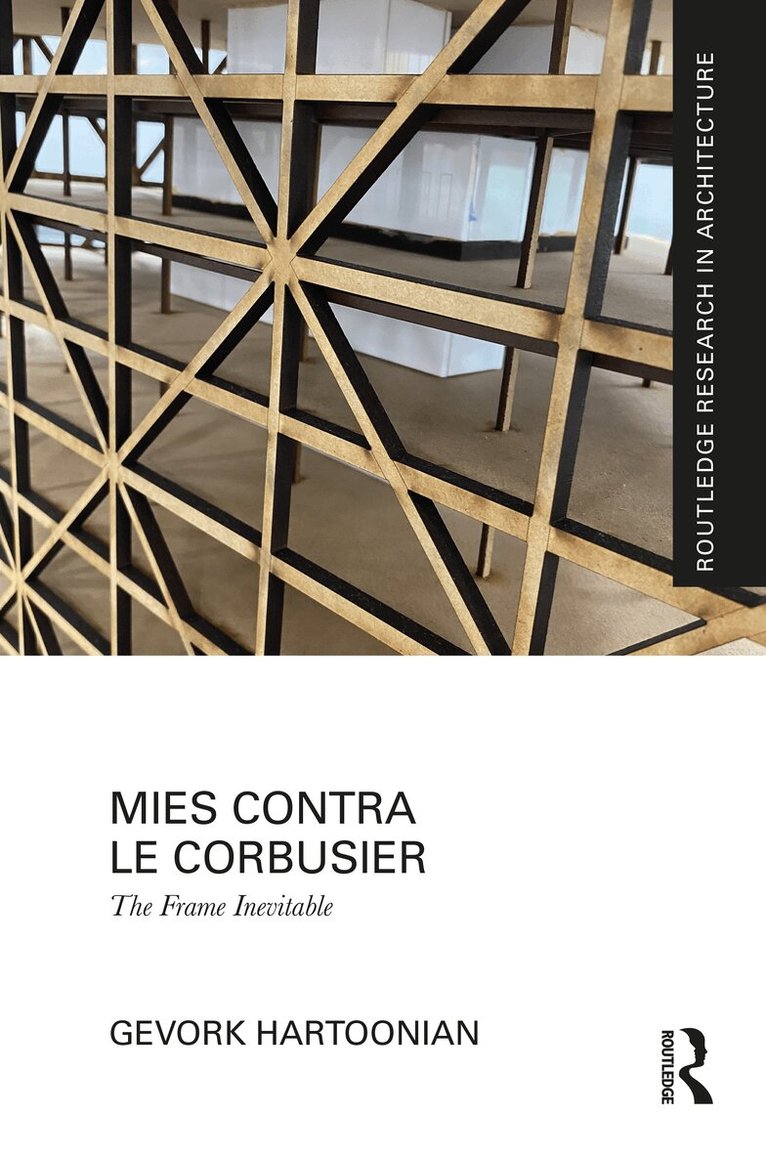
In Mies Contra Le Corbusier, Gevork Hartoonian embarks on a captivating exploration of the architectural ideologies embodied in the works of Mies van der Rohe and Le Corbusier.Focusing on the non-synchronicity inherent in their approaches to the tectonics of the column and wall, Hartoonian conducts a comparative analysis of carefully selected diachronic projects from each architect. This insightful journey unravels the architects' ideological stances within the ongoing dialogue between modernity and tradition. Hartoonian sheds light on the inclination of Mies and Le Corbusier toward a frameless architecture, a characteristic prominently displayed in their late works. Drawing inspiration from Marxian philosophy, the author contends that significant technological developments play a crucial role in shaping subjectivities across the cultural spectrum, creating an uneven dissemination. The frame, in Hartoonian’s lens, transcends the boundaries of a single building, becoming a lens through which to frame a nuanced understanding of the urban landscape and tectonics. Mies Contra Le Corbusier stands as a thought-provoking exploration that not only unveils the intricacies of architectural history but also offers profound insights into the cultural and technological forces shaping the built environment.This book will be of interest to researchers and students of architectural history and theory. Additionally, it offers a timely discussion of Mies and Le Corbusier’s contributions to architecture’s contemporaneity for the younger generation of architects.
695 kr
Kommande
In Mies Contra Le Corbusier, Gevork Hartoonian embarks on a captivating exploration of the architectural ideologies embodied in the works of Mies van der Rohe and Le Corbusier.Focusing on the non-synchronicity inherent in their approaches to the tectonics of the column and wall, Hartoonian conducts a comparative analysis of carefully selected diachronic projects from each architect. This insightful journey unravels the architects' ideological stances within the ongoing dialogue between modernity and tradition. Hartoonian sheds light on the inclination of Mies and Le Corbusier toward a frameless architecture, a characteristic prominently displayed in their late works. Drawing inspiration from Marxian philosophy, the author contends that significant technological developments play a crucial role in shaping subjectivities across the cultural spectrum, creating an uneven dissemination. The frame, in Hartoonian’s lens, transcends the boundaries of a single building, becoming a lens through which to frame a nuanced understanding of the urban landscape and tectonics. Mies Contra Le Corbusier stands as a thought-provoking exploration that not only unveils the intricacies of architectural history but also offers profound insights into the cultural and technological forces shaping the built environment.This book will be of interest to researchers and students of architectural history and theory. Additionally, it offers a timely discussion of Mies and Le Corbusier’s contributions to architecture’s contemporaneity for the younger generation of architects.
829 kr
Skickas inom 10-15 vardagar
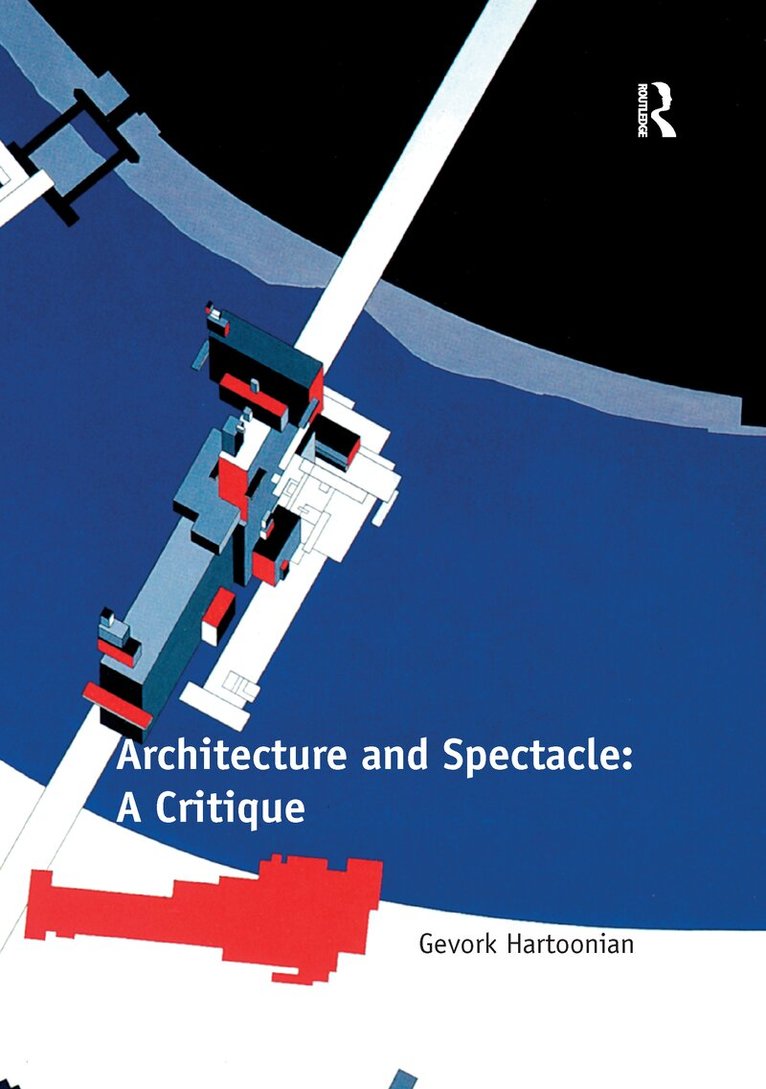
Focusing on six leading contemporary architects: Peter Eisenman, Frank Gehry, Bernard Tschumi, Zaha Hadid, Rem Koolhaas and Steven Holl, this book puts forward a unique and insightful analysis of "neo-avant-garde" architecture. It discusses the spectacle and excess which permeates contemporary architecture in reference to the present aesthetic tendency for image making, but does so by applying the tectonic of theatricality discussed by the 19th-century German architect Gottfried Semper. In doing so, it breaks new ground by opening up a dialogue between the study of the past and the design of the present. The work of each discussed architect is seen as addressing a historiographical problem. To this end, and this is the second important aspect of this book, the chosen buildings are discussed in terms of the thematic of the culture of building (the tectonic of column and wall for example) rather the formal, and this through a discussion that is informed by the latest available theories. Having set the aesthetic implication of the processes of the digitalization of architecture, the book's conclusion highlights "strategies" by which architecture might postpone the full consequences of digitalization, and thus the becoming of architecture as ornament on its own right.
2 167 kr
Skickas inom 10-15 vardagar
Time, History and Architecture presents a series of essays on critical historiography, each addressing a different topic, to elucidate the importance of two influential figures Walter Benjamin and Gottfried Semper for architectural history. In a work exploring themes such as time, autonomy and periodization, author Gevork Hartoonian unpacks the formation of architectural history; the problem of autonomy in criticism and the historiographic narrative. Considering the scope of criticism informing the contemporaneity of architecture, the book explores the concept of nonsimultaneity, and introduces retrospective criticism the agent of critical historiography. An engaging thematic dialogue for academics and upper-level graduate students interested in architectural history and theory, this book aims to deconstruct the certainties of historicism and to raise new questions and interpretations from established critical canons.
746 kr
Skickas inom 10-15 vardagar
Judging from the debates taking place in both education and practice, it appears that architecture is deeply in crisis. New design and production techniques, together with the globalization of capital and even skilled-labour, have reduced architecture to a commodified object, its aesthetic qualities tapping into the current pervasive desire for the spectacular. These developments have changed the architect’s role in the design and production processes of architecture. Moreover, critical architectural theories, including those of Breton, Heidegger and Benjamin, which explored the concepts of technology, modernism, labour and capital and how technology informed the cultural, along with later theories from the 1960s, which focused more on the architect’s theorization of his/her own design strategies, seem increasingly irrelevant. In an age of digital reproduction and commodification, these theoretical approaches need to be reassessed. Bringing together essays and interviews from leading scholars such as Kenneth Frampton, Peggy Deamer, Bernard Tschumi, Donald Kunze and Marco Biraghi, this volume investigates and critically addresses various dimensions of the present crisis of architecture. It poses questions such as: Is architecture a conservative cultural product servicing a given producer/consumer system? Should architecture’s affiliative ties with capitalism be subjected to a measure of criticism that can be expanded to the entirety of the cultural realm? Is architecture’s infusion into the cultural the reason for the visibility of architecture today? What room does the city leave for architecture beyond the present delirium of spectacle? Should the thematic of various New Left criticisms of capitalism be taken as the premise of architectural criticism? Or alternatively, putting the notion of criticality aside is it enough to confine criticism to the production of insightful and pleasurable texts?
2 376 kr
Skickas inom 10-15 vardagar
Focusing on six leading contemporary architects: Peter Eisenman, Frank Gehry, Bernard Tschumi, Zaha Hadid, Rem Koolhaas and Steven Holl, this book puts forward a unique and insightful analysis of "neo-avant-garde" architecture. It discusses the spectacle and excess which permeates contemporary architecture in reference to the present aesthetic tendency for image making, but does so by applying the tectonic of theatricality discussed by the 19th-century German architect Gottfried Semper. In doing so, it breaks new ground by opening up a dialogue between the study of the past and the design of the present. The work of each discussed architect is seen as addressing a historiographical problem. To this end, and this is the second important aspect of this book, the chosen buildings are discussed in terms of the thematic of the culture of building (the tectonic of column and wall for example) rather the formal, and this through a discussion that is informed by the latest available theories. Having set the aesthetic implication of the processes of the digitalization of architecture, the book's conclusion highlights "strategies" by which architecture might postpone the full consequences of digitalization, and thus the becoming of architecture as ornament on its own right.
2 167 kr
Skickas inom 10-15 vardagar
Judging from the debates taking place in both education and practice, it appears that architecture is deeply in crisis. New design and production techniques, together with the globalization of capital and even skilled-labour, have reduced architecture to a commodified object, its aesthetic qualities tapping into the current pervasive desire for the spectacular. These developments have changed the architect’s role in the design and production processes of architecture. Moreover, critical architectural theories, including those of Breton, Heidegger and Benjamin, which explored the concepts of technology, modernism, labour and capital and how technology informed the cultural, along with later theories from the 1960s, which focused more on the architect’s theorization of his/her own design strategies, seem increasingly irrelevant. In an age of digital reproduction and commodification, these theoretical approaches need to be reassessed. Bringing together essays and interviews from leading scholars such as Kenneth Frampton, Peggy Deamer, Bernard Tschumi, Donald Kunze and Marco Biraghi, this volume investigates and critically addresses various dimensions of the present crisis of architecture. It poses questions such as: Is architecture a conservative cultural product servicing a given producer/consumer system? Should architecture’s affiliative ties with capitalism be subjected to a measure of criticism that can be expanded to the entirety of the cultural realm? Is architecture’s infusion into the cultural the reason for the visibility of architecture today? What room does the city leave for architecture beyond the present delirium of spectacle? Should the thematic of various New Left criticisms of capitalism be taken as the premise of architectural criticism? Or alternatively, putting the notion of criticality aside is it enough to confine criticism to the production of insightful and pleasurable texts?
1 204 kr
Skickas
This book focuses on the first edition of Kenneth Frampton’s Modern Architecture: A Critical History, published in 1980. It searches for clues and positions that will provide the reader with an unprecedented insight into the significance of Frampton’s historiography of modern architecture. It explores selected themes in line with Frampton’s many-faceted contribution, certain aspects of which can be noted between the lines of his ongoing criticism of the present-day architecture, which inevitably lead us to a critical understanding of the past, the modernity of architecture’s contemporaneity. The compiled chapters attempt to open a window onto the constellation of themes that allowed Frampton to hold on to his anteroom view of history even amidst the flow of time and flood of temporalities spanning 1980–2020. The book elucidates how Frampton’s critical presentation of the history of modern movement architecture and the book’s classificatory mode (periodization?) contribute to our understanding of the contemporaneity of architecture today.
459 kr
Tillfälligt slut
459 kr
Tillfälligt slut
414 kr
Skickas inom 5-8 vardagar
This book focuses on the first edition of Kenneth Frampton’s Modern Architecture: A Critical History, published in 1980. It searches for clues and positions that will provide the reader with an unprecedented insight into the significance of Frampton’s historiography of modern architecture. It explores selected themes in line with Frampton’s many-faceted contribution, certain aspects of which can be noted between the lines of his ongoing criticism of the present-day architecture, which inevitably lead us to a critical understanding of the past, the modernity of architecture’s contemporaneity. The compiled chapters attempt to open a window onto the constellation of themes that allowed Frampton to hold on to his anteroom view of history even amidst the flow of time and flood of temporalities spanning 1980–2020. The book elucidates how Frampton’s critical presentation of the history of modern movement architecture and the book’s classificatory mode (periodization?) contribute to our understanding of the contemporaneity of architecture today.