This rhetorically organized reader, maintains the best features of the earlier editions: lively reading selections supported by helpful apparatus to integrate reading and writing in college composition and reading courses. In working through the text, the student progresses from key aspects of the writing and reading processes to chapters on the essential patterns of writing and then to more rigorous forms of analysis and argument. Each chapter provides diverse and lively prose models suited for discussion, analysis, and imitation.
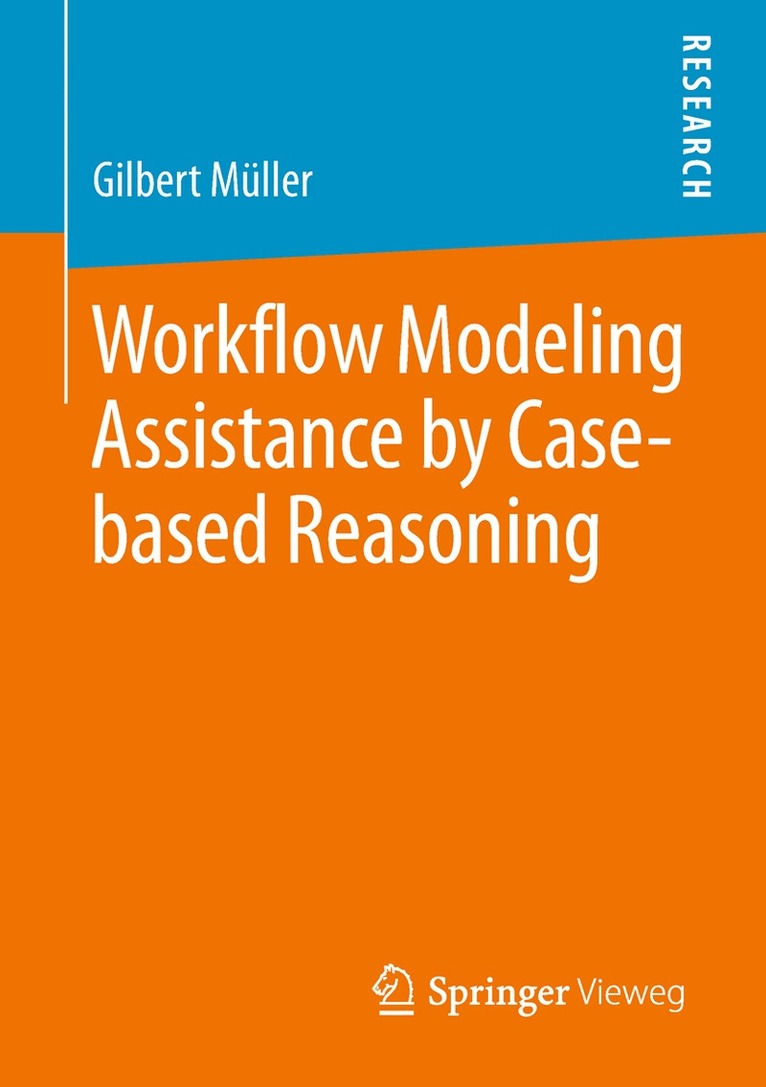
Gilbert Müller introduces the foundations of Business Process Management as well as Case-based Reasoning and presents a novel approach to assist the complex, time-consuming, and error-prone task of workflow modeling. By means of methods from artificial intelligence, in particular from the field of Case-based Reasoning, he shows how workflows can be automatically constructed according to a query specified by the user. Thus, the modeling process can be supported substantially, which addresses a highly relevant problem in many workflow domains.
This rhetorically organized reader, maintains the best features of the earlier editions: lively reading selections supported by helpful apparatus to integrate reading and writing in college composition and reading courses. In working through the text, the student progresses from key aspects of the writing and reading processes to chapters on the essential patterns of writing and then to more rigorous forms of analysis and argument. Each chapter provides diverse and lively prose models suited for discussion, analysis, and imitation.
Gilbert Müller introduces the foundations of Business Process Management as well as Case-based Reasoning and presents a novel approach to assist the complex, time-consuming, and error-prone task of workflow modeling. By means of methods from artificial intelligence, in particular from the field of Case-based Reasoning, he shows how workflows can be automatically constructed according to a query specified by the user. Thus, the modeling process can be supported substantially, which addresses a highly relevant problem in many workflow domains.