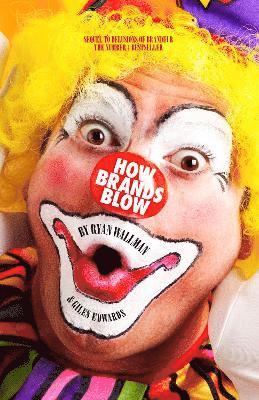
"e;I'd buy this book just for the brilliant art direction. The writing had me laughing and crying: laughing at how true it is and crying at how true it is."e; - Dave Trott"e;Hilarious, hard-hitting and a hell of a way to learn to do better in the mess we've made of branding, marketing and advertising. Read it and weep - you will weep because you'll see yourself somewhere in all this and wish you hadn't."e; - Vikki RossYou know those bands that constantly reinvent themselves and strive to go in bold experimental directions with every new album?But then there are other bands that stick to what they know, without ever reaching the heights of their debut?If you prefer the latter, you're going to like this book. It's basically the 'Weezer's second album' of marketing discourse. More of the same, albeit not quite as good.But hey, if you're a fan, there's plenty here for you. How Brands Blow picks up where Delusions of Brandeur left off, with some laughs, some occasional good sense, and some deserved roasting of the marketing industry's clowns.
The men and women who created today’s liberal, democratic, globalised world order may now have left public office, but they have not retired. So, what are they doing, and how does it affect the rest of us?Giles Edwards has interviewed more than twenty former leaders, from Presidents overthrown in coups to winners of Nobel Prizes. He has spent time at their clubs and resorts, spoken to the people who work with them, and probed the organisations and individuals who hire them.From running international organisations to monitoring elections, consulting, lobbying and giving hundred-thousand-dollar speeches, The Ex Men face a dazzling array of opportunities after leaving office, many of them free from any political accountability. But how much do they really achieve with all that soft power? And does all this frantic activity amount to anything more than money-making or legacy-burnishing?In this illuminating investigation, Edwards takes us inside the hidden world of The Ex Men to uncover the many ways in which they wield power, for good and for ill.
As Peter Hennessy prepares to bid farewell to public life, he has been surveying 80 years of his country’s political and constitutional journey. And he’s left with one thought: that the essential quality of decency needs to be placed – once again – back at the heart of public life and public discourse. But what does decency look like today, where does it spring from, and how might we all play a role in re-centring it in public life? In this book Peter Hennessy considers those questions as he discusses them with a group of people who might pick up this baton. He’s been inviting old friends, colleagues and those he has long-admired, along with younger voices from politics and public life, into his home for conversations about what decency means to them. And he’ll be reflecting on what they’ve shared with him. Hennessy’s interest in this question springs from a concern about constitutional proprieties, but these conversations range much further afield – from the constitution to service delivery, from schooling to social media. What he hears is both worrying and uplifting: a real sense that there is a problem, a real commitment to tackle it, and ideas for how that might be done, and what role all of us can play.