Ginny Sprang – författare
Visar alla böcker från författaren Ginny Sprang. Handla med fri frakt och snabb leverans.
11 produkter
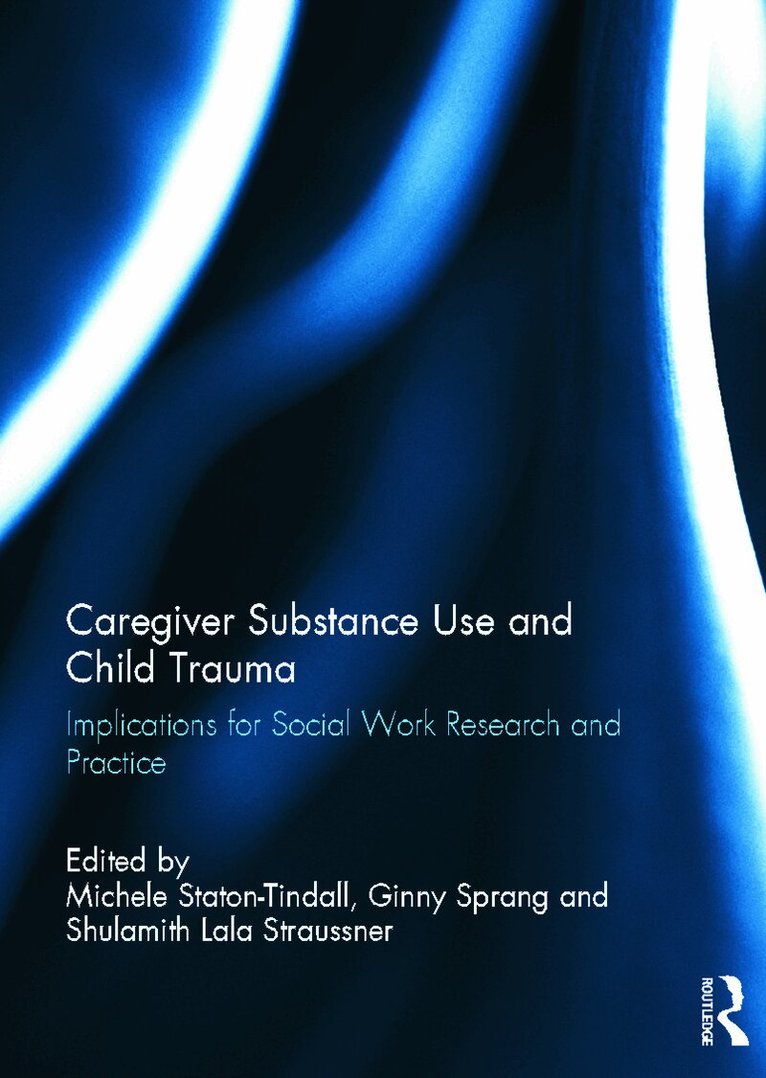
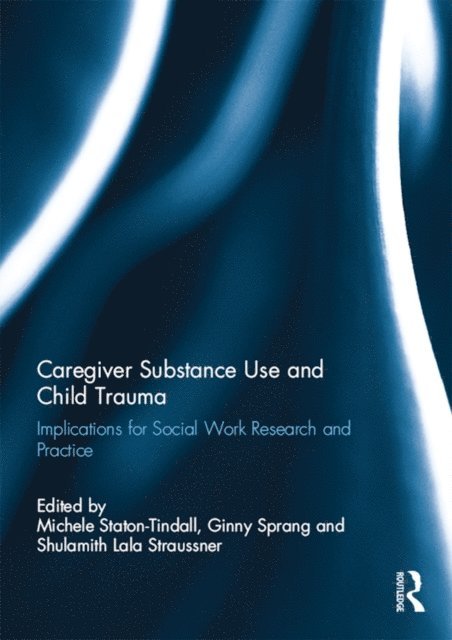
Caregiver Substance Use and Child Trauma
Implications for Social Work Research and Practice
Av Michele Staton-Tindall, Ginny Sprang m. fl.
Inbunden, 2013
2586 kr
Lägg i varukorg
Research has consistently shown that there is a link between caregiver substance use and child maltreatment, but less attention has been given to child trauma exposure. The co-occurrence of caregiver substance misuse and child trauma exposure is a prevailing problem that has confounded social work …
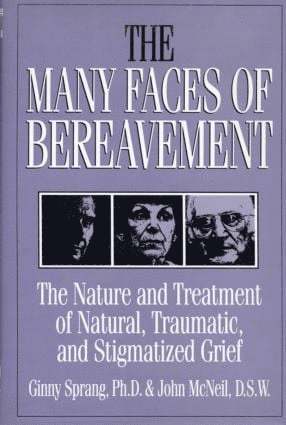
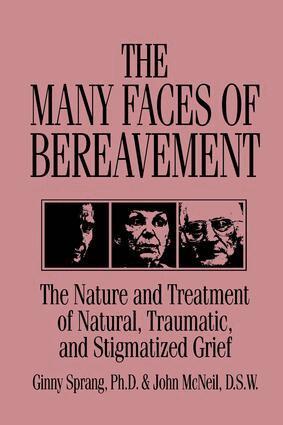
Many Faces Of Bereavement
The Nature And Treatment Of Natural Traumatic And Stigmatized Grief
Inbunden, 1995
1306 kr
Lägg i varukorg
First published in 1995. Death and dying have been a concern of mankind as long as humans have existed. This book will explore the development and specifications of traditional models of grief to underline the importance of what is known about the process of grief, considering variables such as …
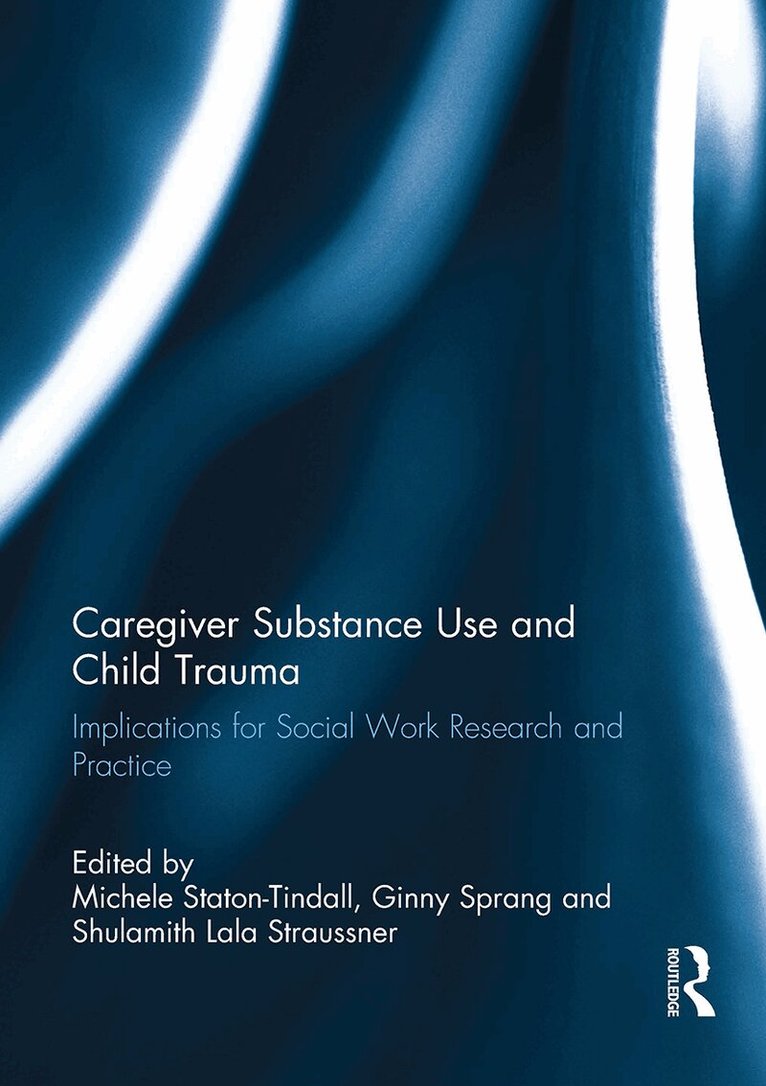
Caregiver Substance Use and Child Trauma
Implications for Social Work Research and Practice
Av Michele Staton-Tindall, Ginny Sprang m. fl.
Häftad, 2024
667 kr
Lägg i varukorg
Research has consistently shown that there is a link between caregiver substance use and child maltreatment, but less attention has been given to child trauma exposure. The co-occurrence of caregiver substance misuse and child trauma exposure is a prevailing problem that has confounded social work …
Caregiver Substance Use and Child Trauma
Implications for Social Work Research and Practice
Av Lala Straussner, Ginny Sprang m. fl.
E-bok, 2016
785 kr
Lägg i varukorg
Research has consistently shown that there is a link between caregiver substance use and child maltreatment, but less attention has been given to child trauma exposure. The co-occurrence of caregiver substance misuse and child trauma exposure is a prevailing problem that has confounded social work …
Caregiver Substance Use and Child Trauma
Implications for Social Work Research and Practice
Av Lala Straussner, Ginny Sprang m. fl.
E-bok, 2016
785 kr
Lägg i varukorg
Research has consistently shown that there is a link between caregiver substance use and child maltreatment, but less attention has been given to child trauma exposure. The co-occurrence of caregiver substance misuse and child trauma exposure is a prevailing problem that has confounded social work …
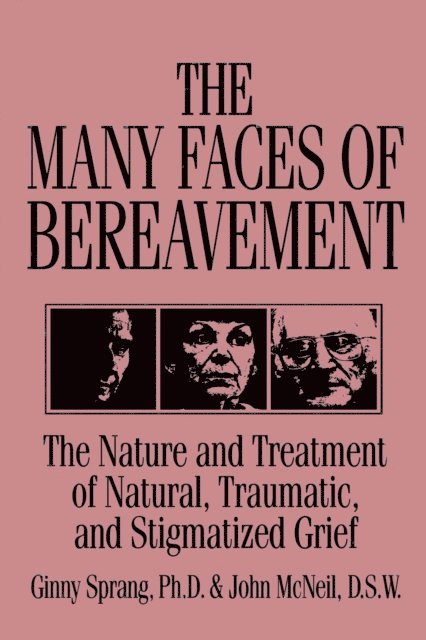
Many Faces Of Bereavement
The Nature And Treatment Of Natural Traumatic And Stigmatized Grief
Häftad, 2015
787 kr
Lägg i varukorg
First published in 1995. Death and dying have been a concern of mankind as long as humans have existed. This book will explore the development and specifications of traditional models of grief to underline the importance of what is known about the process of grief, considering variables such as …
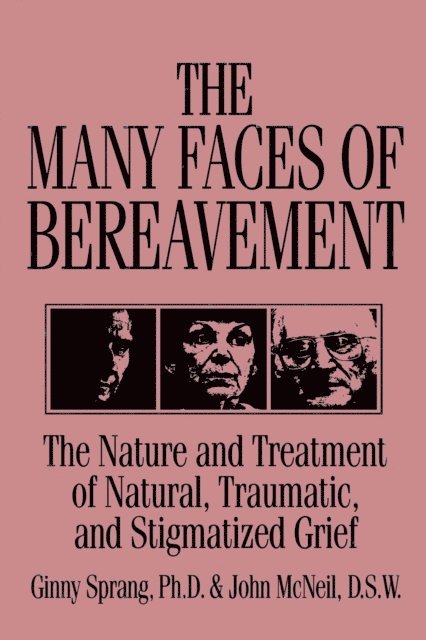
Many Faces Of Bereavement
The Nature And Treatment Of Natural Traumatic And Stigmatized Grief
E-bok, 2018
927 kr
Lägg i varukorg
First published in 1995. Death and dying have been a concern of mankind as long as humans have existed. This book will explore the development and specifications of traditional models of grief to underline the importance of what is known about the process of grief, considering variables such as …
Many Faces Of Bereavement
The Nature And Treatment Of Natural Traumatic And Stigmatized Grief
E-bok, 2018
907 kr
Lägg i varukorg
First published in 1995. Death and dying have been a concern of mankind as long as humans have existed. This book will explore the development and specifications of traditional models of grief to underline the importance of what is known about the process of grief, considering variables such as …
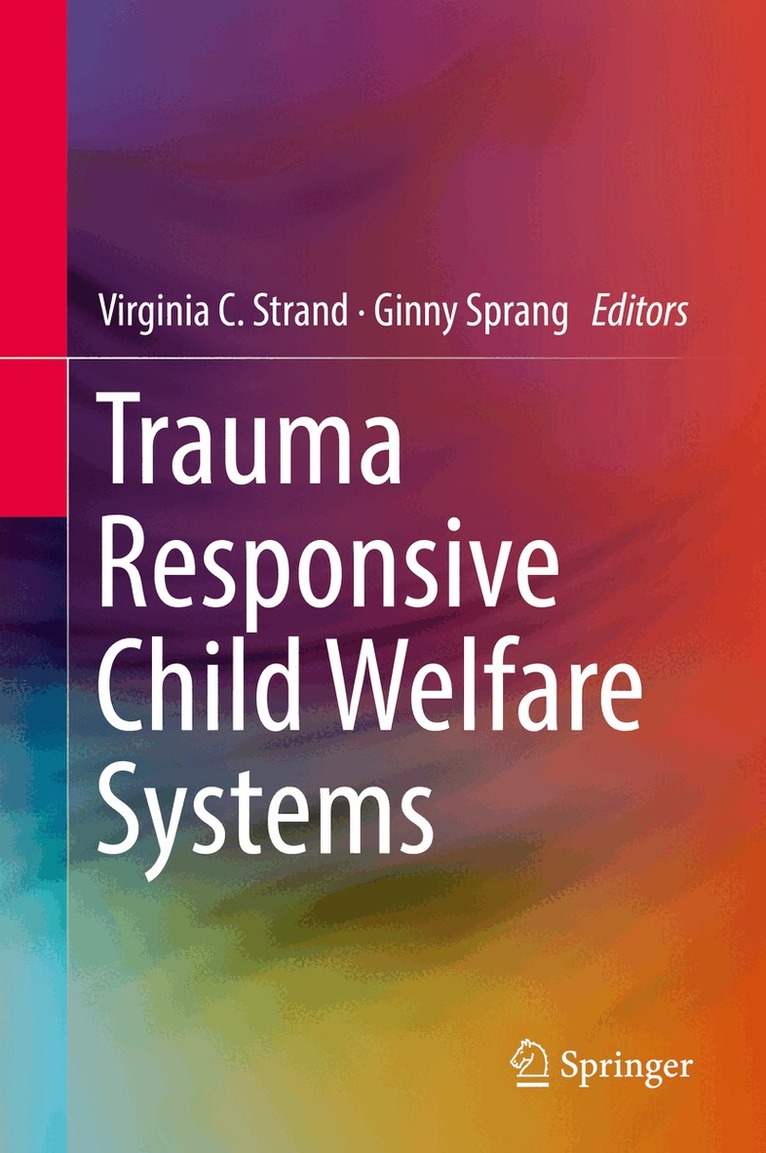
Trauma Responsive Child Welfare Systems
Av Virginia C. Strand, Ginny Sprang
Inbunden, 2017
1580 kr
Lägg i varukorg
This comprehensive reference offers a robust framework for introducing and sustaining trauma-responsive services and culture in child welfare systems. Organized around concepts of safety, permanency, and well-being, chapters describe innovations in child protection, violence prevention, foster …
Trauma Responsive Child Welfare Systems
Av Ginny Sprang, Virginia C. Strand
E-bok, 2017
1470 kr
Lägg i varukorg
This comprehensive reference offers a robust framework for introducing and sustaining trauma-responsive services and culture in child welfare systems. Organized around concepts of safety, permanency, and well-being, chapters describe innovations in child protection, violence prevention, foster …
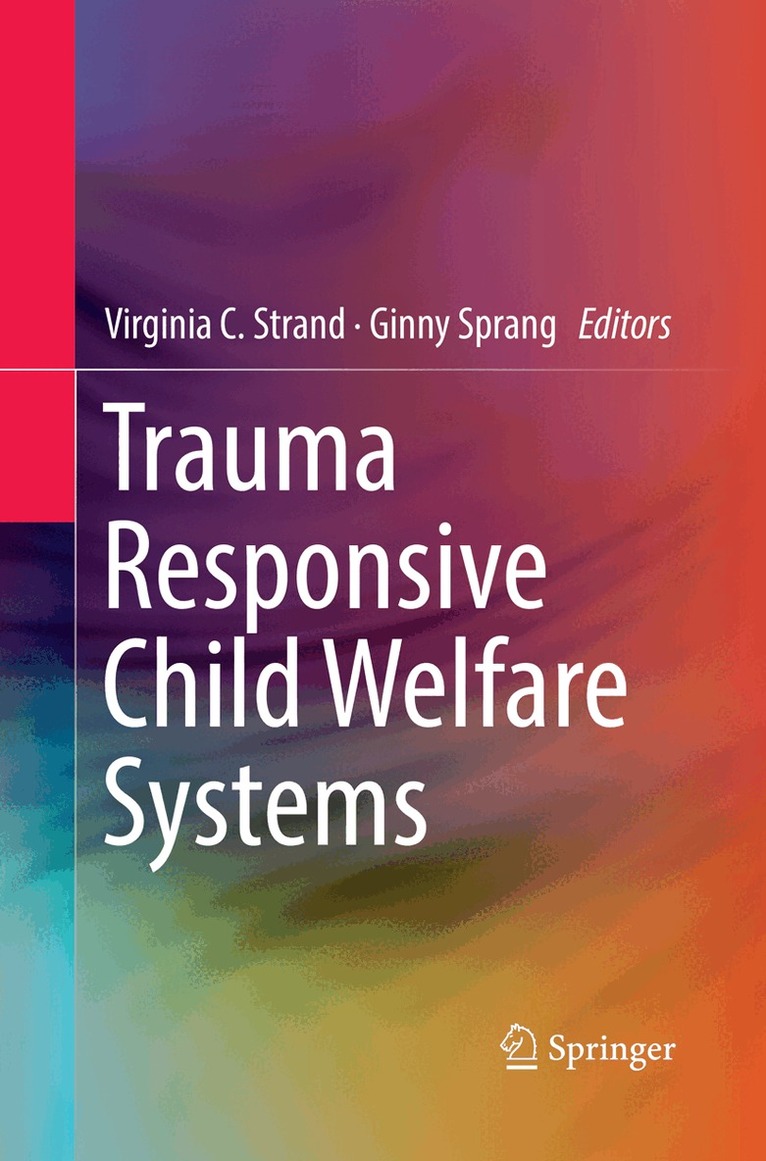
Trauma Responsive Child Welfare Systems
Av Virginia C. Strand, Ginny Sprang
Häftad, 2018
1130 kr
Lägg i varukorg
This comprehensive reference offers a robust framework for introducing and sustaining trauma-responsive services and culture in child welfare systems. Organized around concepts of safety, permanency, and well-being, chapters describe innovations in child protection, violence prevention, foster …