Giovanni Siepe – författare
Visar alla böcker från författaren Giovanni Siepe. Handla med fri frakt och snabb leverans.
3 produkter
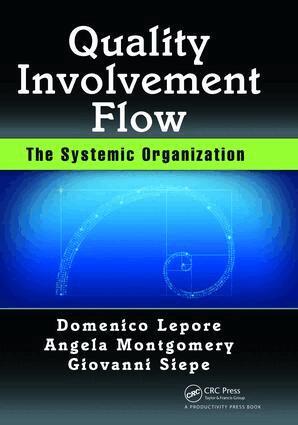
Quality, Involvement, Flow
The Systemic Organization
Av Domenico Lepore, Angela Montgomery m. fl.
Inbunden, 2017
3165 kr
Lägg i varukorg
Current organizations underperform due to silo thinking. Artificial barriers frustrate efforts and perpetuate an organizational model no longer adequate for the complexity of the current business world. Leaders and managers must acquire a whole-system perspective for their organizations to be …
From Silos to Network: A New Kind of Science for Management
A New Kind of Science for Managing Complexity
Av Domenico Lepore, Angela Montgomery m. fl.
Häftad, 2023
513 kr
Lägg i varukorg
This book provides the conceptual framework and a comprehensive guide to the principles, methods and tools for managing organizations. The authors introduce “New Knowledge” by presenting a methodology, 'The Decalogue’, that portrays a genuinely systemic approach for managing complexity in …
From Silos to Network: A New Kind of Science for Management
A New Kind of Science for Managing Complexity
Av Francesco Siepe, Giovanni Siepe m. fl.
E-bok, 2023
672 kr
Lägg i varukorg
This book provides the conceptual framework and a comprehensive guide to the principles, methods and tools for managing organizations. The authors introduce “New Knowledge” by presenting a methodology, ''The Decalogue’, that portrays a genuinely systemic approach for managing complexity in …