Gisela Jahn – författare
Visar alla böcker från författaren . Handla med fri frakt och snabb leverans.
3 produkter
3 produkter
E-bok
Tyska, 201921 kr
Läs direkt efter köp
Ist es normal, wenn man auf einen Reiterhof eingeladen wird und sich gar nicht darüber freuen kann? Jutta hat ihre Gründe, und nur widerstrebend findet sie sich mit der Neuigkeit ab, die ihr ihre Mutter eröffnet. Sie hat einen Mann kennengelernt, mit den sie zusammenleben möchte. Wie sich bald herausstellt, hat dessen Tochter Billie fast dasselbe Problem. Gemeinsam suchen die beiden Mädchen nach einem geeigneten Ausweg. Wie können sie verhindern, dass ihre Eltern sich für eine gemeinsame Zukunft zusammenfinden?
Inbunden, Engelska, 2003
1 335 kr
Skickas inom 5-8 vardagar
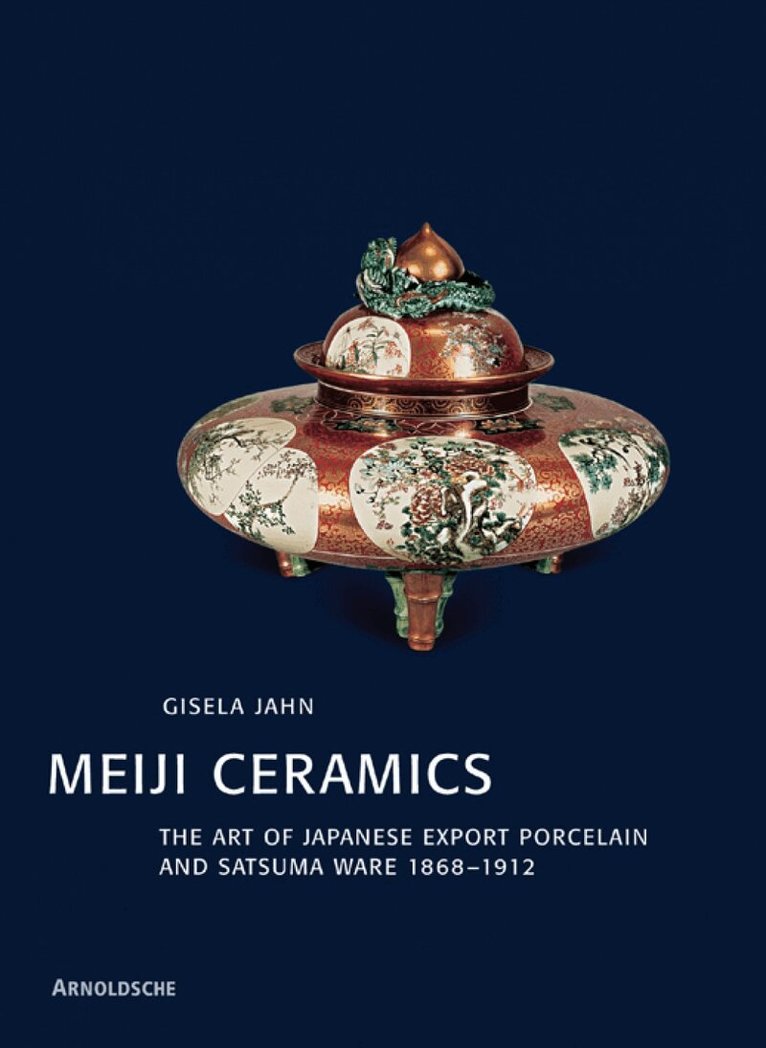
Pressure exerted by America in 1854 caused Japan to open its doors after 260 years of isolation. Wide receptiveness to everything Western was the driving force behind the modernization of Japan initiated by the Meiji government, yet it also induced a rapid rediscovery of indigenous cultural values. At early Paris and London international exhibitions, the Japanese decorative and applied arts sparked off the Western fascination with all things Japanese japonisme. In Japan, on the other hand, new technologies were eagerly adopted the government realized that increasing production for export would be an excellent means of promoting Japanese economic growth and thus enhancing Japan's status worldwide.Meiji Ceramics represents the first in-depth study of the development of Japanese export porcelain against a highly charged background of political, economic and cultural factors. Includes 180 artists's signatures.
Häftad, Tyska, 2020
406 kr
Skickas inom 5-8 vardagar
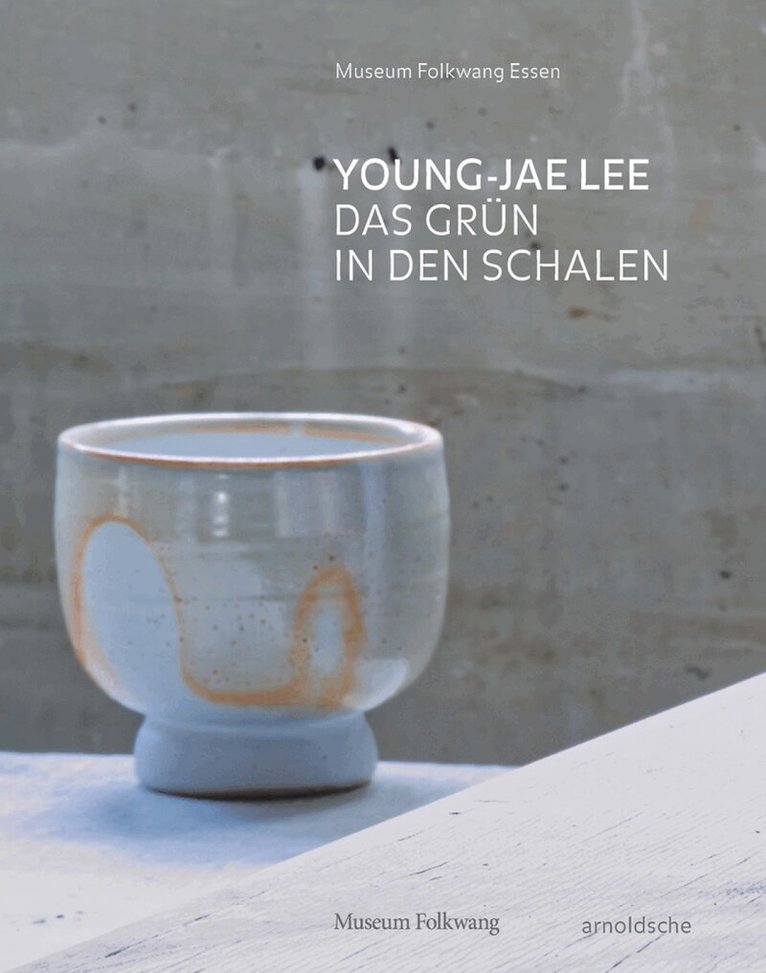
Since 2006 Young-Jae Lee (b. 1951), the head of the ceramic workshop Margaretenhöhe Essen, has been creating her Spinatschalen (Spinach Bowls) – round-bodied vessels on simple standing rings, whose diverse glazes bring out the aesthetic appeal of these impressive dishes. Behind the purist form of Lee's bowls lies a long history stretching back to Korean vessels of the Goryeo dynasty (918–1392) by way of Japanese tea bowls. This publication reveals much more than just the genesis of the Spinatschalen; it unlocks a piece of ceramic history. Negotiating the complex historical and cultural relationships between Japan and Korea against which the tea bowls evolved, it uses examples from Museum Folkwang to also illustrate the German reception of East Asian ceramic vessels at the dawn of the 20th century.Text in German.