Giulia Mazzola – författare
Visar alla böcker från författaren Giulia Mazzola. Handla med fri frakt och snabb leverans.
2 produkter
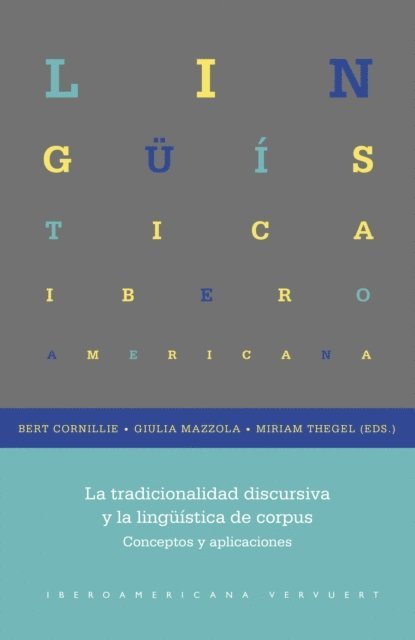
La tradicionalidad discursiva y la lingüística de corpus
Conceptos y aplicaciones
Av Miriam Thegel, Giulia Mazzola m. fl.
E-bok, 2023
423 kr
Lägg i varukorg
Diachronic and Typological Perspectives on Anticausativization
Av Guglielmo Inglese, Giulia Mazzola m. fl.
Inbunden, 2026
1927 kr
Kommande
The study of the causal-noncausal alternation offers a unique window onto how languages represent causal relations and event structure. Among the strategies used to encode this alternation, anticausative markers, which overtly signal noncausal situations, have received considerably less attention …