Giuliano Bobba – författare
Visar alla böcker från författaren Giuliano Bobba. Handla med fri frakt och snabb leverans.
4 produkter
4 produkter
Inbunden, Engelska, 2021
733 kr
Skickas inom 10-15 vardagar
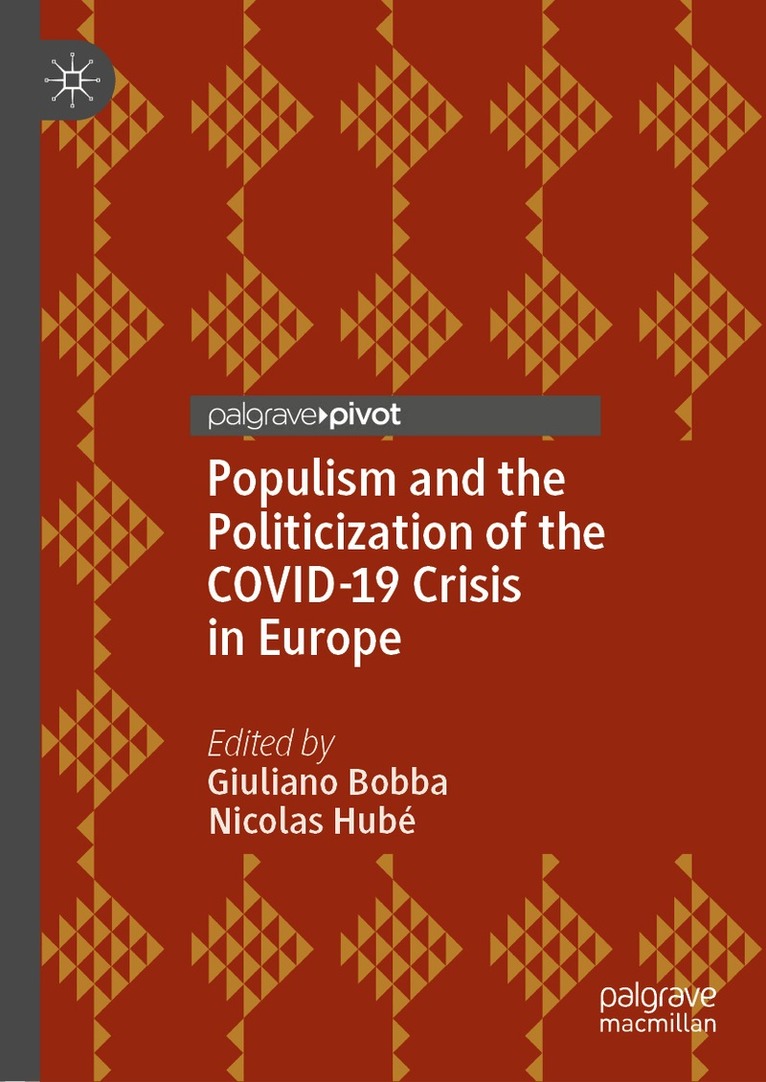
This edited book provides a first overview of how populist parties responded to the COVID-19 pandemic crisis in Europe. Although populism would normally benefit from crisis situations (e.g., political representation or economic crises), the peculiar nature of this health crisis does not make the benefit obvious. For it to be exploited, a crisis must be politicized. While populists have tried to take advantage of the crisis situation, the impossibility of taking ownership of the COVID-19 issue has made the crisis hard to be exploited. In particular, populists in power have tried to depoliticize the pandemic, whereas radical right-populists in opposition tried to politicize the crisis, though failing to gain the relevant public support. This book considers populist parties in eight European democracies, providing a framework of analysis for their responses to the COVID-19 crisis. It does so by engaging with the literature on crisis and populism from a theoretical perspective and throughthe lens of the politicization process.
E-bok
Engelska, 2021840 kr
Läs direkt efter köp
This edited book provides a first overview of how populist parties responded to the COVID-19 pandemic crisis in Europe. Although populism would normally benefit from crisis situations (e.g., political representation or economic crises), the peculiar nature of this health crisis does not make the benefit obvious. For it to be exploited, a crisis must be politicized. While populists have tried to take advantage of the crisis situation, the impossibility of taking ownership of the COVID-19 issue has made the crisis hard to be exploited. In particular, populists in power have tried to depoliticize the pandemic, whereas radical right-populists in opposition tried to politicize the crisis, though failing to gain the relevant public support. This book considers populist parties in eight European democracies, providing a framework of analysis for their responses to the COVID-19 crisis. It does so by engaging with the literature on crisis and populism from a theoretical perspective and throughthe lens of the politicization process.
Inbunden, Engelska, 2025
440 kr
Skickas inom 10-15 vardagar
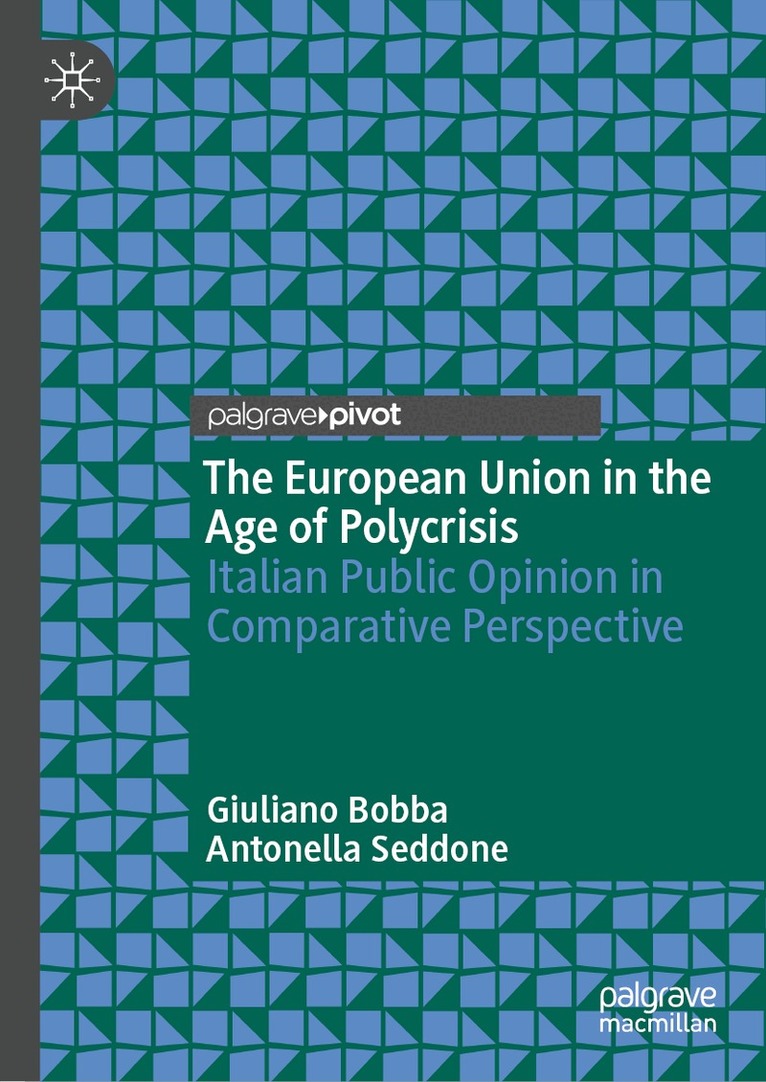
This book explores how public opinion toward the European Union has evolved during the age of polycrises. It shows that not all crises are perceived in the same way, nor do they generate uniform political responses. By distinguishing between process-oriented threats, event-driven crises, and recurrent threat-to-crisis issues, the book offers an original framework to analyse the impact of global challenges. Situating Italy within a comparative framework alongside France, Germany, Poland, Spain, and Sweden, the volume reveals how specific types of crises foster greater support, while others exacerbate disaffection or ambivalence. Despite signs of rising Euroscepticism in many European countries in recent years, the book argues that recent global threats and crises have helped to redefine the role of the EU in its relationship with national governments, leading to a shift in public opinion that mitigates criticism against it. The book will appeal to all those interested in European politics, political communication, and European studies.
E-bok
Engelska, 2025535 kr
Läs direkt efter köp
This book explores how public opinion toward the European Union has evolved during the age of polycrises. It shows that not all crises are perceived in the same way, nor do they generate uniform political responses. By distinguishing between process-oriented threats, event-driven crises, and recurrent threat-to-crisis issues, the book offers an original framework to analyse the impact of global challenges. Situating Italy within a comparative framework alongside France, Germany, Poland, Spain, and Sweden, the volume reveals how specific types of crises foster greater support, while others exacerbate disaffection or ambivalence. Despite signs of rising Euroscepticism in many European countries in recent years, the book argues that recent global threats and crises have helped to redefine the role of the EU in its relationship with national governments, leading to a shift in public opinion that mitigates criticism against it. The book will appeal to all those interested in European politics, political communication, and European studies.