Giuliano Garavini – författare
Visar alla böcker från författaren Giuliano Garavini. Handla med fri frakt och snabb leverans.
20 produkter
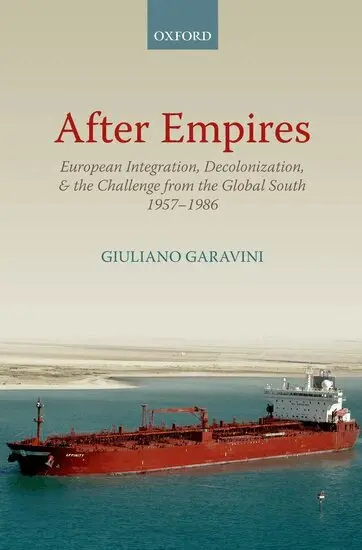
After Empires
European Integration, Decolonization, and the Challenge from the Global South 1957-1986
E-bok, 2012
491 kr
Lägg i varukorg
After Empires describes how the end of colonial empires and the changes in international politics and economies after decolonization affected the European integration process. Until now, studies on European integration have often focussed on the search for peaceful relations among the European …
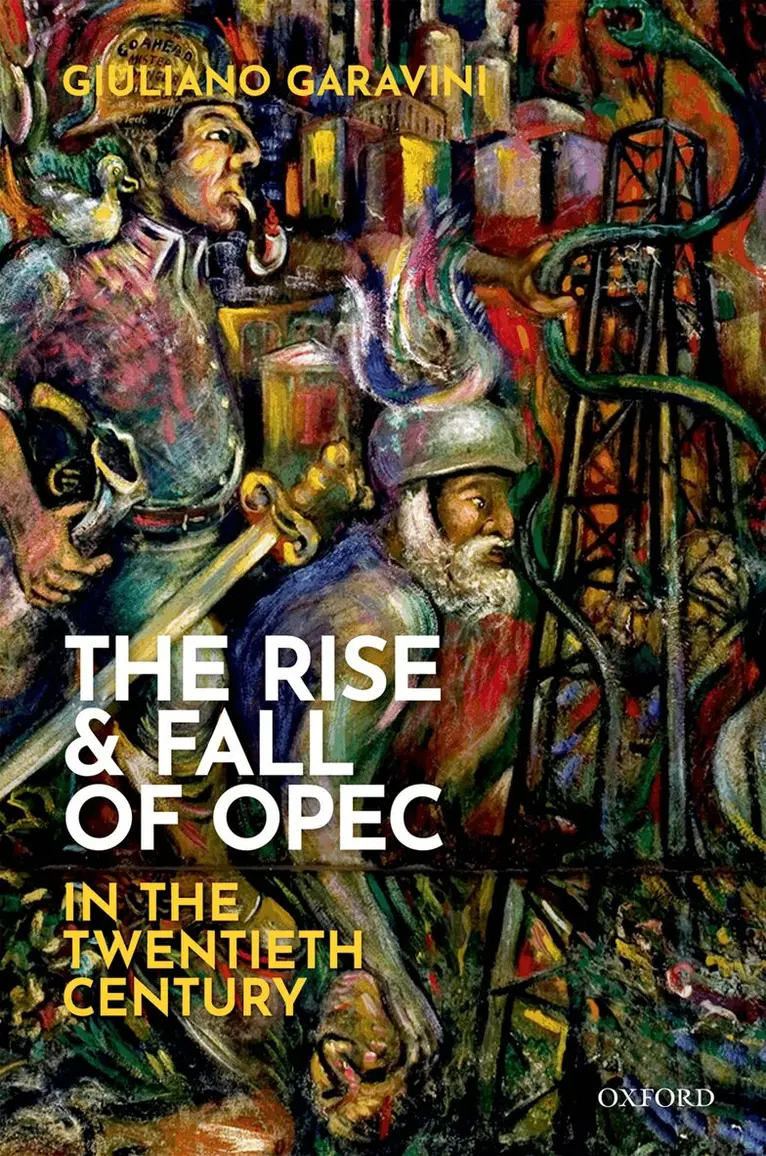
Rise and Fall of OPEC in the Twentieth Century
E-bok, 2019
269 kr
Lägg i varukorg
The Organization of the Petroleum Exporting Countries (OPEC) is one of the most recognizable acronyms among international organizations. It is mainly associated with the ''oil shock'' of 1973 when prices of petroleum quadrupled and industrialized countries and consumers were forced to face the …
Rise and Fall of OPEC in the Twentieth Century
E-bok, 2019
269 kr
Lägg i varukorg
The Organization of the Petroleum Exporting Countries (OPEC) is one of the most recognizable acronyms among international organizations. It is mainly associated with the ''oil shock'' of 1973 when prices of petroleum quadrupled and industrialized countries and consumers were forced to face the …
The Rise and Fall of OPEC in the Twentieth Century
Häftad, 2021
389 kr
Lägg i varukorg
The Organization of the Petroleum Exporting Countries (OPEC) is one of the most recognizable acronyms among international organizations. It is mainly associated with the 'oil shock' of 1973 when prices of petroleum quadrupled and industrialized countries and consumers were forced to face the limits …
The Rise and Fall of OPEC in the Twentieth Century
Inbunden, 2019
492 kr
Lägg i varukorg
The Organization of the Petroleum Exporting Countries (OPEC) is one of the most recognizable acronyms among international organizations. It is mainly associated with the 'oil shock' of 1973 when prices of petroleum quadrupled and industrialized countries and consumers were forced to face the limits …
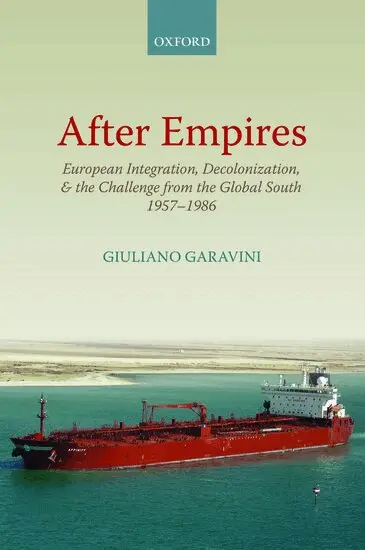
After Empires
European Integration, Decolonization, and the Challenge from the Global South 1957-1986
Häftad, 2021
551 kr
Lägg i varukorg
After Empires describes how the end of colonial empires and the changes in international politics and economies after decolonization affected the European integration process. Until now, studies on European integration have often focussed on the search for peaceful relations among the European …
After Empires
European Integration, Decolonization, and the Challenge from the Global South 1957-1986
Av Giuliano Garavini, Translated by Richard R. Nybakken
Inbunden, 2012
3083 kr
Lägg i varukorg
After Empires describes how the end of colonial empires and the changes in international politics and economies after decolonization affected the European integration process. Until now, studies on European integration have often focussed on the search for peaceful relations among the European …
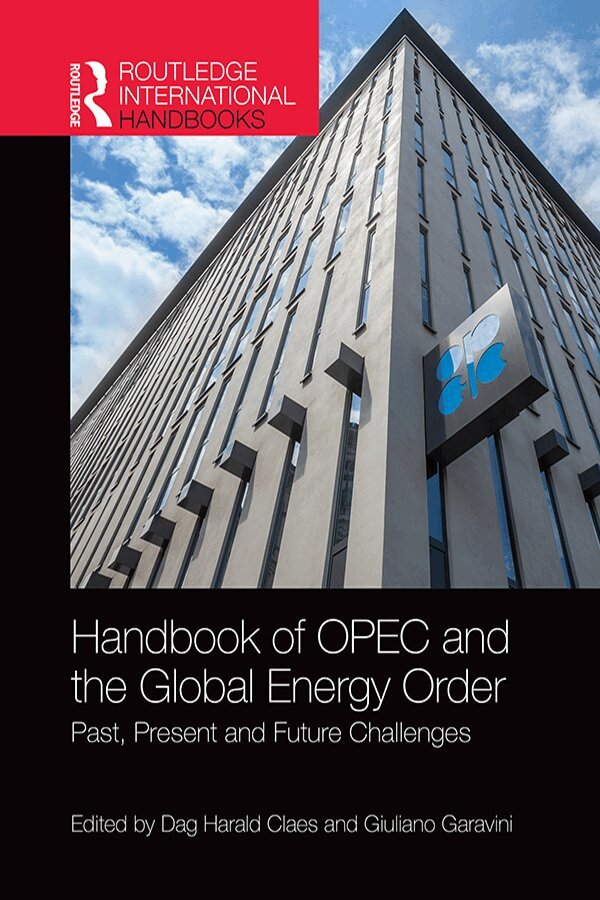
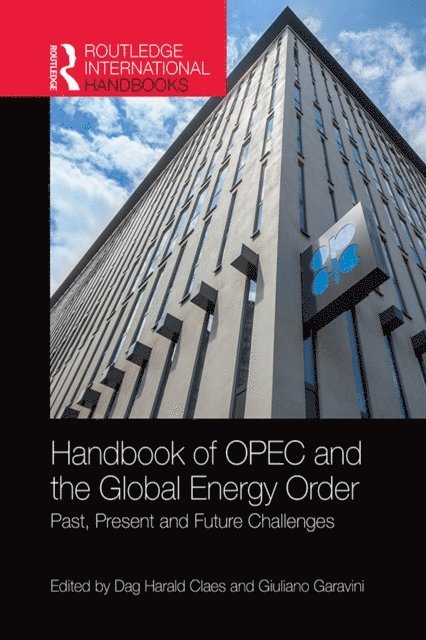
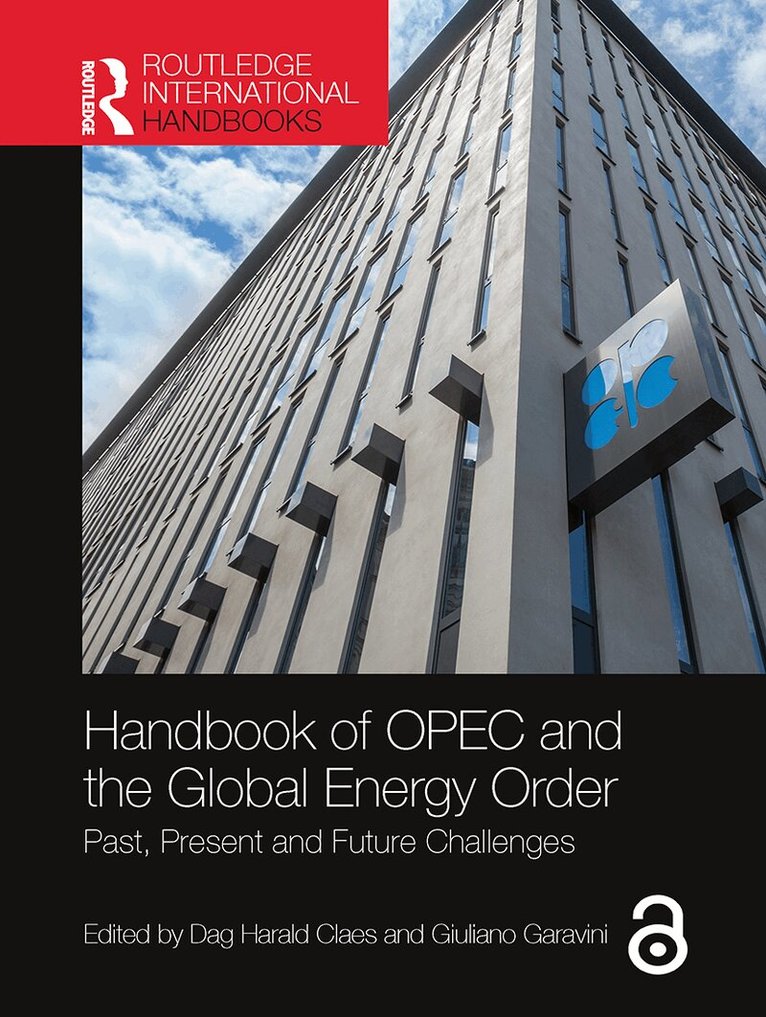
Handbook of OPEC and the Global Energy Order
Past, Present and Future Challenges
Av Dag Harald Claes, Giuliano Garavini
Inbunden, 2020
2930 kr
Lägg i varukorg
The Organization of the Petroleum Exporting Countries (OPEC), celebrating its 60th anniversary in 2020, is one of the most recognizable acronyms in international politics. The organization has undergone decades of changing importance, from political irrelevance to the spotlight of world attention …
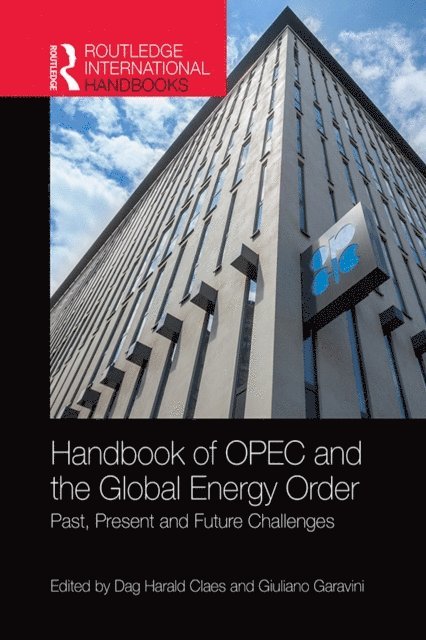
Handbook of OPEC and the Global Energy Order
Past, Present and Future Challenges
Av Giuliano Garavini, Dag Harald Claes
E-bok, 2020
693 kr
Lägg i varukorg
The Organization of the Petroleum Exporting Countries (OPEC), celebrating its 60th anniversary in 2020, is one of the most recognizable acronyms in international politics. The organization has undergone decades of changing importance, from political irrelevance to the spotlight of world attention …
Handbook of OPEC and the Global Energy Order
Past, Present and Future Challenges
Av Giuliano Garavini, Dag Harald Claes
E-bok, 2020
693 kr
Lägg i varukorg
The Organization of the Petroleum Exporting Countries (OPEC), celebrating its 60th anniversary in 2020, is one of the most recognizable acronyms in international politics. The organization has undergone decades of changing importance, from political irrelevance to the spotlight of world attention …
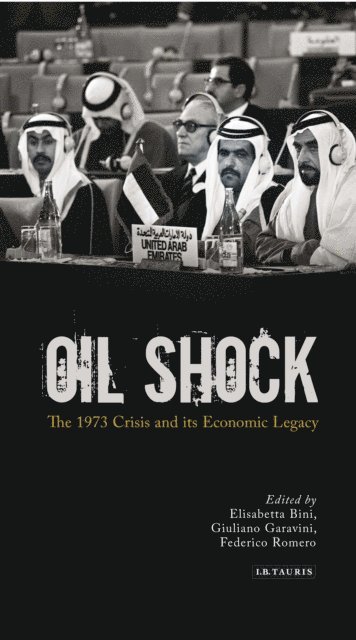
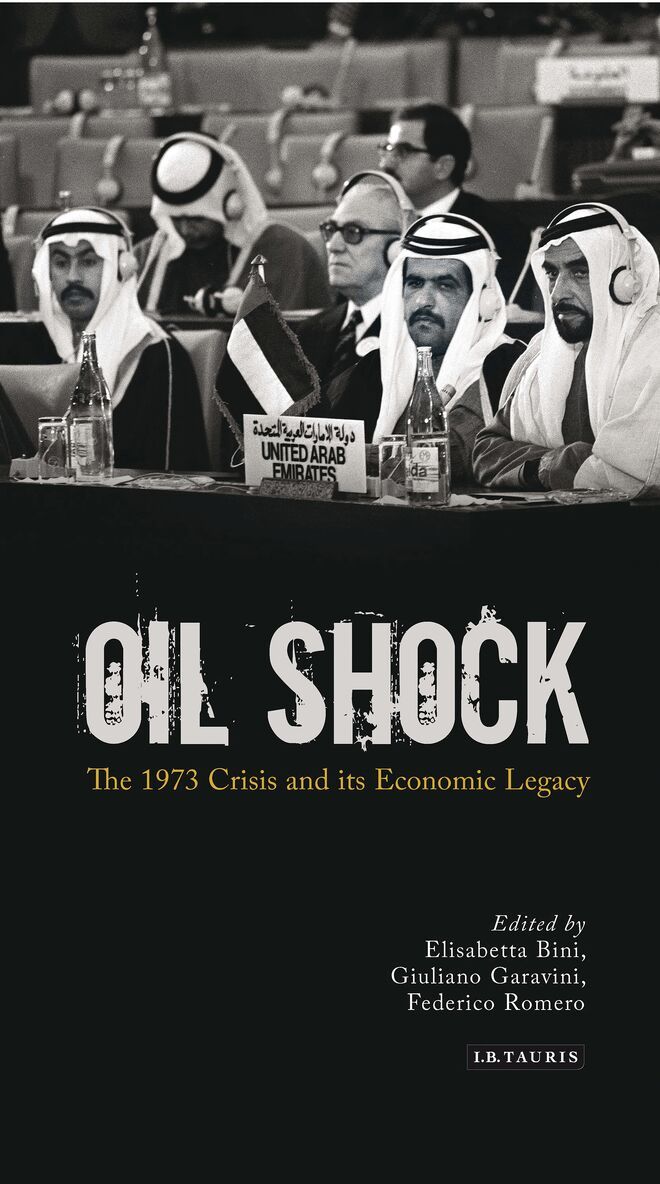
Oil Shock
The 1973 Crisis and its Economic Legacy
Av Elisabetta Bini, Giuliano Garavini m. fl.
E-bok, 2016
482 kr
Lägg i varukorg
The 1973 'Oil Shock' is considered a turning point in the history of the twentieth century. At the time it seemed to mark a definitive shift from the era of low priced oil to the era of expensive oil. For most Western industrialized countries, it became the symbolic marker of the end of an era. For …
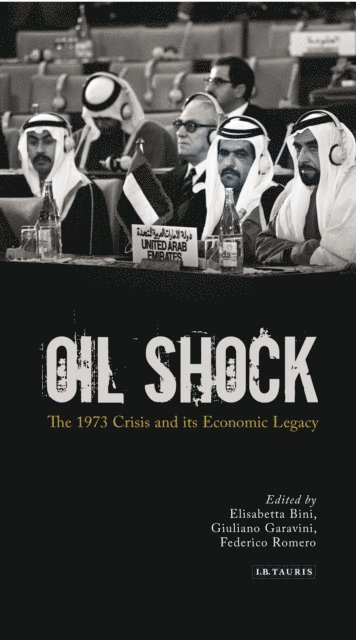
Oil Shock
The 1973 Crisis and its Economic Legacy
Av Elisabetta Bini, Giuliano Garavini m. fl.
E-bok, 2016
482 kr
Lägg i varukorg
The 1973 'Oil Shock' is considered a turning point in the history of the twentieth century. At the time it seemed to mark a definitive shift from the era of low priced oil to the era of expensive oil. For most Western industrialized countries, it became the symbolic marker of the end of an era. For …
Handbook of OPEC and the Global Energy Order
Past, Present and Future Challenges
Av Dag Harald Claes, Giuliano Garavini
Häftad, 2022
620 kr
Lägg i varukorg
The Organization of the Petroleum Exporting Countries (OPEC), celebrating its 60th anniversary in 2020, is one of the most recognizable acronyms in international politics. The organization has undergone decades of changing importance, from political irrelevance to the spotlight of world attention …
Oil Shock
The 1973 Crisis and its Economic Legacy
Av Elisabetta Bini, Giuliano Garavini m. fl.
Häftad, 2023
445 kr
Lägg i varukorg
The 1973 'Oil Shock' is considered a turning point in the history of the twentieth century. At the time it seemed to mark a definitive shift from the era of low priced oil to the era of expensive oil. For most Western industrialized countries, it became the symbolic marker of the end of an era. For …
Oil Shock
The 1973 Crisis and its Economic Legacy
Av Elisabetta Bini, Giuliano Garavini m. fl.
Inbunden, 2016
2051 kr
Lägg i varukorg
The 1973 'Oil Shock' is considered a turning point in the history of the twentieth century. At the time it seemed to mark a definitive shift from the era of low priced oil to the era of expensive oil. For most Western industrialized countries, it became the symbolic marker of the end of an era. For …
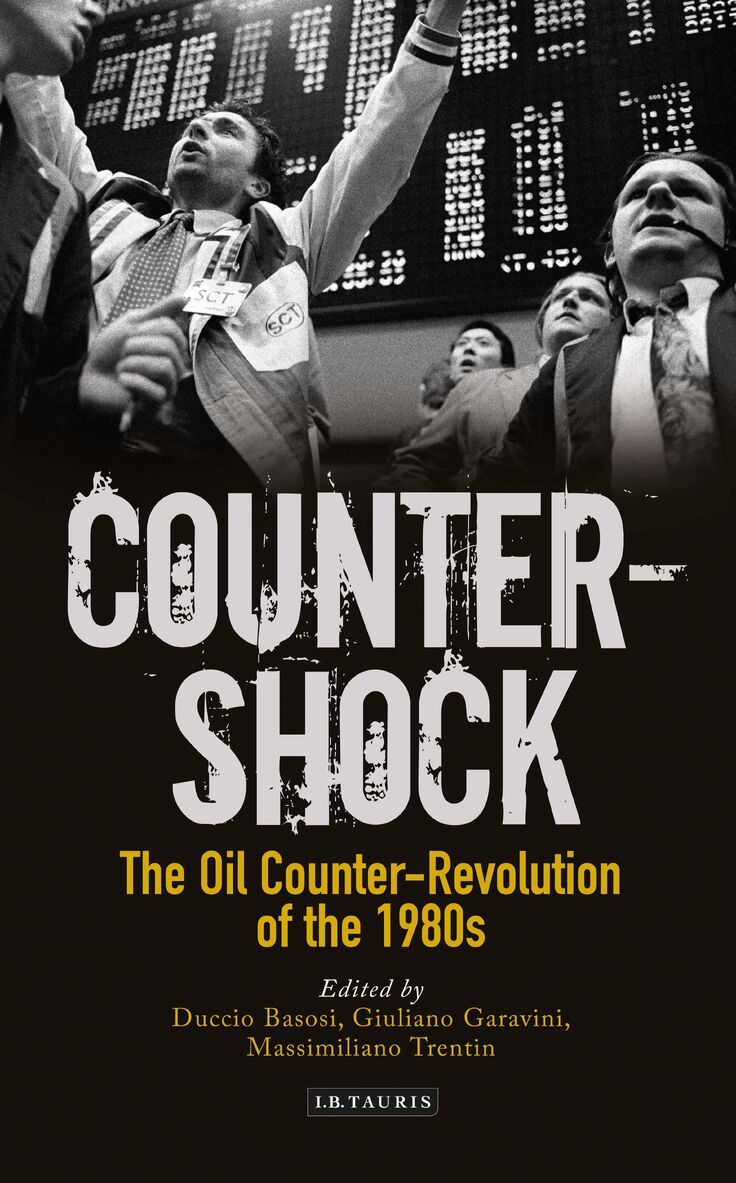
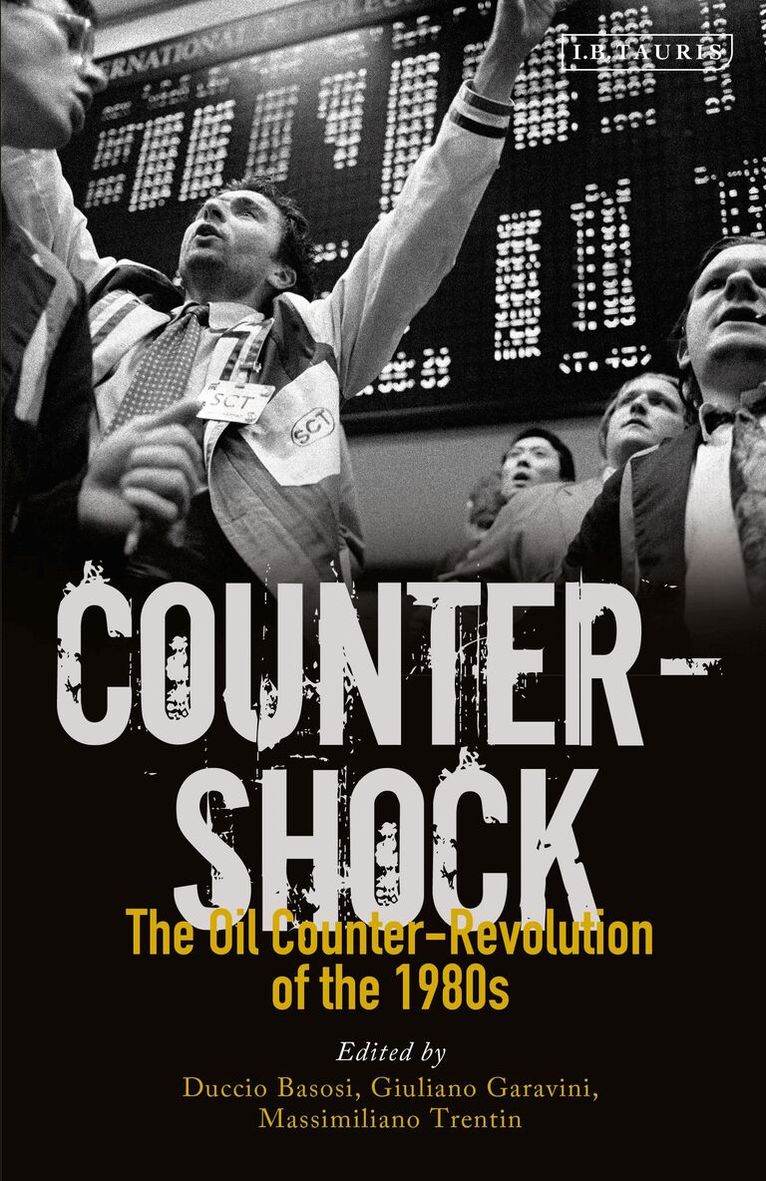
Counter-shock
The Oil Counter-Revolution of the 1980s
Av Duccio Basosi, Giuliano Garavini m. fl.
Inbunden, 2018
1905 kr
Lägg i varukorg
The oil price collapse of 1985-6 had momentous global consequences: non-fossil energy sources quickly became uncompetitive, the previous talk of an OPEC 'imperium' was turned upside-down, the Soviet Union lost a large portion of its external revenues, and many Third World producers saw their …
Counter-shock
The Oil Counter-Revolution of the 1980s
Av Duccio Basosi, Giuliano Garavini m. fl.
Häftad, 2019
515 kr
Lägg i varukorg
The oil price collapse of 1985-6 had momentous global consequences: non-fossil energy sources quickly became uncompetitive, the previous talk of an OPEC 'imperium' was turned upside-down, the Soviet Union lost a large portion of its external revenues, and many Third World producers saw their …
Counter-shock
The Oil Counter-Revolution of the 1980s
Av Duccio Basosi, Giuliano Garavini m. fl.
E-bok, 2018
562 kr
Lägg i varukorg
The oil price collapse of 1985-6 had momentous global consequences: non-fossil energy sources quickly became uncompetitive, the previous talk of an OPEC 'imperium' was turned upside-down, the Soviet Union lost a large portion of its external revenues, and many Third World producers saw their …
Counter-shock
The Oil Counter-Revolution of the 1980s
Av Duccio Basosi, Giuliano Garavini m. fl.
E-bok, 2018
562 kr
Lägg i varukorg
The oil price collapse of 1985-6 had momentous global consequences: non-fossil energy sources quickly became uncompetitive, the previous talk of an OPEC 'imperium' was turned upside-down, the Soviet Union lost a large portion of its external revenues, and many Third World producers saw their …
L’Europe et la question énergétique
Les années 1960/1980
Av Alain Beltran, Giuliano Garavini
Häftad, 2016
1134 kr
Lägg i varukorg
Au-delà des deux dates charnières de 1973 et 1979, il importe de considérer les évolutions qui ont touché l’Europe de l’ouest comme des mutations nécessaires dans un monde de moins en moins bipolaire. À travers ses épreuves et ses hésitations, la Communauté européenne construit malgré tout un …