Giulio Jori - Böcker
Visar alla böcker från författaren Giulio Jori. Handla med fri frakt och snabb leverans.
4 produkter
4 produkter
1 630 kr
Skickas inom 10-15 vardagar
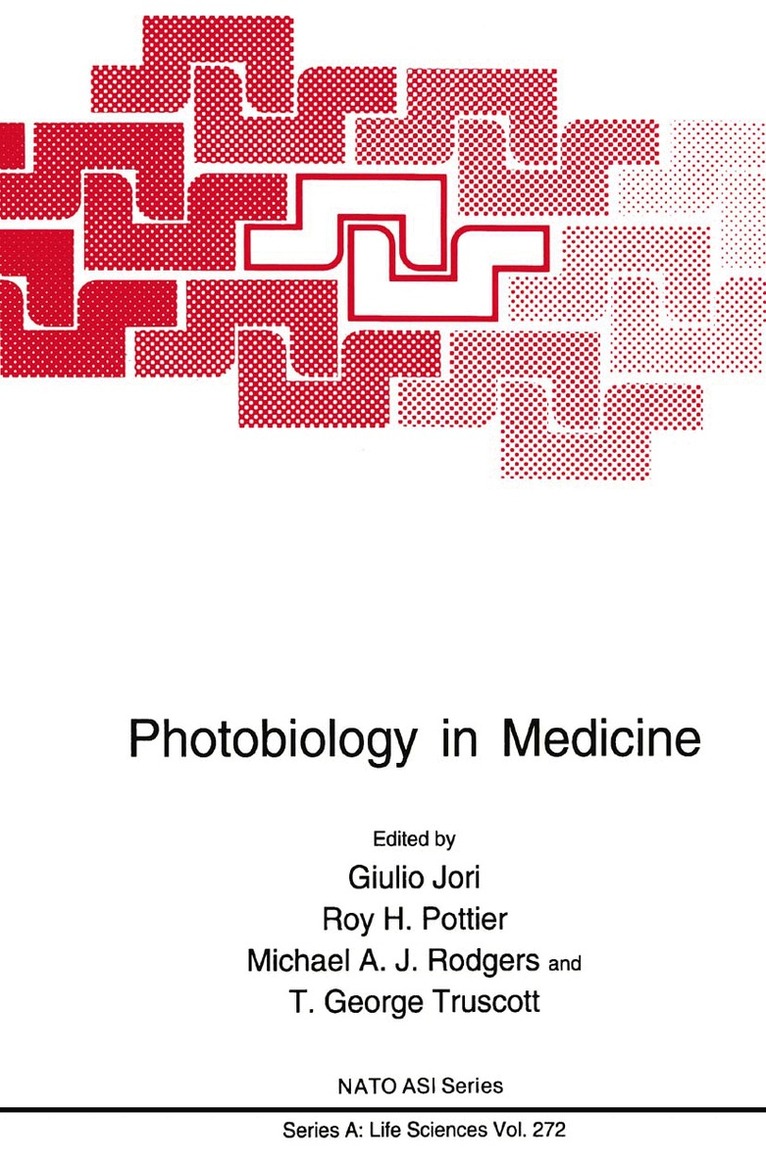
Man has recognised an association of light with life and medicine for over 3000 years. Today the major challenges to this topic include the elucidation of photochemical reactions involved in photobiology at the molecular level. This includes the use of a variety of modem probing techniques that directly measures the reactivity of excited states and free radicals involved in biological reactions. This text-book is based on such an approach and has arisen from some of the lectures delivered at the NATO ASI held at Hotel Capo Caccia near the Centre for Advanced Research in Photobiology (CARP) in Sardegia, Italy. The ASI took place from 30 September -13 October 1993 and involved a total membership of 90. The book, like the NATO ASI itself, is divided into four themes starting with fundamental aspects and ending with complex medically related systems. Thus Theme 1 covers aspects of the underlying photophysics and photochemistry with particular emphasis on modem experimental techniques to study molecular mechanisms of biological processes. Theme 2 applies many of these fundamental studies to the chemical reactions of most relevance to photobiology and photomedicine such as photo-addition, -isomerization, -sensitization and -pigmentation. The third and fourth Themes deal with the deleterious and therapeutic aspects of light with particular emphasis on the use of Photo-Dynamic Therapy (PDT) to treat cancer and on viral and micro bioi infections.
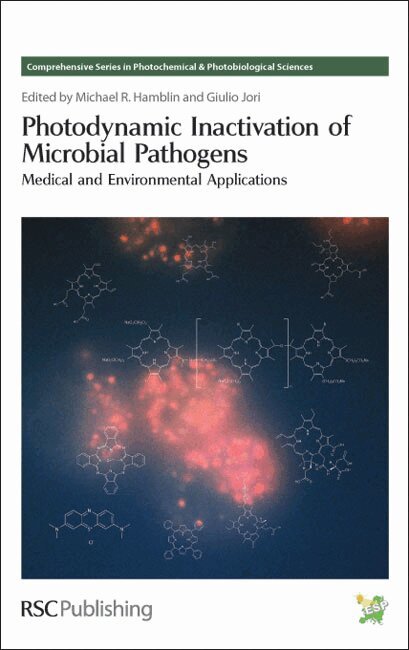
Photodynamic Inactivation of Microbial Pathogens
Medical and Environmental Applications
Inbunden, Engelska, 2011
3 603 kr
Skickas inom 5-8 vardagar
Photodynamic therapy (PDT) was discovered over one hundred years ago after observing the death of microorganisms upon exposure to dyes and light. It is the combination of non-toxic dyes and harmless visible light that, in the presence of oxygen, produce highly toxic reactive species. The principal medical application during the last century was in cancer therapy but, in these days of rising antibiotic resistance, PDT shows increasing promise as an alternative approach to treating infections. PDT has also been used in blood product sterilization, peridontology, acne reduction, and the treatment of viral lesions such as those caused by human papilloma virus. It may also have potential as an environmentally friendly pesticide. This is the first and only book to comprehensively cover the use of light and photosensitising agents for controlling microbial pathogens. It provides a comprehensive and up-to-date coverage of an emerging field. There are several chapters on the design of antimicrobial photosensitizers, their use to kill pathogenic organisms and their success in treating infections in animal models. It has long been known that gram-positive bacteria are highly susceptible to photoinactivation but the book also discusses means of widening the range of microorganisms that can be tackled by PDT. Edited by two pioneers in the application of PDT to medical and environmental issues, this book covers the basic science, translational research in animals, and the clinical applications in various medical specialities. It represents an indispensable resource for microbiologists and infectious disease doctors as well as dentists, dermatologists, gastroenterologists and transfusion specialists.
Del 5 - Resistance to Targeted Anti-Cancer Therapeutics
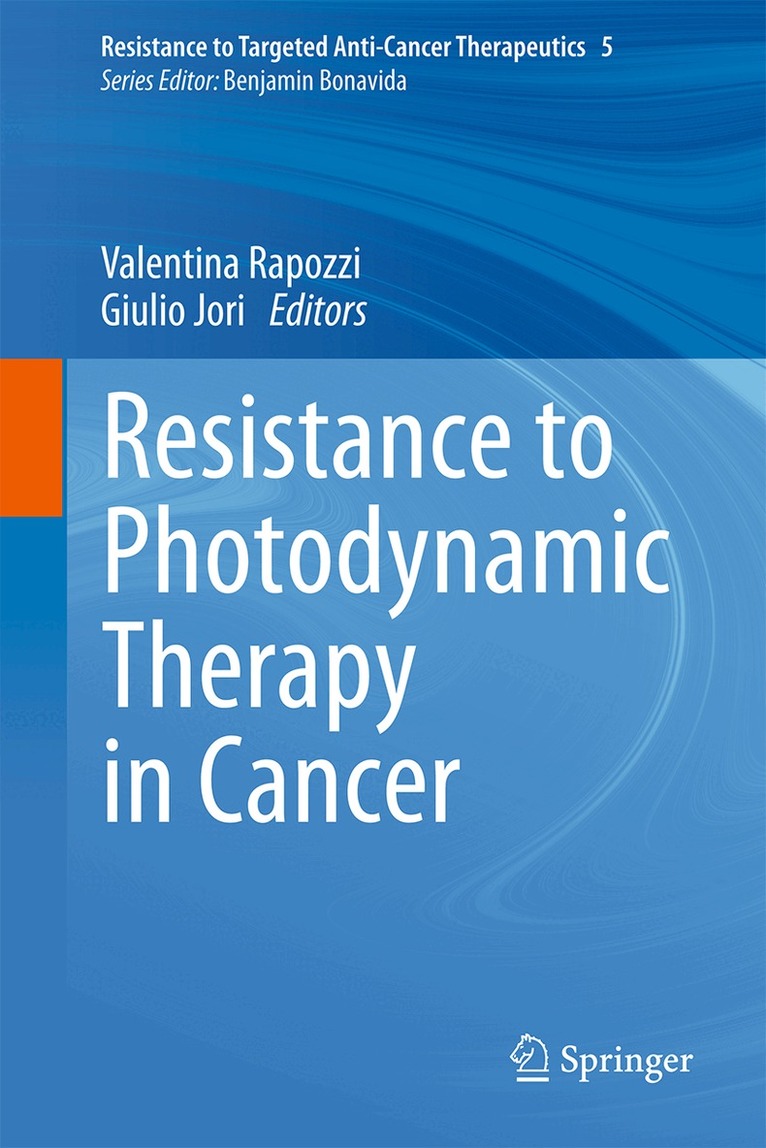
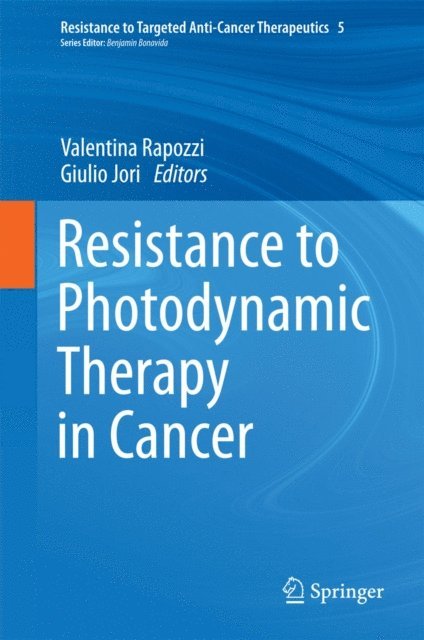
Resistance to Photodynamic Therapy in Cancer
Inbunden, Engelska, 2015
1 099 kr
Skickas inom 10-15 vardagar
This volume provides a comprehensive review of resistance induced by photodynamic therapy (PDT) in tumor cells. Understanding the underlying mechanisms in this process leads to the improvement of therapeutic modality, in combination with chemotherapy, immunotherapy, and radiotherapy. Photodynamic therapy is a minimally invasive therapeutic procedure that can exert a selective or preferential cytotoxic activity toward malignant cells. The procedure involves administration of an intrinsically non-toxic photosensitizing agent (PS) followed by irradiation at a wavelength corresponding to a visible absorption band of the sensitizer. In the presence of oxygen, a series of events lead to direct tumor cell death, damage to the microvasculature, and induction of a local inflammatory reaction. Studies reveal that PDT can be curative, particularly in early stage tumors and this volume explores the potential of PDT, but also reveals strategic approaches to overcome resistance in tumor cells.
Del 5 - Resistance to Targeted Anti-Cancer Therapeutics
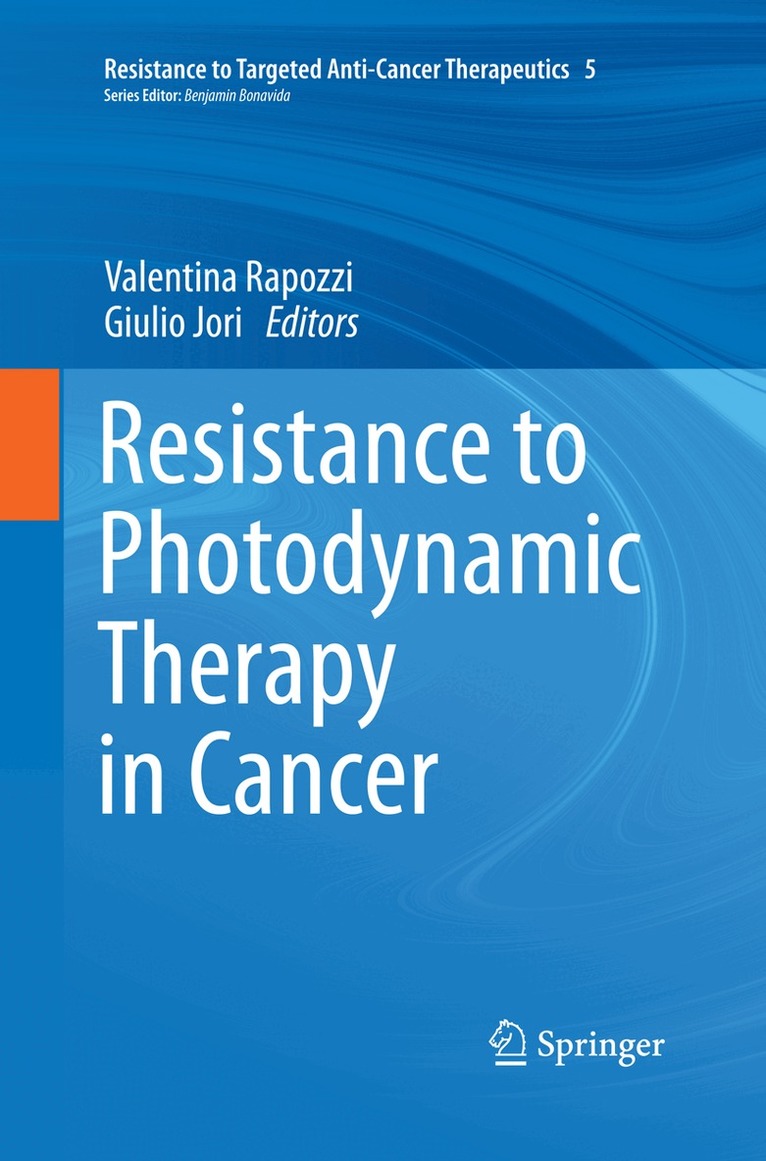
Resistance to Photodynamic Therapy in Cancer
Häftad, Engelska, 2016
1 105 kr
Skickas inom 10-15 vardagar
This volume provides a comprehensive review of resistance induced by photodynamic therapy (PDT) in tumor cells. Understanding the underlying mechanisms in this process leads to the improvement of therapeutic modality, in combination with chemotherapy, immunotherapy, and radiotherapy. Photodynamic therapy is a minimally invasive therapeutic procedure that can exert a selective or preferential cytotoxic activity toward malignant cells. The procedure involves administration of an intrinsically non-toxic photosensitizing agent (PS) followed by irradiation at a wavelength corresponding to a visible absorption band of the sensitizer. In the presence of oxygen, a series of events lead to direct tumor cell death, damage to the microvasculature, and induction of a local inflammatory reaction. Studies reveal that PDT can be curative, particularly in early stage tumors and this volume explores the potential of PDT, but also reveals strategic approaches to overcome resistance in tumor cells.