Giunia Gatta – författare
Visar alla böcker från författaren Giunia Gatta. Handla med fri frakt och snabb leverans.
8 produkter
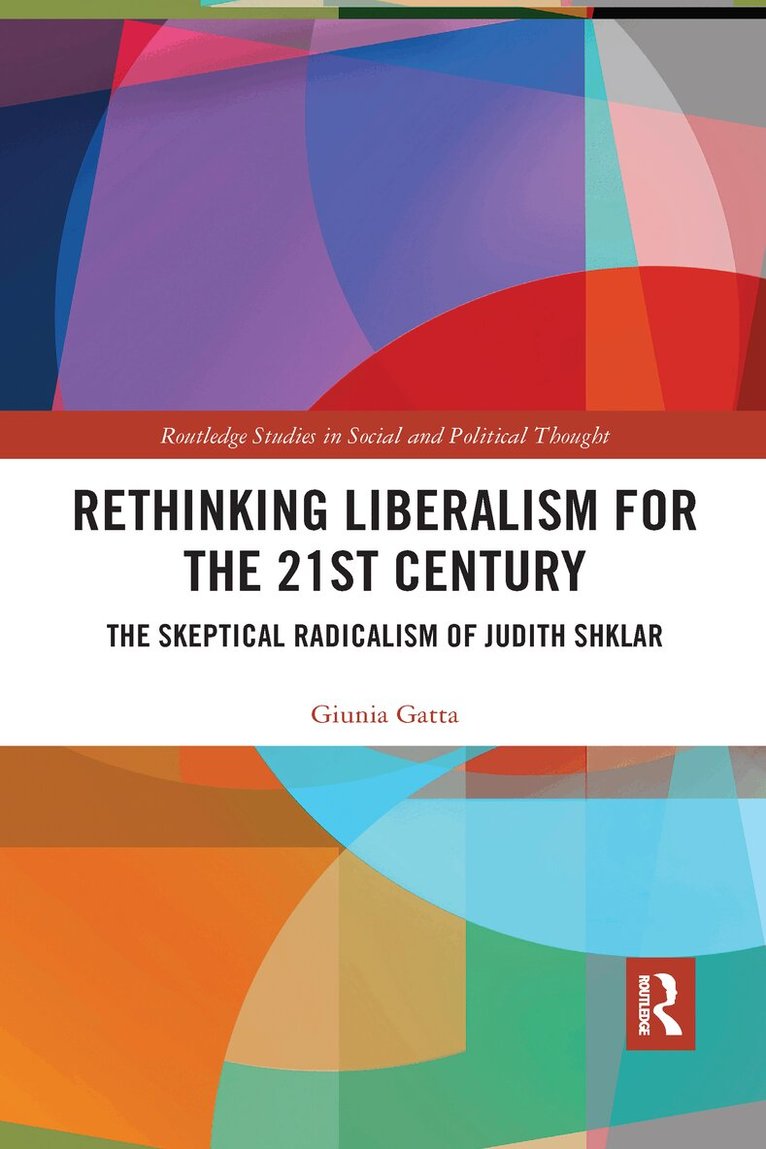
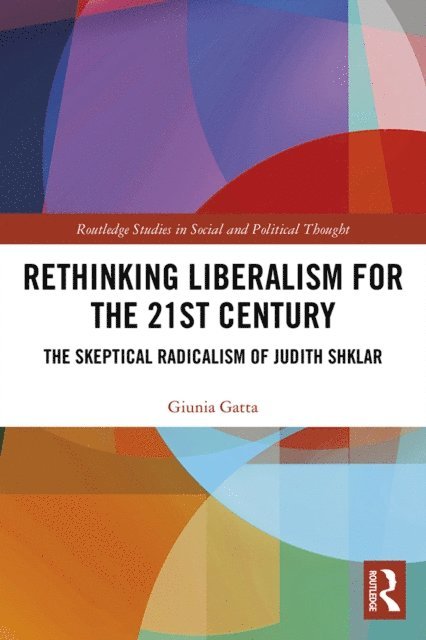
Rethinking Liberalism for the 21st Century
The Skeptical Radicalism of Judith Shklar
Av Giunia Gatta
Häftad, 2020
718 kr
Lägg i varukorg
Rethinking Liberalism for the 21st Century offers an indispensable reexamination of the life, work, and interventions of a prominent liberal political theorist of the 20th century: Judith Shklar.Drawing on published and unpublished sources including Shklar’s correspondence, lecture notes, and other …
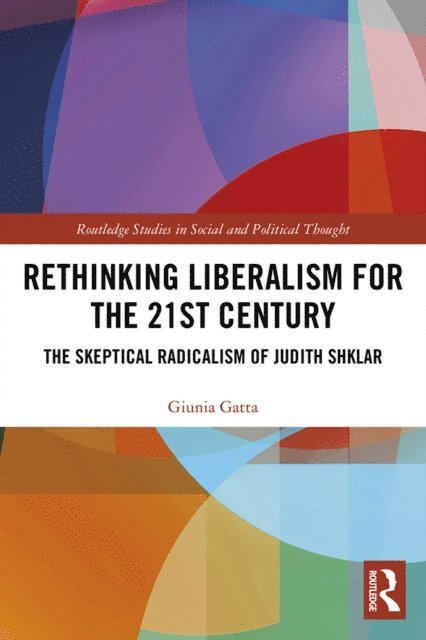
Rethinking Liberalism for the 21st Century
The Skeptical Radicalism of Judith Shklar
Av Giunia Gatta
Inbunden, 2018
2519 kr
Lägg i varukorg
Rethinking Liberalism for the 21st Century offers an indispensable reexamination of the life, work, and interventions of a prominent liberal political theorist of the 20th century: Judith Shklar.Drawing on published and unpublished sources including Shklar’s correspondence, lecture notes, and other …
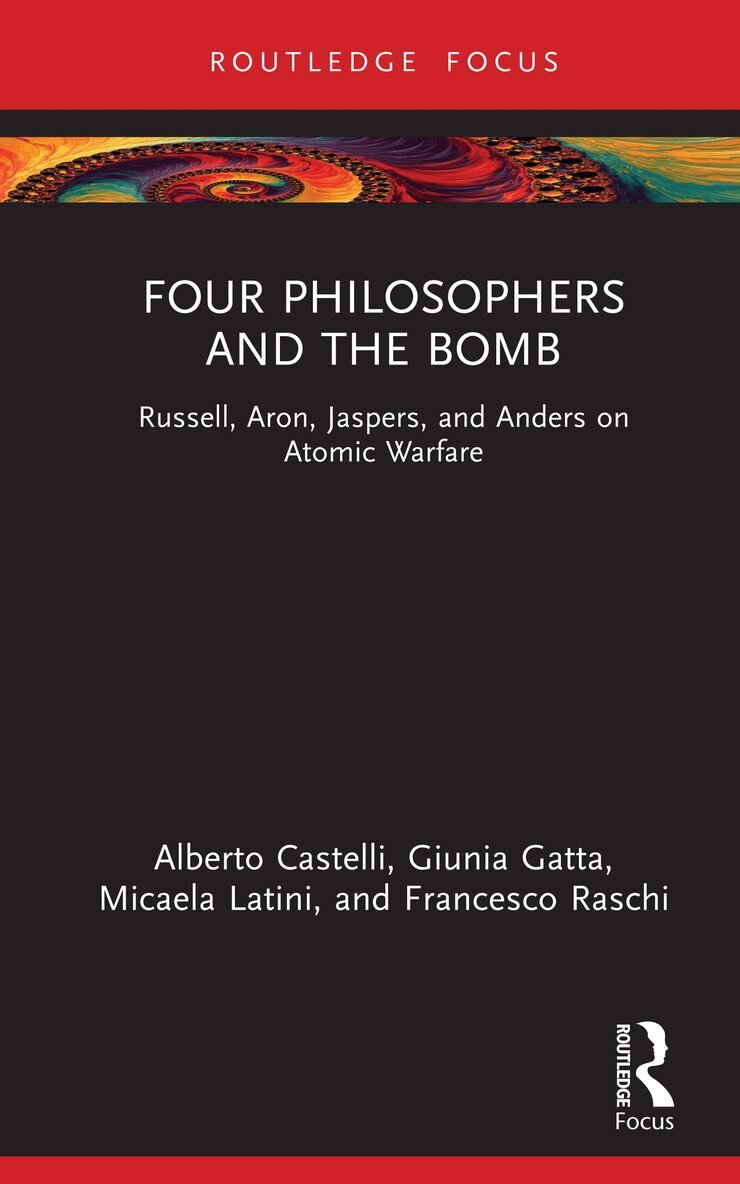
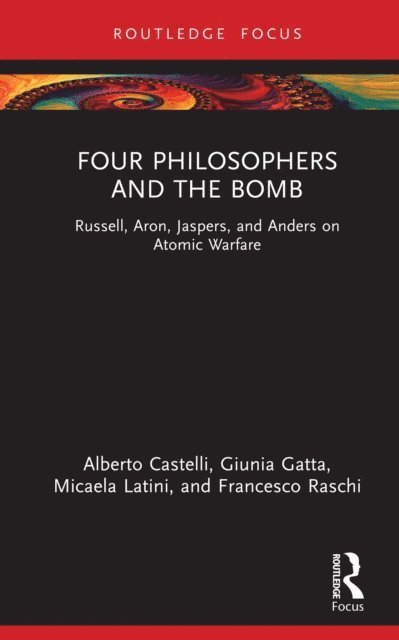
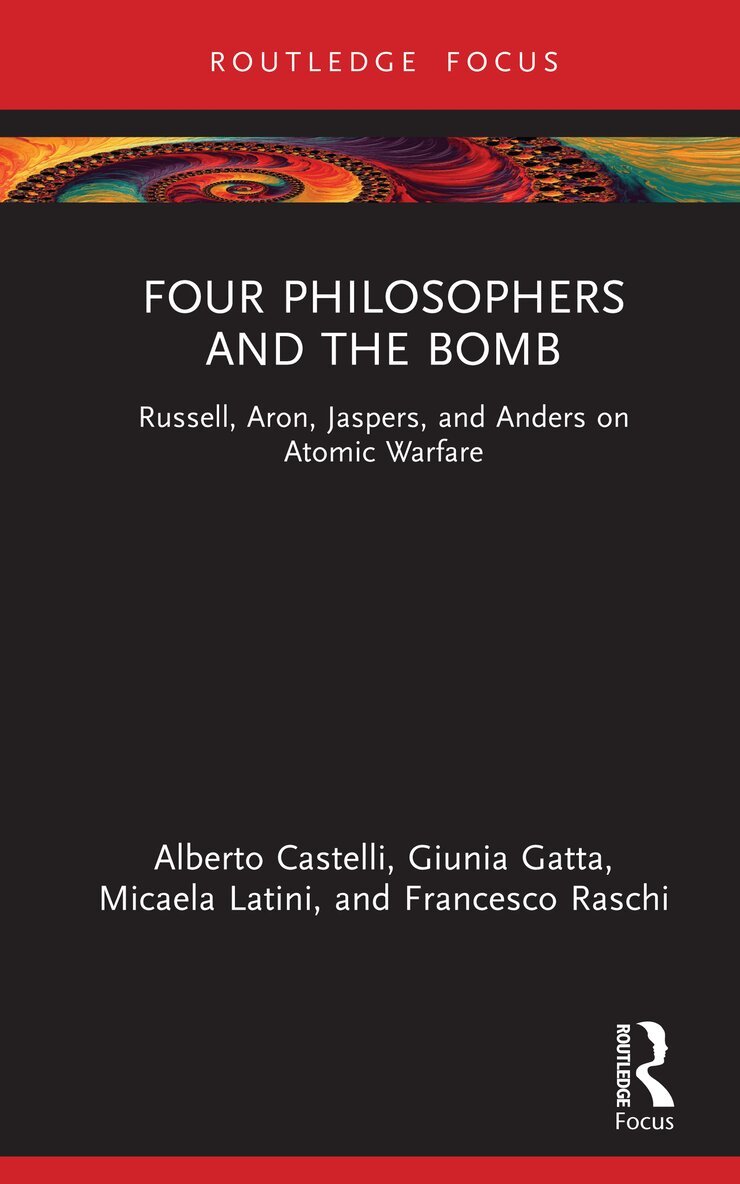
Four Philosophers and the Bomb
Russell, Aron, Jaspers, and Anders on Atomic Warfare
Av Alberto Castelli, Giunia Gatta m. fl.
Inbunden, 2025
863 kr
Lägg i varukorg
In this book, Alberto Castelli, Giunia Gatta, Micaela Latini, and Francesco Raschi examine how four prominent intellectuals of the 20th century (Bertrand Russell, Karl Jaspers, Raymond Aron, and Günther Anders) understood atomic warfare. With a chapter devoted to the philosophical ideas of each …
Four Philosophers and the Bomb
Russell, Aron, Jaspers, and Anders on Atomic Warfare
Av Francesco Raschi, Micaela Latini m. fl.
E-bok, 2025
419 kr
Lägg i varukorg
In this book, Alberto Castelli, Giunia Gatta, Micaela Latini, and Francesco Raschi examine how four prominent intellectuals of the 20th century (Bertrand Russell, Karl Jaspers, Raymond Aron, and Günther Anders) understood atomic warfare. With a chapter devoted to the philosophical ideas of each …
Four Philosophers and the Bomb
Russell, Aron, Jaspers, and Anders on Atomic Warfare
Av Francesco Raschi, Micaela Latini m. fl.
E-bok, 2025
419 kr
Lägg i varukorg
In this book, Alberto Castelli, Giunia Gatta, Micaela Latini, and Francesco Raschi examine how four prominent intellectuals of the 20th century (Bertrand Russell, Karl Jaspers, Raymond Aron, and Günther Anders) understood atomic warfare. With a chapter devoted to the philosophical ideas of each …
Four Philosophers and the Bomb
Russell, Aron, Jaspers, and Anders on Atomic Warfare
Av Alberto Castelli, Giunia Gatta m. fl.
Häftad, 2026
372 kr
Lägg i varukorg
In this book, Alberto Castelli, Giunia Gatta, Micaela Latini, and Francesco Raschi examine how four prominent intellectuals of the 20th century (Bertrand Russell, Karl Jaspers, Raymond Aron, and Günther Anders) understood atomic warfare. With a chapter devoted to the philosophical ideas of each …
Rethinking Liberalism for the 21st Century
The Skeptical Radicalism of Judith Shklar
Av Giunia Gatta
E-bok, 2018
849 kr
Lägg i varukorg
Rethinking Liberalism for the 21st Century offers an indispensable reexamination of the life, work, and interventions of a prominent liberal political theorist of the 20th century: Judith Shklar. Drawing on published and unpublished sources including Shklar’s correspondence, lecture notes, and …
Rethinking Liberalism for the 21st Century
The Skeptical Radicalism of Judith Shklar
Av Giunia Gatta
E-bok, 2018
830 kr
Lägg i varukorg
Rethinking Liberalism for the 21st Century offers an indispensable reexamination of the life, work, and interventions of a prominent liberal political theorist of the 20th century: Judith Shklar. Drawing on published and unpublished sources including Shklar’s correspondence, lecture notes, and …