Giuseppe Pezzini – författare
Visar alla böcker från författaren Giuseppe Pezzini. Handla med fri frakt och snabb leverans.
16 produkter
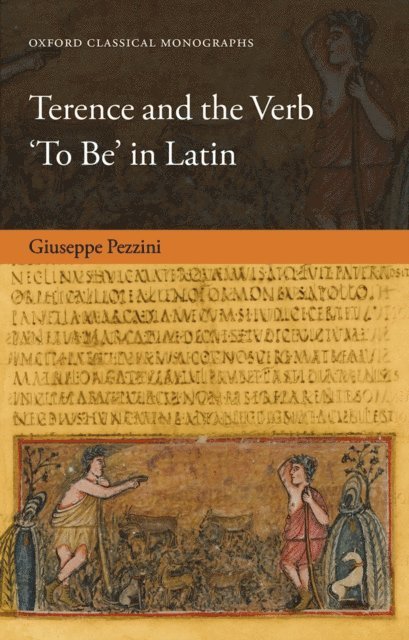
Terence and the Verb 'To Be' in Latin
E-bok, 2015
1945 kr
Lägg i varukorg
Terence and the Verb ''To Be'' in Latin is the first in-depth study of the verb ''to be'' in Latin ( esse ) and some of its hidden properties. Like the English ''be'' (e.g. it''s), the Latin forms of esse could undergo phonetic reduction or contraction. This phenomenon is largely unknown since …
Terence and the Verb 'To Be' in Latin
Inbunden, 2015
3390 kr
Lägg i varukorg
Terence and the Verb 'To Be' in Latin is the first in-depth study of the verb 'to be' in Latin (esse) and some of its hidden properties. Like the English 'be' (e.g. it's), the Latin forms of esse could undergo phonetic reduction or contraction. This phenomenon is largely unknown since classical …
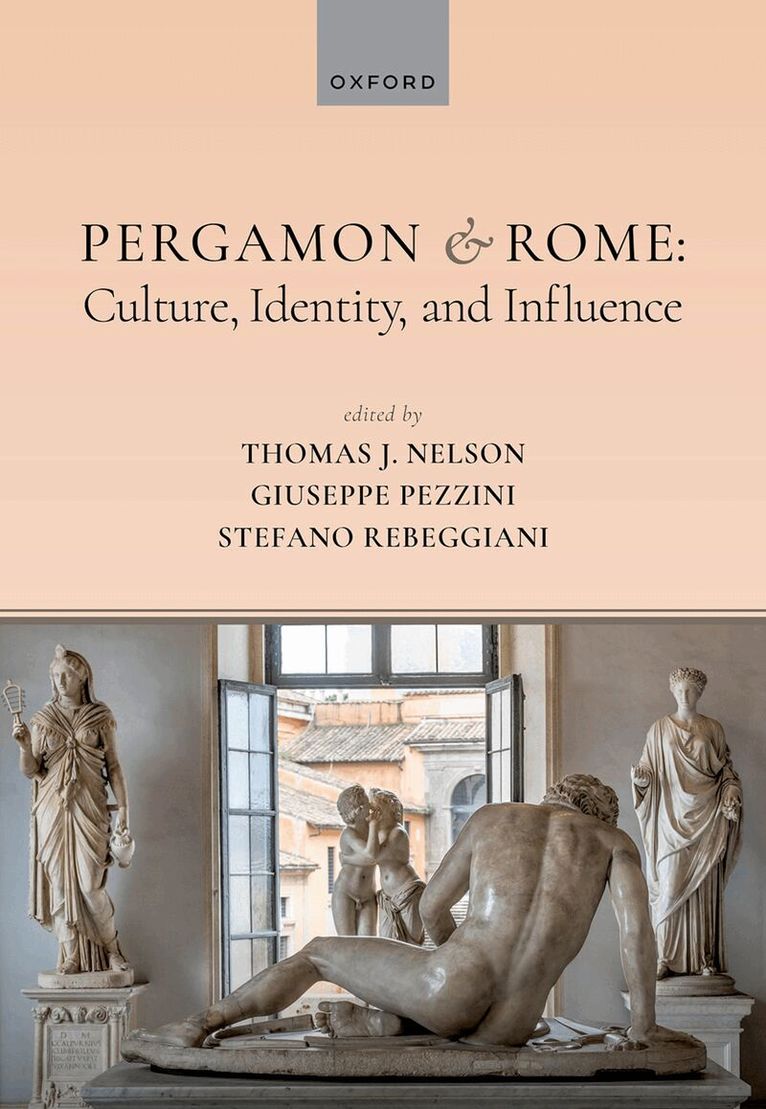
Pergamon and Rome: Culture, Identity, and Influence
Av Thomas J. Nelson, Giuseppe Pezzini
Inbunden, 2025
2353 kr
Lägg i varukorg
This interdisciplinary volume provides the first comprehensive study of Rome's relationship with the kingdom and city of Pergamon. It surveys the rich and diverse interactions between these two cities from the late third century BCE to the fourth century CE, ranging across multiple cultural spheres …
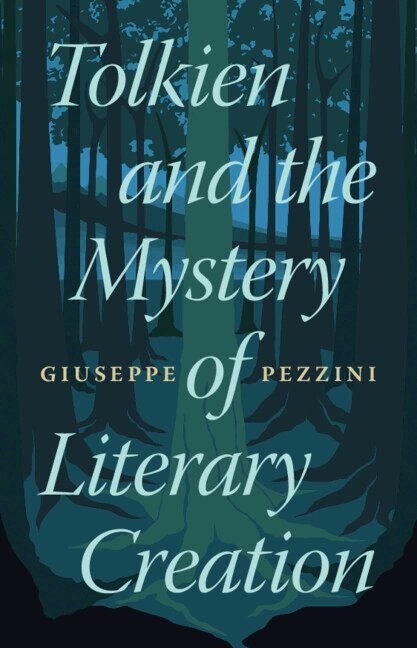
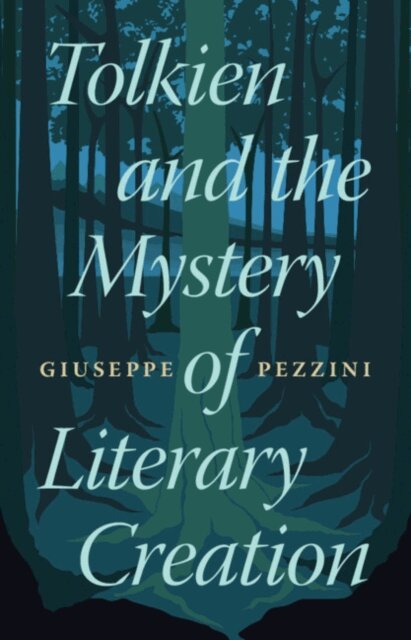
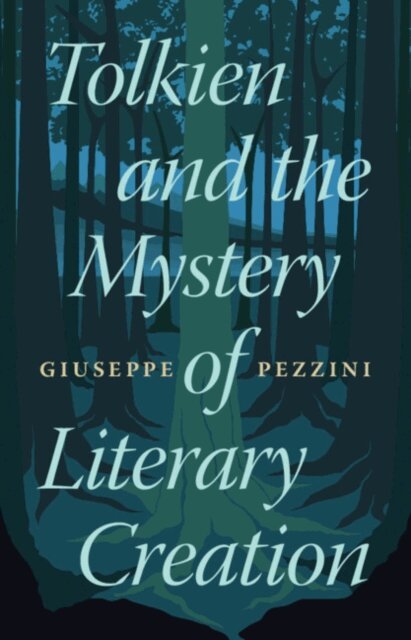
Tolkien and the Mystery of Literary Creation
Inbunden, 2025
500 kr
Lägg i varukorg
Taking his readers into the depths of a majestic and expansive literary world, one to which he brings fresh illumination as if to the darkness of Khazad-d-m, Giuseppe Pezzini combines rigorous scholarship with an engaging style to reveal the full scale of J. R. R. Tolkien's vision of the 'mystery …
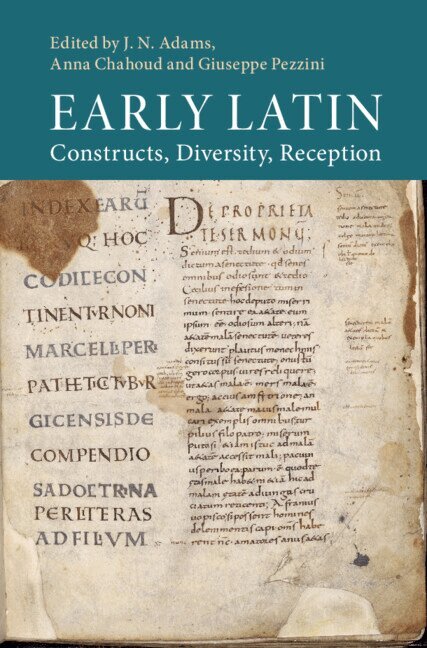
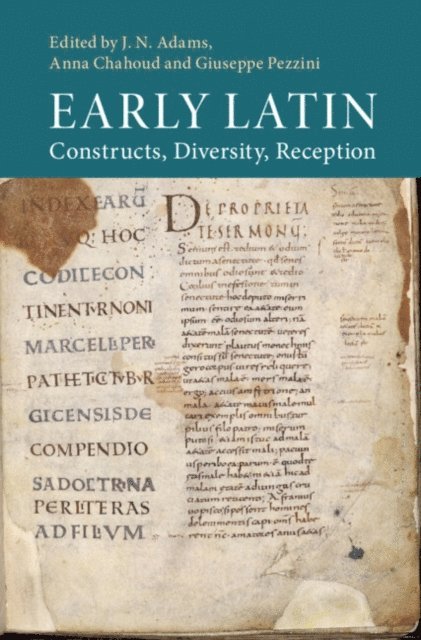
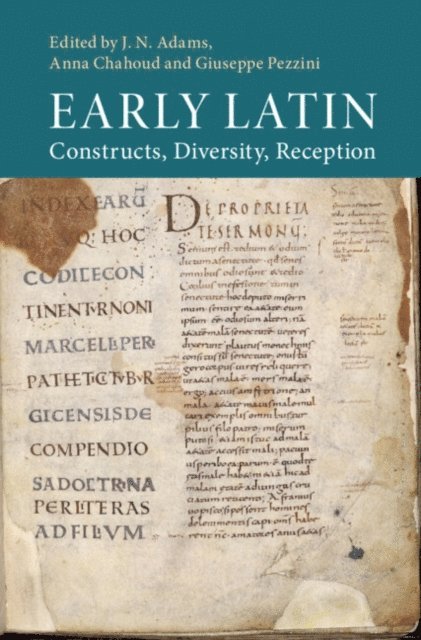
Early Latin
Constructs, Diversity, Reception
Av J. N. Adams, Anna Chahoud m. fl.
Inbunden, 2023
2019 kr
Lägg i varukorg
This is the most detailed and comprehensive study to date of early Latin language, literary and non-literary, featuring twenty-nine chapters by an international team of scholars. 'Early Latin' is interpreted liberally as extending from the period of early inscriptions through to the first quarter …
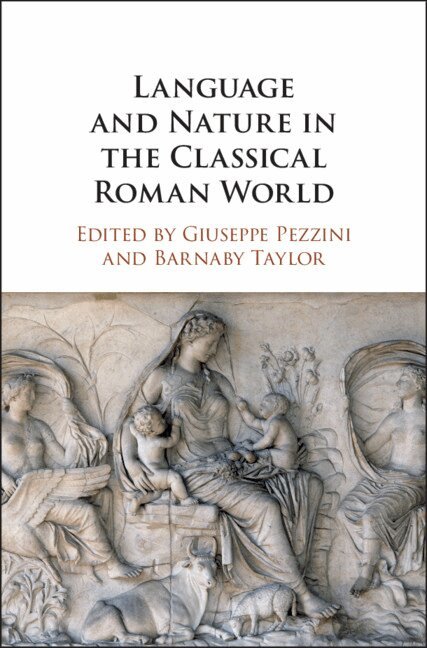
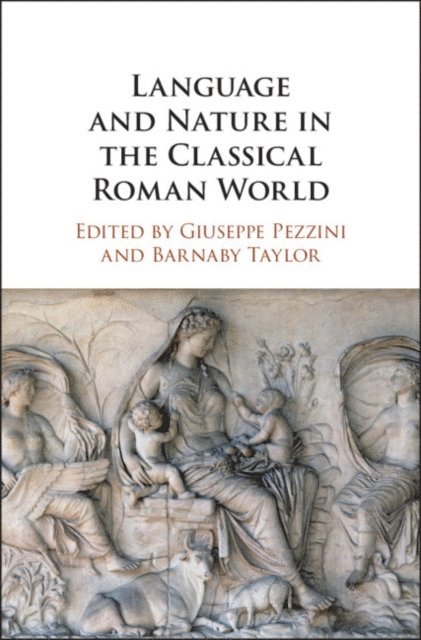
Language and Nature in the Classical Roman World
Av Giuseppe Pezzini, Barnaby Taylor
Inbunden, 2019
1575 kr
Lägg i varukorg
A familiar theme in Greek philosophy, largely due to the influence of Plato's Cratylus, linguistic naturalism (the notion that linguistic facts, structures or behaviour are in some significant sense determined by nature) constitutes a major but under-studied area of Roman linguistic thought. …
Language and Nature in the Classical Roman World
Av Barnaby Taylor, Giuseppe Pezzini
E-bok, 2019
454 kr
Lägg i varukorg
A familiar theme in Greek philosophy, largely due to the influence of Plato''s Cratylus, linguistic naturalism (the notion that linguistic facts, structures or behaviour are in some significant sense determined by nature) constitutes a major but under-studied area of Roman linguistic thought. …
Language and Nature in the Classical Roman World
Av Barnaby Taylor, Giuseppe Pezzini
E-bok, 2019
454 kr
Lägg i varukorg
A familiar theme in Greek philosophy, largely due to the influence of Plato''s Cratylus, linguistic naturalism (the notion that linguistic facts, structures or behaviour are in some significant sense determined by nature) constitutes a major but under-studied area of Roman linguistic thought. …
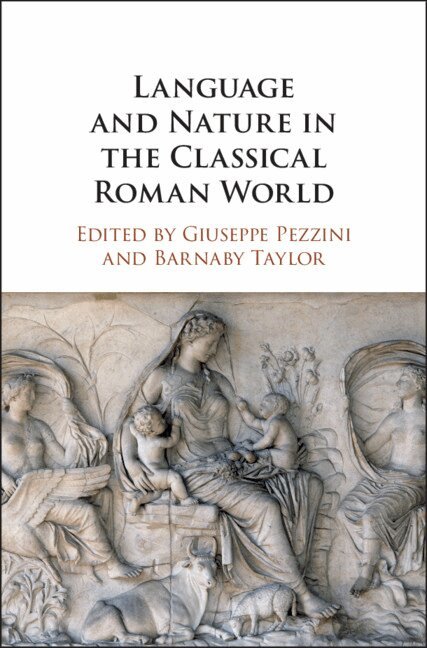
Language and Nature in the Classical Roman World
Av Giuseppe Pezzini, Barnaby Taylor
Häftad, 2023
468 kr
Lägg i varukorg
A familiar theme in Greek philosophy, largely due to the influence of Plato's Cratylus, linguistic naturalism (the notion that linguistic facts, structures or behaviour are in some significant sense determined by nature) constitutes a major but under-studied area of Roman linguistic thought. …
Early Latin
Constructs, Diversity, Reception
Av Giuseppe Pezzini, Anna Chahoud m. fl.
E-bok, 2023
2250 kr
Lägg i varukorg
Early Latin
Constructs, Diversity, Reception
Av Giuseppe Pezzini, Anna Chahoud m. fl.
E-bok, 2023
2299 kr
Lägg i varukorg
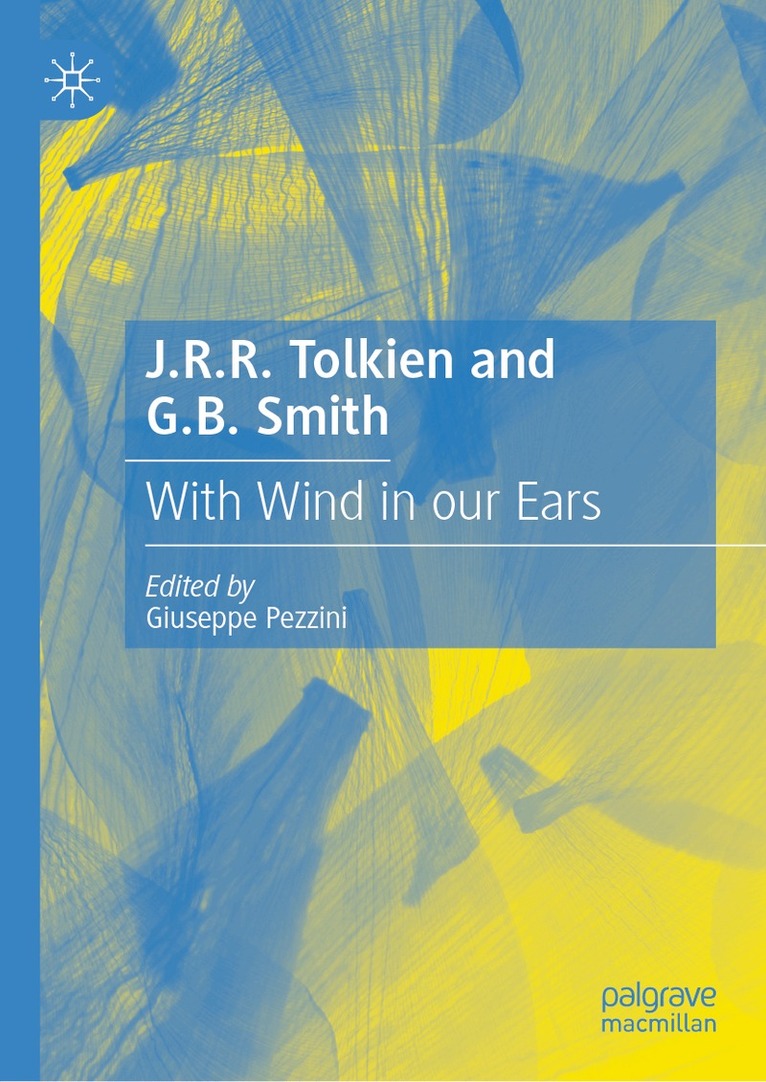
J.R.R. Tolkien and G.B. Smith
With Wind in our Ears
Inbunden, 2026
1680 kr
Lägg i varukorg
Despite his discreet personality, private “vices”, and literary idiosyncrasies, Tolkien was in fact a deeply collaborative figure, both as a scholar and, above all, as a writer. This volume is dedicated to one of his earliest and most significant creative and personal collaborations, his friendship …
J.R.R. Tolkien and G.B. Smith
With Wind in our Ears
E-bok, 2026
2087 kr
Lägg i varukorg
Despite his discreet personality, private “vices”, and literary idiosyncrasies, Tolkien was in fact a deeply collaborative figure, both as a scholar and, above all, as a writer. This volume is dedicated to one of his earliest and most significant creative and personal collaborations, his friendship …