Giuseppe Ugazio – författare
Visar alla böcker från författaren Giuseppe Ugazio. Handla med fri frakt och snabb leverans.
4 produkter
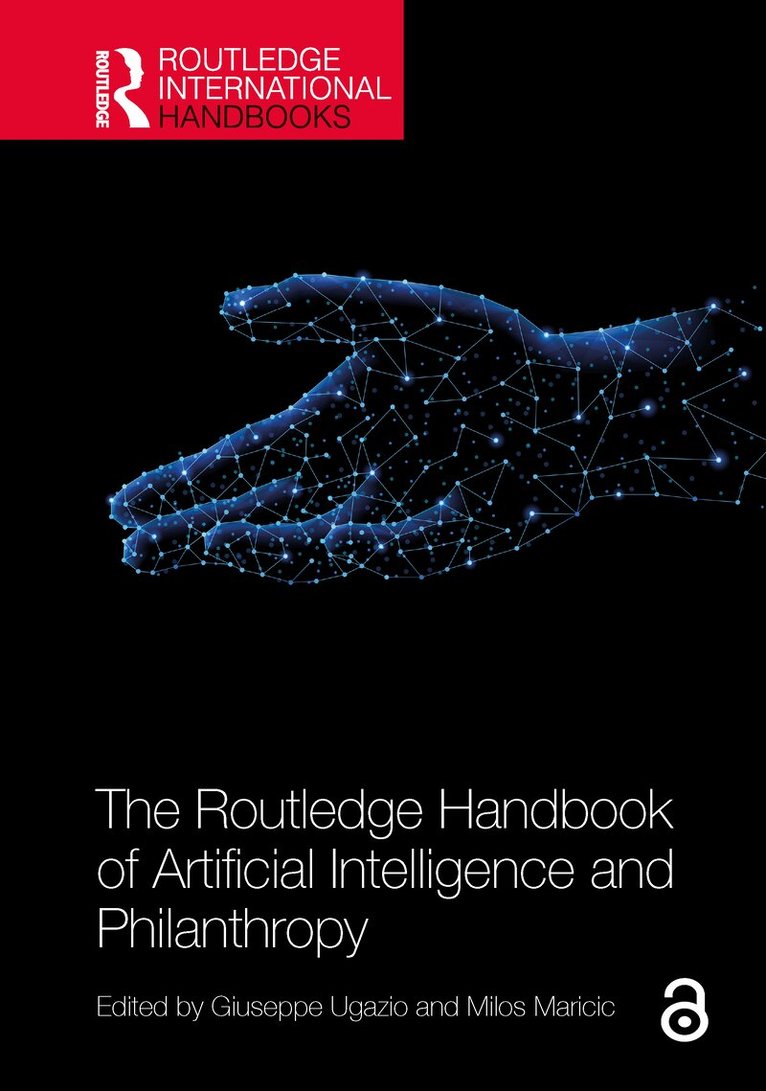
Routledge Handbook of Artificial Intelligence and Philanthropy
Av Giuseppe Ugazio, Milos Maricic
Inbunden, 2024
3781 kr
Lägg i varukorg
The Routledge Handbook of Artificial Intelligence and Philanthropy acts as a catalyst for the dialogue between two ecosystems with much to gain from collaboration: artificial intelligence (AI) and philanthropy. Bringing together leading academics, AI specialists, and philanthropy professionals, it …
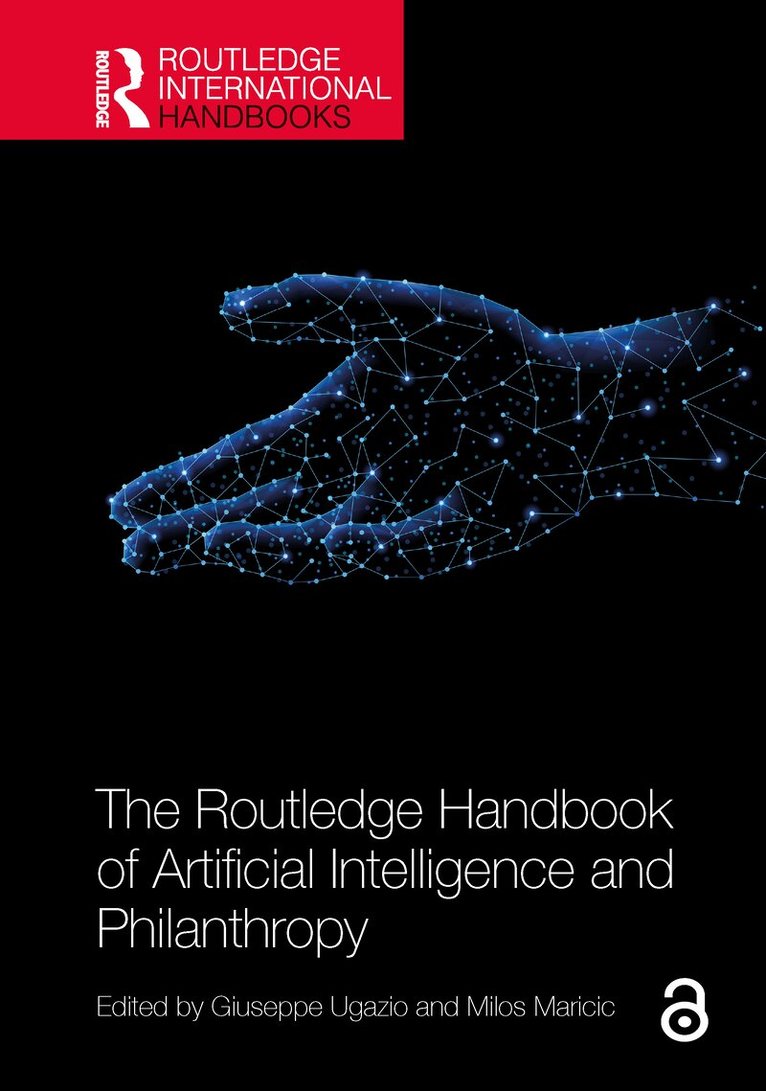
Routledge Handbook of Artificial Intelligence and Philanthropy
Av Giuseppe Ugazio, Milos Maricic
Häftad, 2026
791 kr
Lägg i varukorg
The Routledge Handbook of Artificial Intelligence and Philanthropy acts as a catalyst for the dialogue between two ecosystems with much to gain from collaboration: artificial intelligence (AI) and philanthropy. Bringing together leading academics, AI specialists, and philanthropy professionals, it …
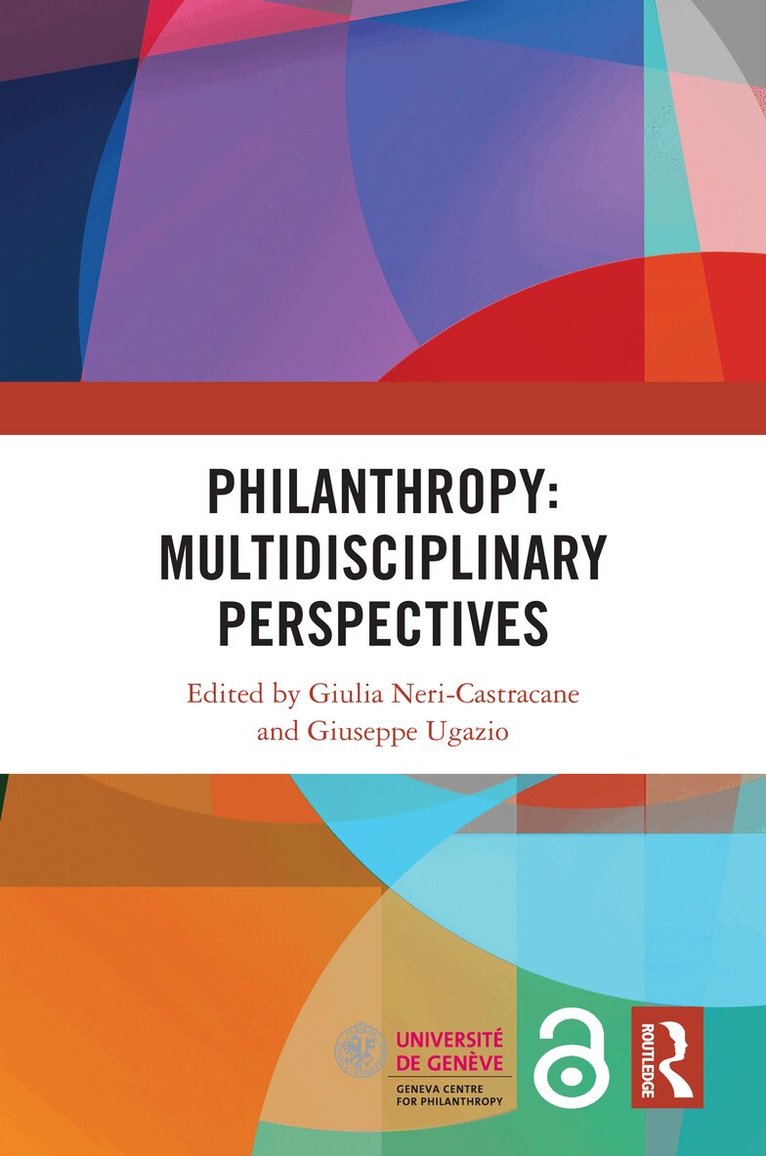
Philanthropy: Multidisciplinary Perspectives
Av Giulia Neri-Castracane, Giuseppe Ugazio
Inbunden, 2025
3147 kr
Lägg i varukorg
Philanthropy Multidisciplinary Perspectives is a reference for academics and professionals engaged in philanthropy. It brings together scholars from fields such as economics, finance, law, philosophy, and sociology, showcasing the power of a multidisciplinary approach in providing a comprehensive …
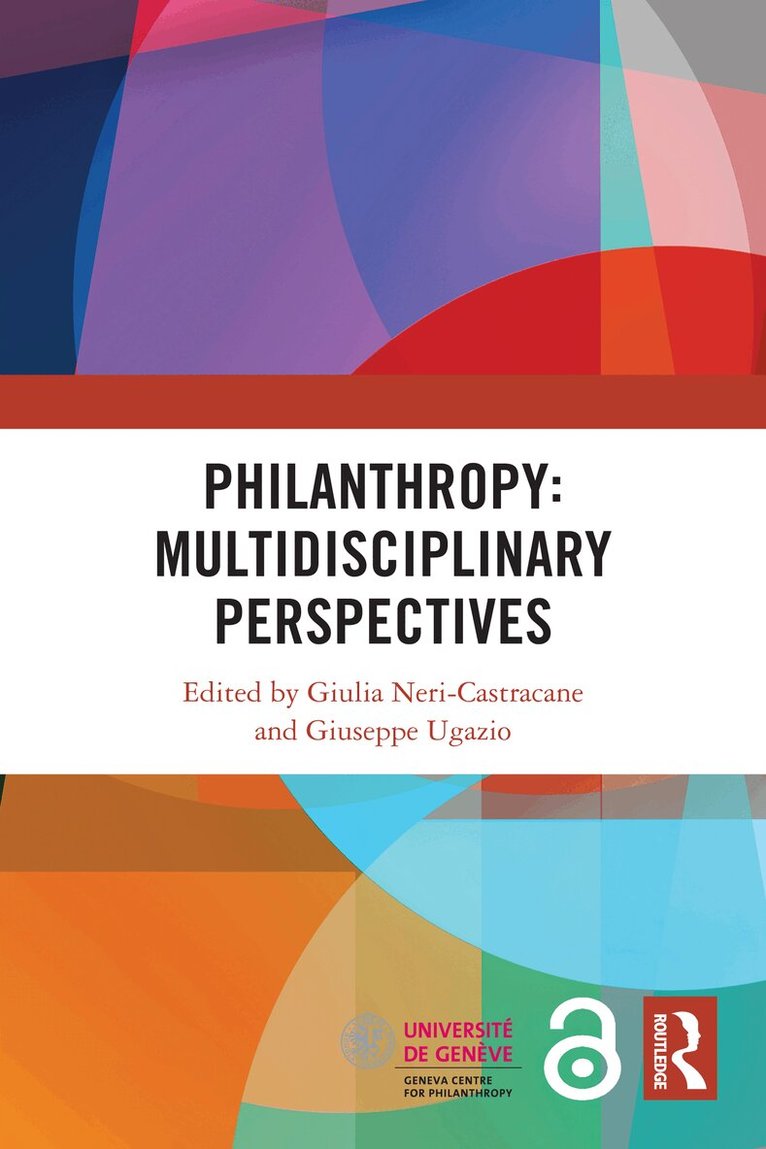
Philanthropy: Multidisciplinary Perspectives
Av Giulia Neri-Castracane, Giuseppe Ugazio
Häftad, 2026
725 kr
Lägg i varukorg
Philanthropy Multidisciplinary Perspectives is a reference for academics and professionals engaged in philanthropy. It brings together scholars from fields such as economics, finance, law, philosophy, and sociology, showcasing the power of a multidisciplinary approach in providing a comprehensive …