Gordon Biddle – författare
Visar alla böcker från författaren Gordon Biddle. Handla med fri frakt och snabb leverans.
3 produkter
3 produkter
Inbunden, Engelska, 1997
1 300 kr
Skickas inom 7-10 vardagar
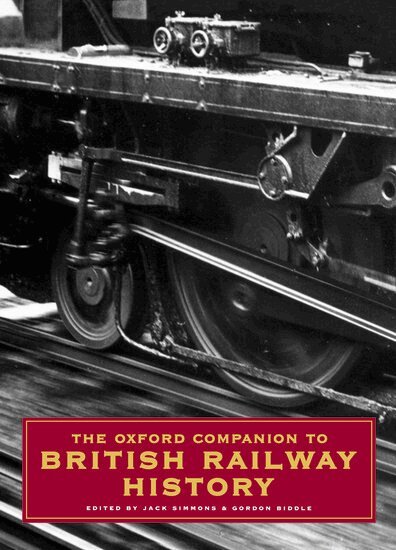
Of all the products of the Industrial Revolution, none left its mark on the landscape of Britain, or changed the lives of the British people, more than the railway. The encyclopedic Oxford Companion to British Railway History reveals, for the first time, the full story of this remarkable achievement: the inspired pioneers, the unprecedented feats of engineering, the romance, and the reality. From the primitive wagonways of the seventeenth century, through the eras of horse, steam, diesel, and electric traction, it explores the railway's unique place in our history, and the reasons for its extraordinary and enduring hold on our collective imagination. Unrivalled authorityOver 600 entries by 88 distinguished contributors chart the progress of rail travel from 1603 to the late twentieth century. Comprehensive coverageCovers not only the technical and historical development of the railway, but its social, economic, political, and artistic aspects. Illustrated throughoutMaps, diagrams, tables, and illustrations bring the text to life and demystify technical concepts. People, places, and politicsCovers the key figures who influenced the development of the railways, the towns that were changed forever, and the policies that brought about the network's rise and fall.
E-bok
Engelska, 2021123 kr
Läs direkt efter köp
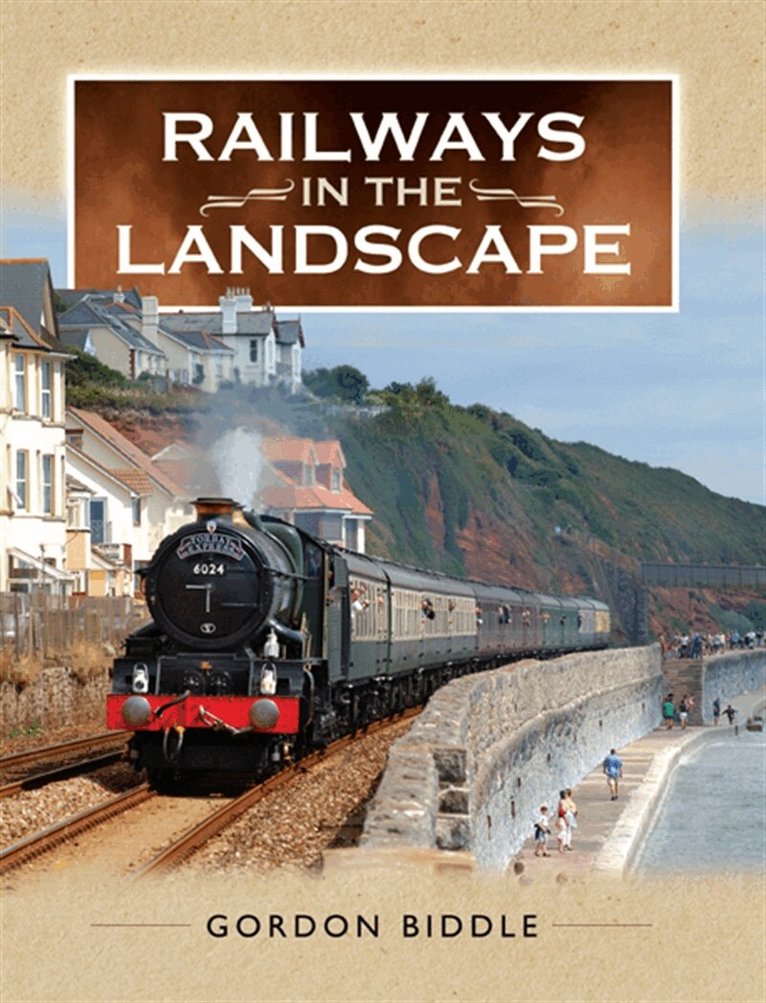
The growth of railways was a major influence in transforming Britain's landscape. This book examines how they brought about physical changes to towns, the country and coast, and had a profound affect that is still visible today, especially on the shape and size of our towns and cities.In his book, Gordon Biddle begins by examining how railway routes transformed the rural scene and there effect on the economy, followed by an appraisal of there accompanying buildings such as stations, houses, signal boxes and yards following the changes in nineteenth-century architectural taste. He goes on to look at the impact of railways build along or near the coast, and their strong influence on the growth of seaside resorts and ports. He then turns to townscape, describing in turn the physical effect on London, other large cities, smaller towns and suburban growth.Also included are chapters on places the railways themselves created, from new towns to villages around a station or junction; the still-visible remains of abandoned railway, not only those that followed mass closures of the 1960s, but many long-standing that date back to the nineteenth century; twentieth- and twenty-first century developments that have continued to impact on the rural and urban scene; and a comparison of contemporary illustrations of an early main line in 1838 with its appearance today.
Inbunden, Engelska, 2018
270 kr
Skickas
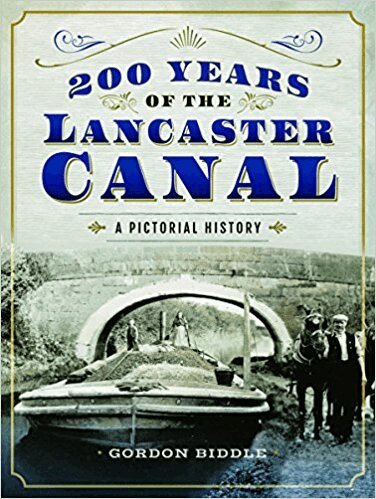
2019 marks the 200th anniversary of the completion of the Lancaster Canal from Wigan to Kendal. Designed by the celebrated engineer John Rennie, it is notable for a large number of aqueducts, including the magnificent Lune Aqueduct at Lancaster. A large aqueduct across the Ribble Valley at Preston was never built, leaving the canal in two sections connected by a temporary horse tramroad which became permanent. Consequently the 57 miles from Preston to Kendal remained isolated until 2006, when it was connected to the main network via the Ribble estuary. Before the railways were built the canal was unique in running a highly efficient passenger service and for several years actually took over a main line railway company. In 1947 the final 15 miles to Kendal were closed and partly drained. The author was an early member of the Lancaster Canal Trust in 1963, which is now at the forefront of a campaign to re-open the closed section. This book examines the history of the waterway, its powerful effect on the 18-19th century economy of north Lancashire and south Cumbria, the canal as it is today and the efforts being made to restore it to navigation throughout.