G.R. Gibson – författare
Visar alla böcker från författaren G.R. Gibson. Handla med fri frakt och snabb leverans.
3 produkter
3 produkter
Inbunden, Engelska, 1999
1 664 kr
Skickas inom 10-15 vardagar
1 2 MARCEL B. ROBERFROID AND GLENN R. GIBSON 1 Universite Catholique de Louvain, Department of Pharmaceutical Sciences, Avenue Mounier 73, B-1200 Brussels, BELGIUM 2 Food Microbial Sciences Unit, Department of Food Science and Technology, The University of Reading, Reading, UK It is clear that diet fulfils a number of important human requirements. These include the provision of sufficient nutrients to meet the requirements of essential metabolic pathways, as well as the sensory (and social) values associated with eating. It is also evident that diet may control and modulate various body functions in a manner that can reduce the risk of certain diseases. This very broad view of nutrition has led to the development of foodstuffs with added "functionality". Many different definitions of functional foods have arisen. Most of these complicate the simple issue that a functional food is merely a dietary ingredient(s) that can have positive properties above its normal nutritional value. Other terms used to describe such foods include vitafoods, nutraceuticals, pharmafoods, foods for specified health use, health foods, designer foods, etc. Despite some trepidation, the concept has recently attracted much interest through a vast number of articles in both the popular and scientific media.
Häftad, Engelska, 2010
1 668 kr
Skickas inom 10-15 vardagar
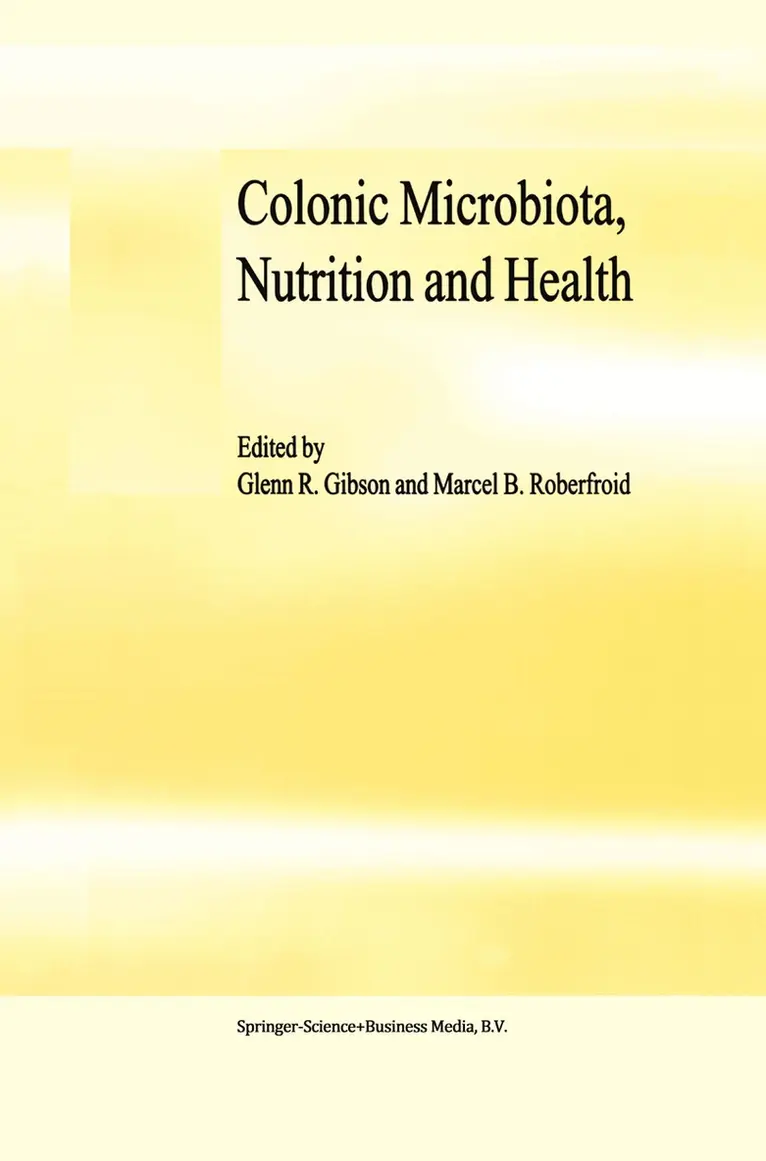
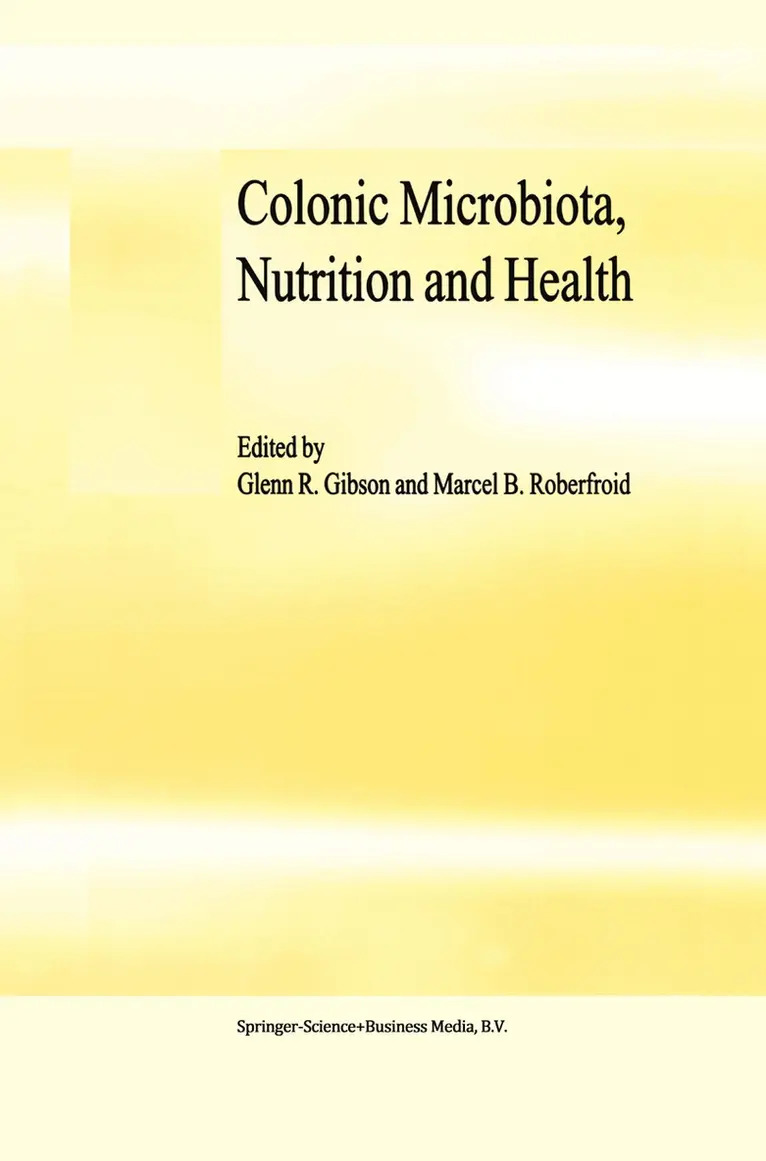
This book reviews the microbiology of the human gastrointestinal tract and how its composition and activities may affect host welfare. Drawing on the expertise of internationally recognised authors, a comprehensive account of gut microbiology is given. In particular, the nature of the microbiota, the fermentation process, gut flora modulation through diet (probiotics, prebiotics), molecular approaches for studying the bacteria, health outcomes associated with colonic microbial function and consumer aspects are all detailed. It is now believed that gut function, and colonic bacteria specifically, can play an important role in human nutrition and health. Whilst it has long been realised that the gastrointestinal microbiota can affect host well-being, the full extent of this interaction is only now emerging. This book gives a balanced review of current knowledge on how gut flora can be optimised for improved health and on some of the more important target outcomes. Its contents will therefore be of topical relevance to scientists and students involved in microbiology, gastroenterology, nutrition and the food industry.
E-bok
PDF, Engelska, 20132 036 kr
Läs direkt efter köp
1 2 MARCEL B. ROBERFROID AND GLENN R. GIBSON 1 Universite Catholique de Louvain, Department of Pharmaceutical Sciences, Avenue Mounier 73, B-1200 Brussels, BELGIUM 2 Food Microbial Sciences Unit, Department of Food Science and Technology, The University of Reading, Reading, UK It is clear that diet fulfils a number of important human requirements. These include the provision of sufficient nutrients to meet the requirements of essential metabolic pathways, as well as the sensory (and social) values associated with eating. It is also evident that diet may control and modulate various body functions in a manner that can reduce the risk of certain diseases. This very broad view of nutrition has led to the development of foodstuffs with added "functionality". Many different definitions of functional foods have arisen. Most of these complicate the simple issue that a functional food is merely a dietary ingredient(s) that can have positive properties above its normal nutritional value. Other terms used to describe such foods include vitafoods, nutraceuticals, pharmafoods, foods for specified health use, health foods, designer foods, etc. Despite some trepidation, the concept has recently attracted much interest through a vast number of articles in both the popular and scientific media.