Graham P. Chapman – författare
Visar alla böcker från författaren Graham P. Chapman. Handla med fri frakt och snabb leverans.
12 produkter
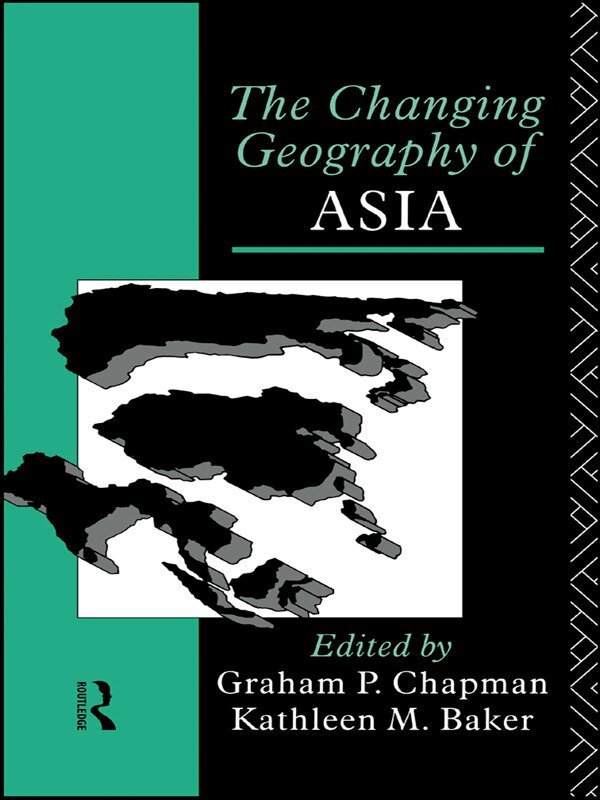
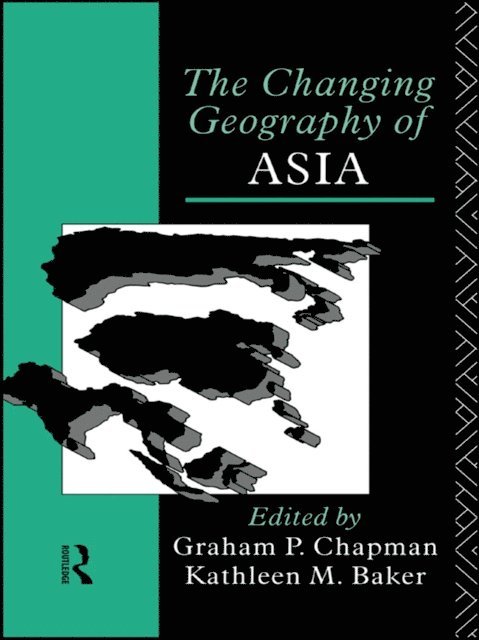
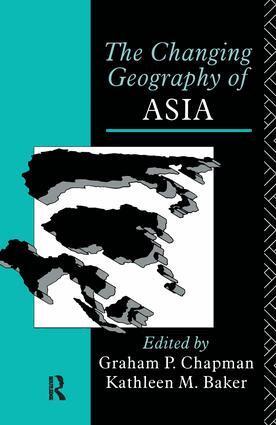
Changing Geography of Asia
Av Kathleen M. Baker, Graham P. Chapman
Häftad, 1992
851 kr
Lägg i varukorg
Ranging from the poverty and exploding population of Bangladesh to the dazzling technology and ageing population of Japan, from the two most populous states of India and China to the tiny states of Singapore and the Maldives and to the emptiness of Siberia, Asia contains the greatest diversity of …
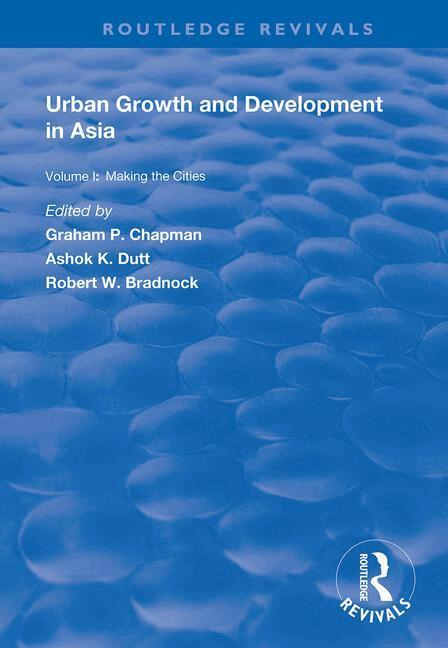
Urban Growth and Development in Asia
Volume I: Making the Cities
Av Ashok K. Dutt, Graham P. Chapman
E-bok, 2019
485 kr
Lägg i varukorg
First published in 1999, this volume begins with a panoramic survey by Nigel Harris of the drama of Asian Urbanization, based on the inaugural plenary lecture he gave to the 5th Asian Urbanization Conference held in London. In the following chapters many experts and practitioners from different …
Urban Growth and Development in Asia
Volume I: Making the Cities
Av Ashok K. Dutt, Graham P. Chapman
E-bok, 2019
485 kr
Lägg i varukorg
First published in 1999, this volume begins with a panoramic survey by Nigel Harris of the drama of Asian Urbanization, based on the inaugural plenary lecture he gave to the 5th Asian Urbanization Conference held in London. In the following chapters many experts and practitioners from different …
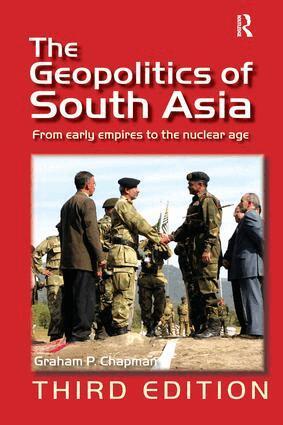
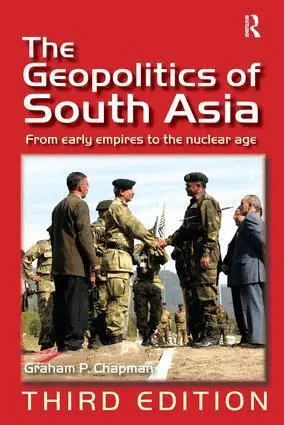
Geopolitics of South Asia
From Early Empires to the Nuclear Age
Inbunden, 2009
2588 kr
Lägg i varukorg
Anyone who is planning on carrying out research in South Asia or indeed anyone who simply wishes to understand more about this cultural heartland should read this book. It shows how geological movements moulded the land of this unique cradle and how they still impact on it. Discussions are woven …
Geopolitics of South Asia
From Early Empires to the Nuclear Age
Häftad, 2009
877 kr
Lägg i varukorg
Anyone who is planning on carrying out research in South Asia or indeed anyone who simply wishes to understand more about this cultural heartland should read this book. It shows how geological movements moulded the land of this unique cradle and how they still impact on it. Discussions are woven …
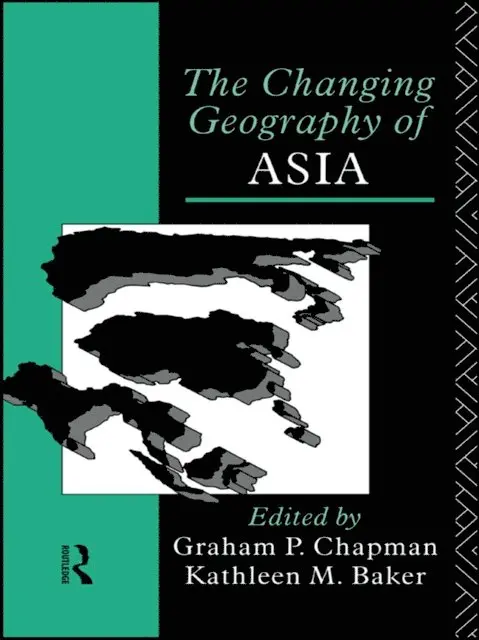
Changing Geography of Asia
Av Graham P. Chapman, Kathleen M. Baker
E-bok, 2002
1004 kr
Lägg i varukorg
Ranging from the poverty and exploding population of Bangladesh to the dazzling technology and ageing population of Japan, from the two most populous states of India and China to the tiny states of Singapore and the Maldives and to the emptiness of Siberia, Asia contains the greatest diversity of …
Changing Geography of Asia
Av Graham P. Chapman, Kathleen M. Baker
E-bok, 2002
983 kr
Lägg i varukorg
Ranging from the poverty and exploding population of Bangladesh to the dazzling technology and ageing population of Japan, from the two most populous states of India and China to the tiny states of Singapore and the Maldives and to the emptiness of Siberia, Asia contains the greatest diversity of …
Urban Growth and Development in Asia
Volume I: Making the Cities
Av Graham P. Chapman, Ashok K. Dutt
Inbunden, 2019
1520 kr
Lägg i varukorg
First published in 1999, this volume begins with a panoramic survey by Nigel Harris of the drama of Asian Urbanization, based on the inaugural plenary lecture he gave to the 5th Asian Urbanization Conference held in London. In the following chapters many experts and practitioners from different …
Urban Growth and Development in Asia
Volume I: Making the Cities
Av Graham P. Chapman, Ashok K. Dutt
Häftad, 2020
414 kr
Lägg i varukorg
First published in 1999, this volume begins with a panoramic survey by Nigel Harris of the drama of Asian Urbanization, based on the inaugural plenary lecture he gave to the 5th Asian Urbanization Conference held in London. In the following chapters many experts and practitioners from different …
Changing Geography of Asia
Av Kathleen M. Baker, Graham P. Chapman
Inbunden, 2017
3019 kr
Lägg i varukorg
Ranging from the poverty and exploding population of Bangladesh to the dazzling technology and ageing population of Japan, from the two most populous states of India and China to the tiny states of Singapore and the Maldives and to the emptiness of Siberia, Asia contains the greatest diversity of …
Geopolitics of South Asia
From Early Empires to the Nuclear Age
E-bok, 2016
1004 kr
Lägg i varukorg
Anyone who is planning on carrying out research in South Asia or indeed anyone who simply wishes to understand more about this cultural heartland should read this book. It shows how geological movements moulded the land of this unique cradle and how they still impact on it. Discussions are woven …
Geopolitics of South Asia
From Early Empires to the Nuclear Age
E-bok, 2016
1004 kr
Lägg i varukorg
Anyone who is planning on carrying out research in South Asia or indeed anyone who simply wishes to understand more about this cultural heartland should read this book. It shows how geological movements moulded the land of this unique cradle and how they still impact on it. Discussions are woven …