
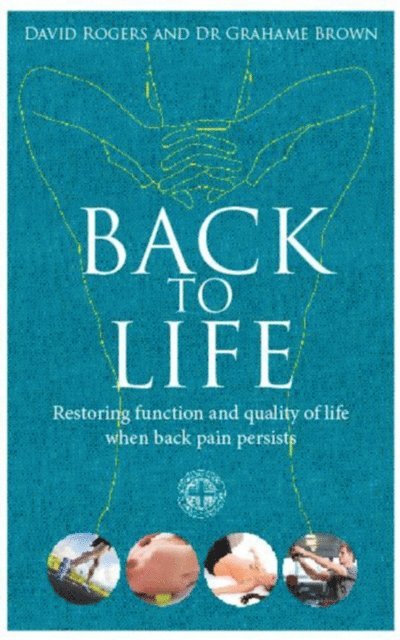
Back pain is very hard (often impossible) to diagnose and to specify, hence heavy painkillers are thrown at people. But the only way to beat the pain is to understand it. Based on cutting-edge research into back pain and the psychology of pain itself, David Rogers and Grahame Brown have set up the Functional Restoration Service at the Royal Orthopaedic Hospital in Birmingham – the UK’s leading centre for back pain. Here they have developed the pioneering BIOPSYCHOSOCIAL approach: BIO – How your body processes pain; what physical triggers you have and why; where your body holds painPSYCHO – where your pain is coming from; what exactly your pain is; the power of your mind to deal with and stop painSOCIAL – all the environmental factors that will contribute to your back pain, and how, why and when to change themBased on this revolutionary and already hugely successful approach, Back to Life offers a whole new way of dealing with back pain: - Understand the psychology of pain- Debunk the myths- Find the source of your pain- Manage your pain – including all the emotions and anxiety that go with it- Master exercises and stretches- Identify and solve the social factors- Get lasting relief
A huge proportion of people suffer from severe, miserable, persistent or recurrent pain and many of them have been told that no physical cause for their pain can be found (the implication being that they must be imagining it). This book turns our current understanding of pain experience on its head. It also acknowledges that pain that doesn't have a clear physical cause is still physically very real indeed and shows that all pain is both psychological and physical. Using understandings from the human givens approach (which maintains that, to be at our healthiest and happiest, we need important emotional needs to be met and to be using our innate resources properly when endeavouring to meet them), the author shows how lives full of pain - of known cause or not - can be transformed into productive, fulfilled ones. Down-to-earth, sympathetic and readable, How to liberate yourself from pain provides techniques for learning how to: relax, identify and overcome obstacles to getting better, 'diagnose' why pain is persisting, stop black-and-white thinking and catastrophising, take an empowering perspective and use the imagination positively to diminish pain.Plenty of encouraging case histories show how others have successfully overcome all kinds of severe and enduring pain, even of many years' duration. This book explodes common myths about pain and give sufferers hope for a better future, no matter how severe their pain, through simple, successful, practical techniques for taking back control of their lives. This title discusses the following topics: all pain can be diminished; the language we use when we think about or describe pain affects its severity (the author always avoids the word 'chronic' because people tend to think it means 'serious' and 'incurable'); fear is the biggest factor in persistent pain; even doctors misunderstand pain and sometimes unintentionally frighten their patients; arthritis or degenerative spinal changes do not have to cause pain; why injured parts of the body may continue to hurt, even after they have healed; people too often avoid healing exercise because it hurts - but hurting is not the same as doing harm; why stress, anger, depression and anxiety all exacerbate pain; and, how to use the mind and body to manage physical pain.
Back pain is very hard (often impossible) to diagnose and to specify, hence heavy painkillers are thrown at people. But the only way to beat the pain is to understand it. Based on cutting-edge research into back pain and the psychology of pain itself, David Rogers and Grahame Brown have set up the Functional Restoration Service at the Royal Orthopaedic Hospital in Birmingham – the UK’s leading centre for back pain. Here they have developed the pioneering BIOPSYCHOSOCIAL approach: BIO – How your body processes pain; what physical triggers you have and why; where your body holds painPSYCHO – where your pain is coming from; what exactly your pain is; the power of your mind to deal with and stop painSOCIAL – all the environmental factors that will contribute to your back pain, and how, why and when to change themBased on this revolutionary and already hugely successful approach, Back to Life offers a whole new way of dealing with back pain: - Understand the psychology of pain- Debunk the myths- Find the source of your pain- Manage your pain – including all the emotions and anxiety that go with it- Master exercises and stretches- Identify and solve the social factors- Get lasting relief
A huge proportion of people suffer from severe, miserable, persistent or recurrent pain and many of them have been told that no physical cause for their pain can be found (the implication being that they must be imagining it). This book turns our current understanding of pain experience on its head. It also acknowledges that pain that doesn't have a clear physical cause is still physically very real indeed and shows that all pain is both psychological and physical. Using understandings from the human givens approach (which maintains that, to be at our healthiest and happiest, we need important emotional needs to be met and to be using our innate resources properly when endeavouring to meet them), the author shows how lives full of pain - of known cause or not - can be transformed into productive, fulfilled ones. Down-to-earth, sympathetic and readable, How to liberate yourself from pain provides techniques for learning how to: relax, identify and overcome obstacles to getting better, 'diagnose' why pain is persisting, stop black-and-white thinking and catastrophising, take an empowering perspective and use the imagination positively to diminish pain.Plenty of encouraging case histories show how others have successfully overcome all kinds of severe and enduring pain, even of many years' duration. This book explodes common myths about pain and give sufferers hope for a better future, no matter how severe their pain, through simple, successful, practical techniques for taking back control of their lives. This title discusses the following topics: all pain can be diminished; the language we use when we think about or describe pain affects its severity (the author always avoids the word 'chronic' because people tend to think it means 'serious' and 'incurable'); fear is the biggest factor in persistent pain; even doctors misunderstand pain and sometimes unintentionally frighten their patients; arthritis or degenerative spinal changes do not have to cause pain; why injured parts of the body may continue to hurt, even after they have healed; people too often avoid healing exercise because it hurts - but hurting is not the same as doing harm; why stress, anger, depression and anxiety all exacerbate pain; and, how to use the mind and body to manage physical pain.