Grant Olwage – författare
Visar alla böcker från författaren Grant Olwage. Handla med fri frakt och snabb leverans.
7 produkter
7 produkter
Inbunden, Engelska, 2024
1 259 kr
Skickas inom 7-10 vardagar
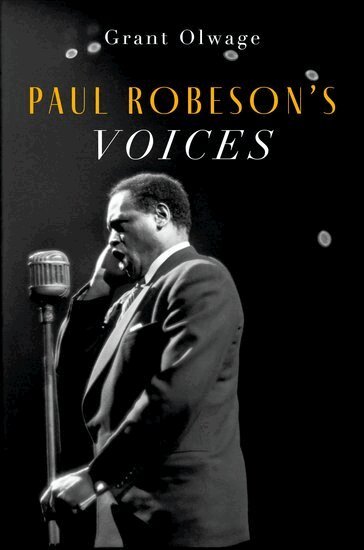
Paul Robeson's Voices is a meditation on Robeson's singing, a study of the artist's life in song. Music historian Grant Olwage examines Robeson's voice as it exists in two broad and intersecting domains: as sound object and sounding gesture, specifically how it was fashioned in the contexts of singing practices, in recital, concert, and recorded performance, and as subject of identification. Olwage asks: how does the voice encapsulate modes of subjectivity, of being?Combining deep archival research with musicological theory, this book is a study of voice as central to Robeson's sense of self and his politics. Paul Robeson's Voices charts the dialectal process of Robeson's vocal and self-discovery, documenting some of the ways Robeson's practice revised the traditions of concert singing in the first half of the twentieth century and how his voice manifested as resistance.
Häftad, Engelska, 2024
392 kr
Skickas inom 5-8 vardagar
Paul Robeson's Voices is a meditation on Robeson's singing, a study of the artist's life in song. Music historian Grant Olwage examines Robeson's voice as it exists in two broad and intersecting domains: as sound object and sounding gesture, specifically how it was fashioned in the contexts of singing practices, in recital, concert, and recorded performance, and as subject of identification. Olwage asks: how does the voice encapsulate modes of subjectivity, of being?Combining deep archival research with musicological theory, this book is a study of voice as central to Robeson's sense of self and his politics. Paul Robeson's Voices charts the dialectal process of Robeson's vocal and self-discovery, documenting some of the ways Robeson's practice revised the traditions of concert singing in the first half of the twentieth century and how his voice manifested as resistance.
E-bok
PDF, Engelska, 2023299 kr
Läs direkt efter köp
Paul Robeson''s Voices is a meditation on Robeson''s singing, a study of the artist''s life in song. Music historian Grant Olwage examines Robeson''s voice as it exists in two broad and intersecting domains: as sound object and sounding gesture, specifically how it was fashioned in the contexts of singing practices, in recital, concert, and recorded performance, and as subject of identification. Olwage asks: how does the voice encapsulate modes of subjectivity, of being?Combining deep archival research with musicological theory, this book is a study of voice as central to Robeson''s sense of self and his politics. Paul Robeson''s Voices charts the dialectal process of Robeson''s vocal and self-discovery, documenting some of the ways Robeson''s practice revised the traditions of concert singing in the first half of the twentieth century and how his voice manifested as resistance.
E-bok
Engelska, 2023299 kr
Läs direkt efter köp
Paul Robeson''s Voices is a meditation on Robeson''s singing, a study of the artist''s life in song. Music historian Grant Olwage examines Robeson''s voice as it exists in two broad and intersecting domains: as sound object and sounding gesture, specifically how it was fashioned in the contexts of singing practices, in recital, concert, and recorded performance, and as subject of identification. Olwage asks: how does the voice encapsulate modes of subjectivity, of being?Combining deep archival research with musicological theory, this book is a study of voice as central to Robeson''s sense of self and his politics. Paul Robeson''s Voices charts the dialectal process of Robeson''s vocal and self-discovery, documenting some of the ways Robeson''s practice revised the traditions of concert singing in the first half of the twentieth century and how his voice manifested as resistance.
Häftad, Engelska, 2008
380 kr
Skickas inom 5-8 vardagar
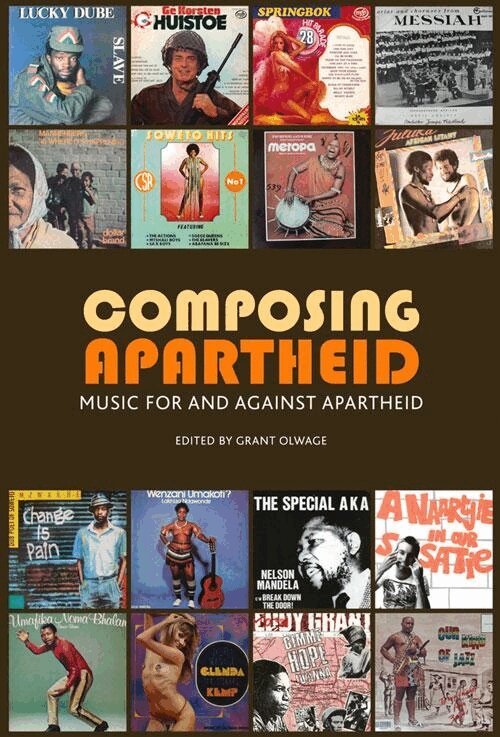
Composing Apartheid is the first book ever to chart the musical world of a notorious period in world history, apartheid South Africa. It explores how music was produced through, and was productive of, key features of apartheid's social and political topography, as well as how music and musicians contested and even helped to conquer apartheid. The collection of essays is intentionally broad, and the contributors include historians, sociologists and anthropologists, as well as ethnomusicologists, music theorists and historical musicologists. The essays focus on a variety of music (jazz, music in the Western art tradition, popular music) and on major composers (such as Kevin Volans) and works (Handel's Messiah). Musical institutions and previously little-researched performers (such as the African National Congress's troupe-in-exile, Amandla) are explored. The writers move well beyond their subject matter, intervening in debates on race, historiography, and postcolonial epistemologies and pedagogies.
E-bok
PDF, Engelska, 2008384 kr
Läs direkt efter köp
Composing Apartheid is the first book ever to chart the musical world of a notorious period in world history, apartheid South Africa. It explores how music was produced through, and was productive of, key features of apartheid’s social and political topography, as well as how music and musicians contested and even helped to conquer apartheid. The collection of essays is intentionally broad, and the contributors include historians, sociologists and anthropologists, as well as ethnomusicologists, music theorists and historical musicologists. The essays focus on a variety of music (jazz, music in the Western art tradition, popular music) and on major composers (such as Kevin Volans) and works (Handel’s Messiah). Musical institutions and previously little-researched performers (such as the African National Congress’s troupe-in-exile, Amandla) are explored. The writers move well beyond their subject matter, intervening in debates on race, historiography, and postcolonial epistemologies and pedagogies.
E-bok
Engelska, 2008384 kr
Läs direkt efter köp
Composing Apartheid is the first book ever to chart the musical world of a notorious period in world history, apartheid South Africa. It explores how music was produced through, and was productive of, key features of apartheid’s social and political topography, as well as how music and musicians contested and even helped to conquer apartheid. The collection of essays is intentionally broad, and the contributors include historians, sociologists and anthropologists, as well as ethnomusicologists, music theorists and historical musicologists. The essays focus on a variety of music (jazz, music in the Western art tradition, popular music) and on major composers (such as Kevin Volans) and works (Handel’s Messiah). Musical institutions and previously little-researched performers (such as the African National Congress’s troupe-in-exile, Amandla) are explored. The writers move well beyond their subject matter, intervening in debates on race, historiography, and postcolonial epistemologies and pedagogies.