Greg Austin – författare
2 151 kr
Skickas inom 10-15 vardagar
558 kr
Skickas inom 10-15 vardagar
2 090 kr
Skickas inom 10-15 vardagar
668 kr
Skickas inom 5-8 vardagar
222 kr
Skickas inom 5-8 vardagar
245 kr
Läs direkt efter köp
730 kr
Läs direkt efter köp
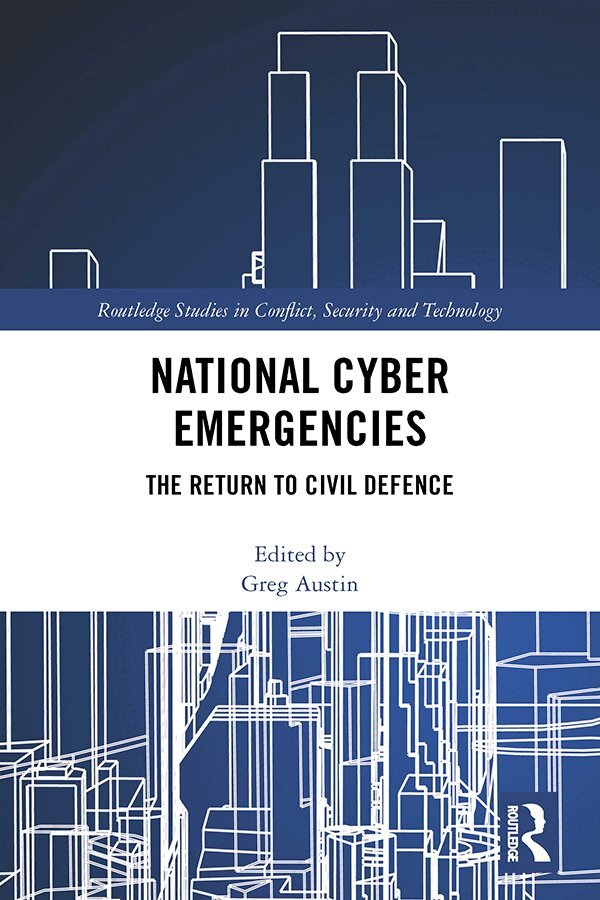
This book documents and explains civil defence preparations for national cyber emergencies in conditions of both peace and war.
The volume analyses the escalating sense of crisis around state-sponsored cyber attacks that has emerged since 2015, when the United States first declared a national emergency in cyberspace. It documents a shift in thinking in the USA, from cooperative resilience-oriented approaches at national level to more highly regulated, state-led civil defence initiatives. Although the American response has been mirrored in other countries, the shift is far from universal. Civil defence strategies have come into play but the global experience of that has not been consistent or even that successful. Containing contributions from well-placed scholars and practitioners, this volume reviews a selection of national experiences (from the USA, Australia, India, China, Estonia, and Finland) and a number of key thematic issues (information weapons, alliance coordination, and attack simulations). These demonstrate a disconnect between the deepening sense of vulnerability and the availability of viable solutions at the national level. Awareness of this gap may ultimately lead to more internationally oriented cooperation, but the trend for now appears to be more conflictual and rooted in a growing sense of insecurity.
This book will be of much interest to students of cyber security, homeland security, disaster management, and international relations, as well as practitioners and policy-makers.
730 kr
Läs direkt efter köp
This book documents and explains civil defence preparations for national cyber emergencies in conditions of both peace and war.
The volume analyses the escalating sense of crisis around state-sponsored cyber attacks that has emerged since 2015, when the United States first declared a national emergency in cyberspace. It documents a shift in thinking in the USA, from cooperative resilience-oriented approaches at national level to more highly regulated, state-led civil defence initiatives. Although the American response has been mirrored in other countries, the shift is far from universal. Civil defence strategies have come into play but the global experience of that has not been consistent or even that successful. Containing contributions from well-placed scholars and practitioners, this volume reviews a selection of national experiences (from the USA, Australia, India, China, Estonia, and Finland) and a number of key thematic issues (information weapons, alliance coordination, and attack simulations). These demonstrate a disconnect between the deepening sense of vulnerability and the availability of viable solutions at the national level. Awareness of this gap may ultimately lead to more internationally oriented cooperation, but the trend for now appears to be more conflictual and rooted in a growing sense of insecurity.
This book will be of much interest to students of cyber security, homeland security, disaster management, and international relations, as well as practitioners and policy-makers.
665 kr
Läs direkt efter köp
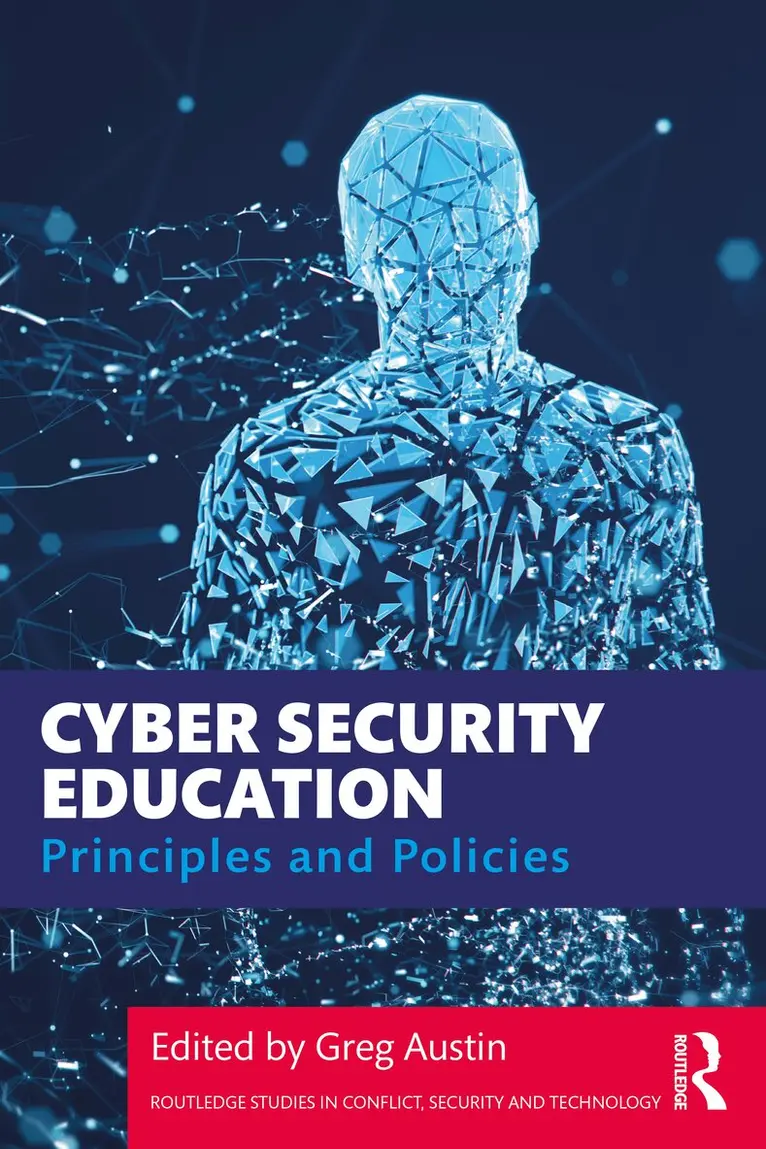
This book investigates the goals and policy aspects of cyber security education in the light of escalating technical, social and geopolitical challenges.
The past ten years have seen a tectonic shift in the significance of cyber security education. Once the preserve of small groups of dedicated educators and industry professionals, the subject is now on the frontlines of geopolitical confrontation and business strategy. Global shortages of talent have created pressures on corporate and national policy for workforce development. Cyber Security Education offers an updated approach to the subject as we enter the next decade of technological disruption and political threats. The contributors include scholars and education practitioners from leading research and education centres in Europe, North America and Australia. This book provides essential reference points for education policy on the new social terrain of security in cyberspace and aims to reposition global debates on what education for security in cyberspace can and should mean.
This book will be of interest to students of cyber security, cyber education, international security and public policy generally, as well as practitioners and policy-makers.
665 kr
Läs direkt efter köp
This book investigates the goals and policy aspects of cyber security education in the light of escalating technical, social and geopolitical challenges.
The past ten years have seen a tectonic shift in the significance of cyber security education. Once the preserve of small groups of dedicated educators and industry professionals, the subject is now on the frontlines of geopolitical confrontation and business strategy. Global shortages of talent have created pressures on corporate and national policy for workforce development. Cyber Security Education offers an updated approach to the subject as we enter the next decade of technological disruption and political threats. The contributors include scholars and education practitioners from leading research and education centres in Europe, North America and Australia. This book provides essential reference points for education policy on the new social terrain of security in cyberspace and aims to reposition global debates on what education for security in cyberspace can and should mean.
This book will be of interest to students of cyber security, cyber education, international security and public policy generally, as well as practitioners and policy-makers.
625 kr
Skickas inom 10-15 vardagar
310 kr
Skickas inom 5-8 vardagar
748 kr
Skickas inom 10-15 vardagar
913 kr
Läs direkt efter köp