Greg Elmer – författare
Visar alla böcker från författaren Greg Elmer. Handla med fri frakt och snabb leverans.
15 produkter
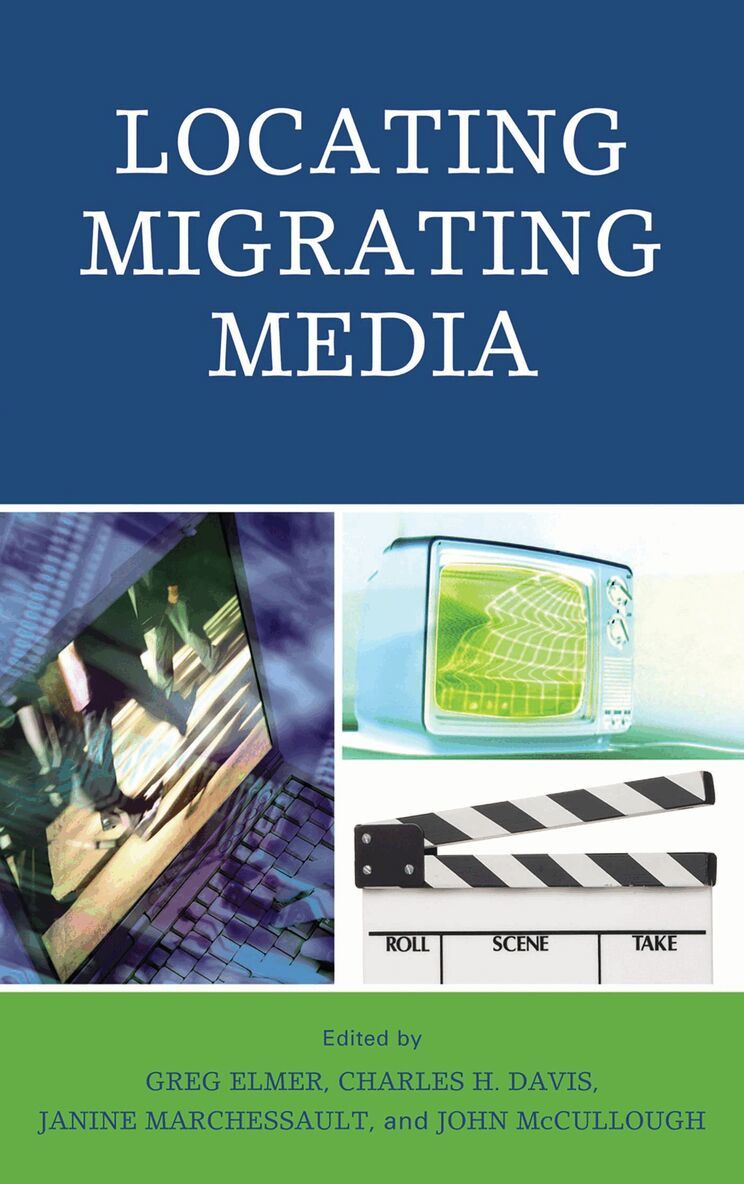
Locating Migrating Media
Av Greg Elmer, Charles H. Davis m. fl.
Inbunden, 2010
1345 kr
Lägg i varukorg
Locating Migrating Media details the extent to which media productions, both televisual and cinematic, have sought out new and cheaper shot locations, creative staff, and financing around the world. The book contributes to debates about media globalization, focusing on the local impact of new sites …
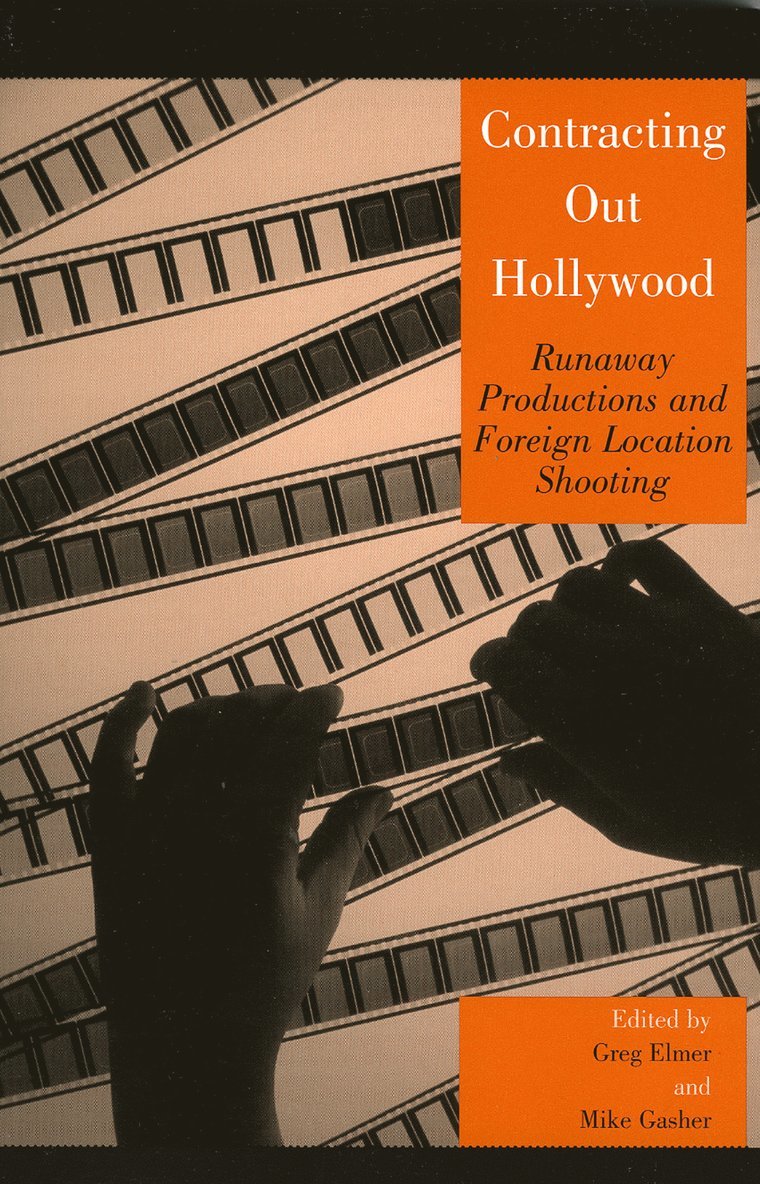
Contracting Out Hollywood
Runaway Productions and Foreign Location Shooting
Häftad, 2005
711 kr
Lägg i varukorg
In Hollywood's search for cheap, distinctive, and authentic locations, producers and directors are taking their business to foreign soil. Only one of the five 2002 Best Picture nominees was shot in the United States_The Hours, filmed in Hollywood, Florida. Contracting Out Hollywood addresses the …
Contracting Out Hollywood
Runaway Productions and Foreign Location Shooting
E-bok, 2005
779 kr
Lägg i varukorg
In Hollywood''s search for cheap, distinctive, and authentic locations, producers and directors are taking their business to foreign soil. Only one of the five 2002 Best Picture nominees was shot in the United States_The Hours, filmed in Hollywood, Florida. Contracting Out Hollywood addresses the …
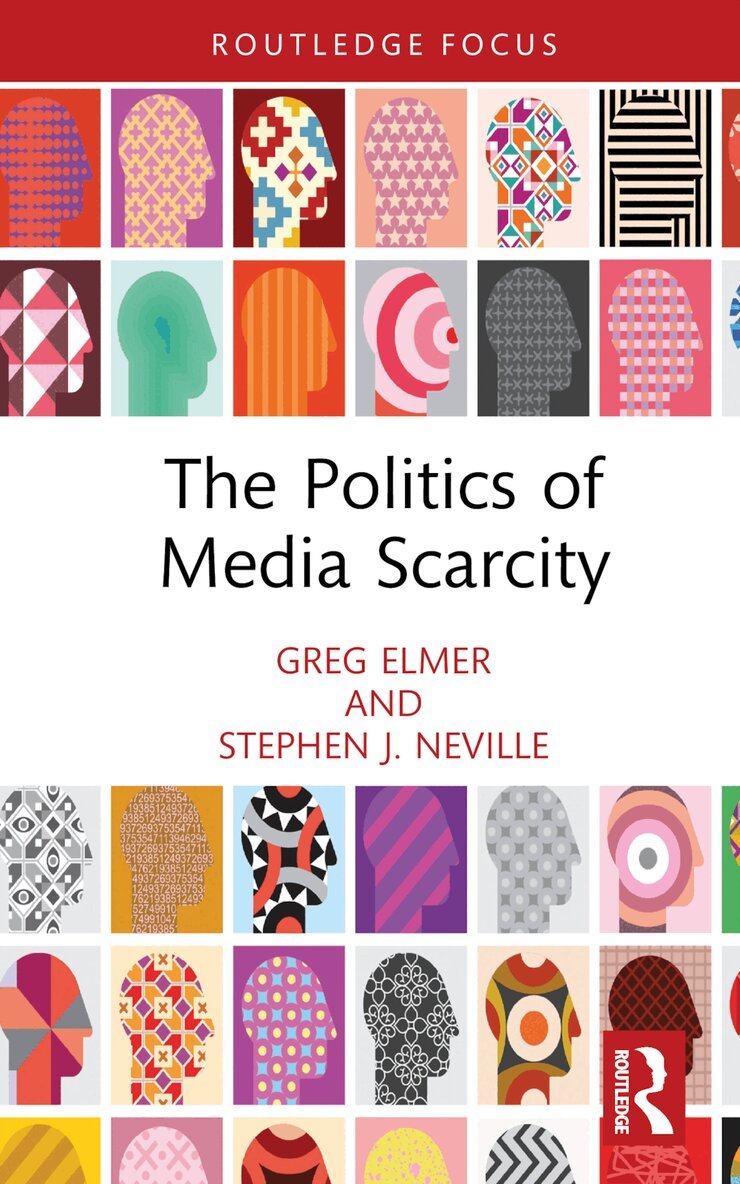
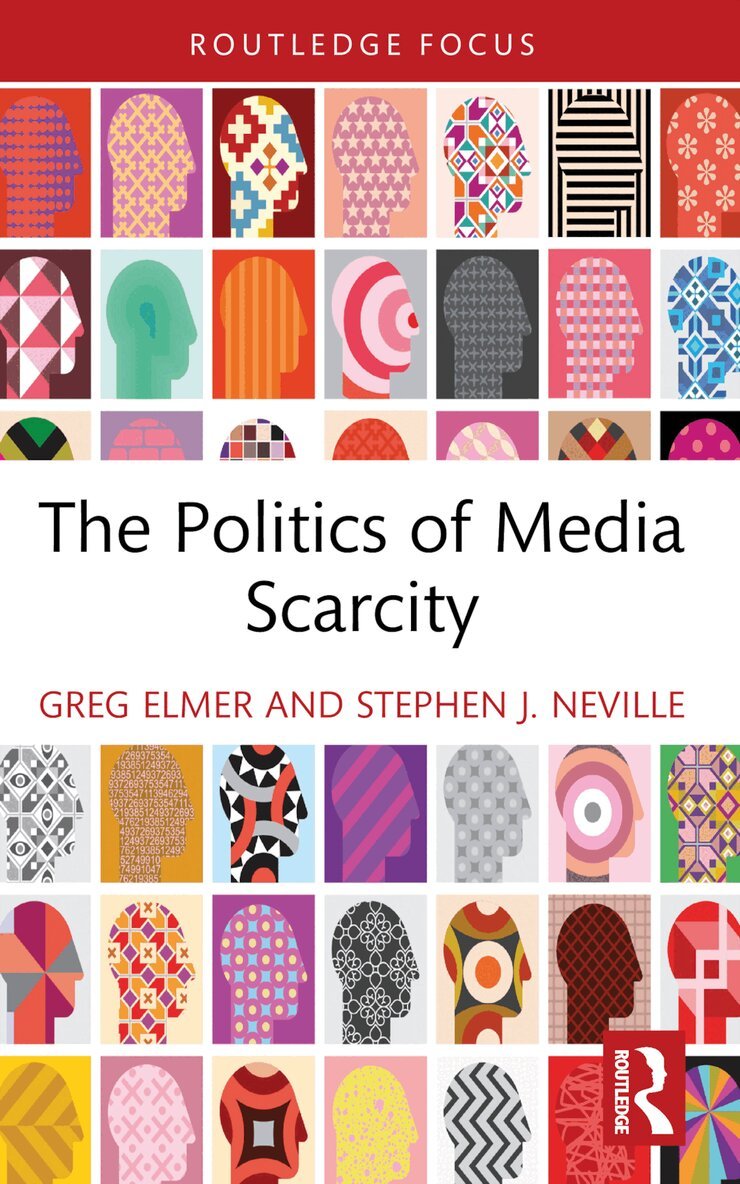
Politics of Media Scarcity
Av Greg Elmer, Stephen J. Neville
Inbunden, 2024
994 kr
Lägg i varukorg
This book questions the predominance of “media abundance” as a guiding concept for contemporary mediated politics. The authors argue that media abundance is not a universal condition, and that certain individuals, communities, and even nations can more accurately be referred to as media scarce – …
Politics of Media Scarcity
Av Greg Elmer, Stephen J. Neville
Häftad, 2025
297 kr
Lägg i varukorg
This book questions the predominance of “media abundance” as a guiding concept for contemporary mediated politics. The authors argue that media abundance is not a universal condition, and that certain individuals, communities, and even nations can more accurately be referred to as media scarce – …
Politics of Media Scarcity
Av Stephen J. Neville, Greg Elmer
E-bok, 2024
339 kr
Lägg i varukorg
This book questions the predominance of “media abundance†as a guiding concept for contemporary mediated politics. The authors argue that media abundance is not a universal condition, and that certain individuals, communities, and even nations can more accurately be referred to as media scarce …
Politics of Media Scarcity
Av Stephen J. Neville, Greg Elmer
E-bok, 2024
339 kr
Lägg i varukorg
This book questions the predominance of “media abundance†as a guiding concept for contemporary mediated politics. The authors argue that media abundance is not a universal condition, and that certain individuals, communities, and even nations can more accurately be referred to as media scarce …
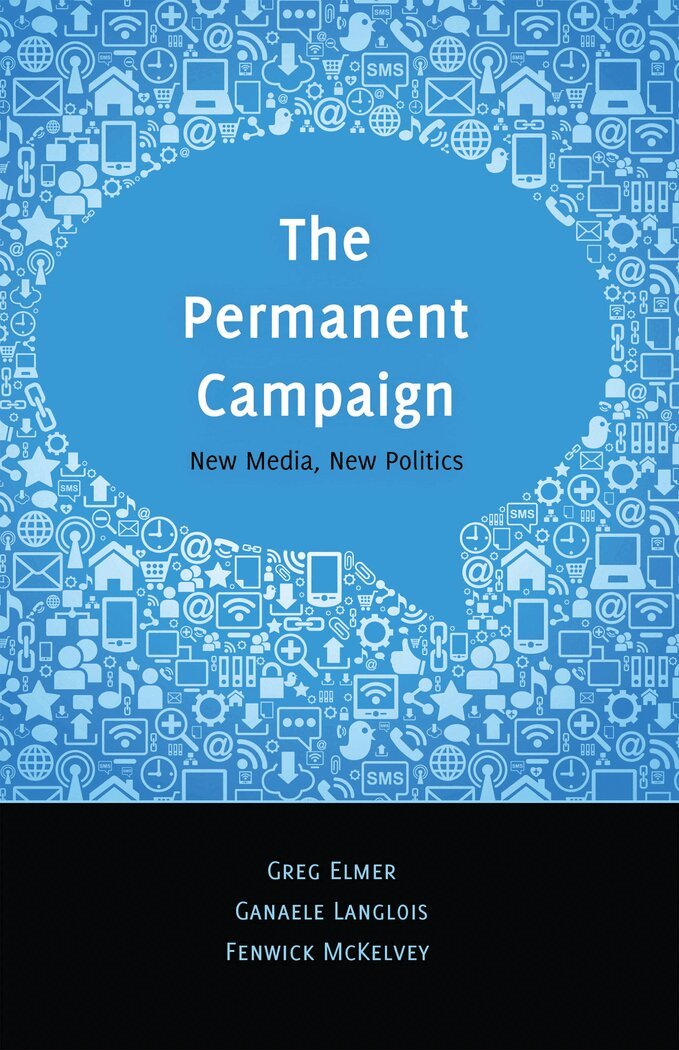
Permanent Campaign
New Media, New Politics
Av Greg Elmer, Ganaele Langlois m. fl.
Häftad, 2012
466 kr
Lägg i varukorg
From the social media-based 2008 Obama election campaign to the civic protest and political revolutions of the 2011 Arab Spring, the past few years have been marked by a widespread and complex shift in the political landscape, as the rise of participatory platforms – such as YouTube, Twitter, …
Compromised Data
From Social Media to Big Data
Av Greg Elmer, Greg Elmer m. fl.
Inbunden, 2015
2120 kr
Lägg i varukorg
There has been a data rush in the past decade brought about by online communication and, in particular, social media (Facebook, Twitter, Youtube, among others), which promises a new age of digital enlightenment. But social data is compromised: it is being seized by specific economic interests, it …
Compromised Data
From Social Media to Big Data
Av Greg Elmer, Ganaele Langlois m. fl.
Häftad, 2015
429 kr
Lägg i varukorg
There has been a data rush in the past decade brought about by online communication and, in particular, social media (Facebook, Twitter, Youtube, among others), which promises a new age of digital enlightenment. But social data is compromised: it is being seized by specific economic interests, it …
Compromised Data
From Social Media to Big Data
Av Greg Elmer, Ganaele Langlois m. fl.
E-bok, 2015
458 kr
Lägg i varukorg
There has been a data rush in the past decade brought about by online communication and, in particular, social media (Facebook, Twitter, Youtube, among others), which promises a new age of digital enlightenment. But social data is compromised: it is being seized by specific economic interests, it …
Compromised Data
From Social Media to Big Data
Av Greg Elmer, Ganaele Langlois m. fl.
E-bok, 2015
458 kr
Lägg i varukorg
There has been a data rush in the past decade brought about by online communication and, in particular, social media (Facebook, Twitter, Youtube, among others), which promises a new age of digital enlightenment. But social data is compromised: it is being seized by specific economic interests, it …
Infrastructure Critical: Sacrifice at Toronto's G8/G20 Summit
Av Alessandra Renzi, Greg Elmer
Häftad, 2012
191 kr
Lägg i varukorg
Profiling Machines
Mapping the Personal Information Economy
Av Greg Elmer
Inbunden, 2003
70 kr
Tillfälligt slut
Permanent Campaign
New Media, New Politics
Av Greg Elmer, Ganaele Langlois m. fl.
Inbunden, 2012
1245 kr
Tillfälligt slut
From the social media-based 2008 Obama election campaign to the civic protest and political revolutions of the 2011 Arab Spring, the past few years have been marked by a widespread and complex shift in the political landscape, as the rise of participatory platforms – such as YouTube, Twitter, …