Gregor Rohmann – författare
Visar alla böcker från författaren Gregor Rohmann. Handla med fri frakt och snabb leverans.
4 produkter
Mecklenburg Und Pommern in Bewegung
Mobilität Im Wandel Der Jahrhunderte
Av Martin Buchsteiner, Cornelia Linde m. fl.
Inbunden, 2026
723 kr
Kommande
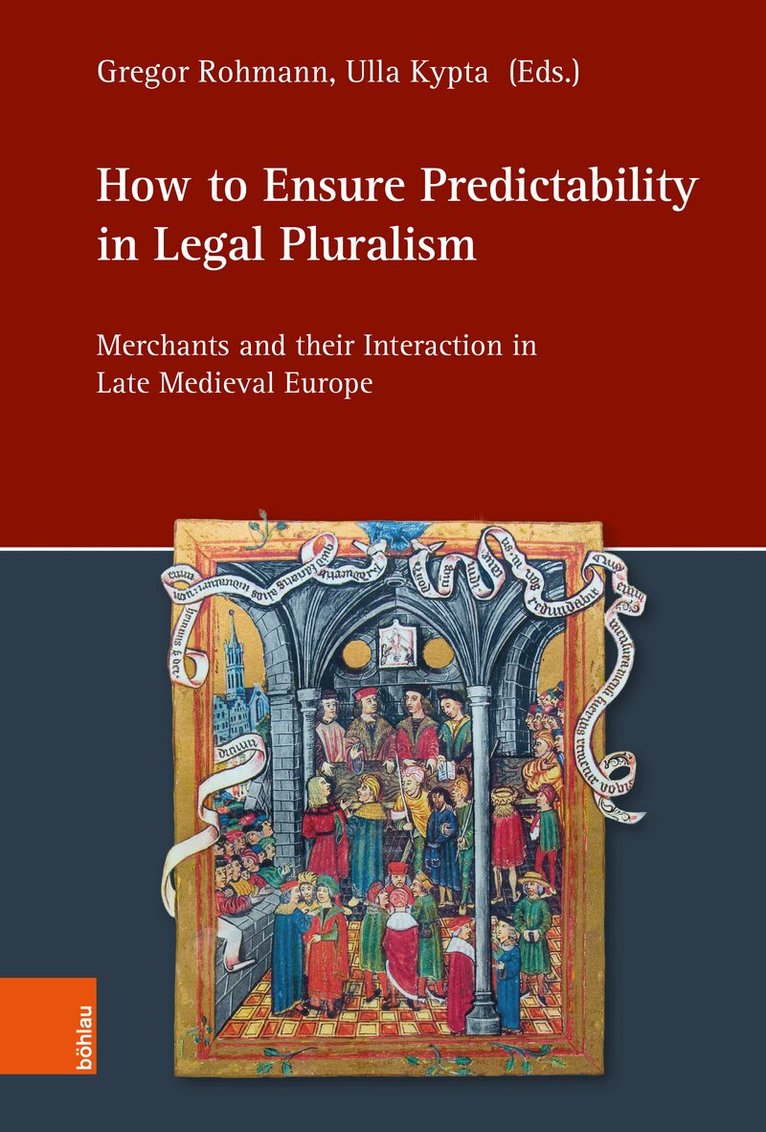
How to Ensure Predictability in Legal Pluralism
Merchants and their Interaction in Late Medieval Europe
Inbunden, 2025
766 kr
Lägg i varukorg
How did pre-modern merchants provide for predictability in situations of legal pluralism? What kind of practices did merchants use to make other parties act according to their expectations? In spheres of legal pluralism, different normative framings always overlapped and had to be negotiated in …
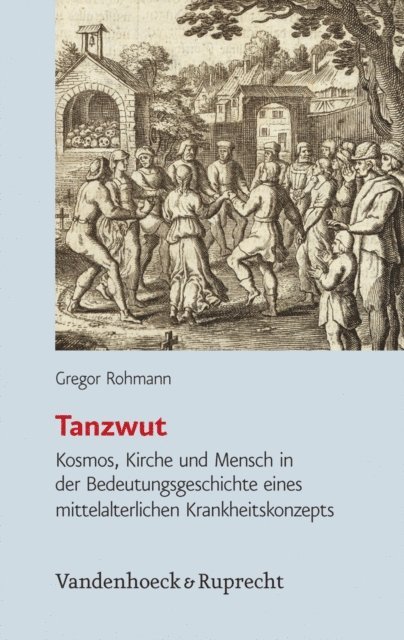
Tanzwut
Kosmos, Kirche und Mensch in der Bedeutungsgeschichte eines mittelalterlichen Krankheitskonzepts
E-bok, 2012
1732 kr
Lägg i varukorg
Vom 14. bis zum 17. Jahrhundert war im Einzugsgebiet von Rhein, Mosel und Maas eine Krankheit namens »Veitstanz« bzw. »Johannistanz« bekannt. Heute wird sie vielfach auch als »Tanzwut« bezeichnet. Diese Krankheit manifestierte sich zunächst in wiederkehrenden Massenaufläufen von Tänzerinnen und …
Merchants, Pirates, and Smugglers
Criminalization, Economics, and the Transformation of the Maritime World
Av Thomas Heeb¿ll-Holm, Philipp Hohn m. fl.
Häftad, 2020
509 kr
Tillfälligt slut
Maritime history tends to draw stark lines between legal and illegal trading practices, with the naval and commercial vessels of sovereign states on one side and rogue pirates and smugglers on the other. This book reveals how, in the centuries before the emergence of the nation-state, maritime …