Gregory D. Wilson – författare
Visar alla böcker från författaren . Handla med fri frakt och snabb leverans.
7 produkter
7 produkter
Häftad, Engelska, 2008
333 kr
Skickas inom 5-8 vardagar
This title defines household composition and social relationships at Moundville. Complex Mississippian polities were neither developed nor sustained in a vacuum. A broad range of small-scale social groups played a variety of roles in the emergence of regionally organized political hierarchies that governed large-scale ceremonial centers. Recent research has revealed the extent to which interactions among corporately organized clans led to the development, success, and collapse of Moundville. These insights into Moundville's social complexity are based primarily on the study of monumental architecture and mortuary ceremonialism. Less is known about how everyday domestic practices produced and were produced by broader networks of power and inequality in the region.Wilson's research addresses this gap in our understanding by analyzing and interpreting large-scale architectural and ceramic data sets from domestic contexts. This study has revealed that the early Mississippian Moundville community consisted of numerous spatially discrete multi-household groups, similar to ethnohistorically described kin groups from the southeastern United States. Hosting feasts, funerals, and other ceremonial events were important strategies by which elite groups created social debts and legitimized their positions of authority. Non-elite groups, on the other hand, maintained considerable economic and ritual autonomy through diversified production activities, risk sharing, and household ceremonialism. Organizational changes in Moundville's residential occupation highlight the different ways kin groups defined and redefined their corporate status and identities over the long term.
E-bok
Engelska, 2009568 kr
Läs direkt efter köp
A fascinating examination of family life and social relationships at this powerful prehistoric community, which at its peak was the largest city north of Mexico Complex Mississippian polities were neither developed nor sustained in a vacuum. A broad range of small-scale social groups played a variety of roles in the emergence of regionally organized political hierarchies that governed large-scale ceremonial centers. Recent research has revealed the extent to which interactions among corporately organized clans led to the development, success, and collapse of Moundville. These insights into Moundville’s social complexity are based primarily on the study of monumental architecture and mortuary ceremonialism. Less is known about how everyday domestic practices produced and were produced by broader networks of power and inequality in the region. Wilson’s research addresses this gap in our understanding by analyzing and interpreting large-scale architectural and ceramic data sets from domestic contexts. This study has revealed that the early Mississippian Moundville community consisted of numerous spatially discrete multi-household groups, similar to ethnohistorically described kin groups from the southeastern United States. Hosting feasts, dances, and other ceremonial events were important strategies by which elite groups created social debts and legitimized their positions of authority. Non-elite groups, on the other hand, maintained considerable economic and ritual autonomy through diversified production activities, risk sharing, and household ceremonialism. Organizational changes in Moundville’s residential occupation highlight the different ways kin groups defined and redefined their corporate status and identities over the long term.
Inbunden, Engelska, 2017
1 041 kr
Skickas inom 10-15 vardagar
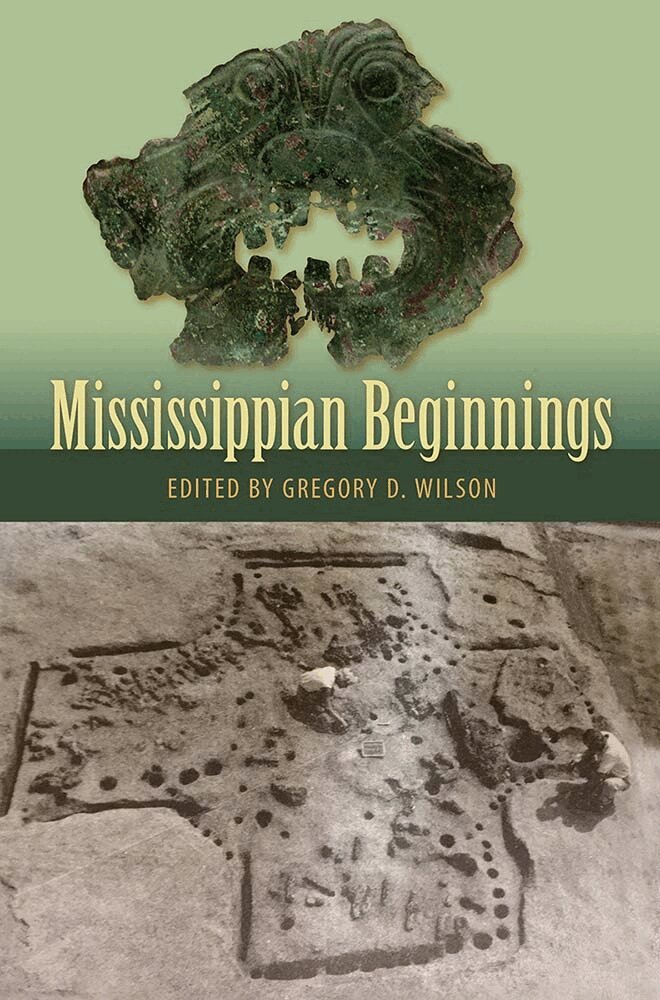
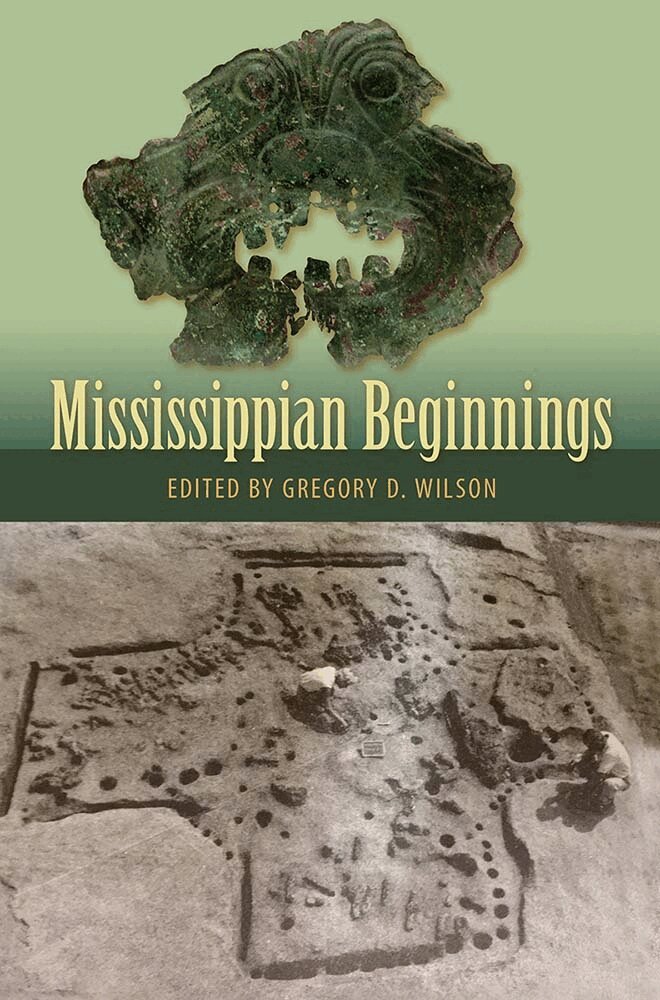
Using fresh evidence and nontraditional ideas, the contributing authors of Mississippian Beginnings reconsider the origins of the Mississippian culture of the North American Midwest and Southeast (A.D. 1000-1600). Challenging the decades-old opinion that this culture evolved similarly across isolated Woodland populations, they discuss signs of migrations, pilgrimages, violent conflicts, and other far-flung entanglements that now appear to have shaped the early Mississippian past.Presenting recent fieldwork, archival studies, and new investigations of legacy collections, the essays in this volume interpret results through contemporary perspectives that emphasize agency and historical contingency. They track the various ways disparate cultures across a sizeable swath of the continent came to share similar architecture, pottery, subsistence strategies, sociopolitical organization, iconography, and religion. Together, they provide the most comprehensive examination of early Mississippian culture in nearly thirty years.
Häftad, Engelska, 2019
280 kr
Skickas inom 10-15 vardagar
Using fresh evidence and nontraditional ideas, the contributing authors of Mississippian Beginnings reconsider the origins of the Mississippian culture of the North American Midwest and Southeast (A.D. 1000–1600). Challenging the decades-old opinion that this culture evolved similarly across isolated Woodland populations, they discuss signs of migrations, missionization, pilgrimages, violent conflicts, long-distance exchange, and other far-flung entanglements that now appear to have shaped the early Mississippian past. Presenting recent fieldwork from a wide array of sites including Cahokia and the American Bottom, archival studies, and new investigations of legacy collections, the contributors interpret results through contemporary perspectives that emphasize agency and historical contingency. They track the various ways disparate cultures across a sizeable swath of the continent experienced Mississippianization and came to share similar architecture, pottery, subsistence strategies, sociopolitical organization, iconography, and religion. Together, these essays provide the most comprehensive examination of early Mississippian culture in over thirty years.
Inbunden, Engelska, 2015
1 445 kr
Skickas inom 10-15 vardagar
The archaeologies of food and warfare have independently developed over the past several decades. This volume aims to provide concrete linkages between these research topics through the examination of case studies worldwide. Topics considered within the book include: the impacts of warfare on the daily food quest, warfare and nutritional health, ritual foodways and violence, the provisioning of warriors and armies, status-based changes in diet during times of war, logistical constraints on military campaigns, and violent competition over subsistence resources. The diversity of perspectives included in this volume may be a product of new ways of conceptualizing violence—not simply as an isolated component of a society, nor as an attribute of a particular societal type—but instead as a transformative process that is lived and irrevocably alters social, economic, and political organization and relationships. This book highlights this transformative process by presenting a cross-cultural perspective on the connection between war and food through the inclusion of case studies from several continents.
E-bok
PDF, Engelska, 20151 785 kr
Läs direkt efter köp
The archaeologies of food and warfare have independently developed over the past several decades. This volume aims to provide concrete linkages between these research topics through the examination of case studies worldwide. Topics considered within the book include: the impacts of warfare on the daily food quest, warfare and nutritional health, ritual foodways and violence, the provisioning of warriors and armies, status-based changes in diet during times of war, logistical constraints on military campaigns, and violent competition over subsistence resources. The diversity of perspectives included in this volume may be a product of new ways of conceptualizing violence—not simply as an isolated component of a society, nor as an attribute of a particular societal type—but instead as a transformative process that is lived and irrevocably alters social, economic, and political organization and relationships. This book highlights this transformative process by presenting a cross-cultural perspective on the connection between war and food through the inclusion of case studies from several continents.
Häftad, Engelska, 2016
1 445 kr
Skickas inom 10-15 vardagar
The archaeologies of food and warfare have independently developed over the past several decades. This volume aims to provide concrete linkages between these research topics through the examination of case studies worldwide. Topics considered within the book include: the impacts of warfare on the daily food quest, warfare and nutritional health, ritual foodways and violence, the provisioning of warriors and armies, status-based changes in diet during times of war, logistical constraints on military campaigns, and violent competition over subsistence resources. The diversity of perspectives included in this volume may be a product of new ways of conceptualizing violence—not simply as an isolated component of a society, nor as an attribute of a particular societal type—but instead as a transformative process that is lived and irrevocably alters social, economic, and political organization and relationships. This book highlights this transformative process by presenting a cross-cultural perspective on the connection between war and food through the inclusion of case studies from several continents.