Gregory Mann – författare
Visar alla böcker från författaren Gregory Mann. Handla med fri frakt och snabb leverans.
7 produkter
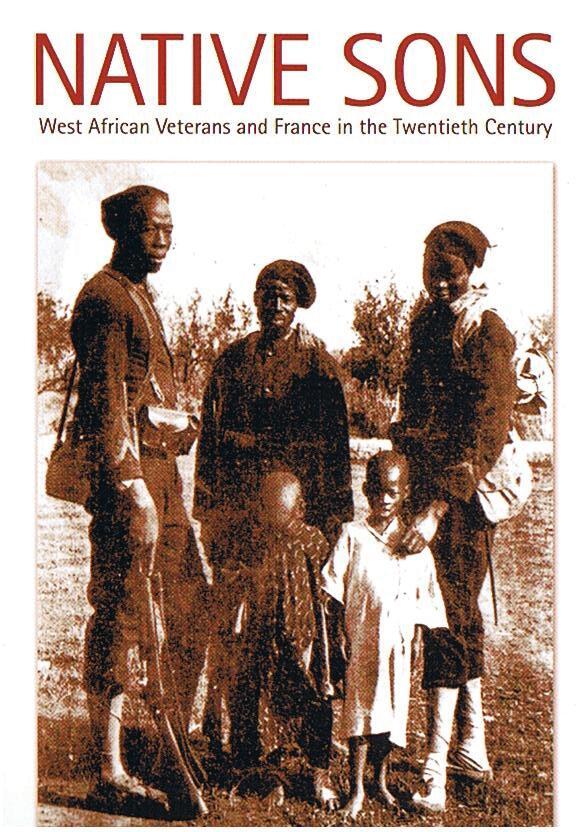
Native Sons
West African Veterans and France in the Twentieth Century
Av Gregory Mann
Inbunden, 2006
1362 kr
Lägg i varukorg
For much of the twentieth century, France recruited colonial subjects from sub-Saharan Africa to serve in its military, sending West African soldiers to fight its battles in Europe, Southeast Asia, and North Africa. In this exemplary contribution to the “new imperial history,” Gregory Mann argues …
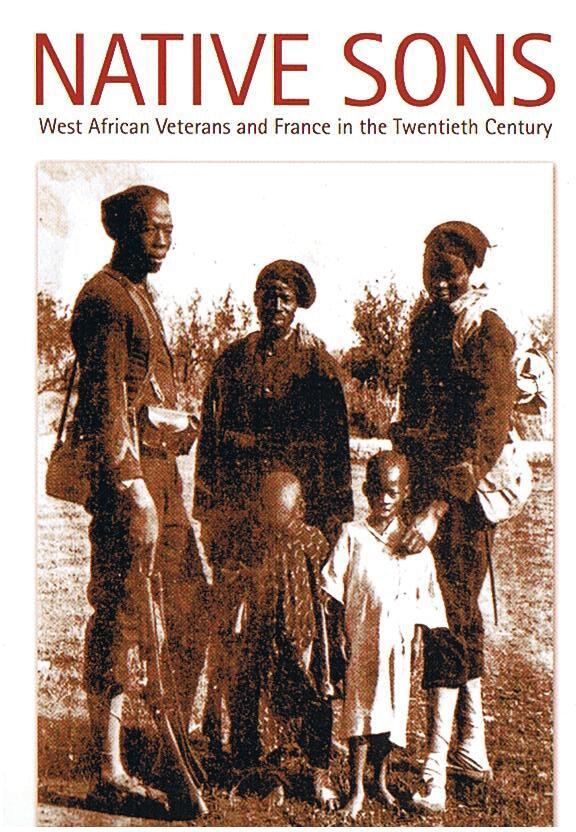
Native Sons
West African Veterans and France in the Twentieth Century
Av Gregory Mann
Häftad, 2006
396 kr
Lägg i varukorg
For much of the twentieth century, France recruited colonial subjects from sub-Saharan Africa to serve in its military, sending West African soldiers to fight its battles in Europe, Southeast Asia, and North Africa. In this exemplary contribution to the “new imperial history,” Gregory Mann argues …
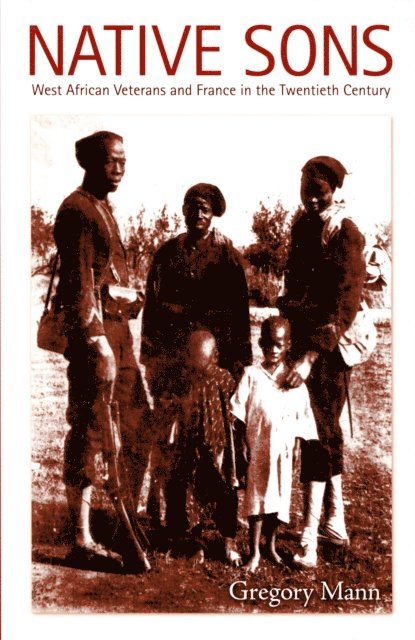
Native Sons
West African Veterans and France in the Twentieth Century
Av Gregory Mann
E-bok, 2006
587 kr
Lägg i varukorg
For much of the twentieth century, France recruited colonial subjects from sub-Saharan Africa to serve in its military, sending West African soldiers to fight its battles in Europe, Southeast Asia, and North Africa. In this exemplary contribution to the “new imperial history,” Gregory Mann argues …
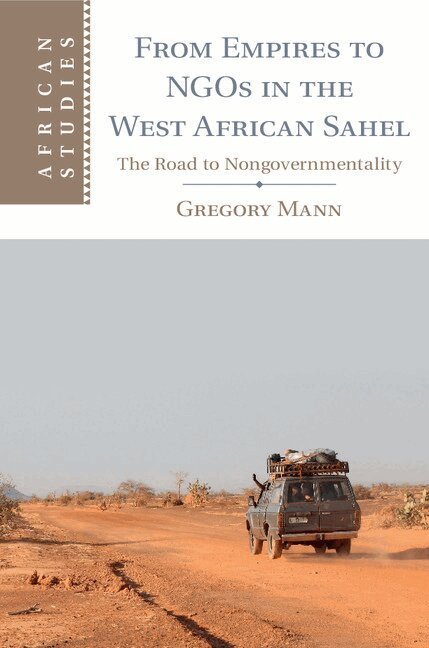
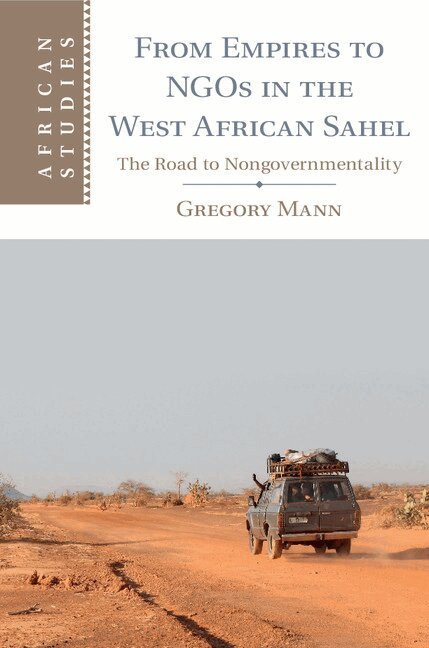
From Empires to NGOs in the West African Sahel
The Road to Nongovernmentality
Av Gregory Mann
Inbunden, 2014
1444 kr
Lägg i varukorg
This book looks beyond the familiar history of former empires and new nation-states to consider newly transnational communities of solidarity and aid, social science and activism. Shortly after independence from France in 1960, the people living along the Sahel - a long, thin stretch of land …
From Empires to NGOs in the West African Sahel
The Road to Nongovernmentality
Av Gregory Mann
Häftad, 2014
541 kr
Lägg i varukorg
This book looks beyond the familiar history of former empires and new nation-states to consider newly transnational communities of solidarity and aid, social science and activism. Shortly after independence from France in 1960, the people living along the Sahel - a long, thin stretch of land …
From Empires to NGOs in the West African Sahel
The Road to Nongovernmentality
Av Gregory Mann
E-bok, 2014
537 kr
Lägg i varukorg
This book looks beyond the familiar history of former empires and new nation-states to consider newly transnational communities of solidarity and aid, social science and activism. Shortly after independence from France in 1960, the people living along the Sahel - a long, thin stretch of land …
From Empires to NGOs in the West African Sahel
The Road to Nongovernmentality
Av Gregory Mann
E-bok, 2014
537 kr
Lägg i varukorg
This book looks beyond the familiar history of former empires and new nation-states to consider newly transnational communities of solidarity and aid, social science and activism. Shortly after independence from France in 1960, the people living along the Sahel - a long, thin stretch of land …