Guangjun Li – författare
Visar alla böcker från författaren Guangjun Li. Handla med fri frakt och snabb leverans.
5 produkter
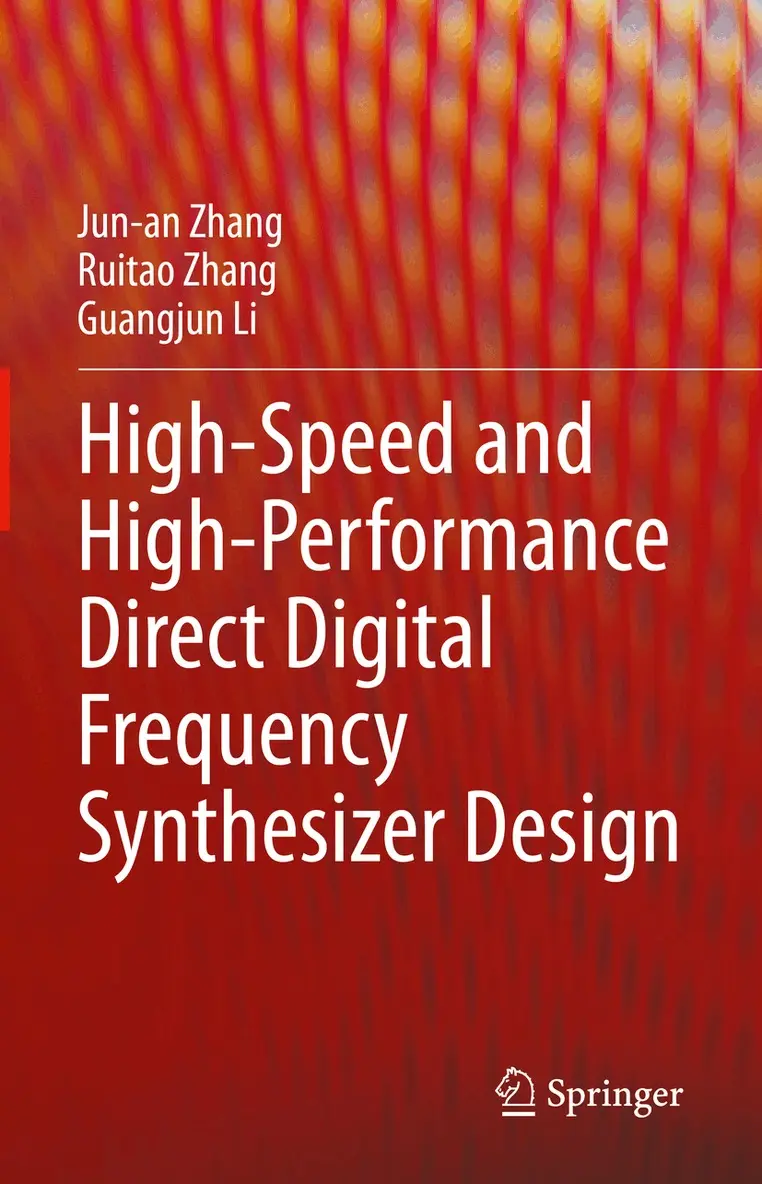
High-Speed and High-Performance Direct Digital Frequency Synthesizer Design
Av Jun-an Zhang, Ruitao Zhang m. fl.
Inbunden, 2022
1423 kr
Lägg i varukorg
The book focuses on design technology of high-speed and high-performance direct digital frequency synthesizer (DDS) chip. The technologies involves phase to amplitude converter design, D/A converter design, phase accumulator design, multi-chip synchronization circuit design, etc. In each chapter, …
High-Speed and High-Performance Direct Digital Frequency Synthesizer Design
Av Guangjun Li, Ruitao Zhang m. fl.
E-bok, 2022
1728 kr
Lägg i varukorg
The book focuses on design technology of high-speed and high-performance direct digital frequency synthesizer (DDS) chip. The technologies involves phase to amplitude converter design, D/A converter design, phase accumulator design, multi-chip synchronization circuit design, etc. In each chapter, …
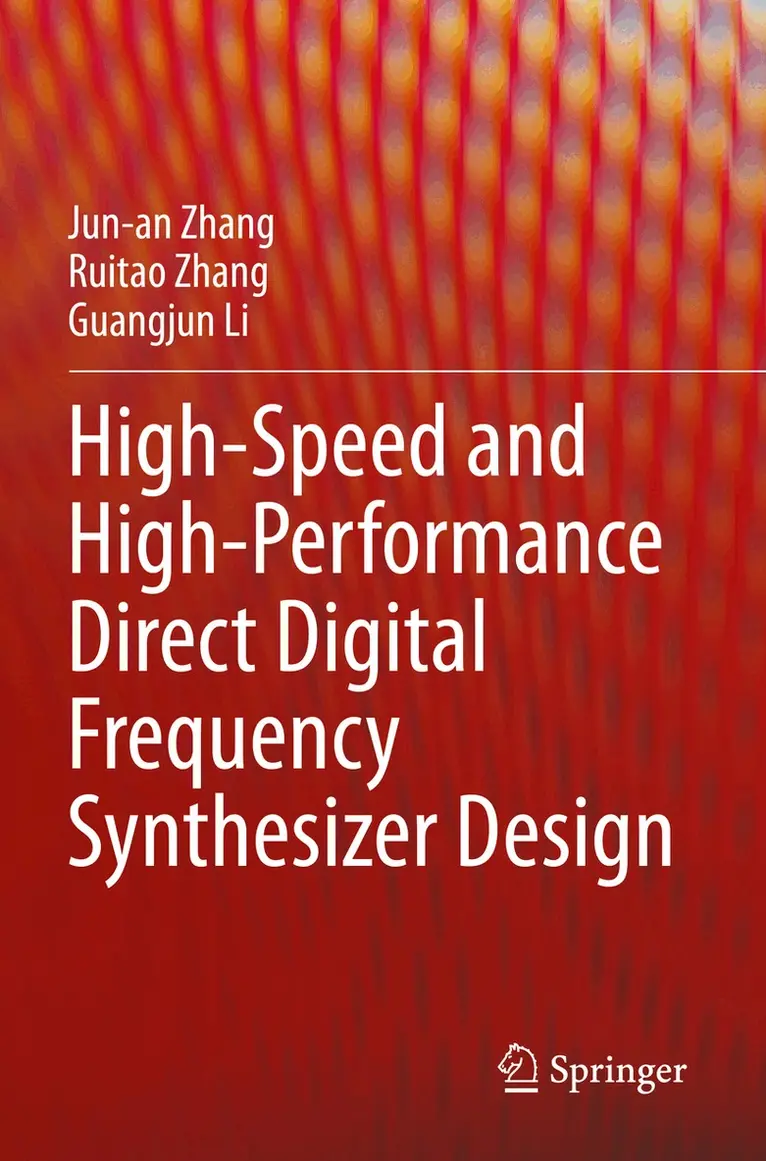
High-Speed and High-Performance Direct Digital Frequency Synthesizer Design
Av Jun-an Zhang, Ruitao Zhang m. fl.
Häftad, 2023
1423 kr
Lägg i varukorg
The book focuses on design technology of high-speed and high-performance direct digital frequency synthesizer (DDS) chip. The technologies involves phase to amplitude converter design, D/A converter design, phase accumulator design, multi-chip synchronization circuit design, etc. In each chapter, …
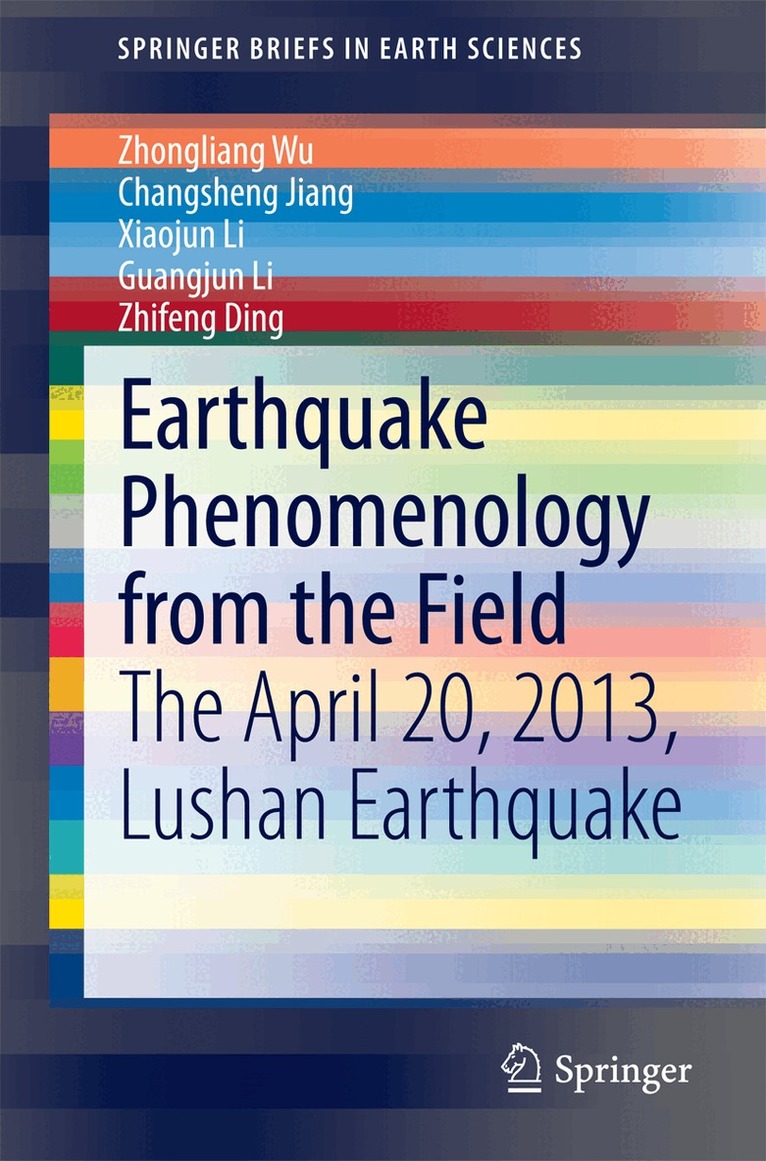
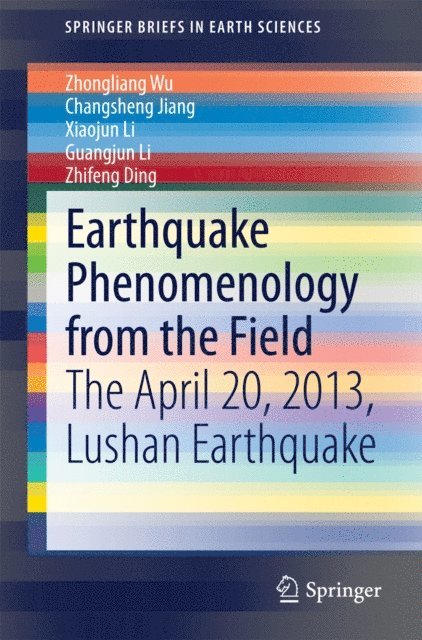
Earthquake Phenomenology from the Field
The April 20, 2013, Lushan Earthquake
Av Zhongliang Wu, Changsheng Jiang m. fl.
Häftad, 2014
552 kr
Lägg i varukorg
Based on the field investigation and the summary of the published research results of the April 20, 2013, Lushan, Sichuan, China, MS7.0 earthquake, having occurred along the same fault zone which accommodated the May 12, 2008, Wenchuan MS8.0 earthquake, this Brief tries to describe and discuss the …
Earthquake Phenomenology from the Field
The April 20, 2013, Lushan Earthquake
Av Zhifeng Ding, Guangjun Li m. fl.
E-bok, 2014
734 kr
Lägg i varukorg
Based on the field investigation and the summary of the published research results of the April 20, 2013, Lushan, Sichuan, China, MS7.0 earthquake, having occurred along the same fault zone which accommodated the May 12, 2008, Wenchuan MS8.0 earthquake, this Brief tries to describe and discuss the …