Guido De Marco – författare
Visar alla böcker från författaren Guido De Marco. Handla med fri frakt och snabb leverans.
7 produkter
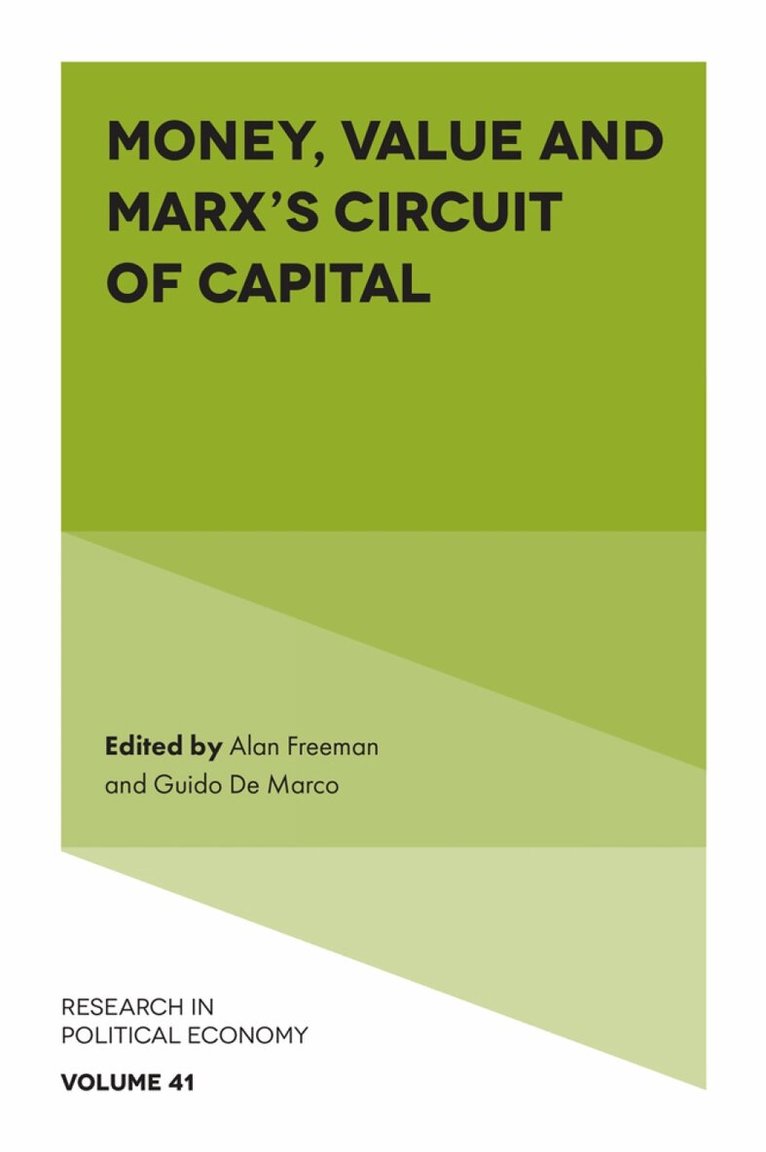
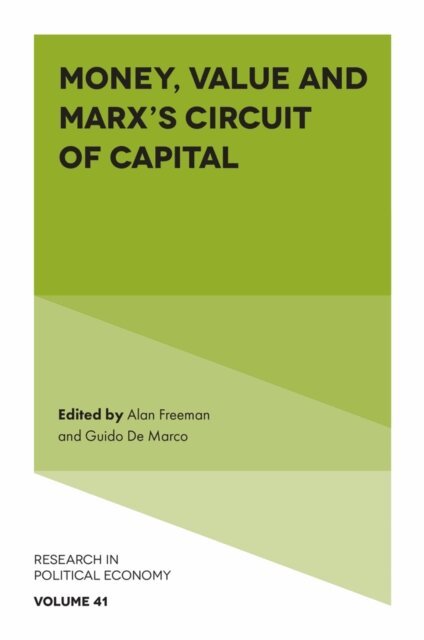
Money, Value and Marx’s Circuit of Capital
Av Alan Freeman, Guido De Marco
Inbunden, 2026
1263 kr
Lägg i varukorg
The twelve papers collected in this volume of Research in Political Economy mark a new phase in the study of capitalism, centred on the reproduction of total social capital. They address the widely felt need to reconnect political economy with real-world phenomena, including financial crises, …
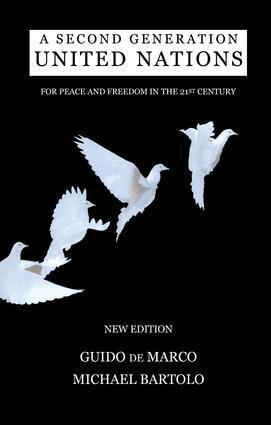
Second Generation United Nations
Av Guido De Marco, Michael Bartolo
Inbunden, 1997
2126 kr
Lägg i varukorg
First published in 1997. As the United Nations moves beyond its fiftieth anniversary into the new millennium, it is faced with a new global system fraught with political and economic tensions that can no longer be handled with models that defined the organization when it was founded in 1945. An …
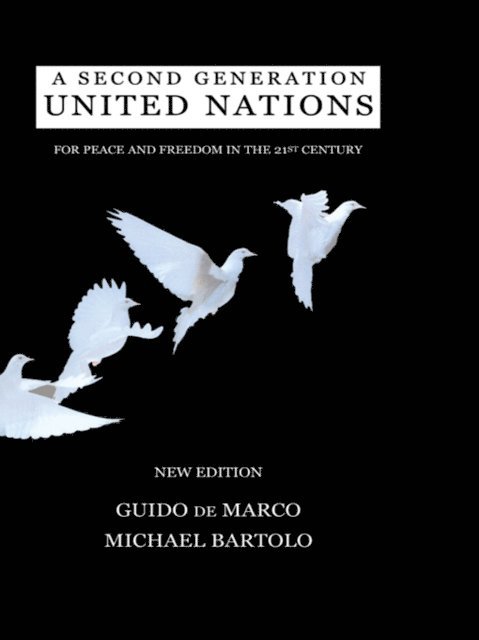
Second Generation United Nations
Av Michael Bartolo, Guido De Marco
E-bok, 2013
796 kr
Lägg i varukorg
First published in 1997. As the United Nations moves beyond its fiftieth anniversary into the new millennium, it is faced with a new global system fraught with political and economic tensions that can no longer be handled with models that defined the organization when it was founded in 1945. An …
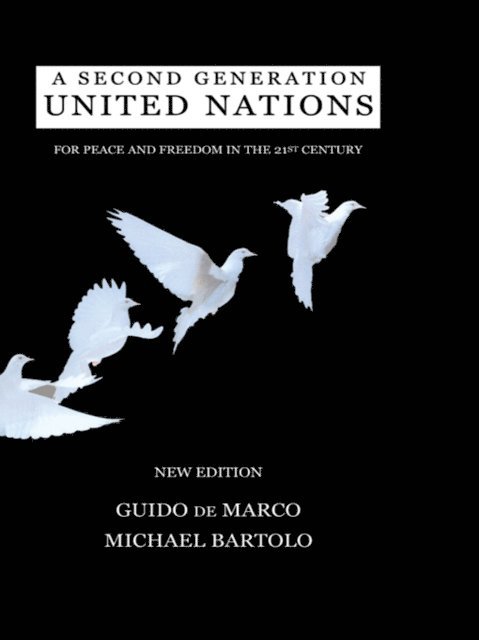
Second Generation United Nations
Av Michael Bartolo, Guido De Marco
E-bok, 2013
796 kr
Lägg i varukorg
First published in 1997. As the United Nations moves beyond its fiftieth anniversary into the new millennium, it is faced with a new global system fraught with political and economic tensions that can no longer be handled with models that defined the organization when it was founded in 1945. An …
Second Generation United Nations
Av Guido De Marco, Michael Bartolo
Häftad, 2016
691 kr
Lägg i varukorg
First published in 1997. As the United Nations moves beyond its fiftieth anniversary into the new millennium, it is faced with a new global system fraught with political and economic tensions that can no longer be handled with models that defined the organization when it was founded in 1945. An …
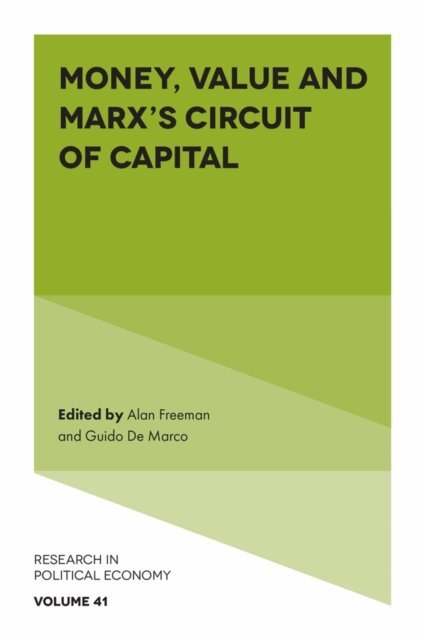
Money, Value and Marx's Circuit of Capital
Av Guido De Marco, Alan Freeman
E-bok, 2026
1375 kr
Lägg i varukorg
The twelve papers collected in this volume of Research in Political Economy mark a new phase in the study of capitalism, centred on the reproduction of total social capital. They address the widely felt need to reconnect political economy with real-world phenomena, including financial crises, …
Money, Value and Marx's Circuit of Capital
Av Guido De Marco, Alan Freeman
E-bok, 2026
1375 kr
Lägg i varukorg
The twelve papers collected in this volume of Research in Political Economy mark a new phase in the study of capitalism, centred on the reproduction of total social capital. They address the widely felt need to reconnect political economy with real-world phenomena, including financial crises, …