Guilherme Fians – författare
Visar alla böcker från författaren Guilherme Fians. Handla med fri frakt och snabb leverans.
5 produkter
5 produkter
Inbunden, Engelska, 2025
723 kr
Skickas inom 5-8 vardagar
Häftad, Engelska, 2025
314 kr
Skickas inom 5-8 vardagar
Inbunden, Engelska, 2022
1 307 kr
Skickas inom 10-15 vardagar
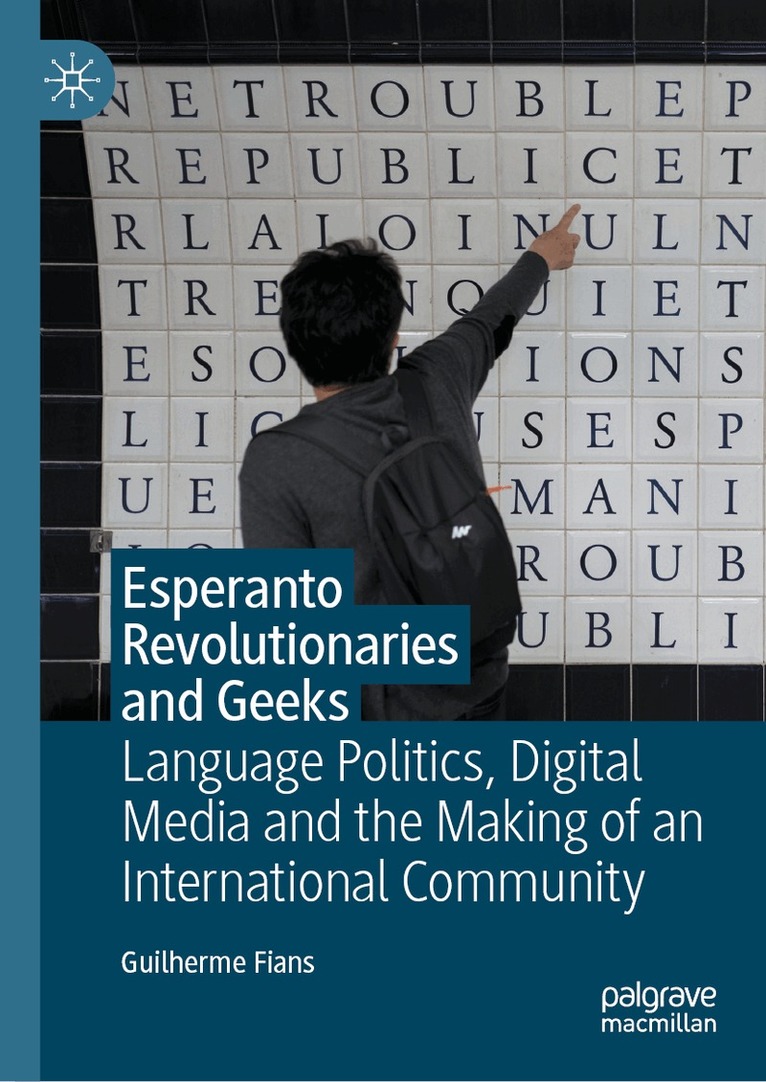
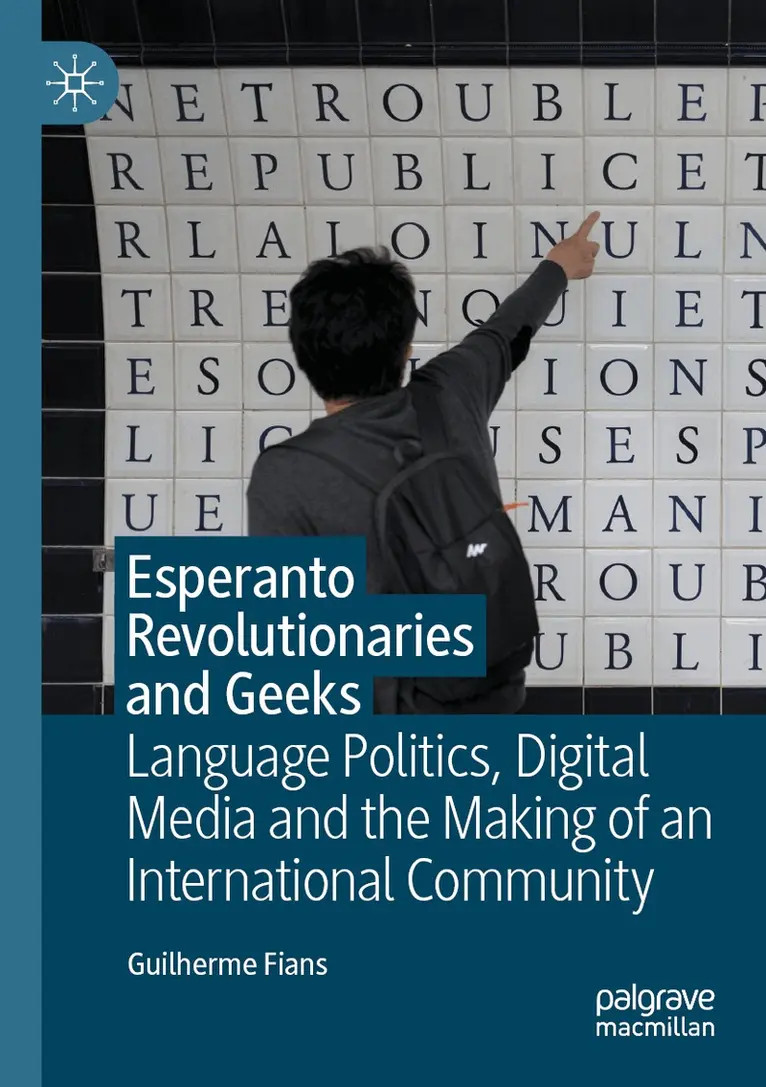
This book explores how Esperanto – often regarded as a future-oriented utopian project that ended up confined to the past – persists in the present. Constructed in the late nineteenth century to promote global linguistic understanding, this language was historically linked to anarchism, communism and pacifism. Yet, what political relevance does Esperanto retain in the present? What impacts have emerging communication technologies had on the dynamics of this speech community? Unpacking how Esperanto speakers are everywhere, but concentrated nowhere, the author argues that digital media have provided tools for people to (re)politicise acts of communication, produce horizontal learning spaces and, ultimately, build an international community. As Esperanto speakers question the post-political consensus about communication rights, this language becomes an ally of activism for open-source software and global social justice. This book will be of relevance to students and scholars researchingpolitical activism, language use and community-building, as well as anyone with an interest in digital media more broadly.
E-bok
Engelska, 20221 187 kr
Läs direkt efter köp
This book explores how Esperanto – often regarded as a future-oriented utopian project that ended up confined to the past – persists in the present. Constructed in the late nineteenth century to promote global linguistic understanding, this language was historically linked to anarchism, communism and pacifism. Yet, what political relevance does Esperanto retain in the present? What impacts have emerging communication technologies had on the dynamics of this speech community? Unpacking how Esperanto speakers are everywhere, but concentrated nowhere, the author argues that digital media have provided tools for people to (re)politicise acts of communication, produce horizontal learning spaces and, ultimately, build an international community. As Esperanto speakers question the post-political consensus about communication rights, this language becomes an ally of activism for open-source software and global social justice. This book will be of relevance to students and scholars researchingpolitical activism, language use and community-building, as well as anyone with an interest in digital media more broadly.
Häftad, Engelska, 2023
928 kr
Skickas inom 10-15 vardagar
This book explores how Esperanto – often regarded as a future-oriented utopian project that ended up confined to the past – persists in the present. Constructed in the late nineteenth century to promote global linguistic understanding, this language was historically linked to anarchism, communism and pacifism. Yet, what political relevance does Esperanto retain in the present? What impacts have emerging communication technologies had on the dynamics of this speech community? Unpacking how Esperanto speakers are everywhere, but concentrated nowhere, the author argues that digital media have provided tools for people to (re)politicise acts of communication, produce horizontal learning spaces and, ultimately, build an international community. As Esperanto speakers question the post-political consensus about communication rights, this language becomes an ally of activism for open-source software and global social justice. This book will be of relevance to students and scholars researchingpolitical activism, language use and community-building, as well as anyone with an interest in digital media more broadly.