Guilherme Lopes da Cunha - Böcker
Visar alla böcker från författaren Guilherme Lopes da Cunha. Handla med fri frakt och snabb leverans.
3 produkter
3 produkter
569 kr
Skickas inom 10-15 vardagar
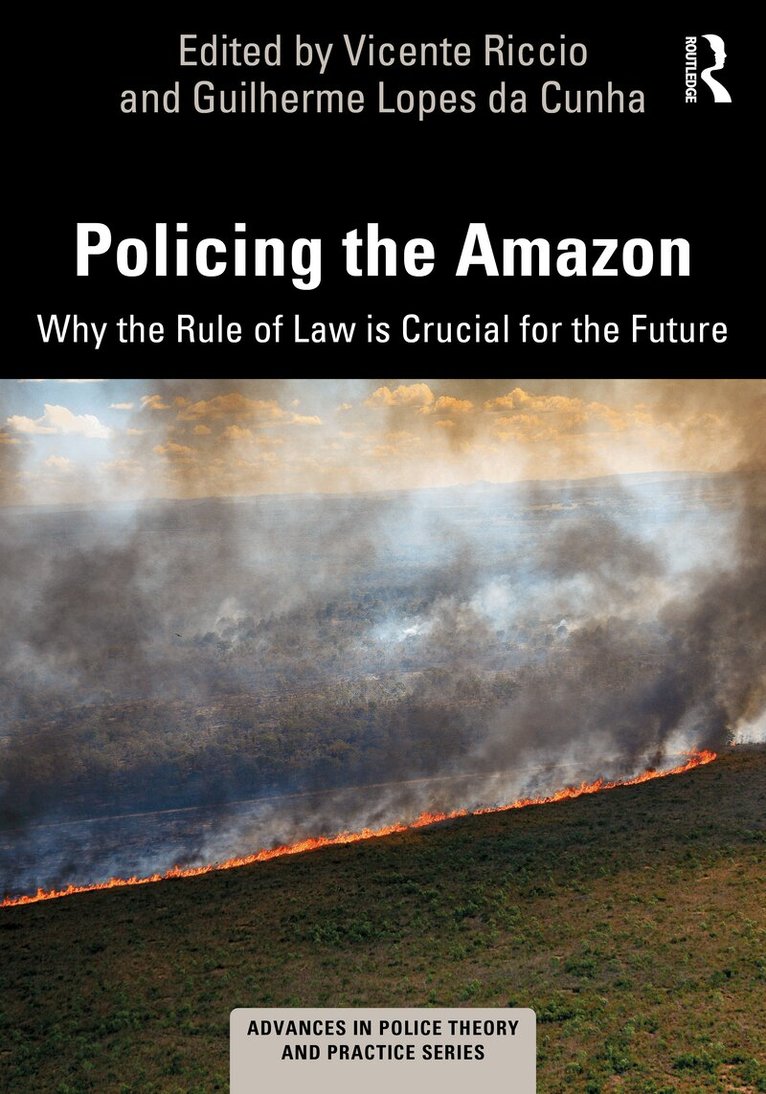
This edited collection discusses the rule of law in the Amazon and the capabilities of the region’s sovereign states to police their territory considering security matters. Comprised of nine countries, including a European Union member, the Amazon region features states facing political instability, poverty, social inequalities, high levels of corruption, and lack of trust by their populations. This context is aggravated by the presence of criminal organizations operating there and shaping transnational bonds. Notably, the world’s foremost cocaine-producing countries—Colombia, Peru, and Bolivia—are located in the region, presenting related turmoil and instability. Moreover, as home to the largest rainforest on Earth and the widest biodiversity, the region is an object of concern due to environmental reasons. The protection of these natural resources as well as the traditional peoples living there is intertwined with issues of development, security, and policing.The book delves into questions on the international agenda, such as: how is it possible to sustain the rule of law in the Amazon? What are the states’ capabilities for controlling the territory and enforcing the law? How do these states deal with the growing urban violence in the region? What are the capabilities of public authorities for proposing laws and policies, and judicial systems to process, prevent, and suppress different crimes such as drug dealing, smuggling, human trafficking, terrorism, and environmental crimes?The book fills a gap in English-language scholarship exploring the context of the rule of law in the Amazon and the impact on policing activities. It is ideal for a wide range of audiences, including policing scholars, law enforcement and community leaders, and students focusing on criminal justice and the Amazon.
1 819 kr
Skickas inom 10-15 vardagar
This edited collection discusses the rule of law in the Amazon and the capabilities of the region’s sovereign states to police their territory considering security matters. Comprised of nine countries, including a European Union member, the Amazon region features states facing political instability, poverty, social inequalities, high levels of corruption, and lack of trust by their populations. This context is aggravated by the presence of criminal organizations operating there and shaping transnational bonds. Notably, the world’s foremost cocaine-producing countries—Colombia, Peru, and Bolivia—are located in the region, presenting related turmoil and instability. Moreover, as home to the largest rainforest on Earth and the widest biodiversity, the region is an object of concern due to environmental reasons. The protection of these natural resources as well as the traditional peoples living there is intertwined with issues of development, security, and policing.The book delves into questions on the international agenda, such as: how is it possible to sustain the rule of law in the Amazon? What are the states’ capabilities for controlling the territory and enforcing the law? How do these states deal with the growing urban violence in the region? What are the capabilities of public authorities for proposing laws and policies, and judicial systems to process, prevent, and suppress different crimes such as drug dealing, smuggling, human trafficking, terrorism, and environmental crimes?The book fills a gap in English-language scholarship exploring the context of the rule of law in the Amazon and the impact on policing activities. It is ideal for a wide range of audiences, including policing scholars, law enforcement and community leaders, and students focusing on criminal justice and the Amazon.
1 142 kr
Skickas inom 10-15 vardagar
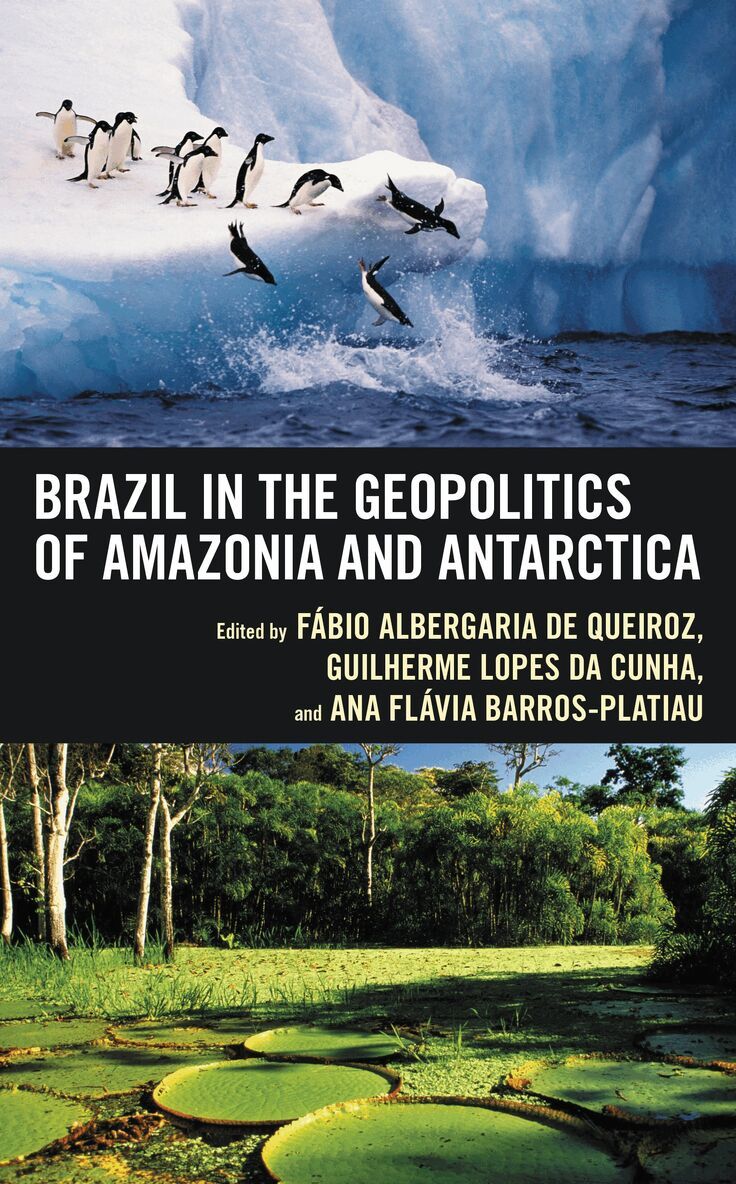
The book presents a comprehensive and original analysis from a Brazilian perspective of both traditional and emerging topics related to the so-called “El Dorados of the 21st century”: Amazonia and Antarctica. By gathering distinguished scholars, the resulting set of high-level findings, stemming from multiple epistemological standpoints, provides important and innovative insights into the wide-ranging geopolitical impacts of issues concerning these unique strategic ecosystems to the contemporary international environment. The result is a sophisticated response to the following questions: what were, are, and will be the contributions of Brazilian geopolitical thinking on these two themes? Additionally , from this intellectual exercise, how do we interpret the role of Antarctica and Amazonia in shaping the current asymmetrical transnational architecture of power?