Guillaume Robin – författare
Visar alla böcker från författaren Guillaume Robin. Handla med fri frakt och snabb leverans.
5 produkter
L'essentiel pour reussir en allemand
Grammaire, vocabulaire et culture generale (B1-C1)
E-bok, 2025
472 kr
Lägg i varukorg
Cet ouvrage est bien plus qu'un simple manuel : c'est votre allie pour maitriser l'allemand post-bac et exceller dans vos etudes et votre future carriere. Concu specialement pour les etudiants en classes preparatoires, IUT, ecoles de commerce, BTS tertiaires, LEA et LLCE, il vous offre une approche …
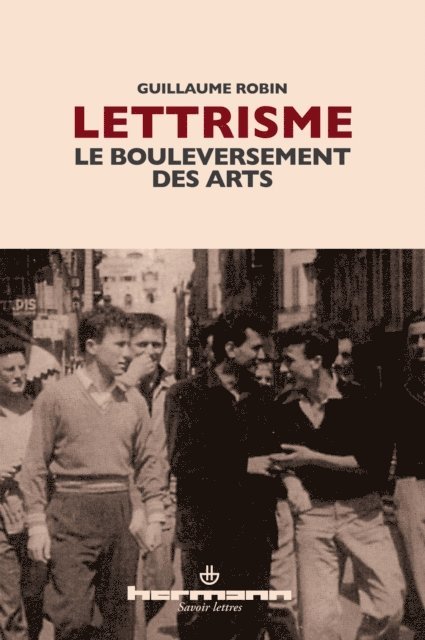
Lettrisme
Le bouleversement des arts
E-bok, 2010
428 kr
Lägg i varukorg
Cet essai est la première tentative d’expliquer le mouvement lettriste et ses réalisations dans sa relation aux multiples mouvements d’art survenus après la guerre. Le lettrisme promu par la personnalité géniale d’Isidore Isou, son fondateur, s’annonce comme la dernière avant-garde légitime et …
Living at Night in Times of Pandemic
Night Studies and Club Culture in France and Germany
Av Anita Jori, Guillaume Robin
Häftad, 2024
417 kr
Lägg i varukorg
Club culture has become an ever-growing interdisciplinary research field in the social sciences. The contributors to this volume offer state of the art perspectives on night studies in France and Germany and the techno scene from a comparative and interdisciplinary perspective. They explore three …
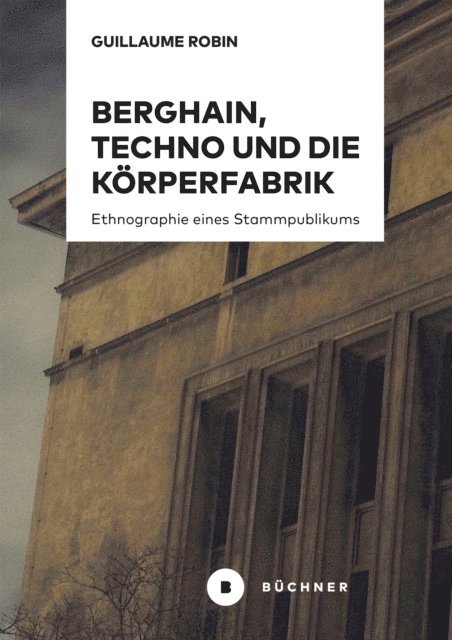
Berghain, Techno und die Körperfabrik
Ethnographie eines Stammpublikums
E-bok, 2021
210 kr
Lägg i varukorg
»Morgen ist die Frage«: so steht es auf dem Banner, das seit dem Lockdown an der imposanten Fassade des Berghains hängt. Der berühmte Techno-Club in Berlin Friedrichshain ist wegen der Pandemie vorübergehend in ein Museum verwandelt worden. Was bedeutet diese Entwicklung für Berlin? Was, wenn die …
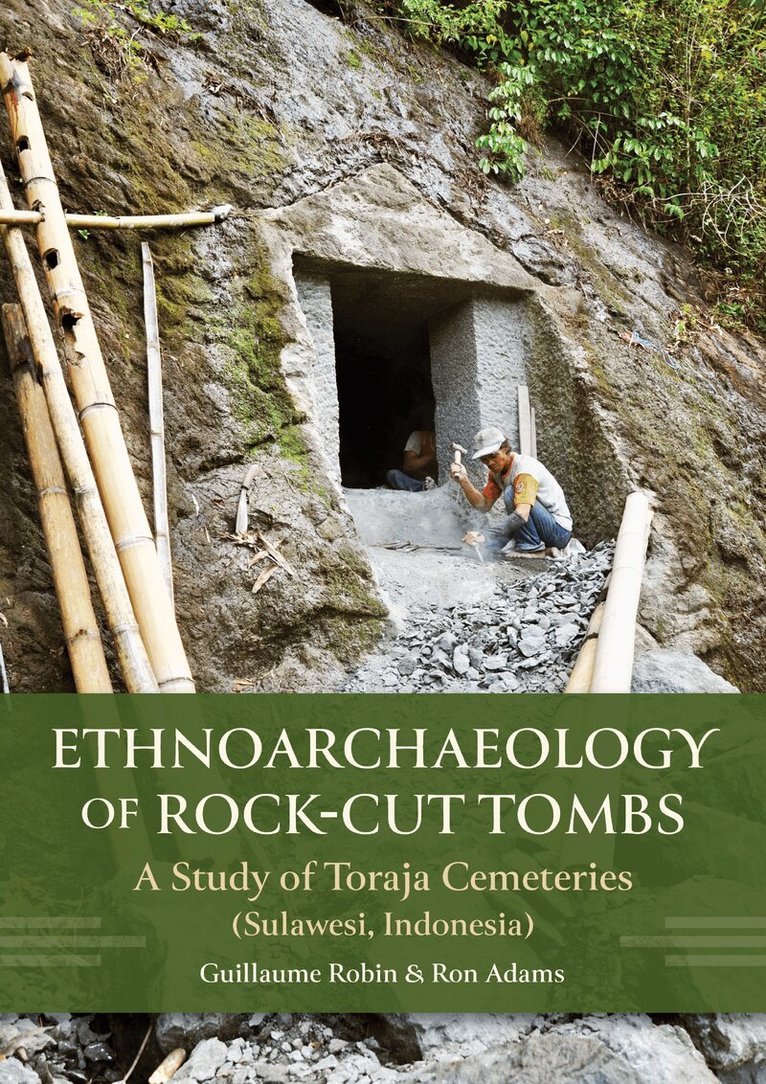
Ethnoarchaeology of Rock-cut Tombs
A Study of Toraja Cemeteries (Sulawesi, Indonesia)
Häftad, 2025
549 kr
Lägg i varukorg
Rock-cut tombs, i.e. chambered tombs hewn out from the bedrock, were a common type of monumental burial among many past societies around the world, from the Neolithic Mediterranean, to the Classical Near East, and Protohistoric Japan and Korea. Around the globe they have attracted the attention of …