
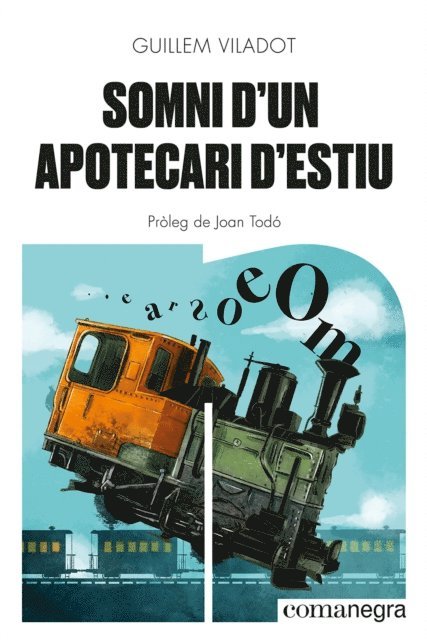
L'apotecari Antoni Sanuy viu a una casa pairal d'Agramunt, la seva vila nadiua. Sense família. Llegeix Píndar i va vestit amb una bata de seda natural. És calb, amb barba blanca, i té una criada que fa bunyols de maduixa. Fa calor, a Agramunt, i l'apotecari està casat. A partir d'aquí, un somni que deixa petja. Un tren que surt de Barcelona i corre a cegues per terres de Ponent carregat de personatges increïbles, entre es quals hi ha en Pau, l'aprenent de maquinista que ens agafa de la mà. El tren pateix un sabotatge, en Pau s'ha d'escapar i arriba a ca l'apotecari, que s'hi reconeix estranyament.«Els dos rails brillen davant la màquina com dues antenes de televisió que s'han de trobar a l'estació puntual de l'infinit.»
How does one experience things from the viewpoint of the other sex? It is this question that has led to Vildot’s creation of Ruth, the genre-defining story of a sex change told by the protagonist through a series of letters to an anonymous friend. Far from the condemnatory gaze or noise of those who understand life as nothing but outward appearances, Ruth demonstrates the sentimental and intellectual intimacy of a man transitioning into a woman, and describes a profund, touching process in which frustrations, ideas of liberty and changes of identity are interwoven.Without descending into easy morbosity or exhibitions of sensationalist tendencies, Ruth represents Guillem Viladot’s indignation at both masculine and feminine sensibilities, while championing diversity of thought, love, liberty, and, most importantly, desire.
L'apotecari Antoni Sanuy viu a una casa pairal d'Agramunt, la seva vila nadiua. Sense família. Llegeix Píndar i va vestit amb una bata de seda natural. És calb, amb barba blanca, i té una criada que fa bunyols de maduixa. Fa calor, a Agramunt, i l'apotecari està casat. A partir d'aquí, un somni que deixa petja. Un tren que surt de Barcelona i corre a cegues per terres de Ponent carregat de personatges increïbles, entre es quals hi ha en Pau, l'aprenent de maquinista que ens agafa de la mà. El tren pateix un sabotatge, en Pau s'ha d'escapar i arriba a ca l'apotecari, que s'hi reconeix estranyament.«Els dos rails brillen davant la màquina com dues antenes de televisió que s'han de trobar a l'estació puntual de l'infinit.»
How does one experience things from the viewpoint of the other sex? It is this question that has led to Vildot’s creation of Ruth, the genre-defining story of a sex change told by the protagonist through a series of letters to an anonymous friend. Far from the condemnatory gaze or noise of those who understand life as nothing but outward appearances, Ruth demonstrates the sentimental and intellectual intimacy of a man transitioning into a woman, and describes a profund, touching process in which frustrations, ideas of liberty and changes of identity are interwoven.Without descending into easy morbosity or exhibitions of sensationalist tendencies, Ruth represents Guillem Viladot’s indignation at both masculine and feminine sensibilities, while championing diversity of thought, love, liberty, and, most importantly, desire.