Guillermo Fernández-Abascal - Böcker
Visar alla böcker från författaren Guillermo Fernández-Abascal. Handla med fri frakt och snabb leverans.
3 produkter
3 produkter
396 kr
Skickas
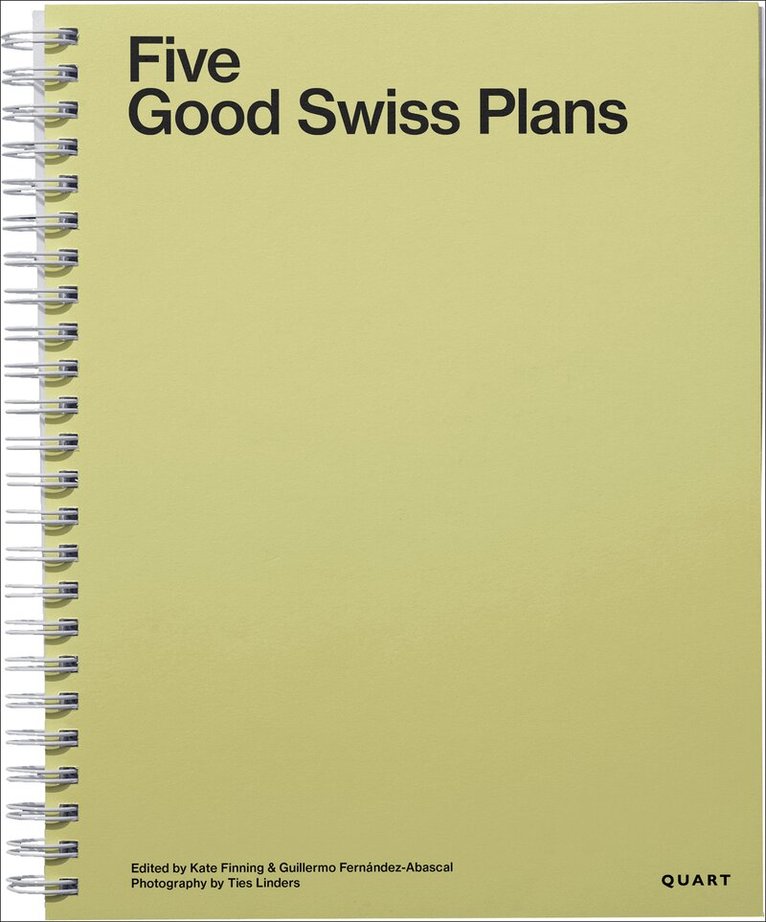
Apartment floor plans have a decisive influence on our lives. In the last 30 years, Swiss housing architecture has successively introduced the new ideal of floor plans with open and flexible uses. The aim is to offer spatial qualities to residents who are not yet clearly defined, thereby fulfilling the changing requirements of a diverse society. This publication presents five Swiss architects providing insight on their “good plans” with short texts and images: Elli Mosayebi (EMI Architekten); Jeannette Kuo (Karamuk Kuo Architects); Maria Conen (Conen Sigl Architekt:innen); Lütjens Padmanabhan (Lütjens Padmanabhan Architekten); Philipp Esch (Esch Sintzel Architekten).
368 kr
Skickas inom 5-8 vardagar
Apartment floor plans have a decisive influence on our lives. In the last 30 years, Swiss housing architecture has successively introduced the new ideal of floor plans with open and flexible uses. The aim is to offer spatial qualities to residents who are not yet clearly defined, thereby fulfilling the changing requirements of a diverse society. This publication presents five Swiss architects providing insight on their “good plans” with short texts and images: Elli Mosayebi (EMI Architekten); Jeannette Kuo (Karamuk Kuo Architects); Maria Conen (Conen Sigl Architekt:innen); Lütjens Padmanabhan (Lütjens Padmanabhan Architekten); Philipp Esch (Esch Sintzel Architekten).Text in German.
280 kr
Tillfälligt slut
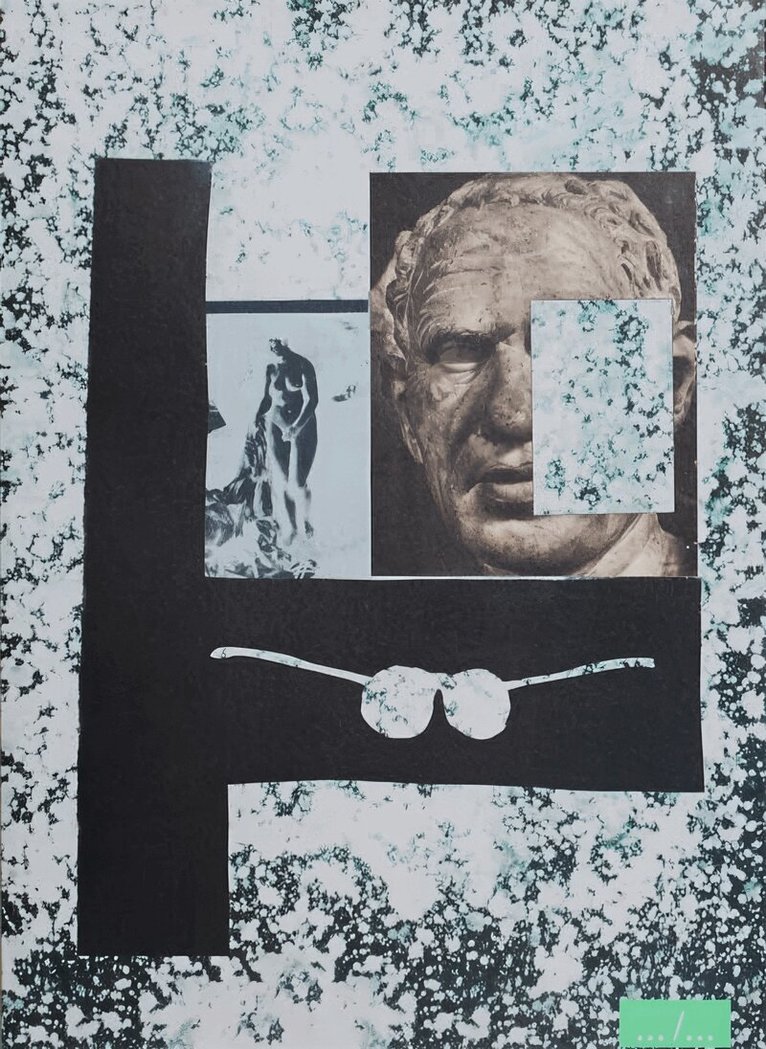
In the months that preceded the global spread of COVID-19, a series of airborne events transformed the atmosphere of the Indo-Pacific region; the bushfire smoke on the East coast of Australia, the tear gas used in the Santiago de Chile and Hong Kong protests, the Indian Supreme Court ruling on Delhi’s pollution failures, and activists covering iconic statues with respirators across Johannesburg and Pretoria. All these incidents map the political struggles taking place in the region’s air, triggering a proliferation of masked faces avant la lettre. The publication Folk Costumes, Indo-Pacific Air is an account of the region’s masked state. It brings together culturally and geographically diverse case studies exploring air’s effects on the body to describe the emergent wearable architectures it produces. Considered as folk costumes, these wearables are socio-technical constructions that mediate our relationship with the environment—they negotiate our daily struggles, emancipatory efforts, and emotional inner-lives. Discussing air as a political matter, the book collects contributions by scientists, writers, historians, architects, photographers, and dilettantes, encouraging readers to fly freely between visual and conceptual affinities to create a map of a region in the making. Edited by Urtzi Grau and Guillermo Fernández-Abascal with contributions by Dean Cross, Hamish McIntosh, Peter McNeil,Hélène Frichot,La Escuela Nunca y Otros Futuros,Lidia Morawska, Juan Elvira, Matthew Connors, Ricarda Bigolin, Peter Irga and Fraser Torpy, Sharbendu De, Enoch Cheng, Samaneh Moafi, Sumayya Vally,Matteo Dal Vera, and Achille Mbembe.