Gülay Yilmaz – Författare
Visar alla böcker från författaren Gülay Yilmaz. Handla med fri frakt och snabb leverans.
2 produkter
2 produkter
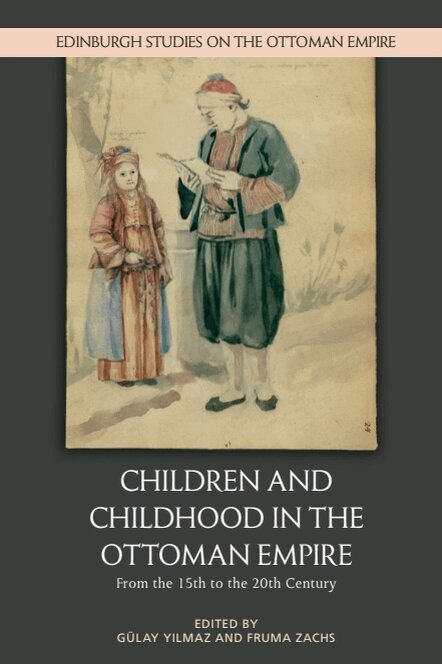
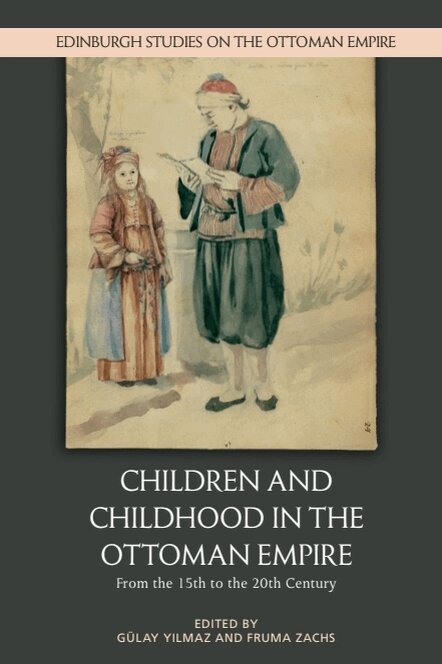
Children and Childhood in the Ottoman Empire
From the 15th to the 20th Century
Inbunden, Engelska, 2021
2 095 kr
Skickas inom 3-6 vardagar
Ottoman attitudes towards children on the part of adults, religious institutions and the state from the 15th to the early 20th century are explored in this volume. Specialists in the social history of the Ottoman Empire as a whole, in regions ranging from Anatolia, through the Arab provinces to the Balkans, respond to recent theoretical calls to recognise children as active agents in history.
669 kr
Skickas inom 3-6 vardagar
Explores 5 centuries of changing attitudes toward children and childhood in the Ottoman EmpireIncludes data on Christian, Jewish and Muslim children that shed light on differences and commonalities in family structures and communitiesCovers a broad geographic area including Ottoman Romania, Bulgaria, Crimea, Greece, Bosnia, Syria, Palestine and IstanbulPaves the way for new directions in research on the history of children and childhood in the Ottoman EmpireFeatures a Foreword by Suraiya Faroqhi, an introductory chapter by Colin Heywood, and includes 8 tables, 8 graphs, 9 illustrations and a glossary of key termsHow did adults, religious institutions and the state view children during the Ottoman Empire? This volume gathers specialists in the social history of the Ottoman Empire as a whole in regions ranging from Anatolia through the Arab provinces to the Balkans, and from the 15th to the early 20th century to respond to recent theoretical calls to recognise children as active agents in history. Divided into 5 thematic sections concepts of childhood, family interrelationships, children outside family circles, children's bodies and education the volume covers the social and political structure of the Ottoman Empire. It uses the innovative prism of children as social agents who are not only shaped by but also shape society, rather than being the passive recipients of their social environment.